

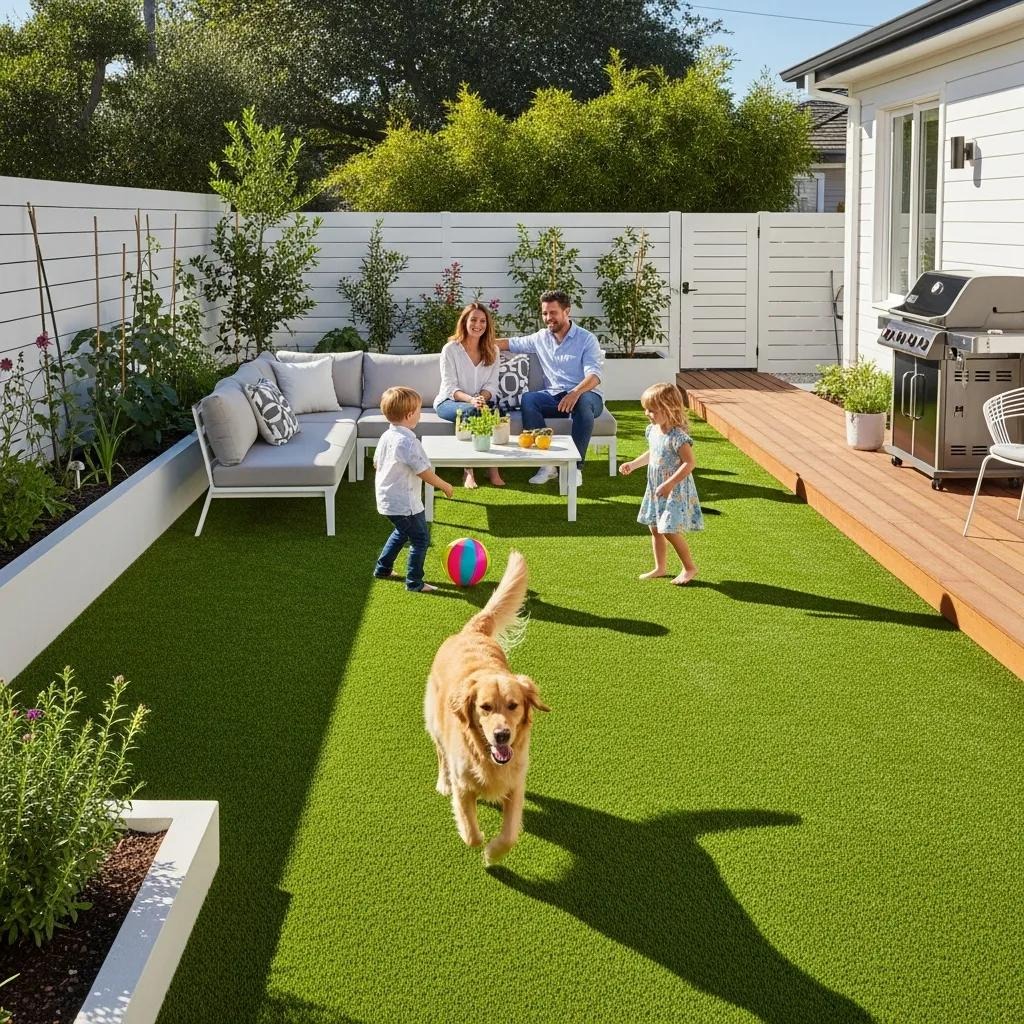
Artificial turf is quickly becoming a preferred landscaping solution for homeowners who want a great-looking yard with less work. Below, we walk through the main benefits — water savings, low upkeep, and lasting curb appeal — and explain how turf helps tackle challenges like drought and heavy maintenance. You’ll also learn about design options, cost implications, pet-friendly features, and common questions — plus why Artificial Turf Express is a trusted choice for San Jose yards.
Top Benefits of Artificial Turf for Homeowners
Artificial turf offers clear advantages for busy homeowners: it conserves water, reduces maintenance, and keeps your landscape looking sharp year-round.
How Does Artificial Turf Save Water and Support Eco-Friendly Landscaping?
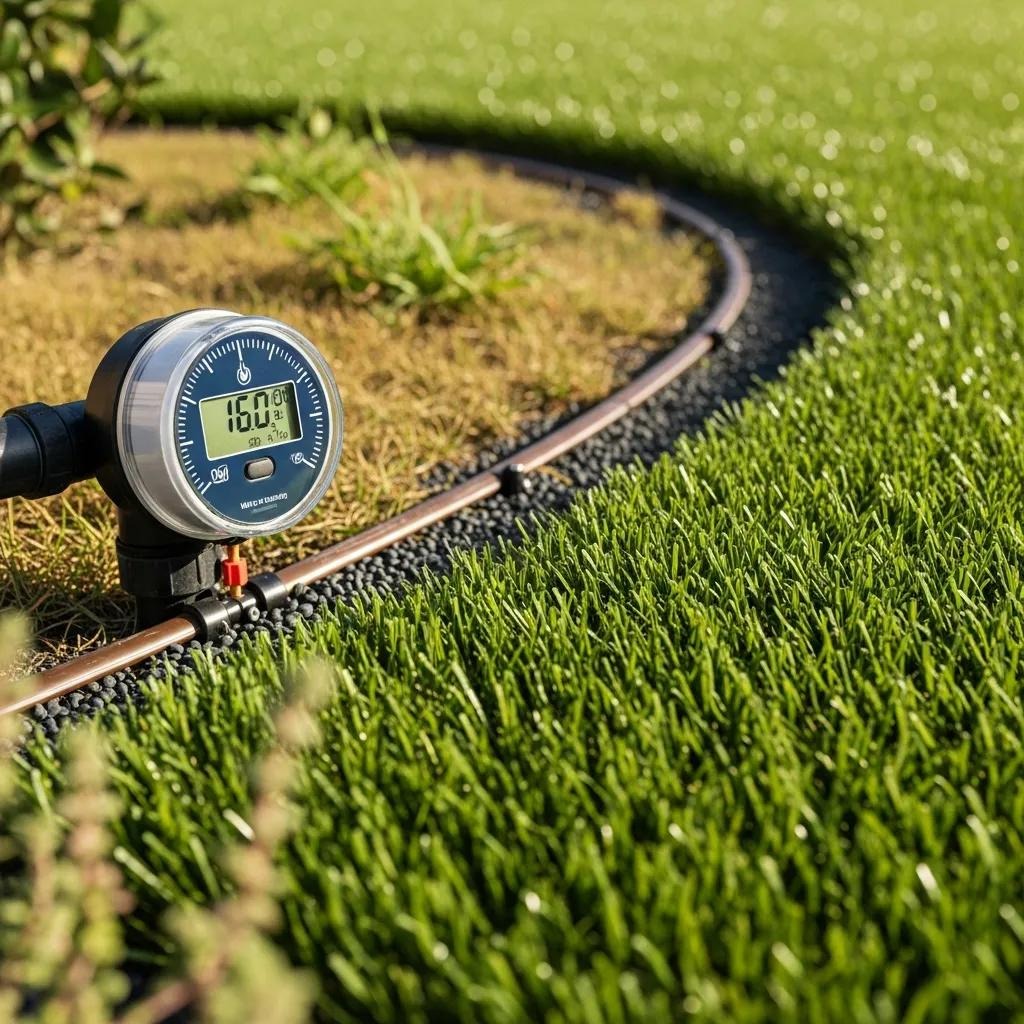
One of the biggest perks of turf is its water-saving benefits. Traditional lawns need frequent irrigation — especially in dry regions — while artificial turf requires no regular watering. Homeowners who switch can save thousands of gallons of water each year. That’s a meaningful reduction at home and helps local conservation efforts.
Why Is Low Maintenance a Major Advantage of Synthetic Grass Landscaping?
Low upkeep is a key reason people choose artificial turf. No mowing, no fertilizing, and far fewer pest issues mean less time and money spent on lawn care. Turf keeps your outdoor space clean and green, without the constant chores, letting you actually enjoy it.
How Does Artificial Turf Enhance Modern Landscape Design and Aesthetics?
Beyond practical benefits, artificial turf opens up design possibilities. Its versatility lets you create attractive, functional landscapes across a range of settings and styles — from simple lawns to specialty features.
What Are the Design Possibilities with Fake Grass in Residential and Commercial Spaces?
Artificial turf works for many uses: front and back yards, rooftop decks, play areas, putting greens, and commercial sites. You can layer textures, combine turf with hardscape, or shape play and entertaining zones — all while keeping a neat, low-maintenance surface.
How Does Artificial Turf Provide Consistent Beauty Year-Round?
Turf stays green and even through heat, drought, and seasonal swings. Unlike natural grass, which can patch out or brown, quality artificial turf maintains its color and texture, giving your property steady, consistent curb appeal year-round.
What Makes Artificial Turf a Cost-Effective Landscaping Solution?
When you weigh installation and ongoing costs, artificial turf is an economical long-term choice for many homeowners.
How Do Installation and Long-Term Savings Compare to Natural Grass?
Upfront installation can be higher than planting seed or sod, but turf pays back over time. You’ll cut or eliminate water bills, mowing, fertilizing, and many routine landscaping services. For many households, a one-time installation costs less than ongoing lawn care after a few years.
What Are the Financial Benefits of Reduced Water and Maintenance Costs?
Reduced watering and less labor translate to real savings — often hundreds of dollars a year, depending on your yard size and local water rates. Those savings, plus lower maintenance costs, are major reasons homeowners consider turf a smart investment.
How Is Artificial Turf Tailored for Pet-Friendly and Specialized Applications?
Artificial turf is engineered for a variety of uses, including pet areas and specialty play or sport surfaces. Durability and practical features make it a strong choice for active homes.
What Features Make Synthetic Grass Ideal for Pets?
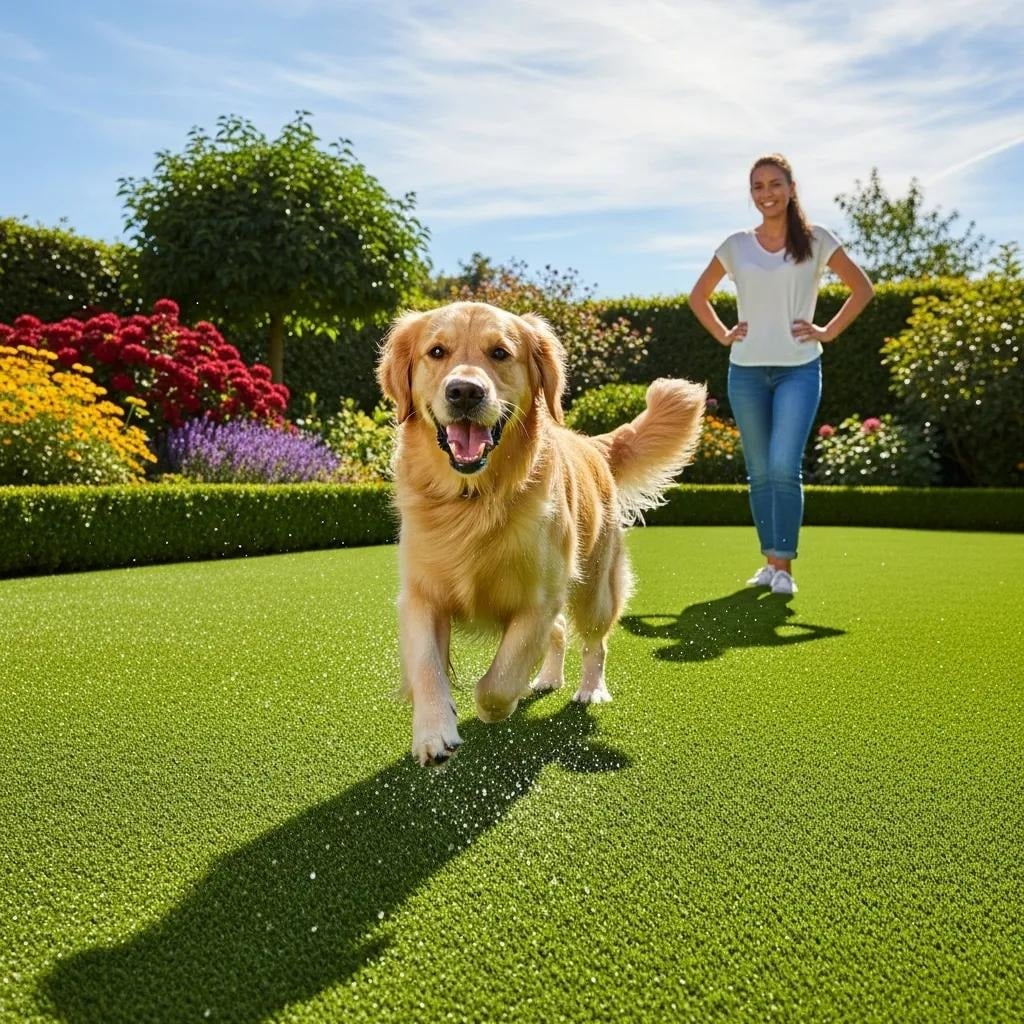
Pet-friendly turf is designed with drainage for easy cleanup and with materials that resist odors. Many products use non-toxic components so pets can play safely. The result is a yard that stands up to running, digging, and daily use without turning into a maintenance headache.
How Does Artificial Turf Serve Putting Greens and Play Areas?
For putting greens and play areas, turf delivers a consistent surface that performs well and stays level. Golfers get reliable roll; kids get a durable, safe play space — both with far less upkeep than natural turf.
What Are Common Concerns About Artificial Turf and How Are They Addressed?
It’s normal to have questions about turf. Here are straightforward answers to the issues we hear most often.
Does Artificial Turf Get Hot and How Can Heat Issues Be Mitigated?
In direct sun, some turf can feel warm. Manufacturers now offer heat-resistant fibers and reflective infill options to reduce surface temperature, and occasional watering can cool the area for barefoot comfort. Thoughtful product choice and placement go a long way.
What Is the Environmental Impact of Artificial Turf and Sustainable Practices?
Artificial turf isn’t biodegradable, but many newer products include recycled materials, and some makers offer recycling programs. When you factor in water savings and reduced fertilizer and pesticide use, turf can be part of a more sustainable landscape strategy — especially in drought-prone areas.
Why Choose Artificial Turf Express for Your Landscaping Needs in San Jose?
Picking the right supplier matters. Artificial Turf Express combines local know-how with a broad product selection to help San Jose homeowners find the right turf for their yard and budget.
How Does Local Expertise and Extensive Inventory Benefit Customers?
Our local experience means we understand San Jose’s climate and water rules, so we recommend products and installation practices that work here. With a large inventory, you can see options and pick the turf that best fits appearance, durability, and price goals.
What DIY Support and Installation Resources Are Available?
If you want to install turf yourself, we provide guides, how-to videos, and friendly technical support to simplify the process. For full installs, we can point you to trusted contractors — either way, we help make your project go smoothly.
| Feature | Benefit | Value |
|---|---|---|
| Water Conservation | Reduces irrigation needs | Thousands of gallons saved annually |
| Low Maintenance | Minimal upkeep required | Saves time and money |
| Aesthetic Appeal | Lush year‑round appearance | Enhances curb appeal |
Artificial turf offers practical, visible benefits — less water use, easier upkeep, and consistent beauty. By addressing common questions and offering local support, companies like Artificial Turf Express help homeowners make confident choices for their landscapes.
Frequently Asked Questions
What is the lifespan of artificial turf, and how does it compare to natural grass?
Most artificial turf lasts about 15 to 25 years, depending on product quality and use. Unlike natural grass, which needs regular reseeding, irrigation, and repair in high-traffic spots, turf keeps its look and function for many years with relatively simple maintenance.
Can artificial turf be recycled, and what happens at the end of its life?
Yes — many turf types are recyclable, and some manufacturers offer take-back or recycling programs. As the industry evolves, recycled materials are becoming more common, and old turf can be repurposed instead of sent to a landfill. Check with your supplier for local recycling options.
How does artificial turf affect property value?
Well-installed artificial turf can improve curb appeal and lower ongoing maintenance costs, both of which are attractive to buyers. In many markets, a neat, green yard that doesn’t require heavy upkeep can make a property more appealing.
Are there any health concerns associated with artificial turf?
Concerns have centered on some infill materials in the past, but many manufacturers now use non-toxic, environmentally friendly options. Choose products that meet safety standards and follow recommended installation and care practices to ensure a healthy outdoor space for kids and pets.
What maintenance is required for artificial turf?
Turf needs far less care than real grass. Routine tasks include brushing fibers to keep them upright, clearing debris, and rinsing occasionally to prevent odors. Promptly fixing any damage will help extend the turf’s lifespan.
Can artificial turf be installed over existing grass?
Yes — turf can be installed over existing grass, but proper prep is important. The area should be leveled, the grass cut short, and drainage addressed. Many homeowners choose to remove natural grass first to ensure the best long-term result.
Conclusion
Artificial turf is a practical, attractive option for homeowners who want a low-maintenance, water-smart landscape that looks good year-round. If you’re ready to update your yard, explore the product range and local expertise at Artificial Turf Express to find the right solution for your home.


