


Artificial Turf
How to Install Artificial Turf on Concrete: A Complete DIY Guide

Yes, you can put turf on concrete, and it’s one of the easiest DIY installs we see. Patios, pool decks, balconies, and side yards that are nothing but slab can all take artificial grass. But laying artificial grass on concrete is a different job from laying it on dirt. There’s no base to build. The…
Read MoreHow to Repair Artificial Turf: Patching Burns, Holes and Tears
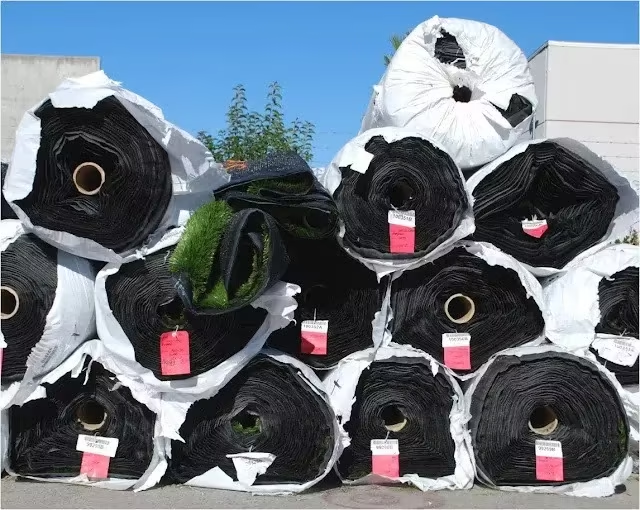
Begin the patching process by assessing the damaged area and preparing a matching patch from spare material, then bond it in place using seaming tape plus polyurethane adhesive. Trim the patch to extend a few inches beyond the damage, align the grain direction, and press firmly for a seamless repair that avoids replacing the entire…
Read MoreHow to Remove Wrinkles From Artificial Turf During Installation
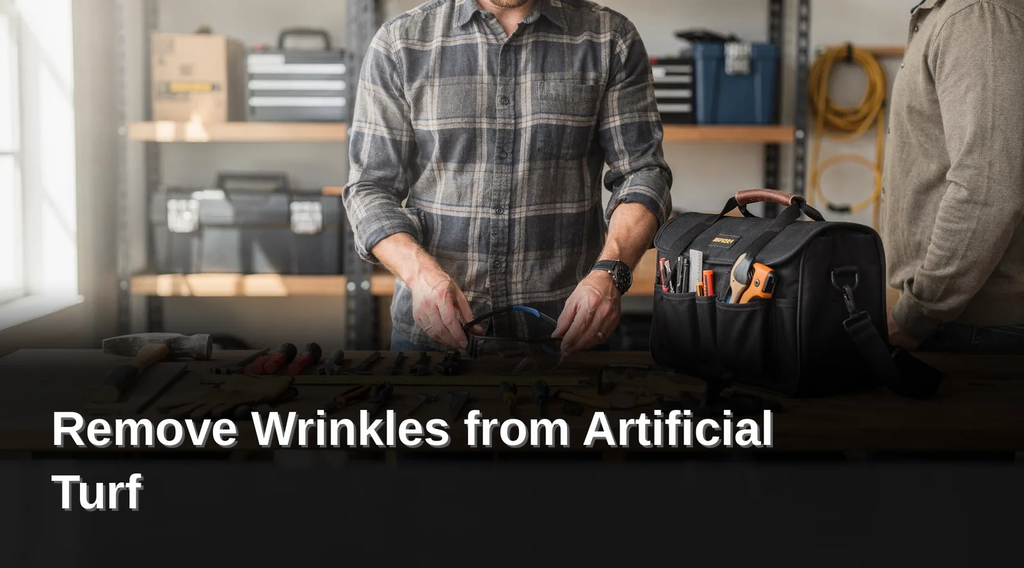
Wrinkle removal starts by unrolling turf and letting it sit in direct sun for several hours. Heat relaxes stiff fibers caused by roll storage. We then stretch the material from corners, securing edges with turf stakes or nails before seaming. Sunlight combined with mechanical tensioning eliminates creases prior to permanent bonding and infill application. Key…
Read MoreTurf Nails vs. Staples: What’s the Difference and When to Use Each
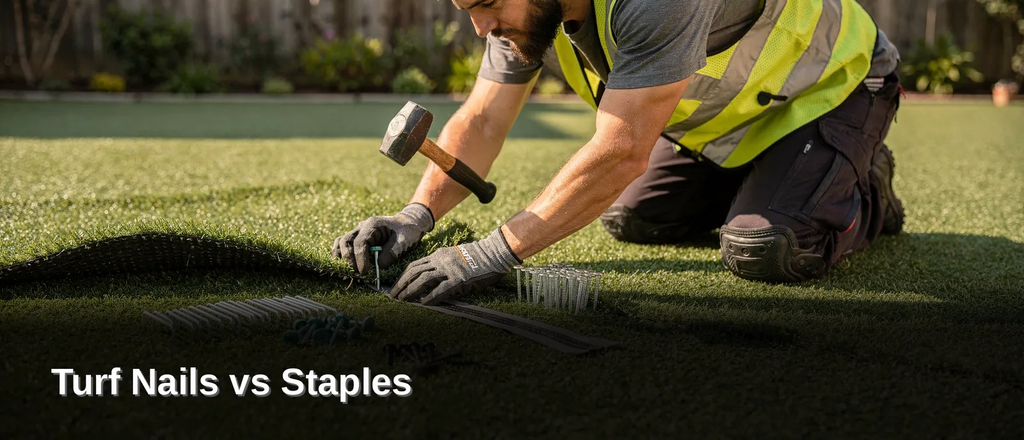
Spiral turf nails anchor perimeters and penetrate soil-based sub-bases securely, resisting pull-out in high-traffic or pet areas. Staples work best for seaming sections together and fastening into weed barrier or compacted base material, though they drive through turf backing less easily. We recommend nails for perimeter anchoring and staples for seam reinforcement on most Bay…
Read MoreHow to Calculate Artificial Turf, Infill, Nails, and Seam Tape
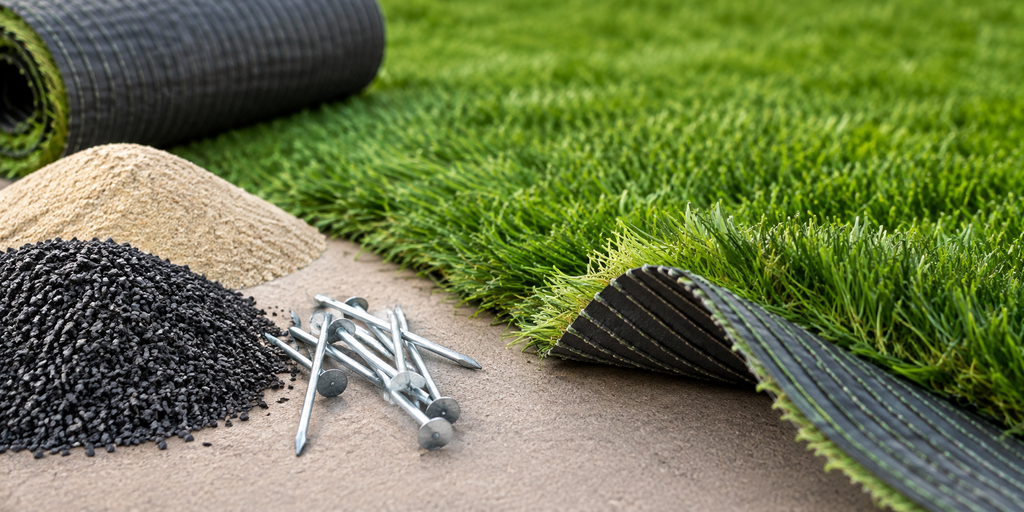
Calculating seam tape and nails starts with measuring the total linear footage of seams where turf rolls meet. Seam tape covers each joint at full width, while galvanized turf nails are spaced every 6 inches along seams and the perimeter, plus one nail per 1- 2 square feet across the field for a secure, wrinkle-free…
Read MoreWhat Is the Best Base for Artificial Turf? A Guide to Proper Base Preparation
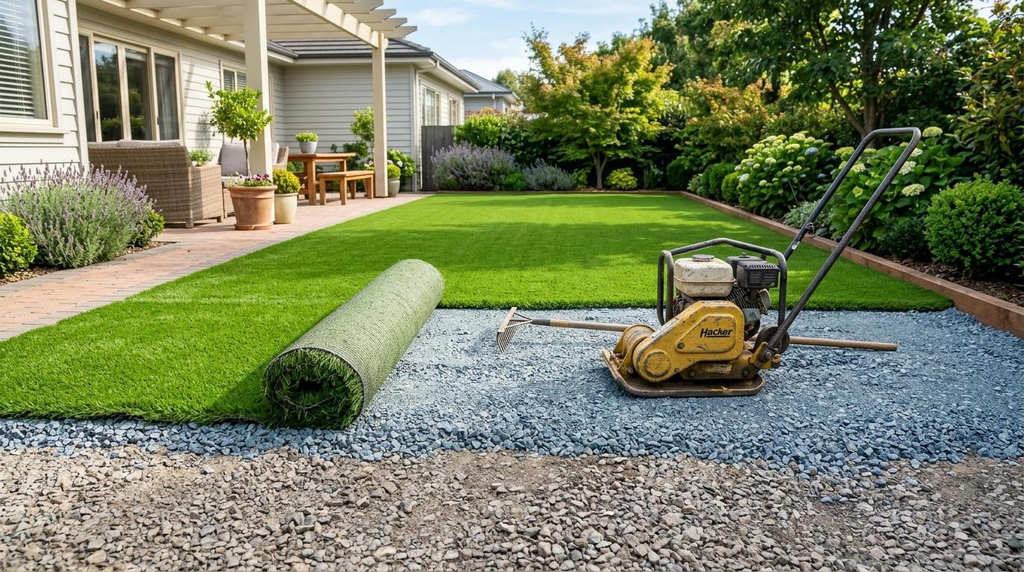
Crushed aggregate, typically Class II road base, provides the best foundation for artificial turf because it compacts tightly, suppresses weeds, and channels water away from the surface. We layer this base at a consistent depth, compact it in stages, and grade it for drainage before any turf or infill goes down. Key Takeaways What Do…
Read MoreDecoding Pile Height & Face Weight for the Best Artificial Turf Options

High-quality artificial grass isn’t a green plastic carpet. Every blade is engineered for a specific look, feel, and level of durability, and the spec sheet tells you which one you’re getting, if you know how to read it. The two numbers that matter most are pile height (how tall the blades are) and face weight…
Read MoreThe DIYers Guide to Ground Prep for Turf Installation and Accessories

Most backyards start as dirt and tired grass, and that’s exactly where this guide begins. If you want to install artificial grass yourself, the ground prep matters more than the turf you pick. Get the base right and your fake grass stays flat for years. Skip it, and you’ll see ripples by next winter. Below…
Read MoreIn-Depth DIY Guide to Foam Shock Pads for the Best Artificial Turf

If kids will play on your new artificial lawn, or you just want it to feel softer underfoot, you’ll run into foam shock pads sooner or later. Also called turf underlay, underlayment, or padding, a shock pad is a cushioned layer installed under artificial grass to make it safer, softer, and more comfortable. Not every…
Read MoreAn In-Depth DIY Guide to Infill for the Best Artificial Turf

Infill is the part of an artificial turf install most people don’t think about until something goes wrong. Skip it or skimp on it, and your turf mats down, drains poorly, and wears out early. Get it right, and the same turf looks fuller, feels better underfoot, and lasts years longer. This guide covers everything…
Read More