Frequently Asked Questions
How can I create a pet-friendly artificial turf area?
Creating a pet-friendly artificial turf area involves selecting high-quality, non-toxic turf, ensuring proper drainage, and incorporating infill materials that are safe for pets. Regular maintenance, such as cleaning and sanitizing, is also essential for a healthy environment.
What are the benefits of installing a putting green at home?
The benefits of installing a putting green at home include improved golfing skills, convenience for practice, and enhanced outdoor aesthetics. It provides a dedicated space for honing your putting technique while enjoying leisure time in your backyard.
What types of artificial turf are best for putting greens?
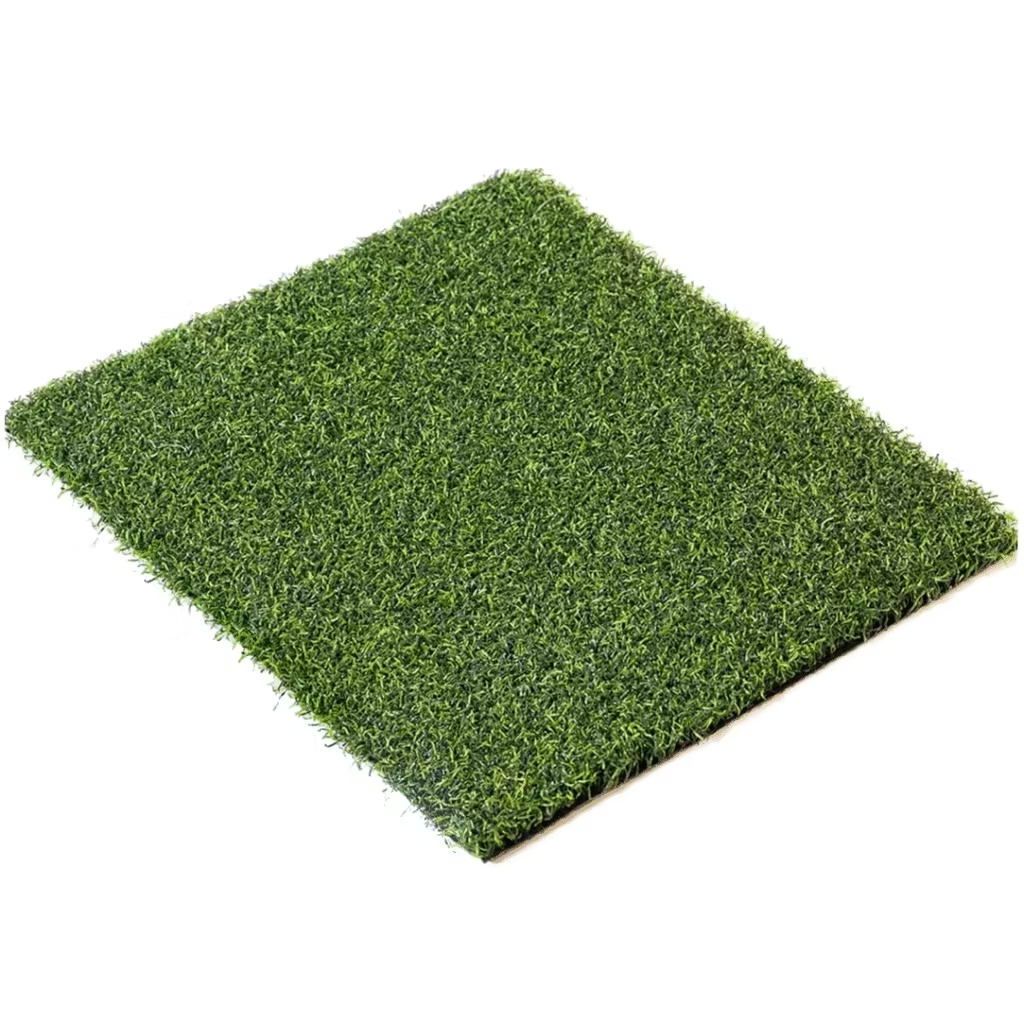
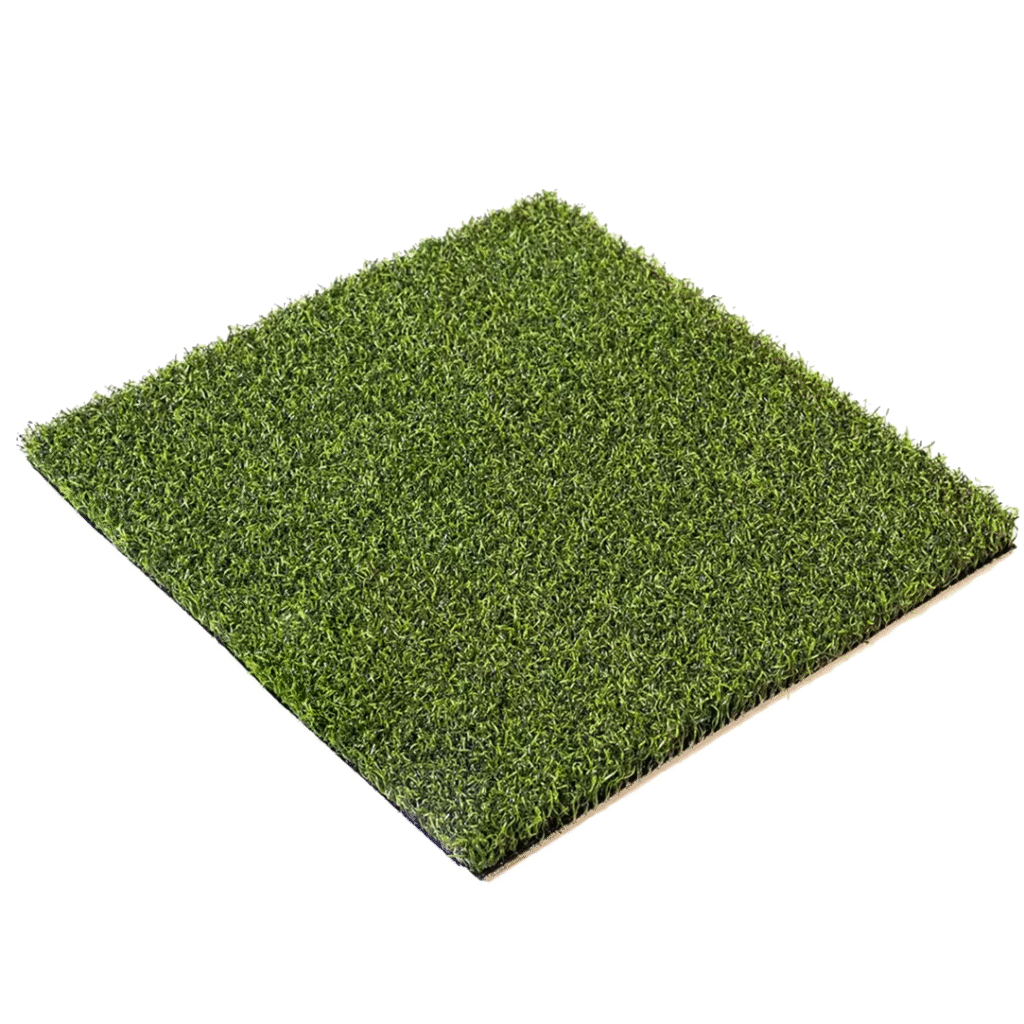
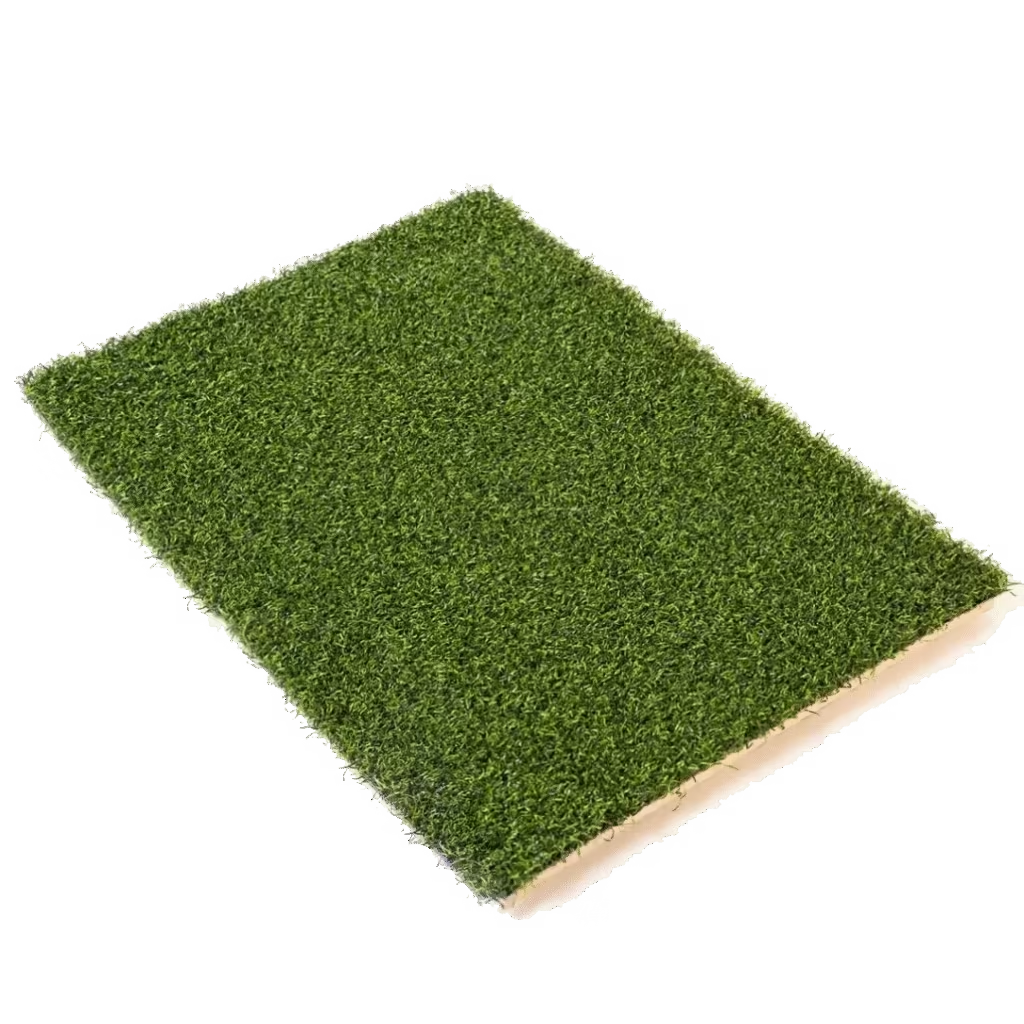
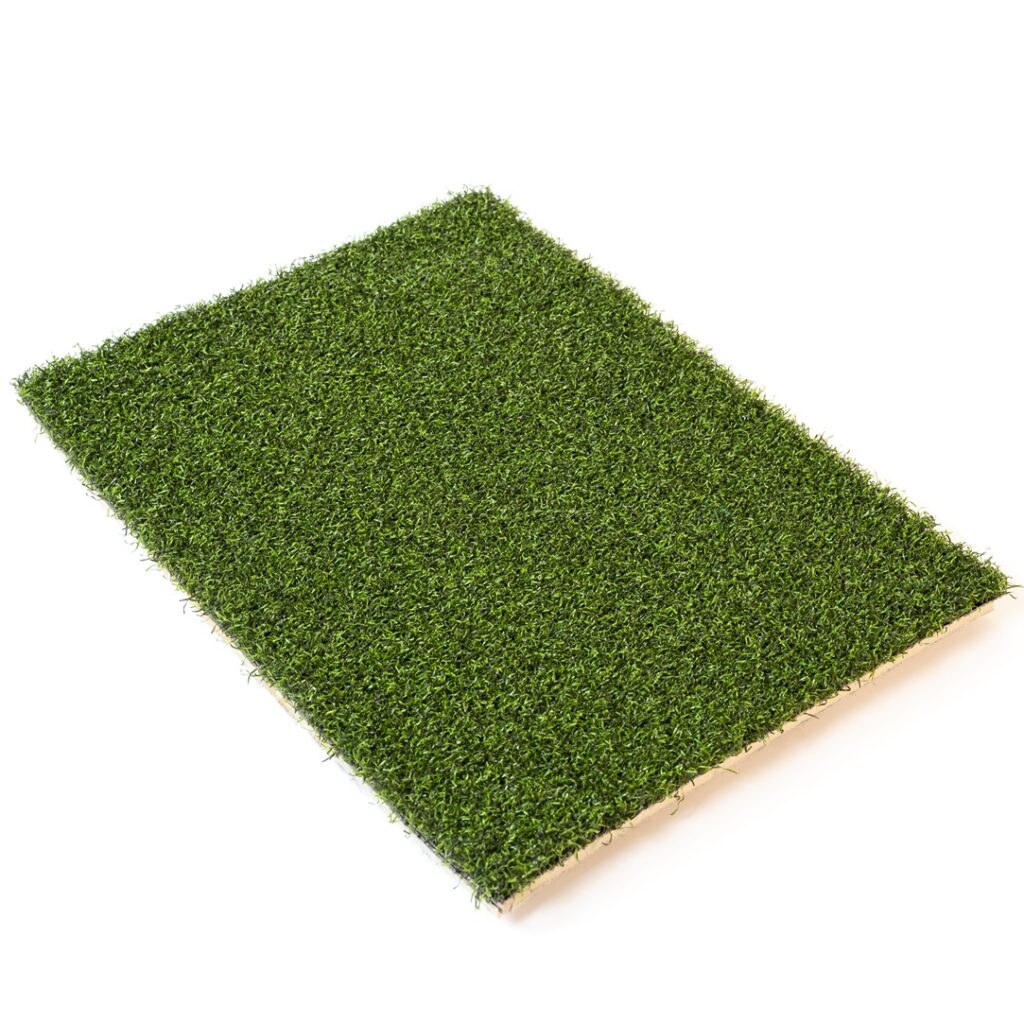
The best types of artificial turf for putting greens are those specifically designed for a realistic feel and performance, typically featuring a short pile height, dense fibers, and a smooth surface to mimic natural grass conditions.
How do I maintain my artificial turf putting green?
Maintaining your artificial turf putting green involves regular brushing to keep the fibers upright, rinsing to remove debris, and checking for any infill displacement. Additionally, ensure proper drainage and inspect for any damage to maintain optimal performance.
What accessories do I need for my putting green?
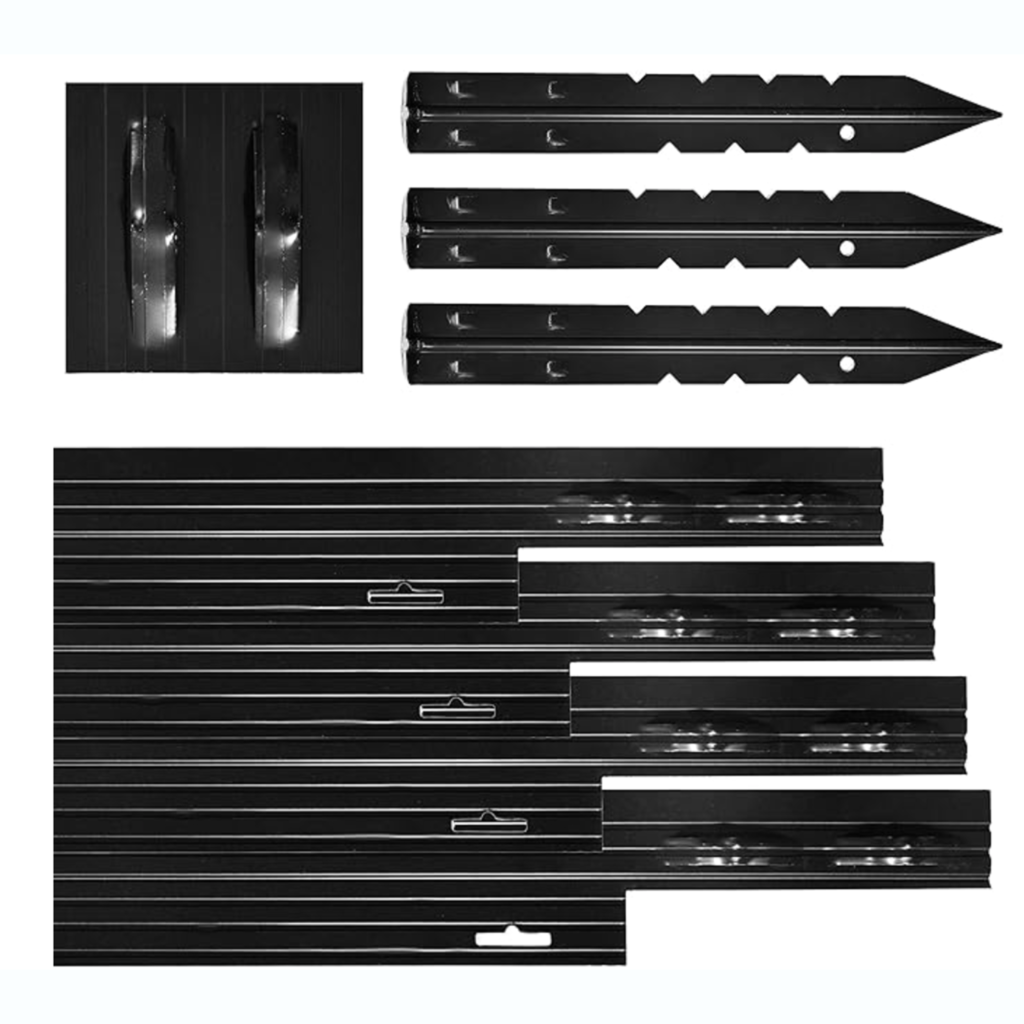
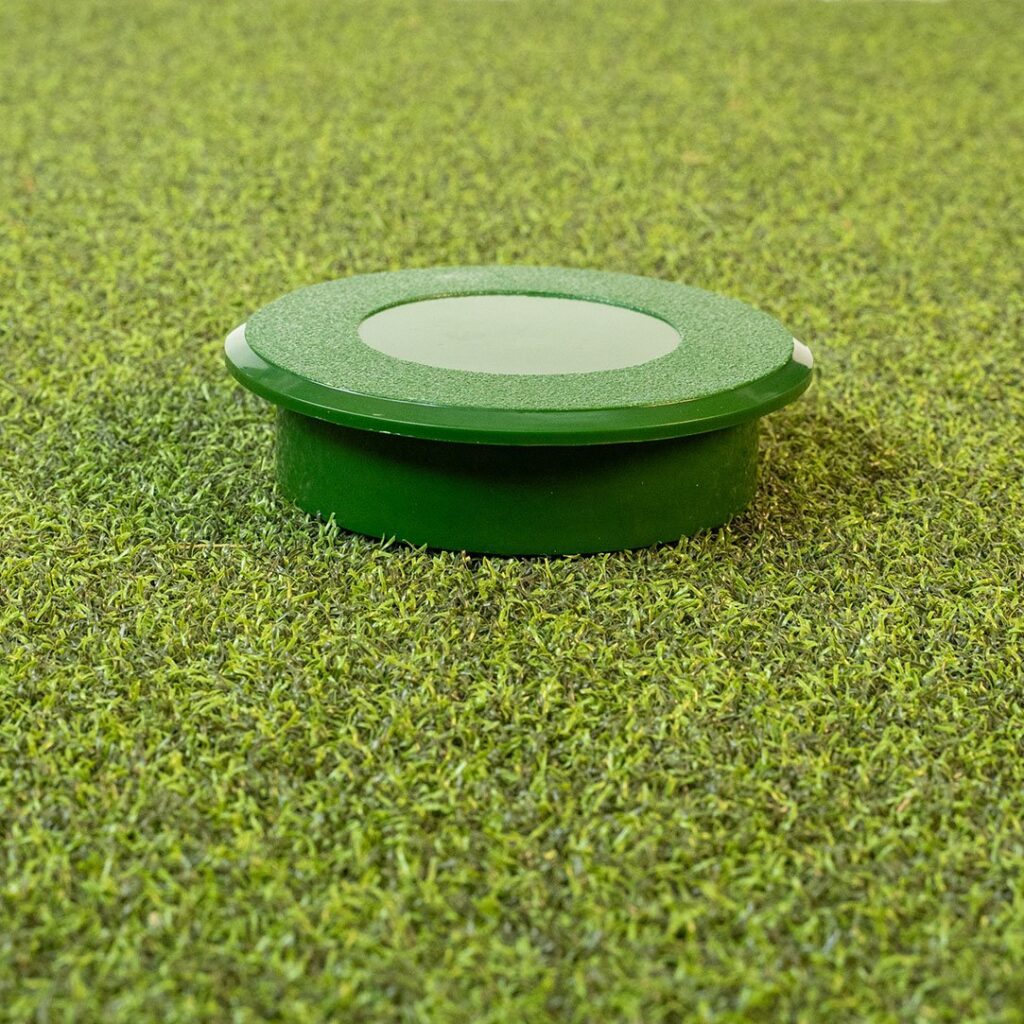
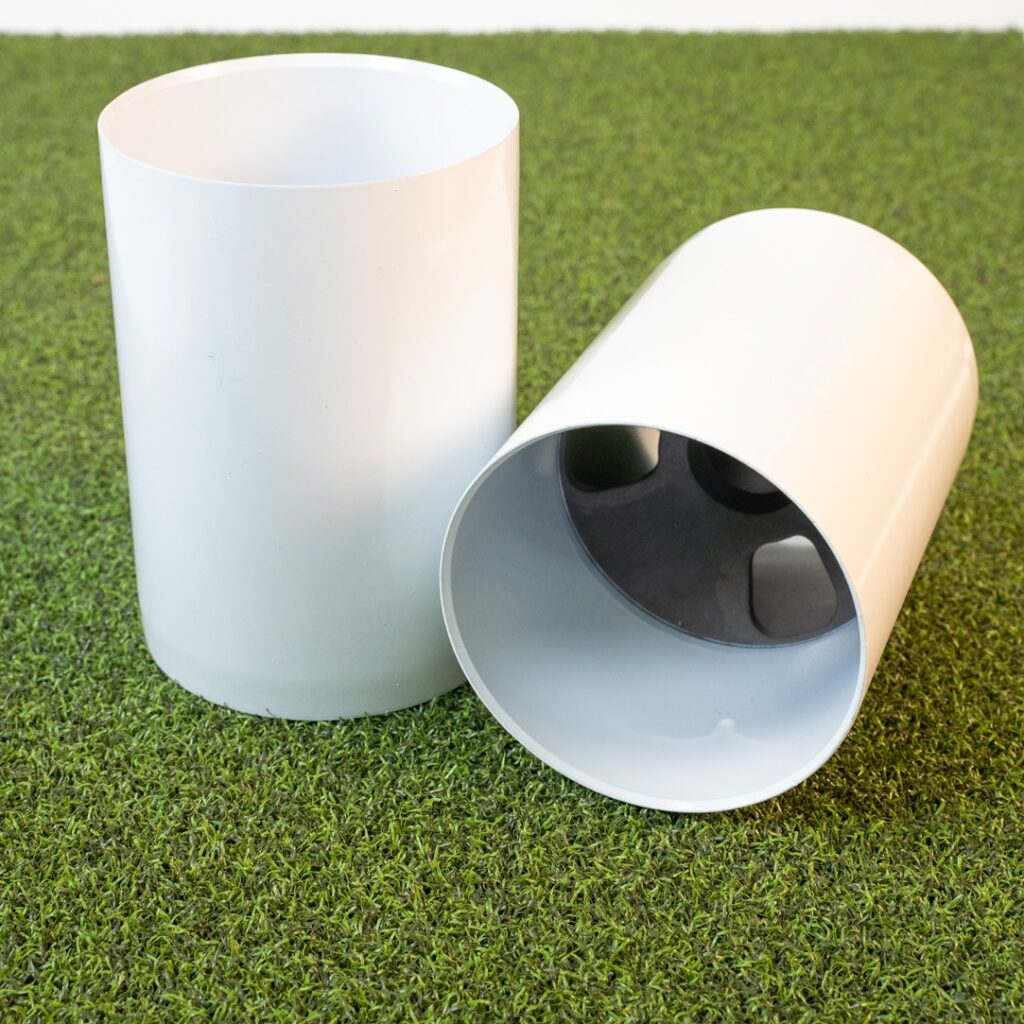
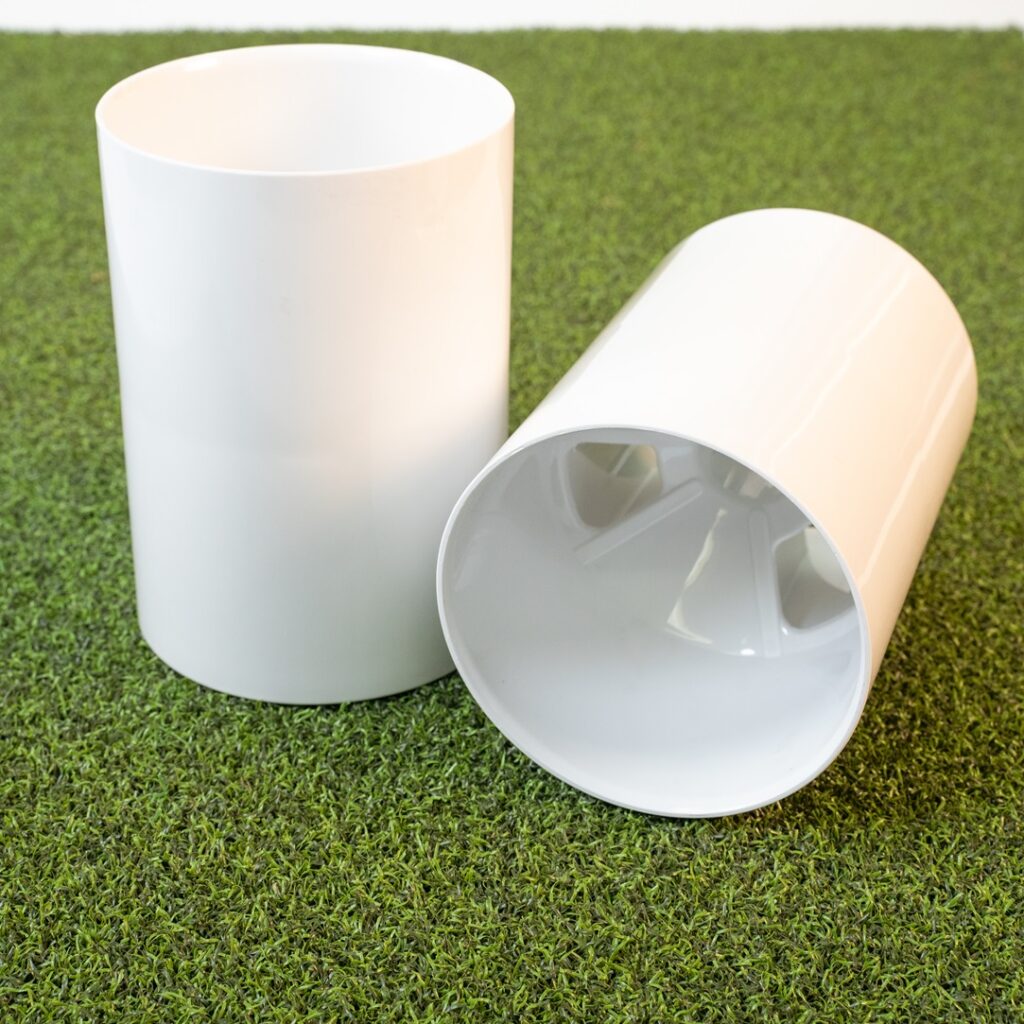
The accessories you need for your putting green include a quality putting cup, alignment sticks, turf brushes for maintenance, and infill materials to enhance performance and stability. These items will help create an optimal practice environment.
What materials are used for pet-friendly turf?
The materials used for pet-friendly turf include non-toxic, durable synthetic fibers, a permeable backing for drainage, and infill options like sand or rubber that are safe for pets. This combination ensures a comfortable and safe environment for your furry friends.
How to choose the right turf for pets?
Choosing the right turf for pets involves selecting durable, non-toxic materials that can withstand heavy use. Look for turf with good drainage, a soft texture, and easy maintenance to ensure a safe and comfortable environment for your pets.
Can artificial turf withstand pet use?
Artificial turf is designed to withstand pet use effectively. Its durable materials resist wear and tear from pets, and it can be easily cleaned to maintain hygiene, making it a practical choice for pet owners.
What maintenance is required for pet turf?
The maintenance required for pet turf includes regular rinsing to remove pet waste and debris, brushing to maintain an even surface, and periodic infill replenishment to ensure optimal performance and durability.
How to install pet-friendly artificial grass?
Installing pet-friendly artificial grass involves preparing the area by removing existing grass and debris, leveling the ground, and laying a weed barrier. Then, roll out the turf, secure it with stakes, and infill with pet-safe materials for stability and drainage.
What are the costs of pet turf installation?
The costs of pet turf installation vary based on factors such as the size of the area, type of turf selected, and installation complexities. Typically, homeowners can expect to spend between $5 to $20 per square foot for complete installation.
How does artificial turf benefit pets?
The benefits of artificial turf for pets are numerous. It provides a safe, durable surface that is easy to clean, minimizes mud and mess, and remains green year-round, ensuring a comfortable play area for your furry friends.
What is the lifespan of pet-friendly turf?
The lifespan of pet-friendly turf typically ranges from 10 to 15 years, depending on factors such as usage, maintenance, and environmental conditions. Proper care can help maximize its durability and performance for you and your pets.
Are there eco-friendly options for pet turf?
Eco-friendly options for pet turf are available. These products are made from sustainable materials and are designed to be safe for both pets and the environment, ensuring a green solution for your pet's play area.
How to clean artificial turf for pets?
Cleaning artificial turf for pets involves regularly removing debris and using a mixture of water and mild soap to rinse the area. For odors, consider using an enzyme-based cleaner specifically designed for pet waste.
What features should I look for in putting greens?
The features to look for in putting greens include realistic turf texture, proper ball roll, durability, UV resistance, and easy installation. These elements ensure an authentic golfing experience and long-lasting performance for your home practice.
How to design a home putting green?
Designing a home putting green involves selecting the right location, measuring the space, and choosing high-quality artificial turf. Consider incorporating undulations and slopes for a realistic experience, and ensure proper drainage for optimal playability.
What is the best turf for putting greens?
The best turf for putting greens is high-quality synthetic grass specifically designed for golf, featuring a realistic feel, durability, and optimal ball roll. Look for options with a short pile height and appropriate infill for the best performance.
How to level ground for a putting green?
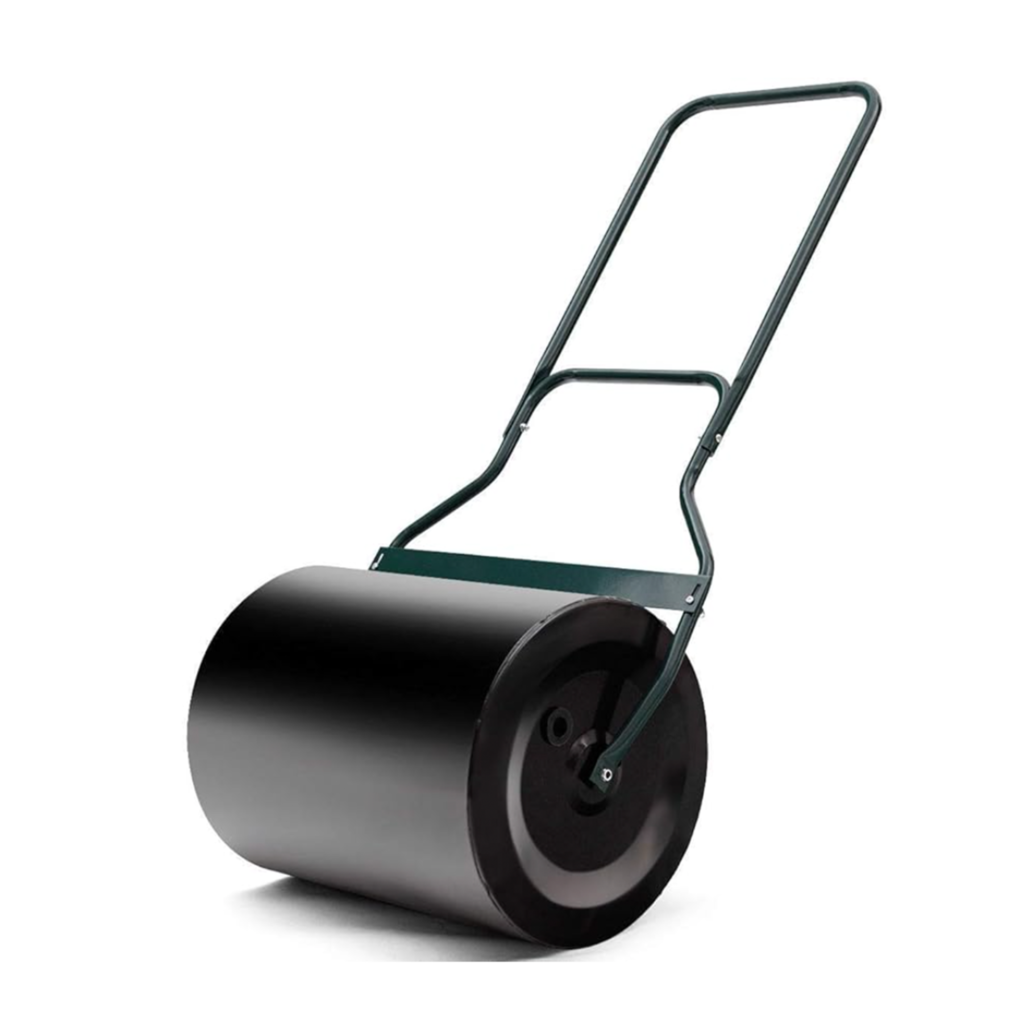
Leveling ground for a putting green involves clearing the area of debris, using a rake to create a smooth surface, and compacting the soil. Ensure the ground is graded for proper drainage to maintain a quality playing surface.
What are the installation steps for putting greens?
The installation steps for putting greens include: preparing the site by clearing debris, leveling the ground, laying base materials, installing the turf, securing it with stakes, and adding infill for stability and realism.
How to choose putting green accessories?
Choosing putting green accessories involves considering factors such as compatibility with your turf, the specific features you want to enhance your practice, and the quality of materials for durability and performance.
What is the average cost of a putting green?
The average cost of a putting green typically ranges from $10 to $25 per square foot, depending on the quality of materials and installation options chosen.
How to improve my putting greens performance?
Improving your putting greens performance involves practicing regularly on high-quality turf, refining your stroke technique, and using alignment aids. Additionally, consider adjusting your putting green’s slope and speed to simulate real course conditions for better results.
What types of infill are best for putting greens?
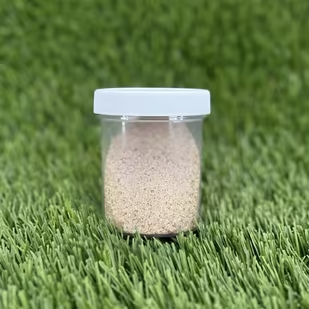
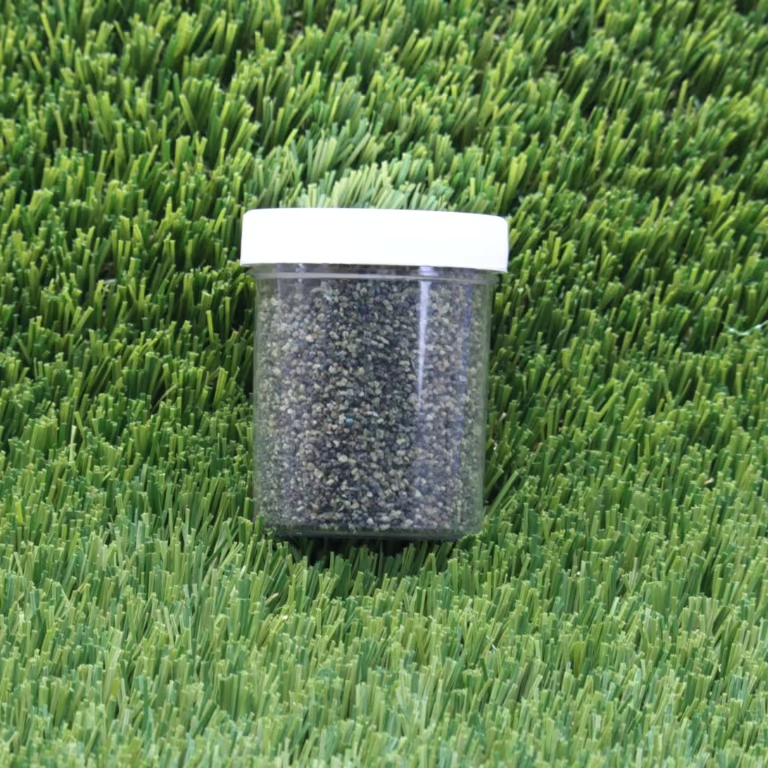
The best types of infill for putting greens are typically sand and rubber. Sand provides a firm surface for ball roll, while rubber enhances cushioning and reduces bounce, creating an optimal playing experience for golf enthusiasts.
How to troubleshoot common putting green issues?
Troubleshooting common putting green issues involves identifying problems such as uneven surfaces, drainage issues, or turf wear. Regularly inspect your green, ensure proper infill levels, and address any drainage concerns to maintain optimal playing conditions.
What are the benefits of synthetic putting greens?
The benefits of synthetic putting greens are numerous, including consistent playing surfaces, low maintenance requirements, durability, and the ability to practice year-round, enhancing your golf skills from the comfort of your home.
How to enhance my backyard putting green?
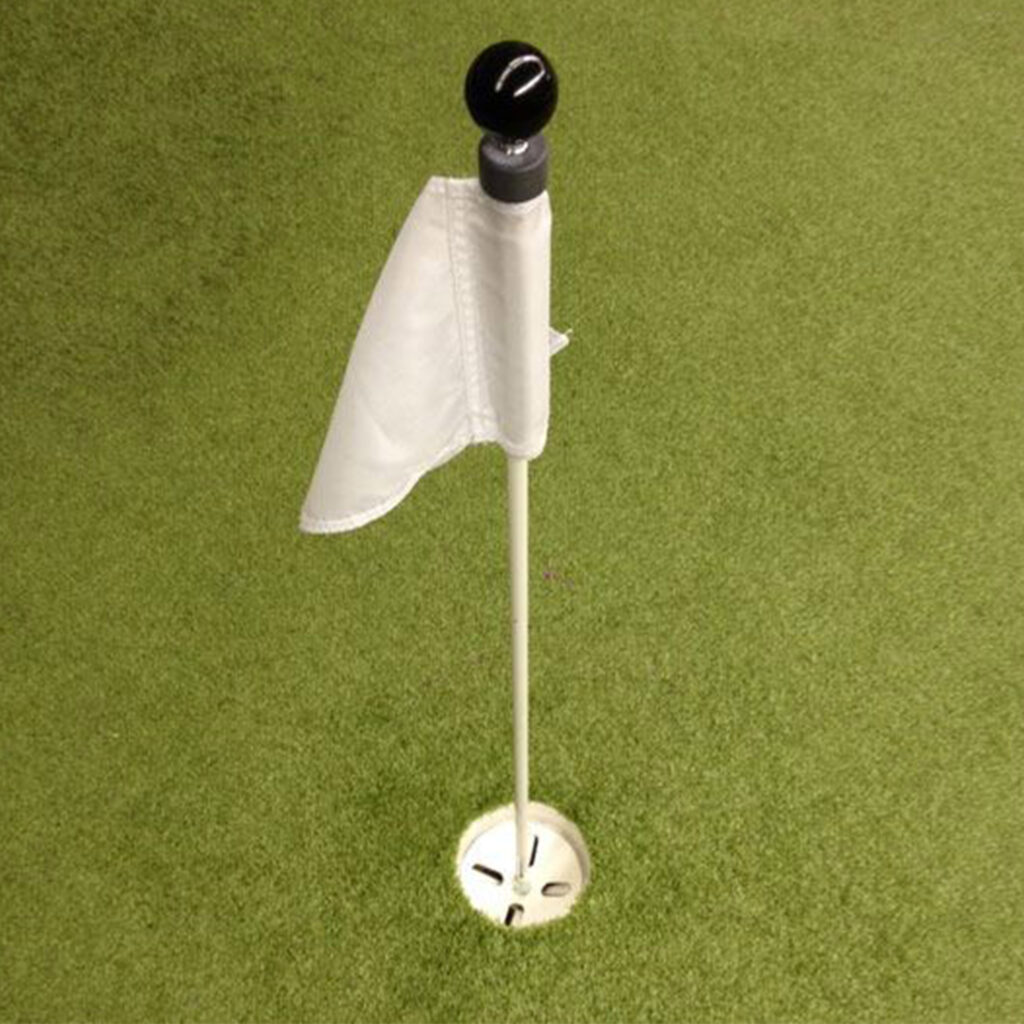
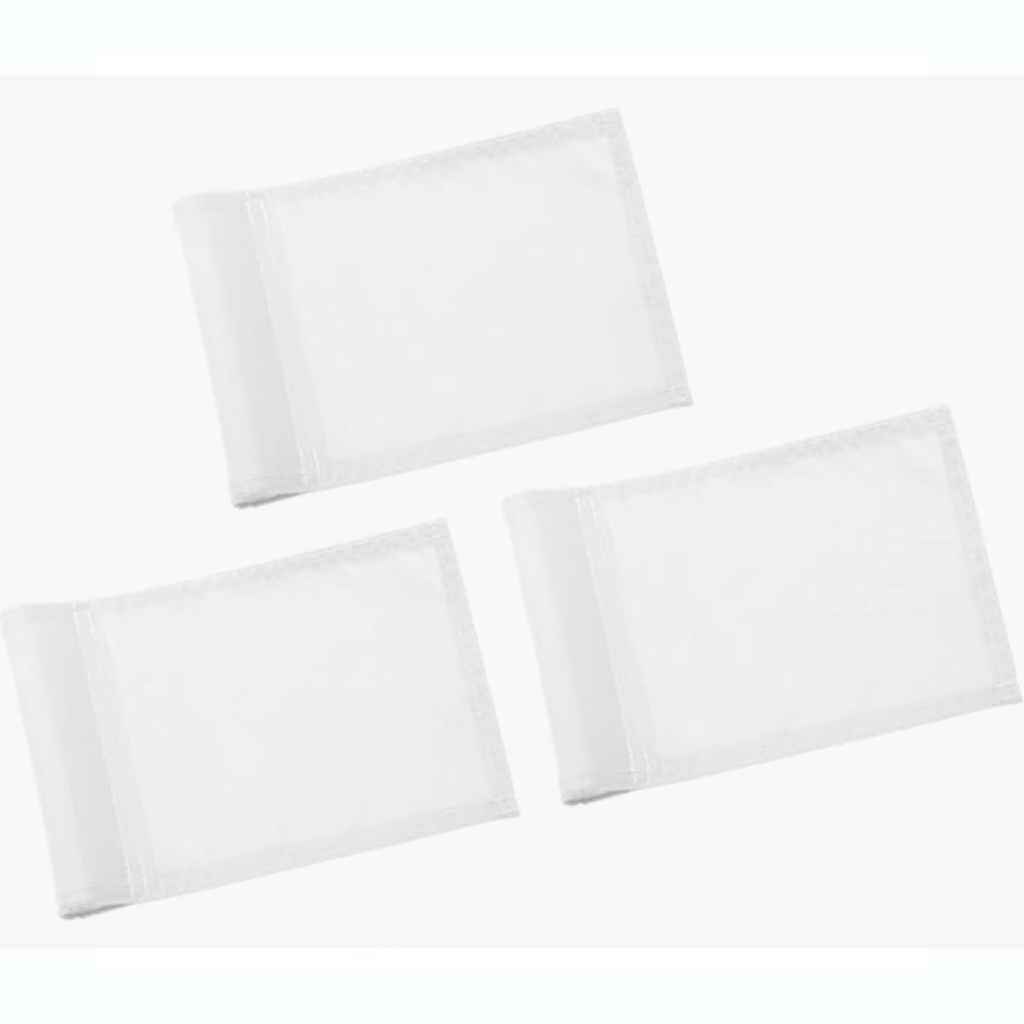
Enhancing your backyard putting green involves selecting high-quality turf, adding appropriate infill for better ball roll, and incorporating accessories like flags and cups for realism. Regular maintenance and proper drainage will also improve playability and longevity.
What maintenance is needed for putting greens?
The maintenance needed for putting greens includes regular brushing to keep the turf fibers upright, occasional infill replenishment, and routine cleaning to remove debris and organic matter, ensuring a smooth and playable surface for optimal golf practice.
How to install putting green turf effectively?
Installing putting green turf effectively involves preparing a smooth, level base, securing the turf with adhesive or stakes, and ensuring proper infill for stability and performance. Follow manufacturer guidelines for best results.
What are the best practices for turf care?
The best practices for turf care include regular brushing to maintain an even surface, periodic rinsing to remove debris, and ensuring proper infill levels for optimal performance. Additionally, avoid heavy foot traffic to prolong the lifespan of your synthetic grass.