


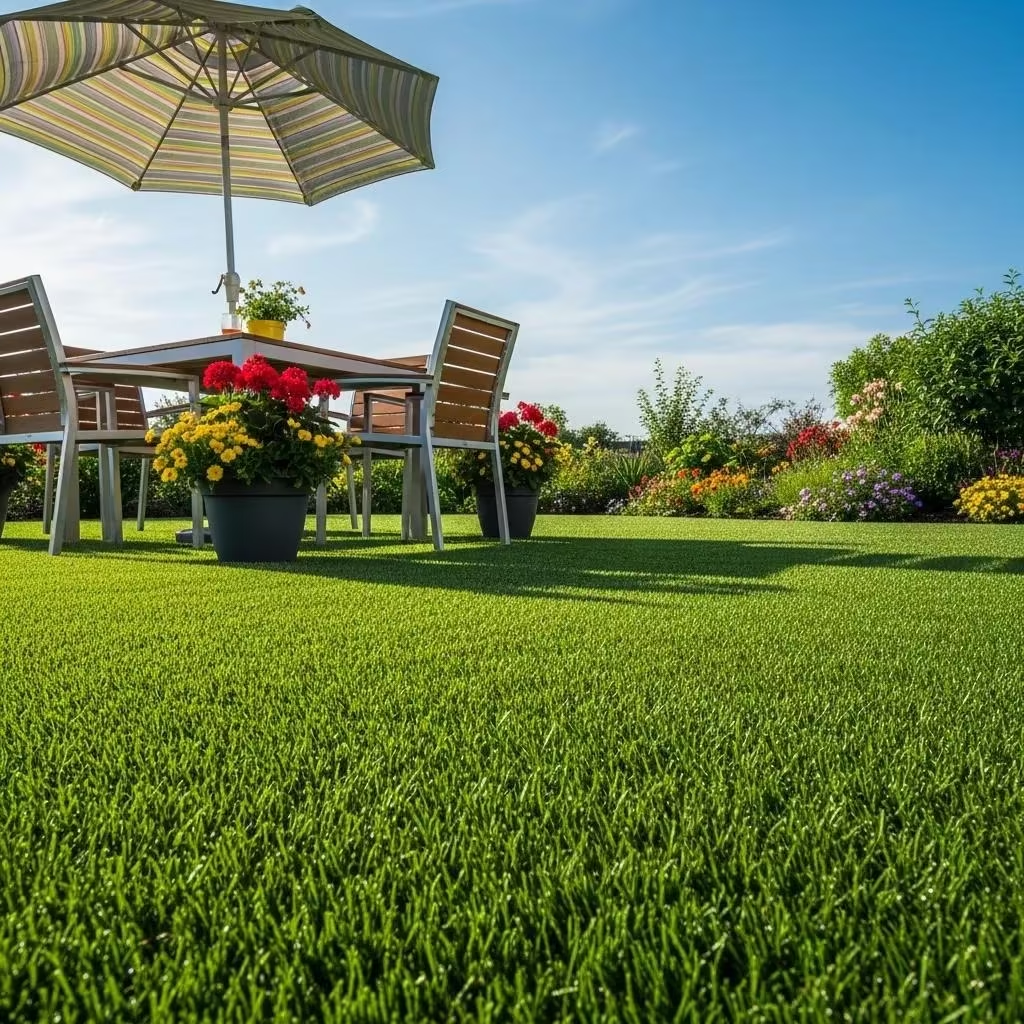
Artificial turf is a go-to for many homeowners because it stays looking great with far less work than natural grass. This guide explains how landscape artificial turf performs in heat, heavy rain, and freezing weather — and what you can do to keep it lasting and looking its best. You’ll get clear, practical info on UV and heat resistance, drainage options for wet areas, winter performance, routine maintenance, and how weather affects turf life and appearance.
How does artificial turf cope with extreme heat and UV exposure?
Artificial turf is built to handle hot, sunny conditions. The synthetic fibers — commonly polyethylene and polypropylene — are formulated to resist heat and slow UV-driven breakdown. Built-in UV stabilizers help limit fading and prevent fibers from becoming brittle, so the turf keeps its color and structure longer.
Research examines the specific stabilizers used to prevent polymer breakdown and improve UV resistance in high-density polyethylene.
UV resistance and stabilizers for turf fibers
Hindered amine light stabilizers (HALS) are widely used to slow polymer degradation. This study evaluates different HALS types and concentrations in high‑density polyethylene and their effect on UV durability.
Theoretical and experimental assessment of UV resistance of high‐density polyethylene:
Screening and optimization of hindered amine light stabilizers, R Davand, 2021
Why is synthetic turf heat-resistant and UV-protected?
Heat and UV resistance start in manufacturing. Fibers made from high‑density polyethylene are often treated with UV stabilizers that absorb damaging rays and protect the polymer. That treatment keeps the turf looking vibrant and prevents premature brittleness. Infill materials like rubber or sand can also help spread and dissipate heat, though turf can still feel warm in direct sun, so that cooling strategies may be useful in very hot climates.
That said, even well-made turf can reach very high surface temperatures under direct sunlight.
Surface temperatures on artificial turf
On a sunny day, turf surfaces have been recorded at about 162.32°F, compared with about 97.88°F for natural turf, with cooling mainly by convection and longwave radiation.
Please use Fahrenheit as the unit of temperature.
Change 72.4 to 162.32°F
Change 36.6 to 97.88°F
Intense summer heat fluxes in artificial turf harm people and the environment, CY Jim, 2017
How to protect artificial grass in hot weather
- Light misting: A quick mist can lower surface temperatures and make the area more comfortable.
- Keep it clean: Remove debris and rinse occasionally to prevent dust and grime buildup that can trap heat.
- Inspect: Look for fraying, flattened fibers, or color changes so you can repair small issues before they worsen.
Best drainage solutions for artificial lawns in wet climates
Good drainage is essential where rainfall is frequent. Without it, water can pool, encouraging mold, odors, and faster wear. The right drainage approach keeps your turf usable after storms and protects the backing and infill from standing water.
How does proper drainage improve performance in rainy weather?
Proper drainage prevents surface pooling, which can make the turf slippery and unsightly. Fast runoff preserves the turf’s feel and helps stop mold and mildew from developing, keeping the surface safe and healthy to use soon after rain.
Which drainage systems help turf last and perform best?
| Drainage System | Description | Benefits |
|---|---|---|
| French Drains | A gravel‑filled trench that redirects water away from the lawn | Excellent for large areas; prevents standing water |
| Perforated Pipes | Pipes installed under the turf to collect and move excess water | Improves subsurface drainage; simple to integrate |
| Infill Drainage | Specialized infill blends that encourage water flow through the turf | Boosts drainage while preserving cushioning and playability |
How does artificial turf perform in cold and snowy conditions?
Artificial turf is design to withstand freezing temperatures, making it a reliable option in colder regions. Fibers and backing are design to resist cracking or permanent damage from freezing, helping the surface remain usable and maintain its appearance through winter.
How do freezing temperatures affect turf fibers?
Some materials can stiffen in the cold, but quality turf is engineer to stay flexible and recover once temperatures rise. Proper infill can also provide insulation at the base, reducing the chance of freeze‑related damage to the backing.
Winter care tips for synthetic lawns
- Snow removal: Use a plastic shovel or soft broom to move snow—avoid metal tools that can gouge fibers.
- No salt: Skip rock salt and harsh deicers; they can harm the turf and backing.
- Post‑storm check: Inspect seams and high‑traffic spots after heavy snow to catch any issues early.
Key maintenance tips for artificial turf in all seasons
Routine care keeps turf looking fresh and extends its service life. Simple, regular steps prevent the most common problems and reduce the need for repairs.
Studies confirm that regular maintenance slows degradation and improves long‑term turf performance.
Turf degradation and the value of maintenance
A recent model of third‑generation turf shows that hardness and wear appear early and that timely maintenance interventions influence degradation and performance benefits over time.
A new model of third generation artificial turf degradation, maintenance interventions and benefits, PR Fleming, 2023
- Routine cleaning: Clear leaves and debris regularly to keep the surface looking and draining properly.
- Top up infill: Check and replenish infill as needed to maintain cushioning and drainage.
- Inspect and repair: Fix loose seams or worn edges promptly to prevent larger problems.
How to clean and protect turf from weather wear
- Debris removal: Use a leaf blower or plastic rake to keep the surface clear.
- Rinse: Hose down the turf after storms or dusty periods to remove grime.
- Disinfect: For pet areas or heavy use, a mild detergent or turf cleaner keeps things sanitary.
When to inspect and repair turf for best results
Inspect your turf at least twice a year—spring and fall are ideal—to spot issues before they grow. Key checks include:
- Seams and edges: Look for separation or fraying and secure any loose seams.
- Infill levels: Make sure infill is even and at recommended depths.
- Surface condition: Watch for fading, matting, or damage from weather exposure.
Addressing small problems early saves time and cost down the road.
How weather affects the lifespan and look of artificial turf
Weather plays a big role in how long turf lasts and how it looks over time. UV exposure, temperature swings, and moisture all influence fibers and backing—so regular care tailored to your climate matters.
Signs of weather-related turf wear
- Fading: Noticeable color loss points to prolonged UV exposure.
- Brittle fibers: Stiff or easily broken fibers may signal heat or cold damage.
- Pooling: Persistent standing water usually means drainage needs improvement and raises mold risk.
Spotting these signs early makes it easier to protect your investment.
Extend turf life with seasonal care
- Spring: Deep clean and inspect after winter stresses.
- Summer: Watch for heat effects and maintain infill levels.
- Fall: Clear leaves to prevent moisture buildup over winter.
- Winter: Use safe snow removal methods and avoid corrosive deicers.
Following a simple seasonal routine greatly improves durability and appearance.
Frequently Asked Questions
What are the environmental impacts of using artificial turf?
Artificial turf saves water and cuts landscaping maintenance, which is a big environmental plus in dry regions. On the flip side, turf is made from synthetic materials that require energy to produce and can be challenging to dispose of. Heat retention is another concern in urban areas. Choosing recycled or recyclable options and planning for end‑of‑life recycling can help reduce the environmental footprint.
Can artificial turf be recycled, and how?
Yes—many turf systems can be recycled, though the process depends on materials and local facilities. Some manufacturers have take‑back or recycling programs. Recycled turf is typically separated into fibers, backing, and infill so each component can be process and reuse. Check with your supplier or local recyclers to see which programs are available.
How does artificial turf compare to natural grass in cost?
Installed turf usually costs more up front than seed or sod, but lower ongoing costs for water, mowing, and chemicals make it more economical over time. Durable turf can last 15–25 years with proper care, so consider both installation and long‑term maintenance when comparing costs.
Is artificial turf safe for children and pets?
High‑quality turf is made from non‑toxic materials, and many products meet safety standards for homes, playgrounds, and pet areas. Look for lead‑free options and appropriate infill for cushioning. Regular cleaning and disinfection, especially in pet areas, helps keep the surfaces hygienic and safe.
How does artificial turf stand up to heavy foot traffic?
Artificial turf is engineered for durability and holds up well in high‑use areas like play zones, sports fields, and commercial landscapes. To retain performance, brush the turf periodically and replenish infill where needed. For very high traffic, choose products specifically rated for heavy use.
What should I consider when installing turf in different climates?
Match materials and installation details to local conditions. In hot climates, choose heat‑resistant fibers and consider shade or cooling strategies. Wet areas, plan effective subbase and drainage, like French drains or perforated pipes. In cold regions, select turf that remains flexible in low temperatures and use safe snow-removal practices. Local pros can help tailor the installation for your site.
Conclusion
Artificial turf delivers a lasting look and low upkeep maintenance when you choose the right product and follow basic care for your climate. Knowing how turf reacts to heat, rain, and cold helps you pick the right system and maintenance routine. With simple seasonal care and proper drainage, you can extend the life and appearance of your turf. Browse our selection of high‑quality artificial turf products to find the right fit for your landscape.


