
Frequently Asked Questions
None - No questions were provided?
There are currently no questions provided. If you have inquiries about synthetic grass options for dogs, feel free to ask, and we’ll be happy to assist you with information and recommendations.
What features should I look for in synthetic grass?
The features to look for in synthetic grass include excellent drainage, appropriate blade length for comfort, durability to withstand wear from pets, and a non-toxic composition for safety.
How does synthetic grass benefit dogs?
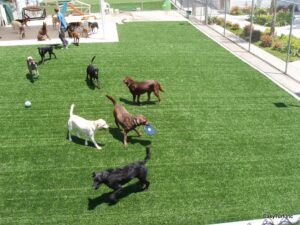
The benefits of synthetic grass for dogs include a safe, durable surface that resists wear and tear, excellent drainage to prevent muddy paws, and low maintenance requirements, making it an ideal choice for pet owners.
What is the best maintenance for synthetic grass?
The best maintenance for synthetic grass involves regular brushing to keep the blades upright, rinsing to remove debris and odors, and checking for any damage. Additionally, using infill can help maintain its appearance and durability.
How durable is synthetic grass for pets?
The durability of synthetic grass for pets is exceptional, designed to withstand heavy foot traffic and rough play. High-quality turf can last 15-25 years, making it a reliable choice for pet owners seeking a long-lasting solution.
Can synthetic grass withstand heavy dog use?
Synthetic grass can withstand heavy dog use due to its durable construction and resilient materials. It is designed to handle the wear and tear from active pets while maintaining its appearance and functionality.
What are the top brands of synthetic grass?
The top brands of synthetic grass include Artificial Turf Express, SynLawn, and PetGrass, known for their durability, realistic appearance, and pet-friendly features that cater specifically to dog owners.
How does drainage work in synthetic grass?
The drainage in synthetic grass works by allowing water to flow through its permeable backing and into a well-designed base layer. This ensures quick absorption and prevents water pooling, keeping the surface dry and suitable for pets.
Is synthetic grass safe for my dog?
Synthetic grass is safe for your dog. It is made from non-toxic materials, designed to be durable and easy to clean, ensuring a safe play area for your pet while providing excellent drainage and comfort.
What is the installation process for synthetic grass?
The installation process for synthetic grass involves several key steps: preparing the ground, laying a base material, installing the turf, securing it, and finally, infilling with sand or rubber to enhance durability and drainage.
How does synthetic grass compare to natural grass?
Synthetic grass offers several advantages over natural grass, including lower maintenance, improved durability, and better drainage. While natural grass requires regular mowing and watering, synthetic options provide a consistent, lush appearance without the upkeep.
What are the costs associated with synthetic grass?
The costs associated with synthetic grass include the price of materials, installation fees, and ongoing maintenance. Typically, the total investment varies based on the quality and size of the area being covered.
How long does synthetic grass last?
The lifespan of synthetic grass typically ranges from 15 to 25 years, depending on factors such as quality, usage, and maintenance. Proper care can extend its durability, making it a long-lasting investment for pet owners.
Can synthetic grass be used in all climates?
Synthetic grass can be used in all climates. It is designed to withstand extreme temperatures, heavy rainfall, and drought conditions, making it a versatile option for various environmental settings.
What are the environmental benefits of synthetic grass?
The environmental benefits of synthetic grass include reduced water usage, elimination of harmful pesticides and fertilizers, and decreased carbon emissions from lawn maintenance equipment. This makes synthetic turf a sustainable choice for eco-conscious pet owners.
How do I clean synthetic grass for dogs?
Cleaning synthetic grass for dogs involves regularly removing debris and using a mixture of water and mild detergent to rinse away any odors or stains. For solid waste, pick it up promptly and hose down the area to maintain hygiene.
What colors are available for synthetic grass?
The available colors for synthetic grass include various shades of green, from light to dark, as well as options that mimic natural grass blends with brown or tan fibers for a more realistic appearance.
How does synthetic grass affect pet odors?
Synthetic grass can significantly reduce pet odors by featuring effective drainage systems that allow urine to flow through easily, preventing buildup. Additionally, many synthetic grass options are designed with antimicrobial properties to minimize odor retention, keeping your outdoor space fresh.
Can I install synthetic grass myself?
Installing synthetic grass yourself is possible with the right tools and guidance. However, ensure you follow proper installation techniques to achieve the best results for your pet-friendly space.
What are the best types of synthetic grass for dogs?
The best types of synthetic grass for dogs are those with excellent drainage, realistic blade length, and durability. Look for options specifically designed for pet use, ensuring they can withstand wear and tear while providing a safe, comfortable surface for your furry friends.
How does synthetic grass handle extreme weather?
Synthetic grass is designed to withstand extreme weather conditions, including intense heat, heavy rain, and freezing temperatures. Its durable materials resist fading, warping, and damage, ensuring a reliable surface for pets year-round.
What are common issues with synthetic grass?
Common issues with synthetic grass include inadequate drainage, fading from UV exposure, and potential heat retention. Additionally, improper installation can lead to uneven surfaces and maintenance challenges, particularly for pet owners.
How can I choose the right synthetic grass?
Choosing the right synthetic grass involves considering factors such as drainage capabilities, blade length, and durability to ensure it meets your pet's needs. Evaluate these features to find the best option for your furry friend.
What is the warranty on synthetic grass products?
The warranty on synthetic grass products varies by manufacturer but typically ranges from 8 to 15 years, covering issues like fading, deterioration, and excessive wear. Always check specific product details for exact warranty terms.
How does synthetic grass impact my property value?
The impact of synthetic grass on property value is significant. Installing high-quality synthetic turf can enhance curb appeal, reduce maintenance costs, and attract potential buyers, ultimately increasing your property's market value.
What are the differences between types of synthetic grass?
The differences between types of synthetic grass include variations in blade length, density, material composition, and drainage capabilities. These factors influence durability, appearance, and suitability for pets, making it essential to choose the right type for your specific needs.
How can I ensure my dog enjoys synthetic grass?
To ensure your dog enjoys synthetic grass, choose a high-quality turf with a soft texture and proper drainage, and introduce it gradually while providing familiar scents and toys to create a welcoming environment.
What are the best practices for synthetic grass care?
The best practices for synthetic grass care include regular brushing to maintain blade uprightness, rinsing to remove debris and odors, and addressing any pet waste promptly to keep the turf clean and fresh.
How does synthetic grass help with pet hygiene?
Synthetic grass enhances pet hygiene by providing a clean, easily washable surface that minimizes odors and bacteria. Its superior drainage system allows for quick drying, reducing the risk of muddy paws and maintaining a healthier environment for your pets.
What should I know before buying synthetic grass?
Before buying synthetic grass, it's essential to consider factors such as drainage capabilities, blade length, and maintenance requirements to ensure it meets your needs, especially for your pets.