

Artificial Grass
How to Calculate HydroChill Infill for Artificial Grass
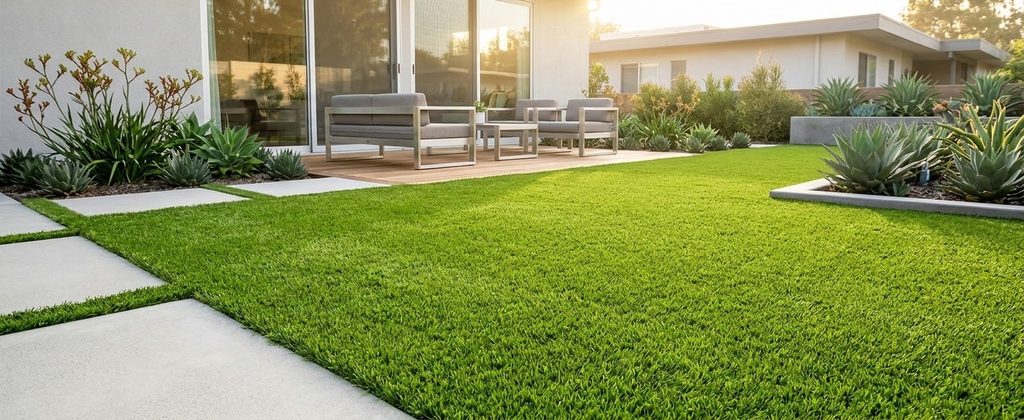
To calculate HydroChill infill, multiply your finished turf area (in square feet) by your turf’s recommended infill rate (pounds per square foot), then divide by 50 to get the number of 50-pound bags. Round up to the next full bag. For example, 500 square feet of turf at 2 pounds per square foot needs 1,000…
Read MoreCoronado Platinum Artificial Grass: Is It Right for You?
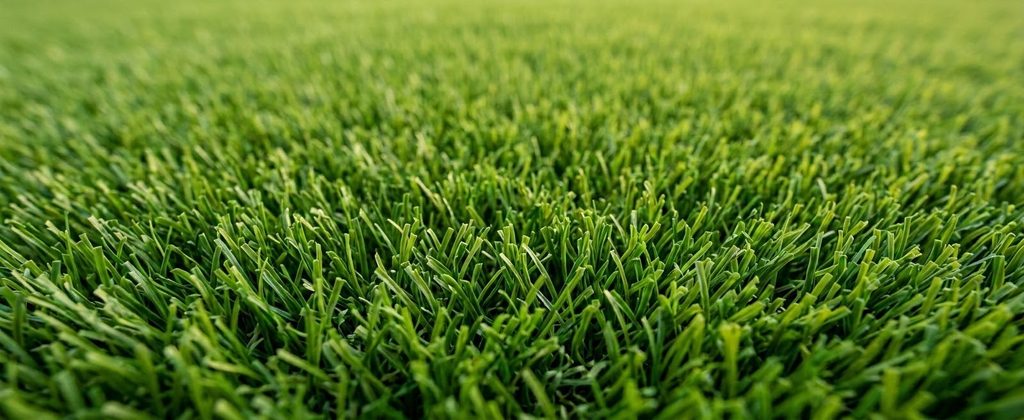
Coronado Platinum is a dense, 2-inch landscape turf with a 100 oz face weight, S-shaped blades, and a two-tone green color, designed for lawns and pet areas rather than sports fields. It suits homeowners who want a full, soft lawn that looks natural up close. Artificial Turf Express stocks Coronado Platinum in San Jose, ready…
Read MoreHow to Choose Artificial Grass for Large Dogs in the Bay Area
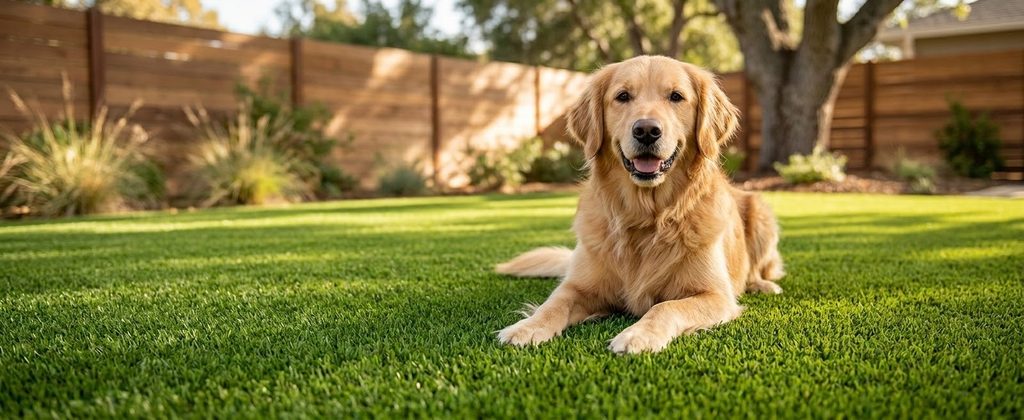
The best artificial grass for large dogs has a dense, durable polyethylene fiber, a short pile that is easy to clean, and a flow-through backing that drains urine fast. Big dogs weigh more, produce more urine per visit, and wear the same paths day after day, so turf that works for a small dog can…
Read MoreHow to Fix Visible Seams on Artificial Grass
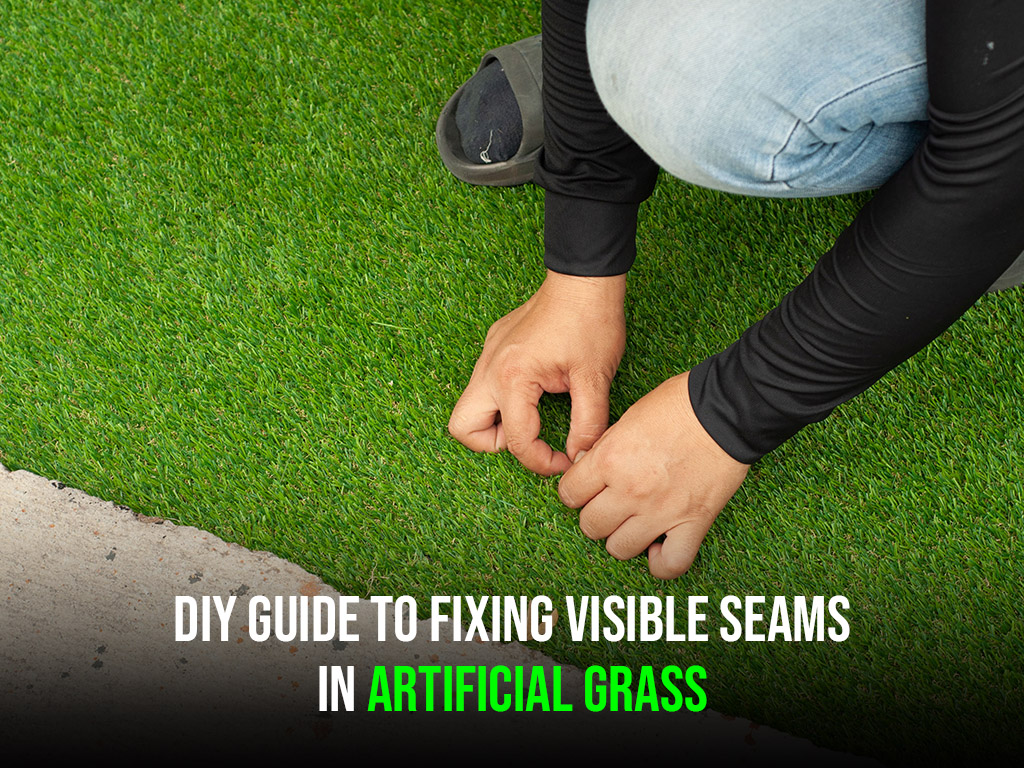
A visible seam can make an otherwise great artificial lawn look fake from across the yard. A seam that’s separating or a tear in the turf is worse: it’s a trip hazard, it lets weeds and debris in, and it gets bigger over time. The good news is that most seam and tear problems are…
Read MoreFall Artificial Grass Maintenance: How to Remove Leaves, Debris, and Sap
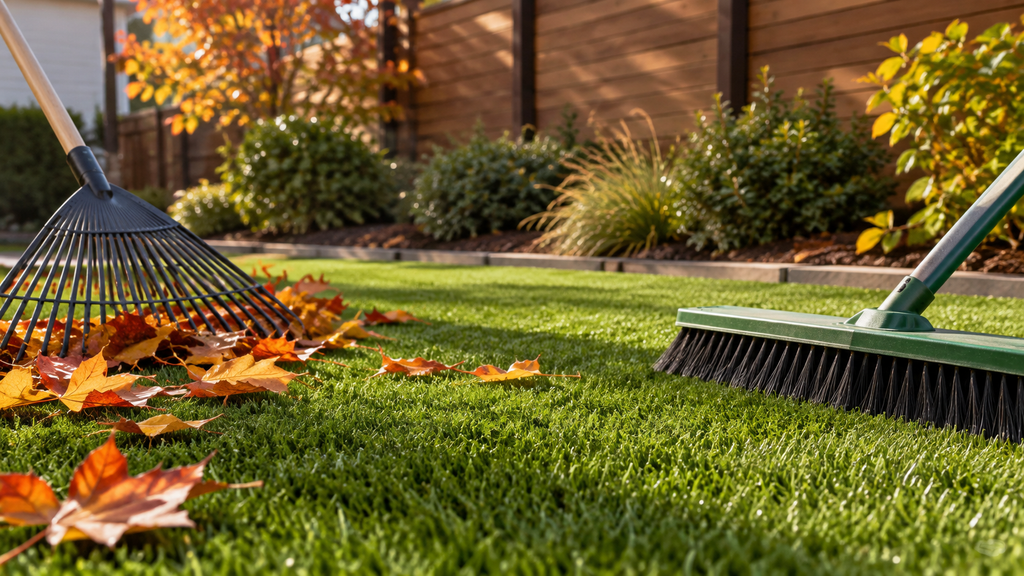
Fall artificial grass maintenance requires four core tasks: removing fallen leaves and debris before they trap moisture and rinsing away summer allergens. Dusting, addressing tree sap promptly before it hardens and bonds with debris, and reblooming fibers matted from heavy summer use. We recommend completing these steps before winter weather sets in to protect drainage…
Read MorePremium Artificial Grass vs. Standard Turf: Comprehensive Comparison for Landscaping Choices
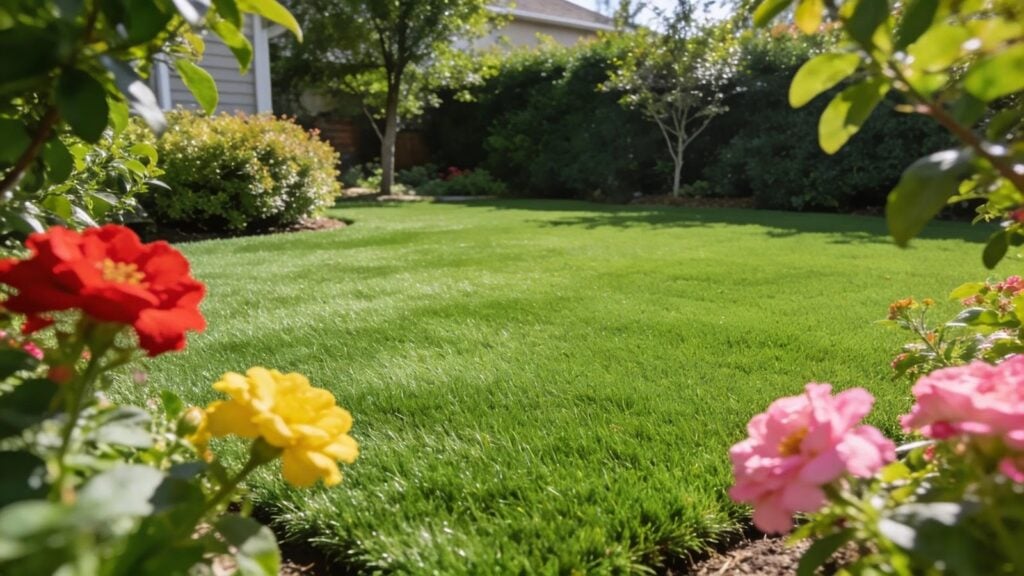
Choosing between premium artificial grass and standard turf affects both appearance and function. This guide compares quality, durability, and maintenance requirements so homeowners and landscapers can select the turf that meets their performance and aesthetic objectives. We summarise core material differences and practical factors that determine the right turf for each project. Maintaining natural grass…
Read MoreHow to Clean Artificial Grass at Home in San Jose: What Homeowners Should Know

This guide presents practical maintenance methods for synthetic turf tailored to San Jose homeowners. It explains cleaning techniques, routine schedules, and product guidance that preserve appearance and performance. With the right methods, you can address common issues such as stains and odors while protecting the turf’s functional properties. San Jose’s local climate affects how often…
Read MoreHigh-Pile Artificial Grass in San Jose: Why Realistic Turf Is Worth the Upgrade

Homeowners and landscapers in San Jose increasingly choose high-pile artificial grass for its balance of visual realism and technical performance. This article outlines the practical advantages of high-pile turf—how its construction impacts appearance, maintenance burden, and environmental footprint—so buyers can make informed choices that suit local climate and landscaping objectives. Aesthetics: High-pile artificial grass delivers…
Read MoreTypes of Landscape Artificial Grass: A Homeowner’s Guide to Choosing the Right Style
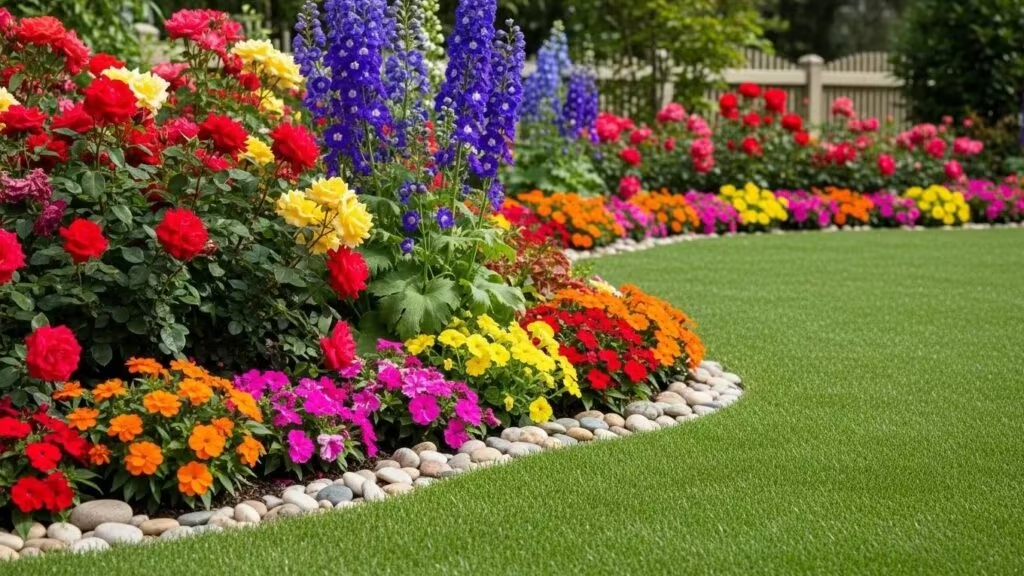
Choosing the right artificial grass affects both how your yard looks and how it performs. This guide helps homeowners compare available styles and select the best option for specific needs. As synthetic turf becomes more common, you should understand key differences in quality and construction. Many homeowners find the choices overwhelming; this article breaks down…
Read MoreHow San Jose Homeowners Combine Native Plants with Synthetic Landscape Elements

San Jose homeowners are increasingly pairing native plants with synthetic landscape elements to create low‑maintenance, water‑efficient yards. Integrating drought‑tolerant native species with artificial turf preserves aesthetic value while lowering irrigation demand and supporting local wildlife. Below, we examine the technical and practical benefits of synthetic turf, identify compatible native species, outline design strategies and installation…
Read More
