Frequently Asked Questions
How can I choose the right artificial turf for my landscaping project?
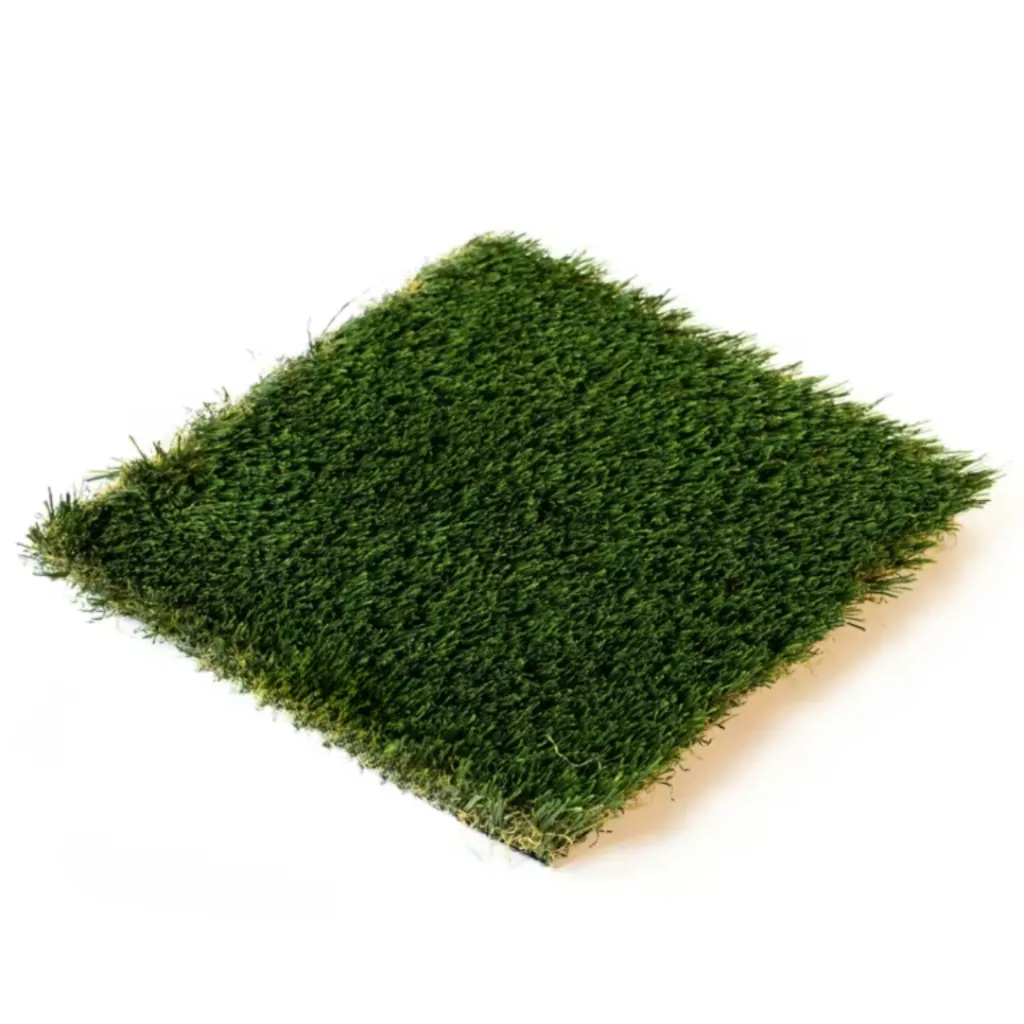
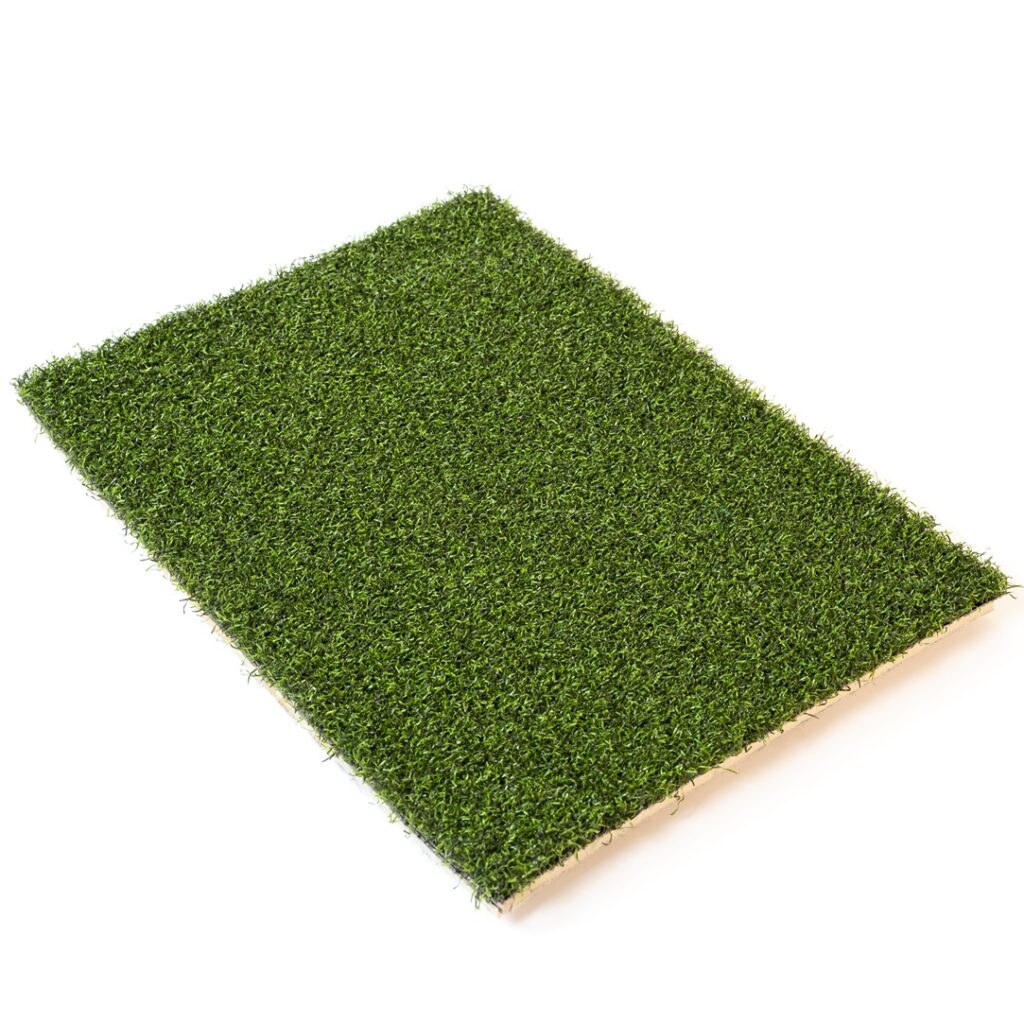
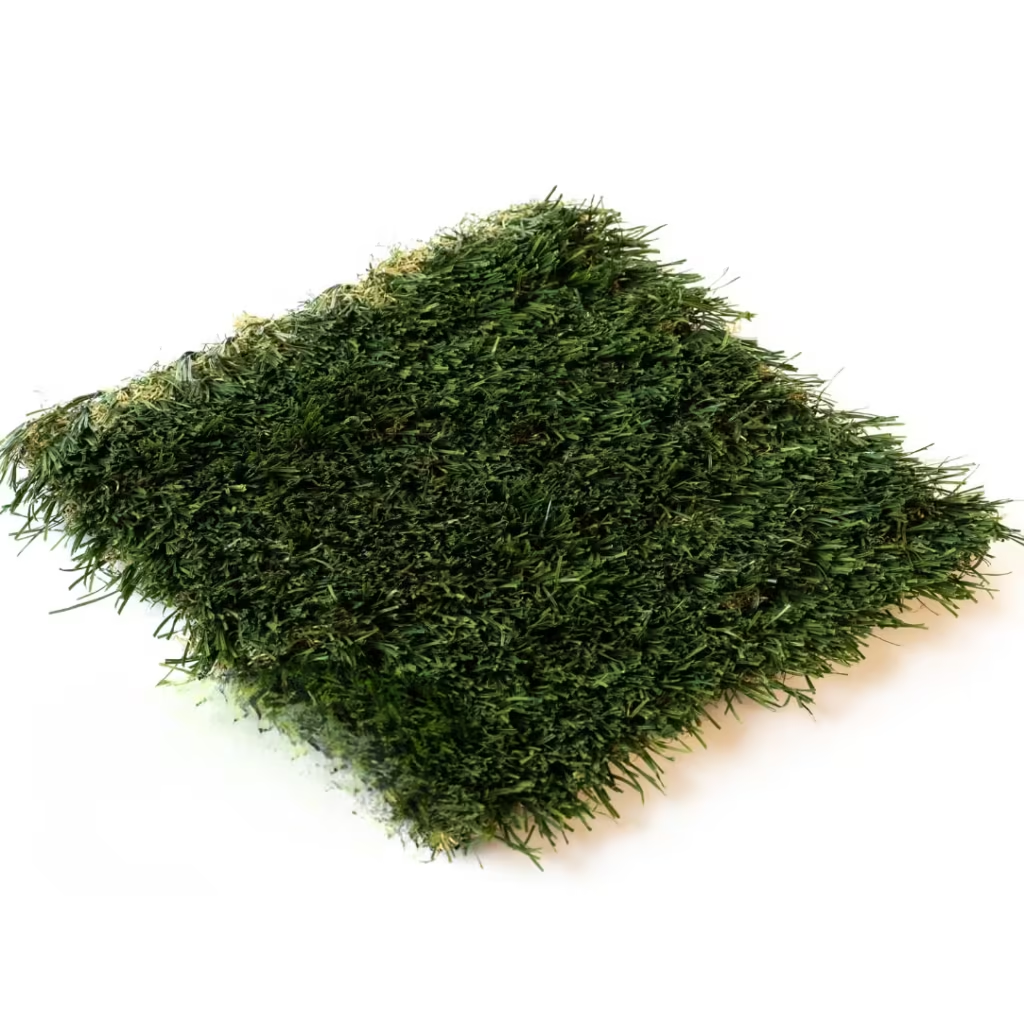
Choosing the right artificial turf for your landscaping project involves considering its intended use, desired look, and maintenance needs.
What are the benefits of using artificial grass for pets?
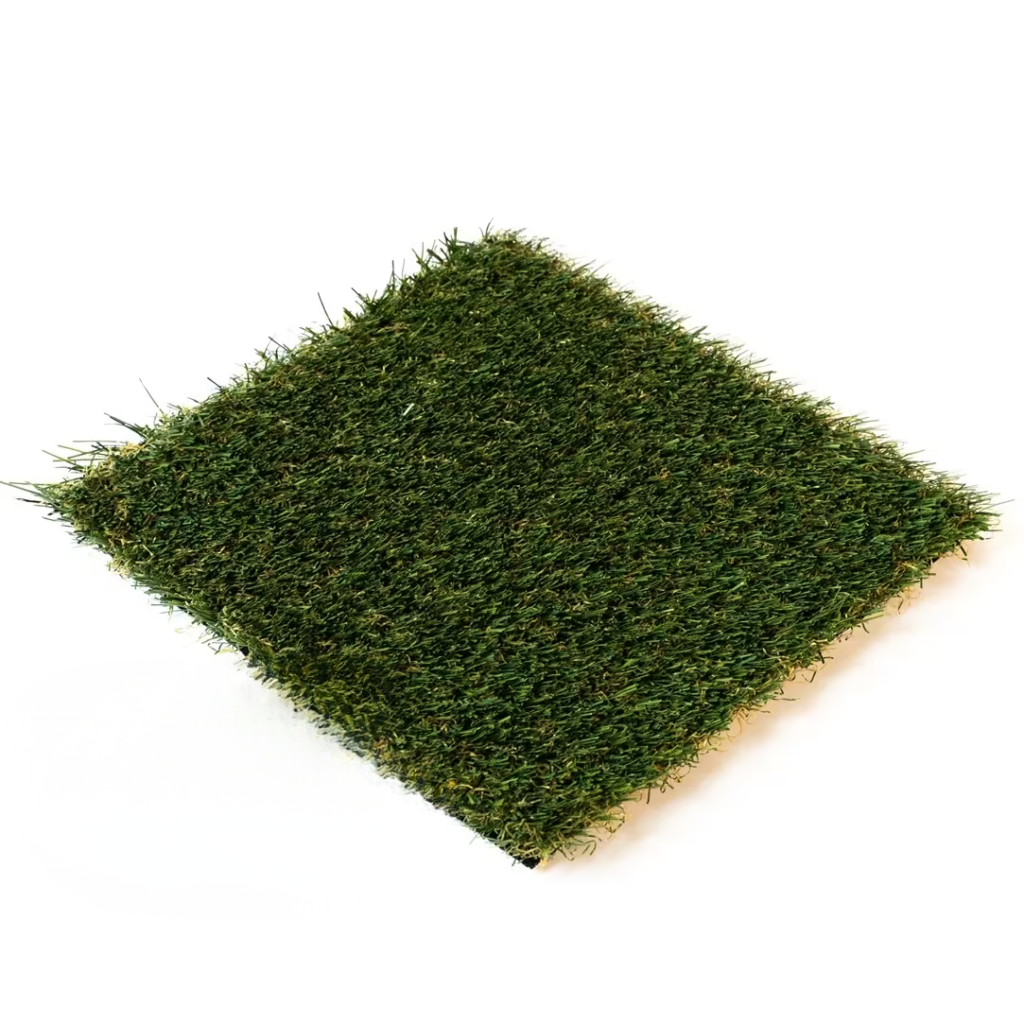
The benefits of using artificial grass for pets include a cleaner yard, reduced mud and mess, and a durable, low-maintenance surface that withstands frequent use.
What types of artificial turf products are available for recreational use?
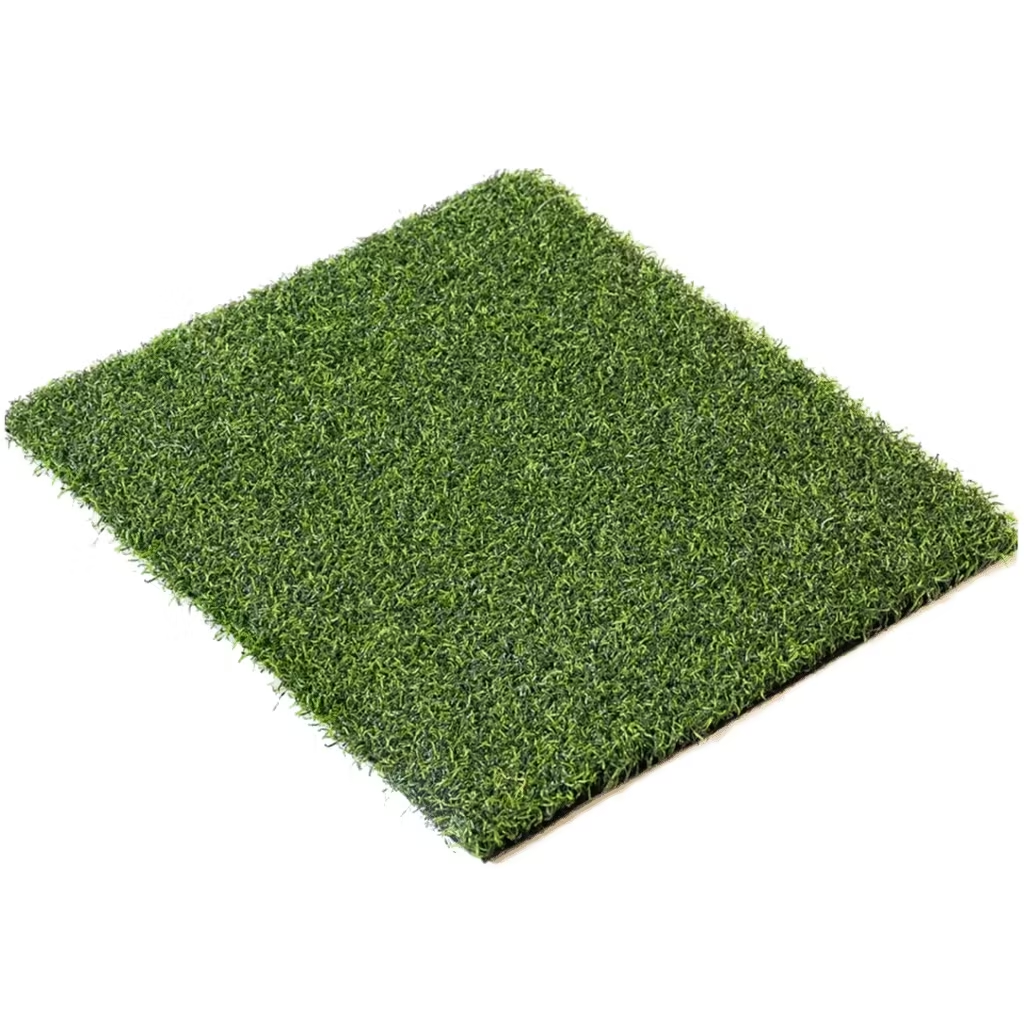
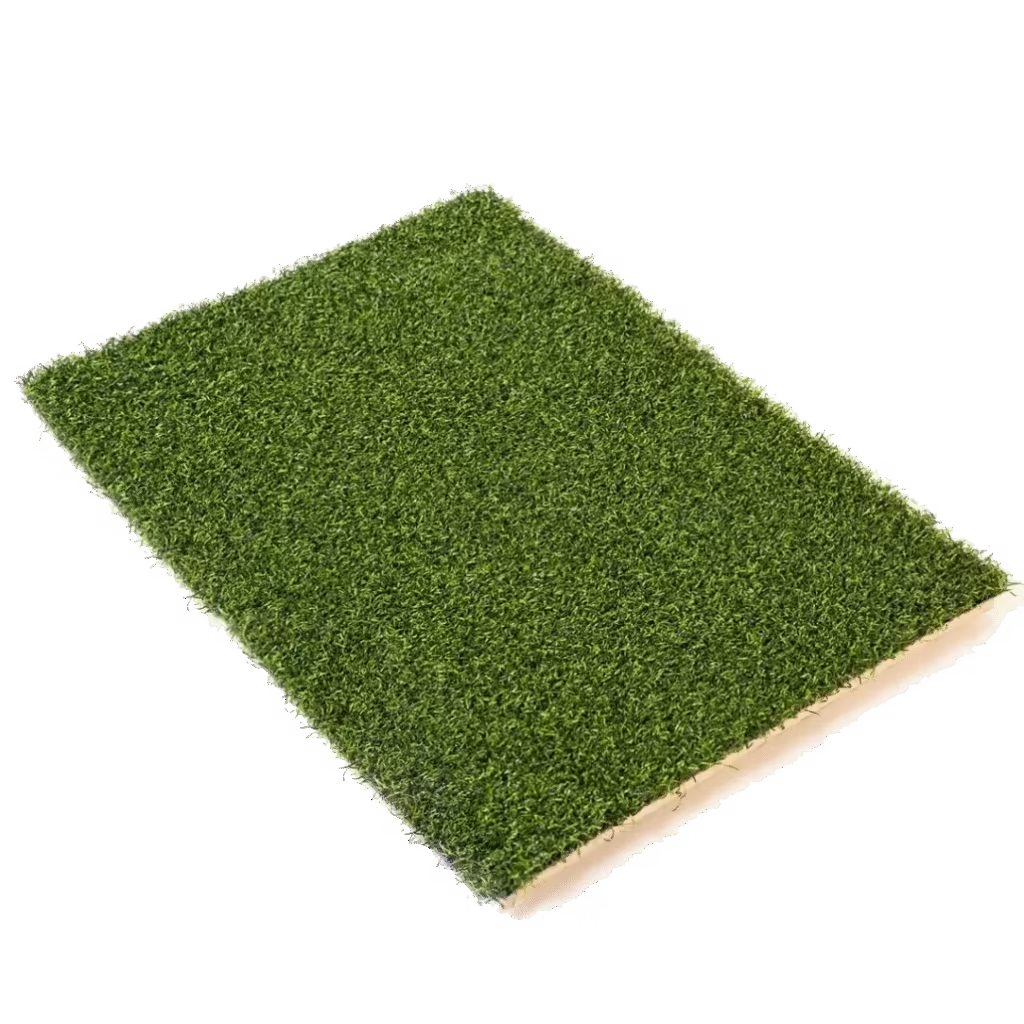
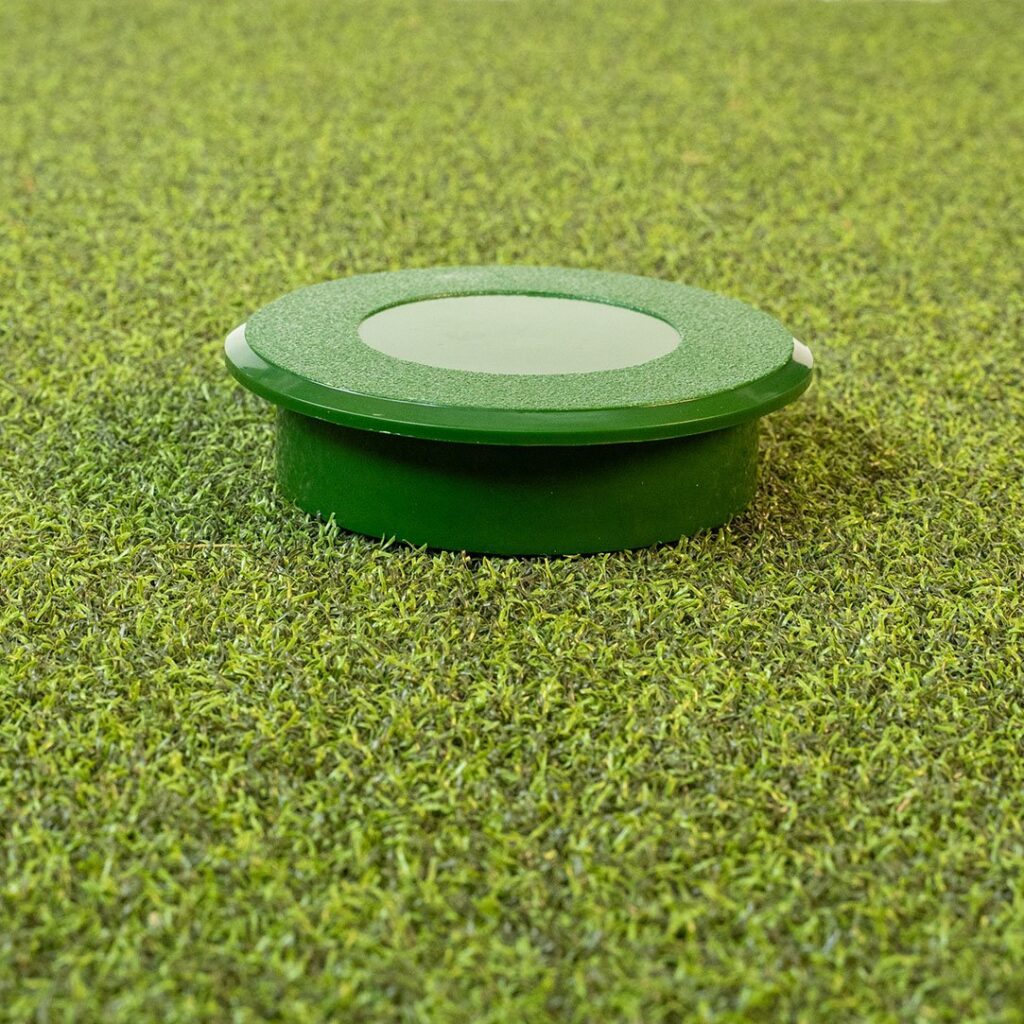
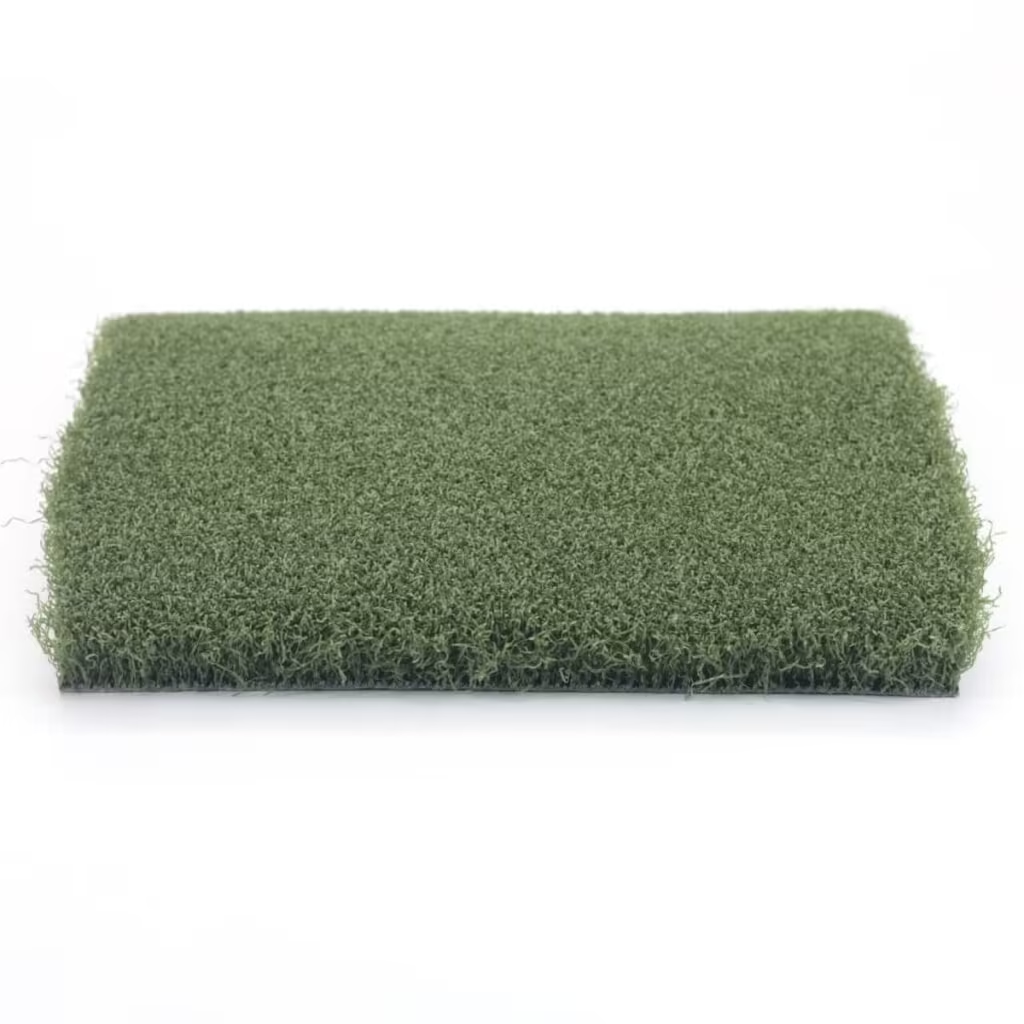
Artificial turf products available for recreational use include putting greens, sports fields, and playgrounds, offering durable and low-maintenance surfaces for various activities.
How do I install artificial turf in my backyard?
Installing artificial turf in your backyard involves preparing the base, laying the turf, and securing it. For detailed steps, explore our installation guides.
What accessories do I need for maintaining artificial turf?
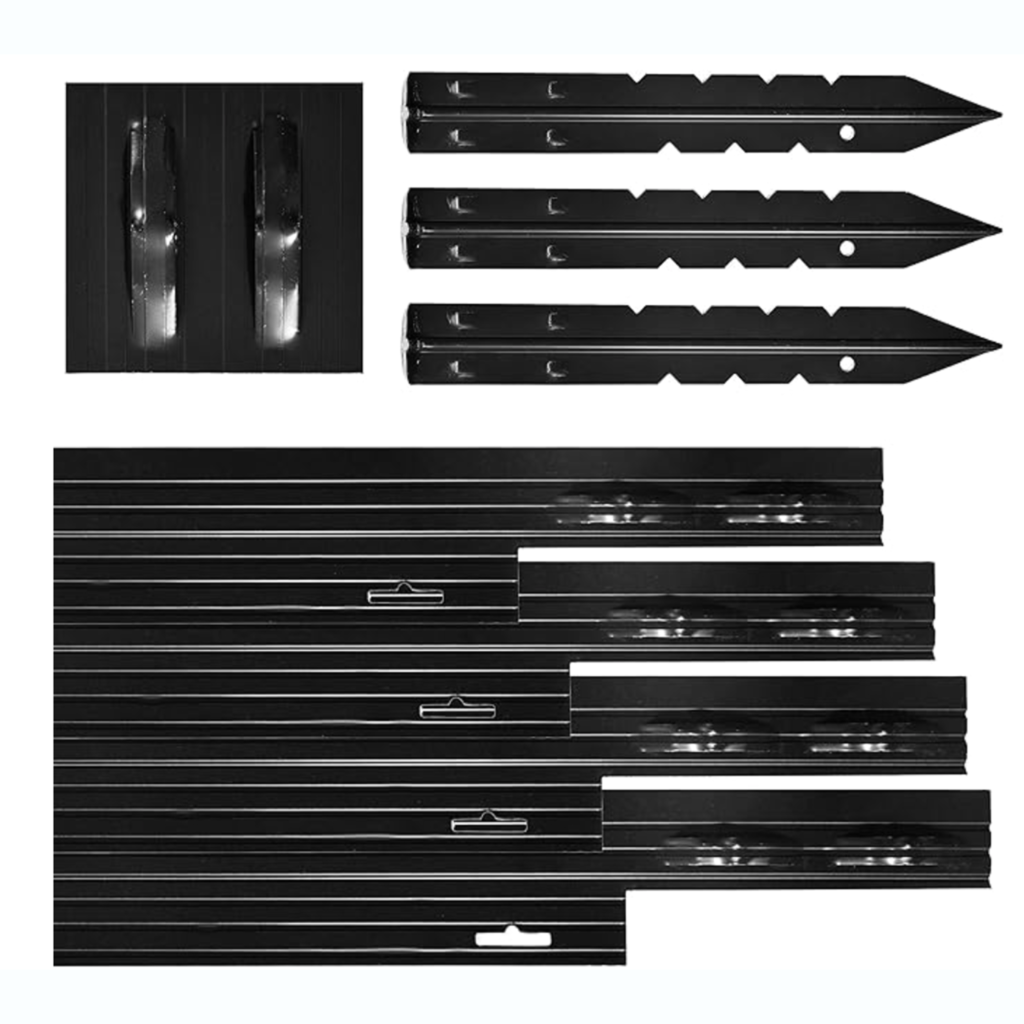
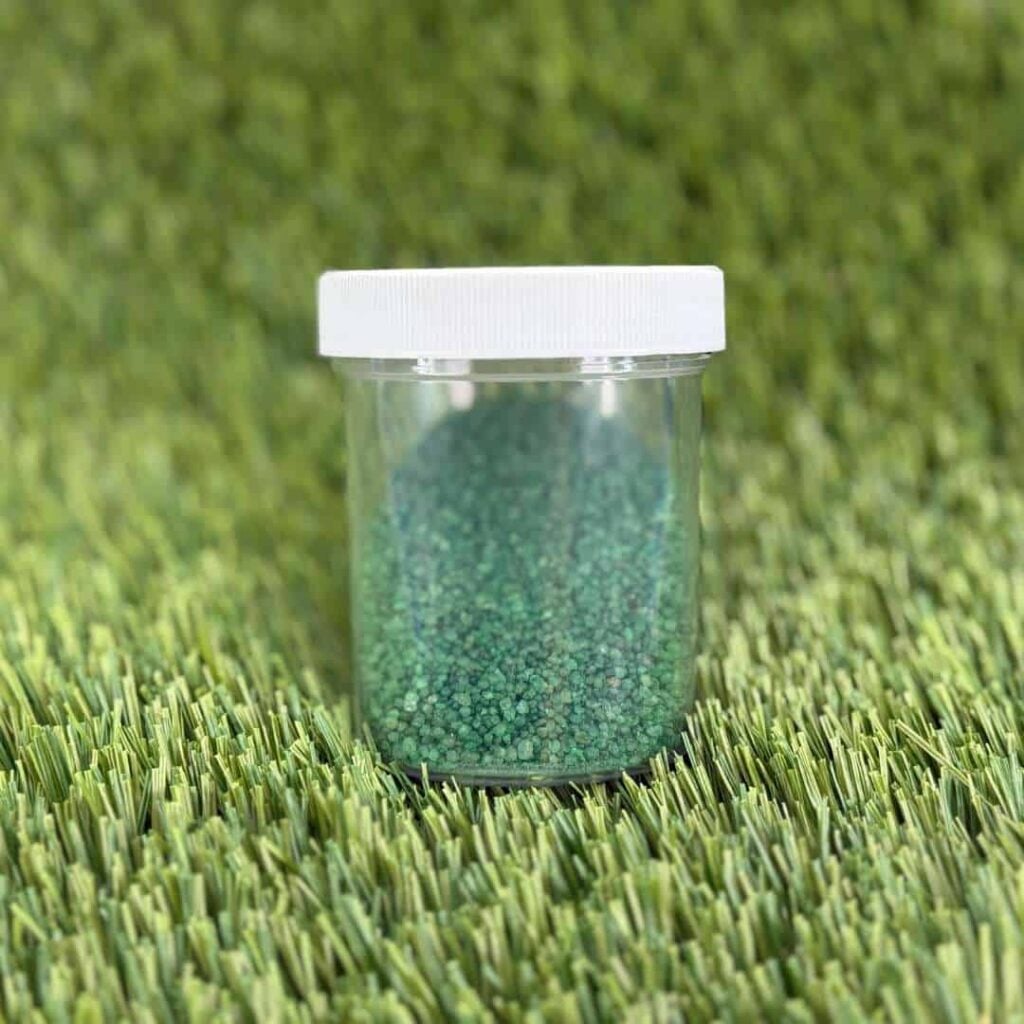
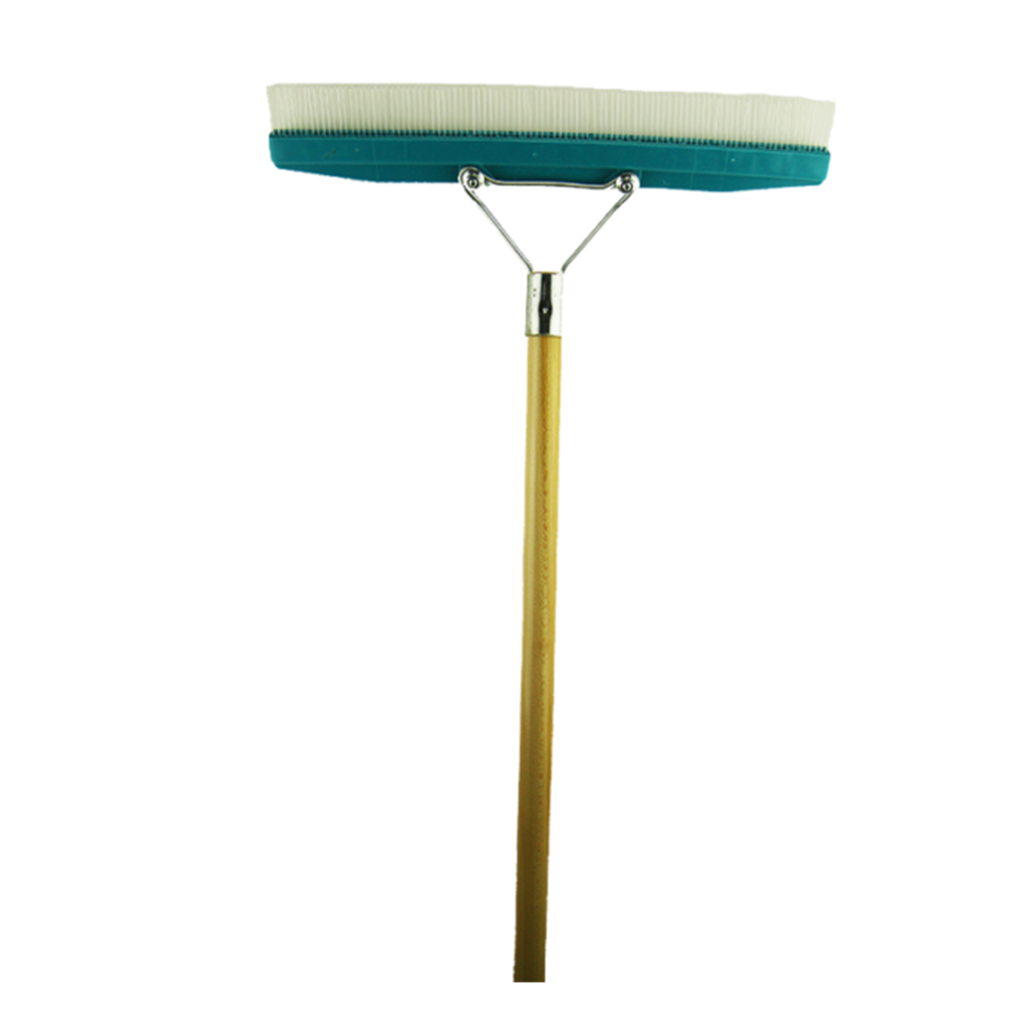
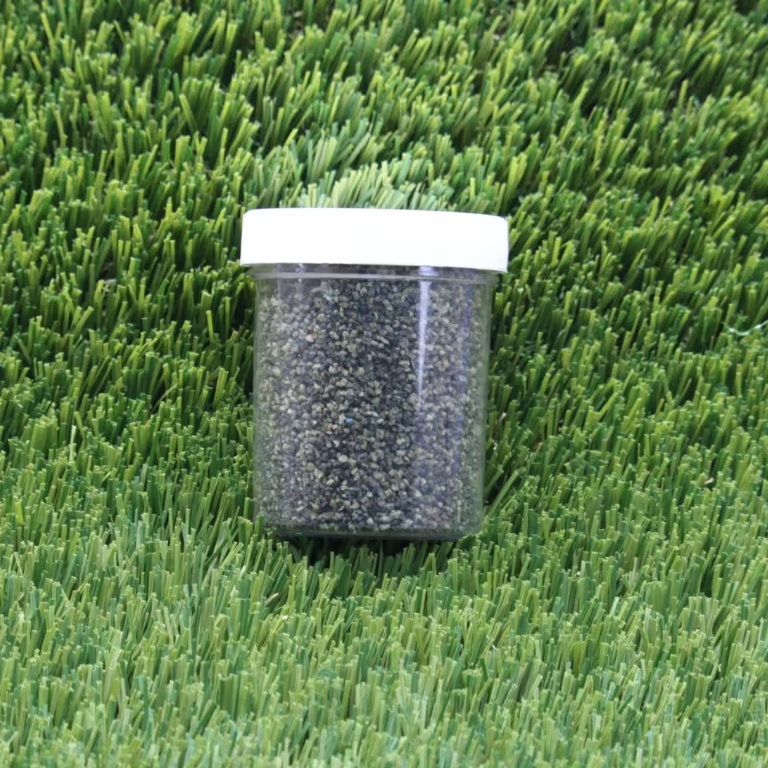
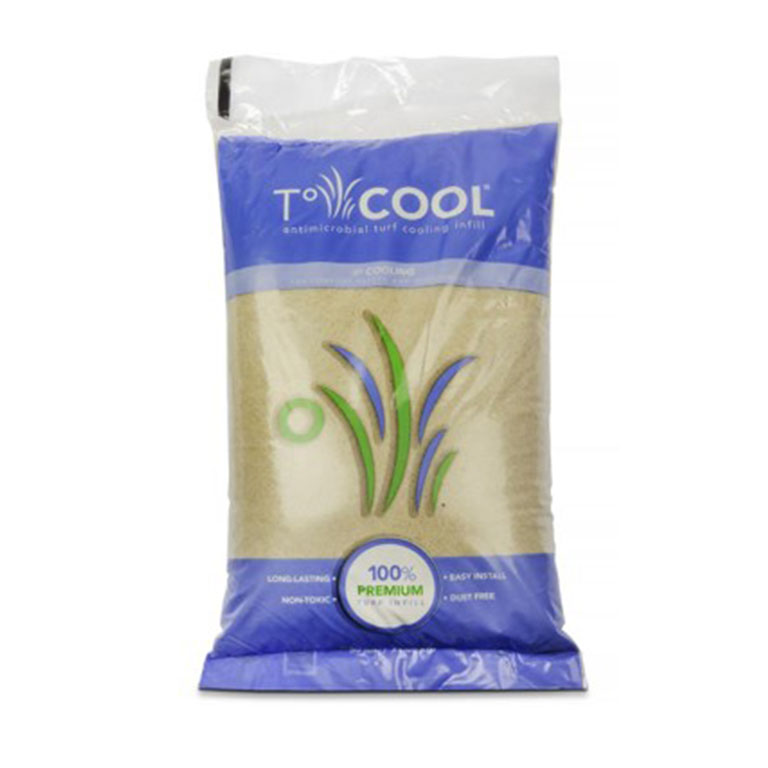
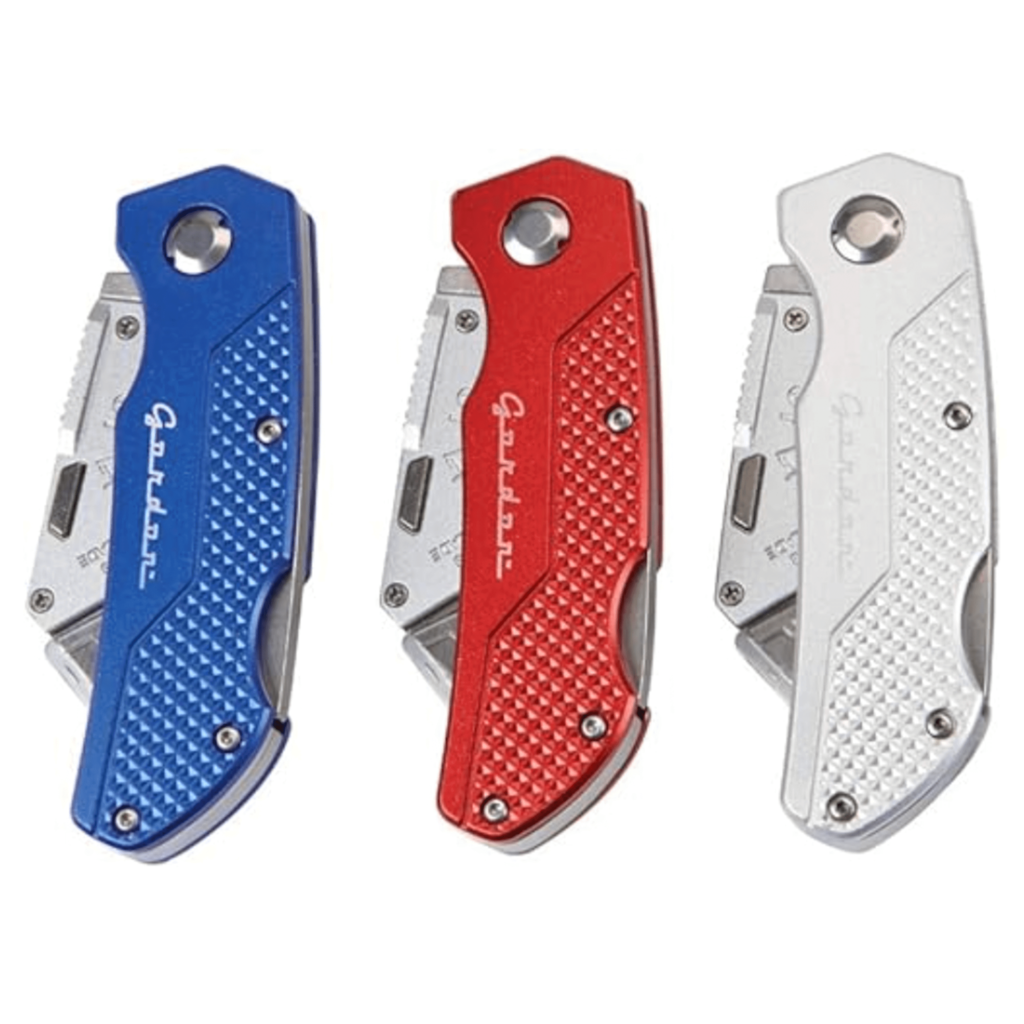
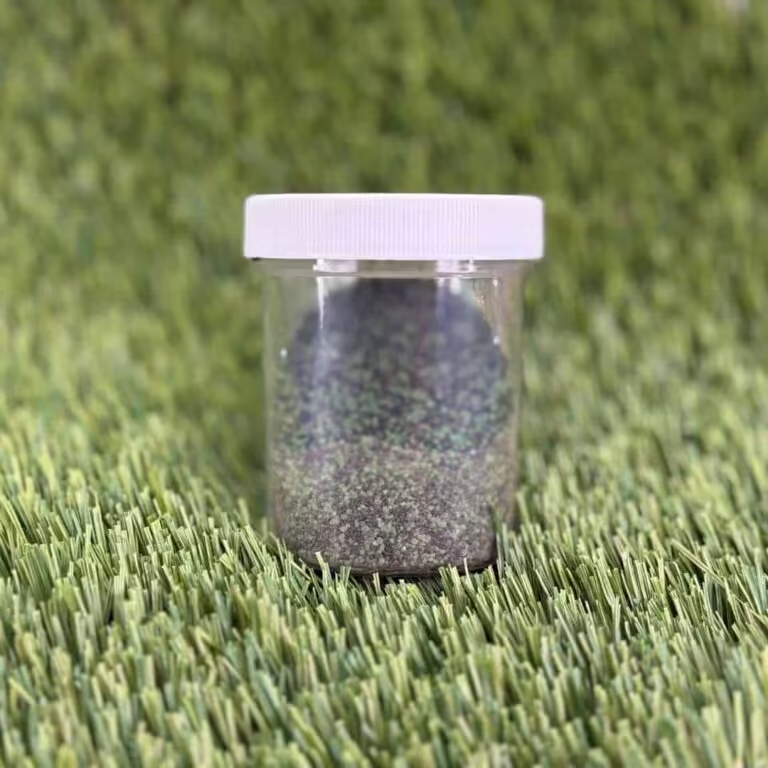
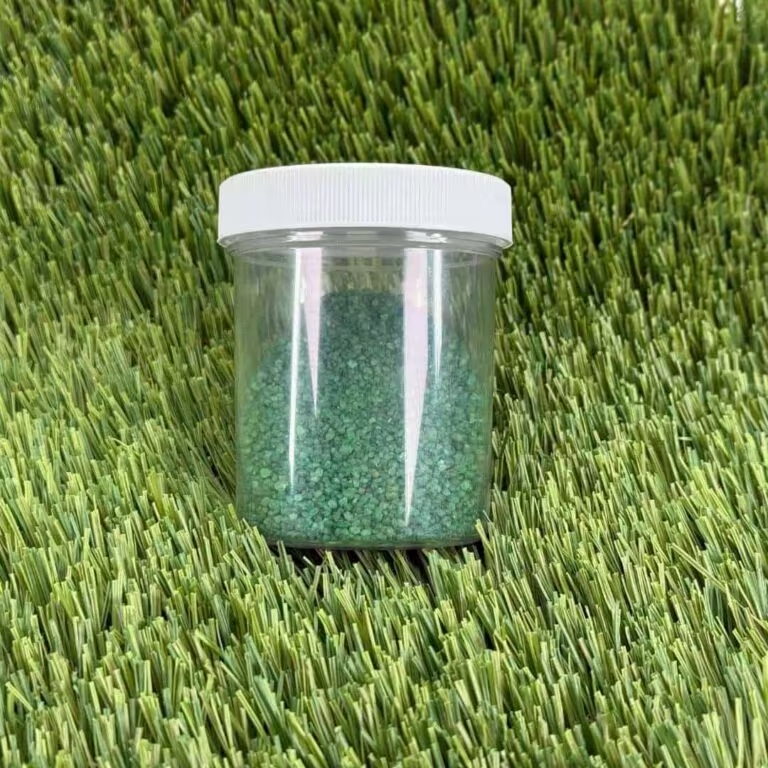
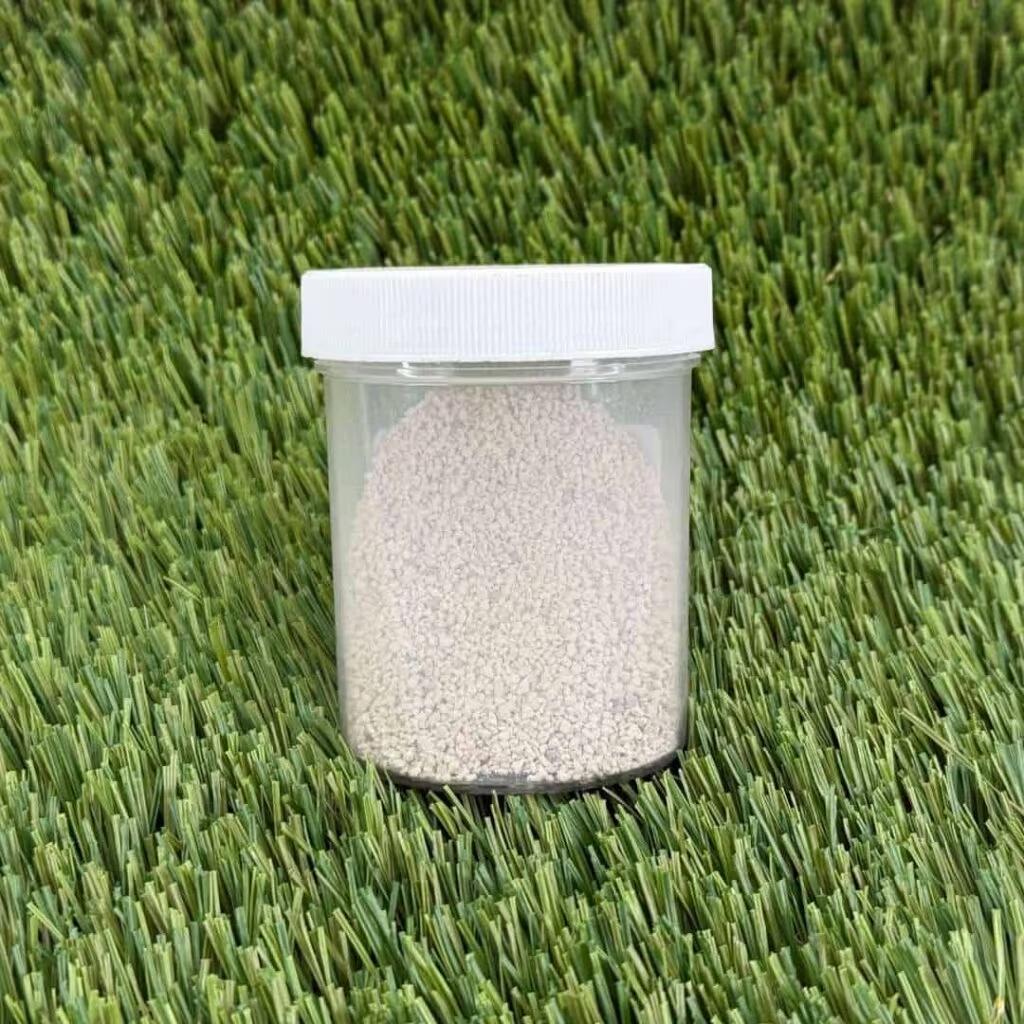
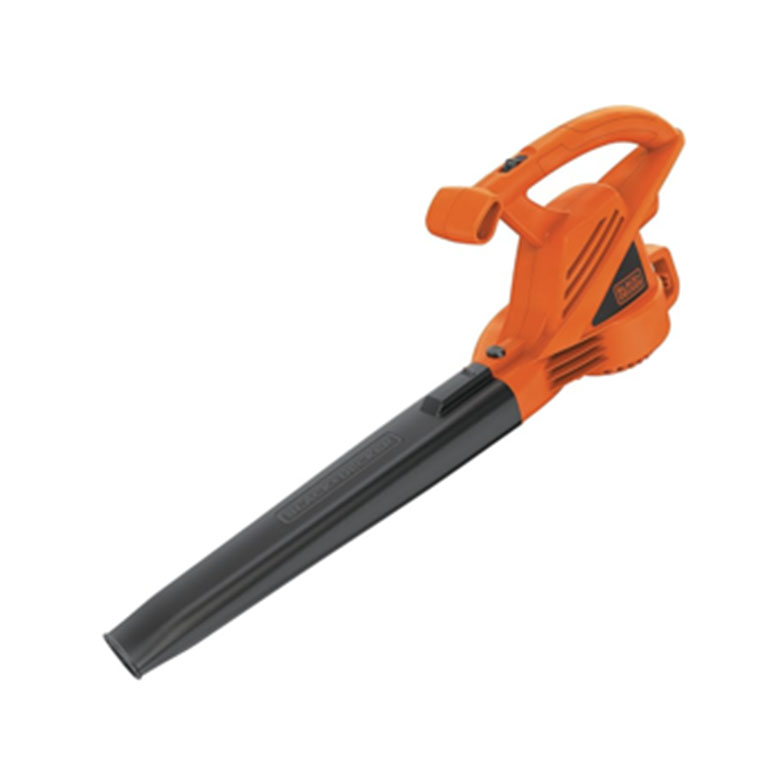
To maintain your artificial turf, you'll need a stiff-bristled brush for lifting fibers, a leaf blower for debris, and potentially a specialized infill for longevity.
What factors to consider when selecting artificial turf?
When selecting artificial turf, consider intended use, desired look, durability, and budget to ensure the best fit for your landscaping needs.
How does artificial grass benefit pet owners?
Artificial grass benefits pet owners by providing a durable, low-maintenance surface that is easy to clean, odor-resistant, and eliminates muddy paws and bare spots.
What types of artificial turf are best for sports?
For sports, artificial turf with a shorter pile height and dense thatch is ideal for optimal ball roll and player traction.
Can artificial turf be installed over existing grass?
Yes, artificial turf can be installed over existing grass. It's recommended to remove the grass first for optimal drainage and a level surface.
What maintenance is required for artificial turf?
Artificial turf requires minimal maintenance. Regular brushing to lift fibers and occasional rinsing to remove debris is usually sufficient.
How long does artificial turf last?
Artificial turf can last 15-25 years. Quality installation and maintenance significantly impact its lifespan, ensuring durability for your landscape or recreational needs.
What are the environmental benefits of artificial grass?
Artificial grass offers environmental benefits by eliminating the need for water, pesticides, and fertilizers, reducing lawn maintenance and promoting water conservation.
How to choose the right turf color?
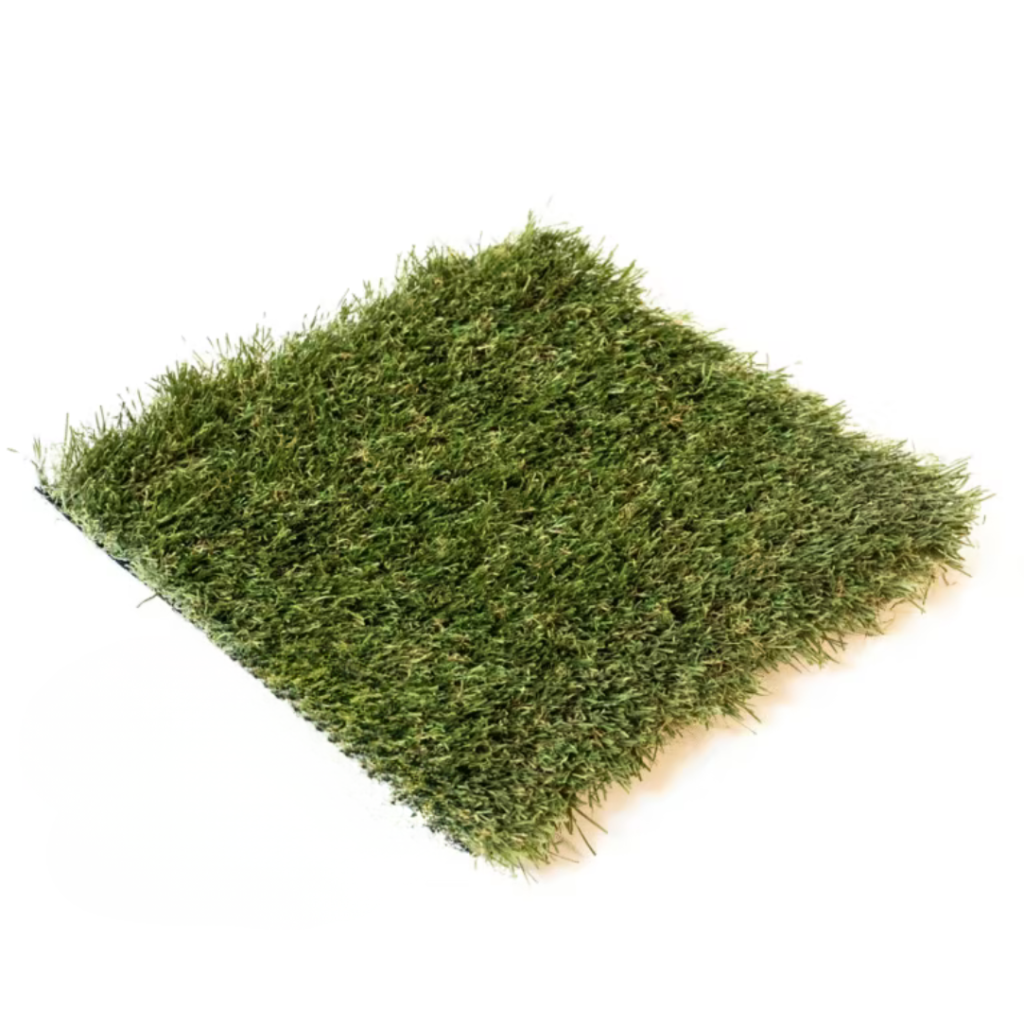
Choosing the right turf color involves considering your surroundings and desired aesthetic. Match existing landscape tones or opt for a vibrant green for a fresh look.
What is the cost of installing artificial turf?
The cost of installing artificial turf varies based on turf type, project size, and installation complexity.
Are there different types of artificial grass textures?
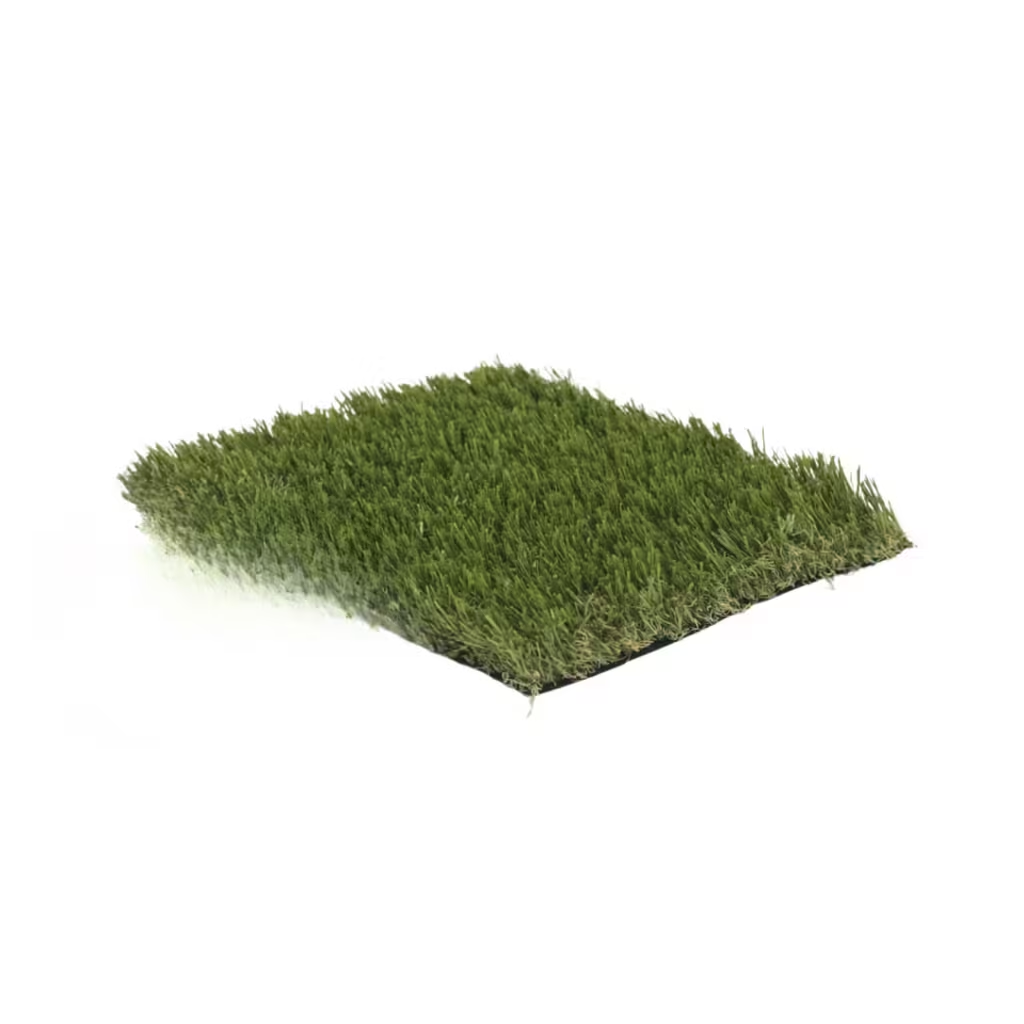
Yes, artificial grass textures vary. Options range from soft, natural-feel blades to denser, more durable textures suitable for high-traffic areas and pets.
How to clean artificial turf effectively?
Cleaning artificial turf effectively involves regular sweeping to remove debris and occasional rinsing with water. For tougher stains, a mild soap solution can be used.
What are the best uses for artificial turf?
The best uses for artificial turf are diverse, including landscaping, pet areas, sports fields, and putting greens, offering low maintenance and consistent aesthetics for any application.
How does artificial turf affect drainage?
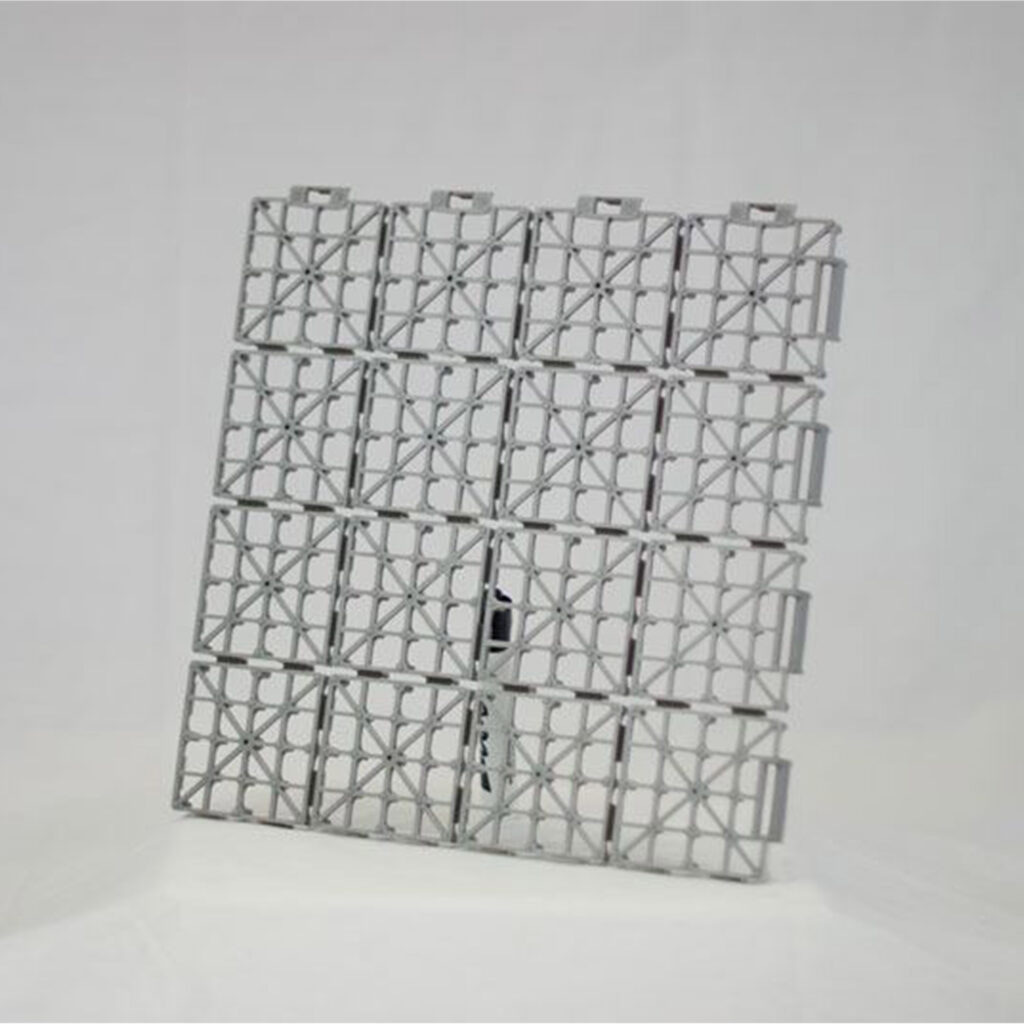
Artificial turf drainage depends on the backing and base. Proper installation with adequate drainage systems ensures water passes through efficiently, preventing pooling and maintaining turf longevity.
What warranties are available for artificial turf products?
Warranties for artificial turf products vary by product type and manufacturer, typically covering fading, wear, and manufacturing defects for several years.
Can artificial turf be recycled?
Artificial turf can be recycled, though it requires specialized facilities. Many manufacturers are developing recycling programs for old turf.
What are the safety features of artificial grass?
Artificial grass offers several safety features, including lead-free materials and shock-absorbent infill options, ensuring a safe playing surface for children and pets.
How to prevent weeds in artificial turf?
Preventing weeds in artificial turf involves regular brushing and using a weed killer spray around the edges. This ensures your turf remains pristine and weed-free.
What is the installation process for artificial turf?
The installation process for artificial turf involves site preparation, base installation, turf laying, and infill application.
How does artificial turf compare to natural grass?
Artificial turf offers a low-maintenance, durable alternative to natural grass, requiring no mowing, watering, or fertilizing, and remaining green year-round.
What accessories enhance artificial turf performance?
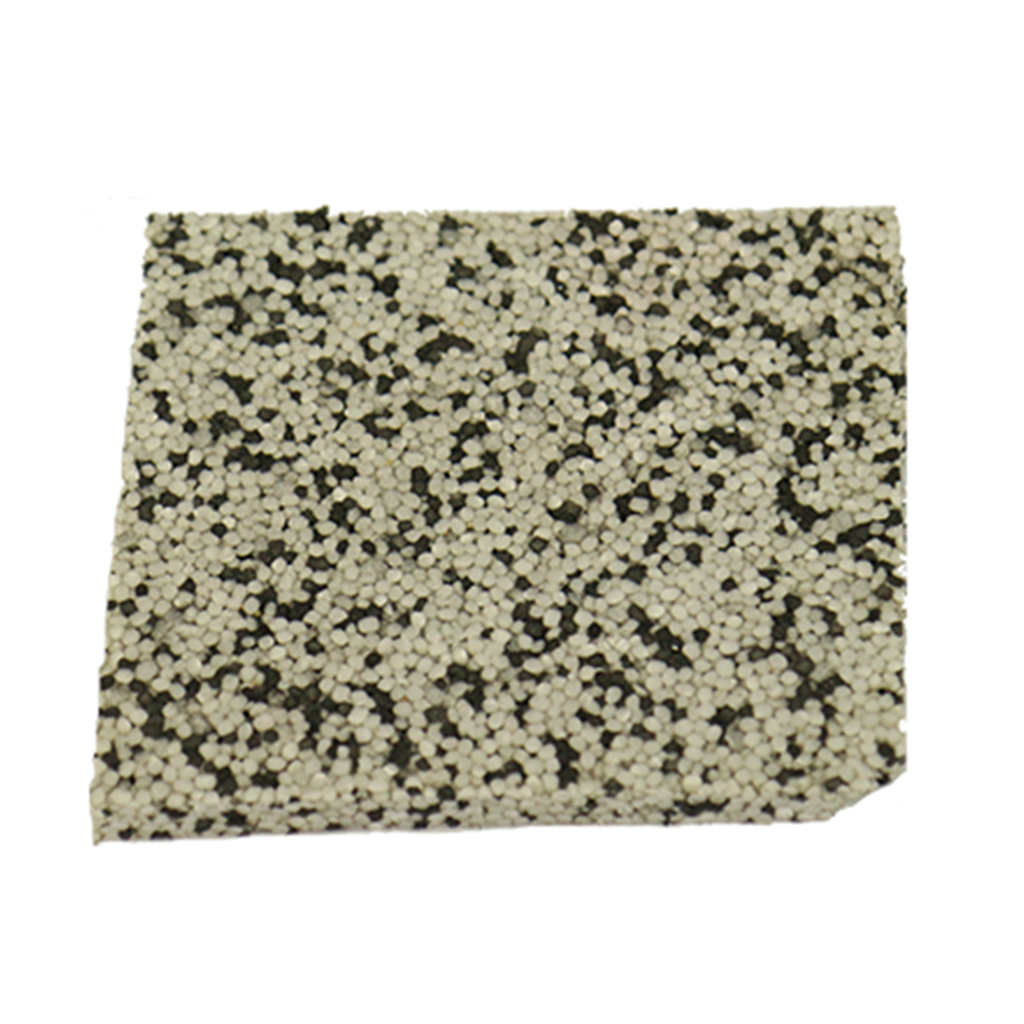
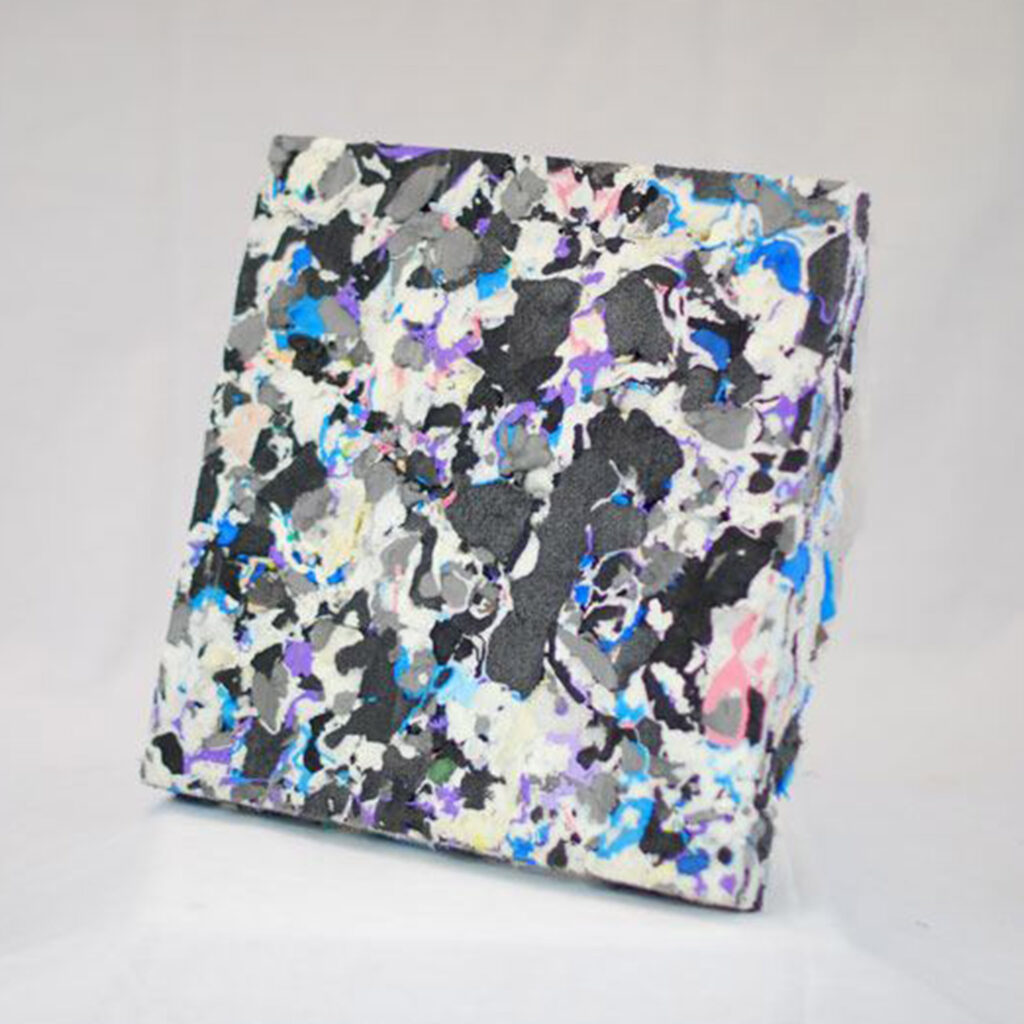
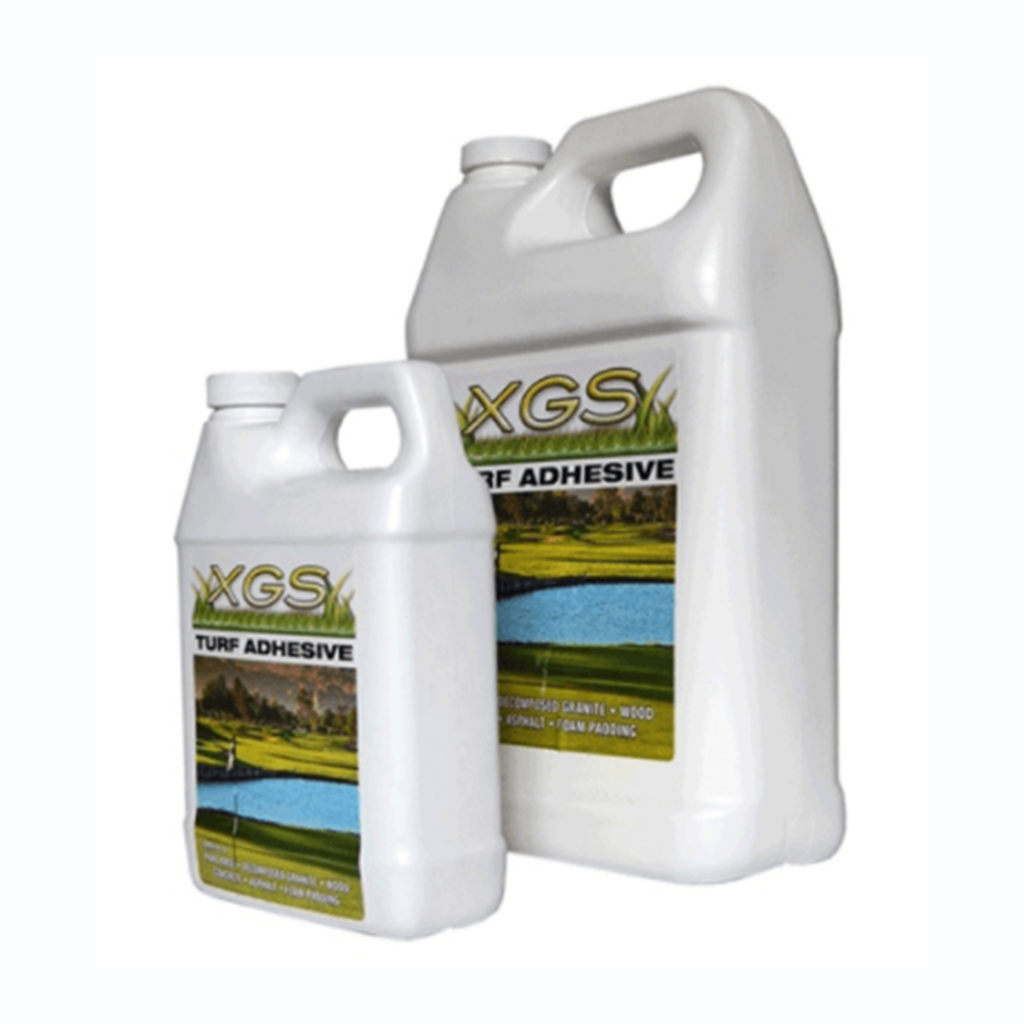
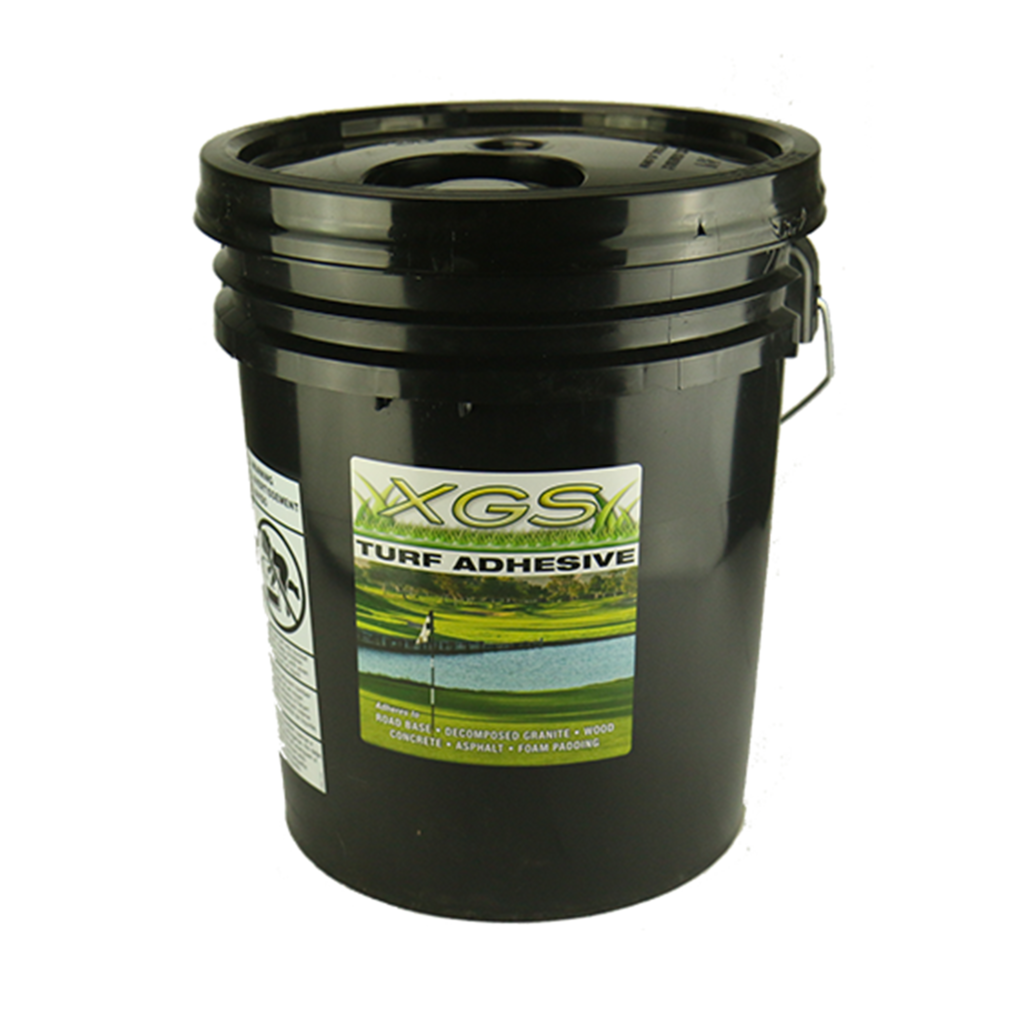
Accessories like infill, shock pads, and specialized adhesives significantly enhance artificial turf performance, durability, and comfort for various applications.
How to choose turf for high-traffic areas?
Choosing turf for high-traffic areas requires selecting durable, resilient options. Look for turf with a high face weight and dense construction for optimal performance and longevity.
What are the common misconceptions about artificial grass?
Common misconceptions about artificial grass include it being unsafe, environmentally damaging, or looking unnatural. Modern artificial turf is safe, eco-friendly, and realistic.
How to ensure proper drainage with artificial turf?
Proper drainage with artificial turf is ensured through a well-prepared base and adequate slope.
What are the best brands of artificial turf?
The best artificial turf brands depend on your specific needs, but Artificial Turf Express offers top-quality options for landscaping, pets, and putting greens.
How to install artificial turf on a slope?
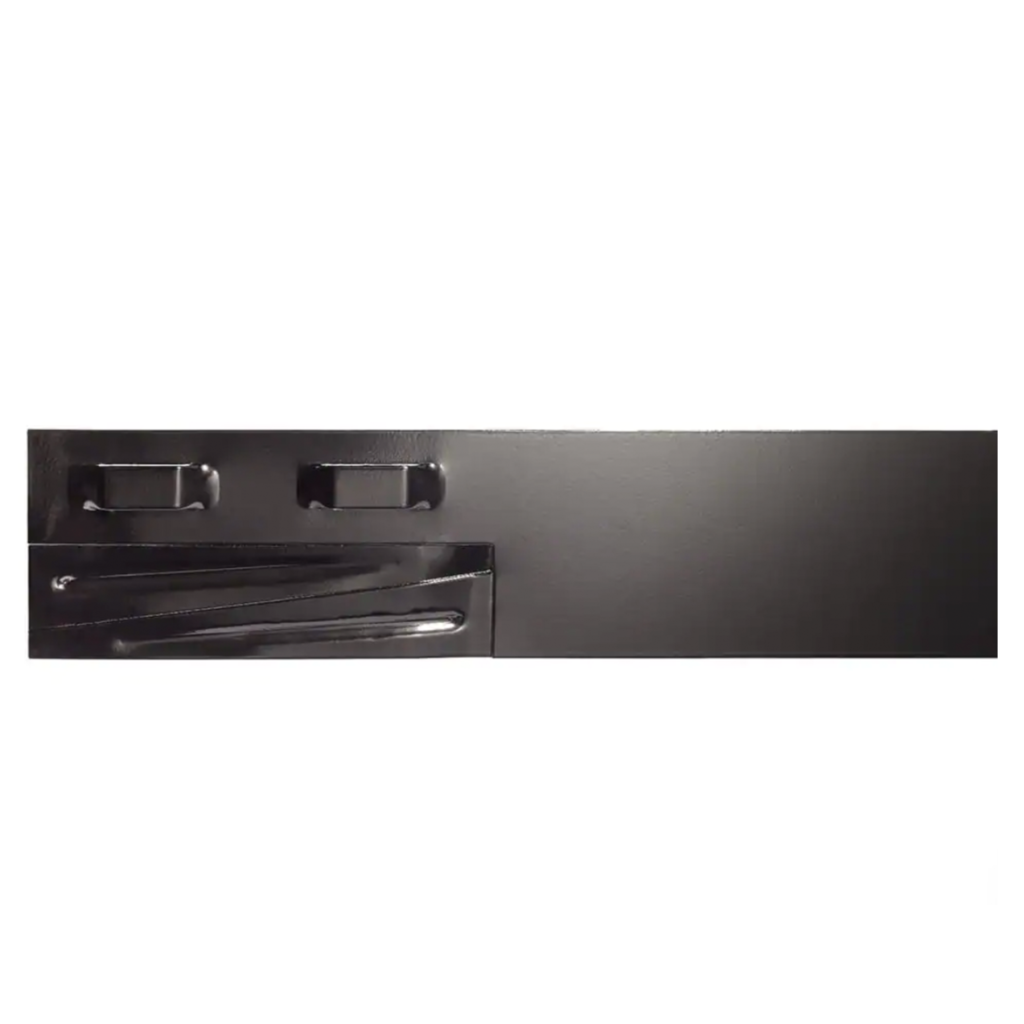
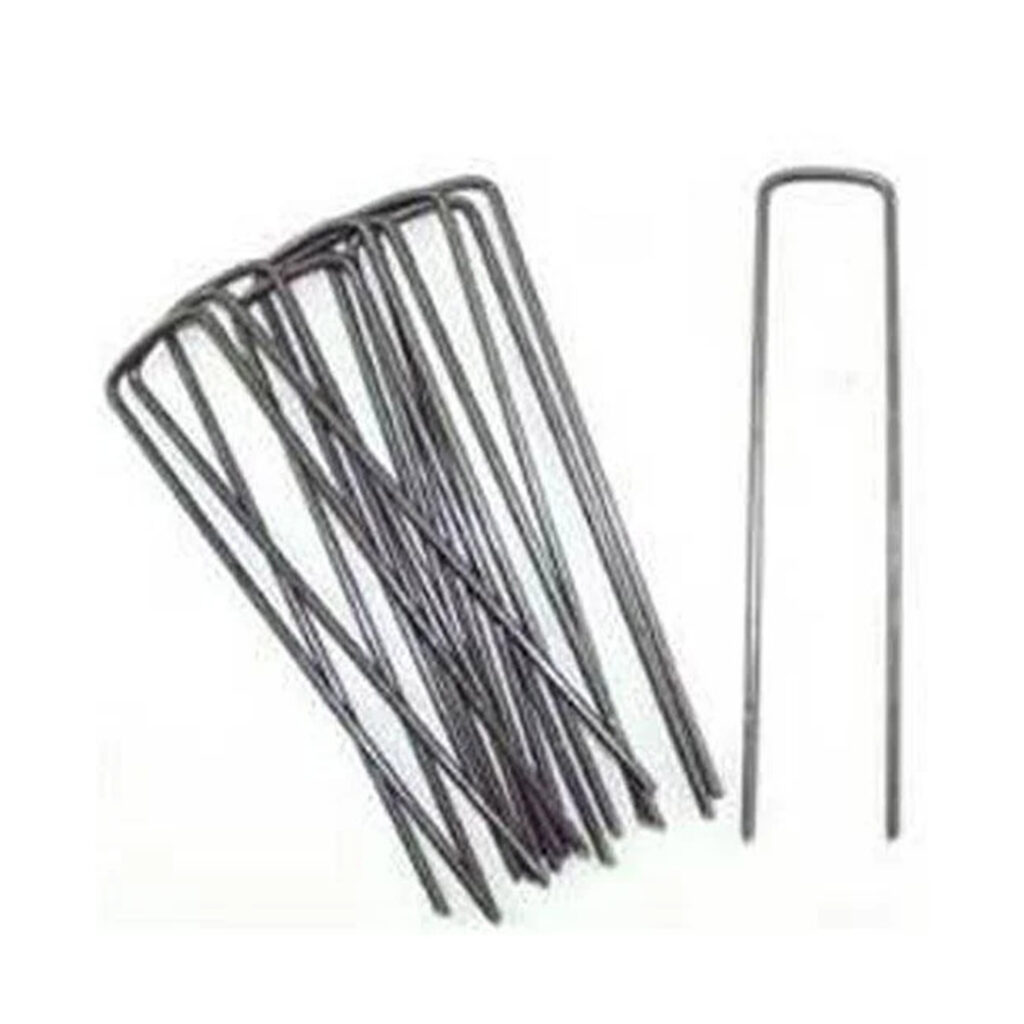
Installing artificial turf on a slope requires securing the edges firmly to prevent slippage. Ensure proper drainage and use appropriate fasteners for a stable, long-lasting installation.