Frequently Asked Questions
None - No questions provided for evaluation?
No questions have been provided for evaluation, indicating that there are currently no inquiries or concerns from users regarding our products or services.
What are the benefits of artificial turf padding?
The benefits of artificial turf padding include enhanced safety through effective cushioning, improved drainage to prevent water accumulation, and increased comfort for users, making it an ideal choice for playgrounds and outdoor play areas.
How thick should playground turf padding be?
The thickness of playground turf padding should ideally be at least 2 inches to effectively cushion impacts and ensure safety during play. This thickness helps provide adequate protection for children using the play area.
What materials are used in turf padding?
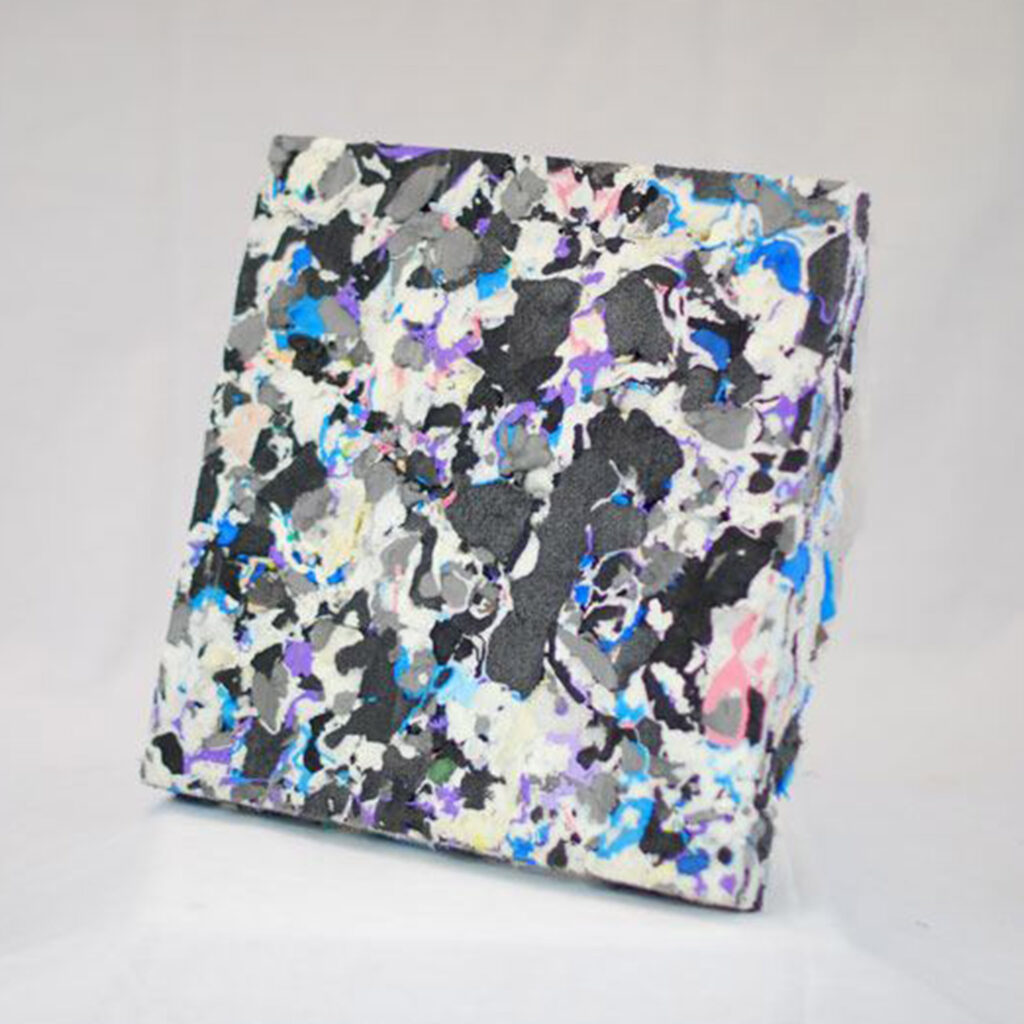
The materials used in turf padding include high-density foam and recycled rubber, which provide excellent cushioning and durability. These materials ensure safety and effective drainage in outdoor play areas.
How does turf padding improve safety?
Turf padding improves safety by providing a cushioned surface that absorbs impacts during falls, reducing the risk of injuries in playgrounds and outdoor play areas. Its effective drainage also helps maintain a safe, dry environment.
Can artificial turf padding reduce injuries?
Artificial turf padding can significantly reduce injuries by providing a cushioned surface that absorbs impact during falls, minimizing the risk of serious injuries in playgrounds and sports areas.
What is the lifespan of turf padding?
The lifespan of turf padding typically ranges from 8 to 15 years, depending on factors such as usage, maintenance, and environmental conditions. Proper care can help maximize its durability and performance over time.
How to install playground turf padding?
Installing playground turf padding involves first preparing the area by clearing debris and leveling the ground. Next, roll out the padding, ensuring it fits snugly, and secure it in place using adhesive or stakes as needed. Finally, trim any excess padding for a clean finish.
What maintenance is required for turf padding?
The maintenance required for turf padding includes regular inspections for wear and tear, periodic cleaning to remove debris, and ensuring proper drainage to maintain its cushioning properties and safety standards.
Is turf padding environmentally friendly?
Turf padding is environmentally friendly as it is made from recycled materials, reducing waste and promoting sustainability. Additionally, it is designed for durability, minimizing the need for frequent replacements and further conserving resources.
How does drainage work in turf padding?
The drainage in turf padding works by allowing water to flow through the porous material, preventing pooling and ensuring a dry surface. This effective drainage system enhances safety and maintains the integrity of the padding in outdoor play areas.
What are the cost factors for turf padding?
The cost factors for turf padding include material quality, thickness, installation expenses, and maintenance requirements. Additionally, pricing can vary based on the supplier and any additional features such as drainage capabilities.
Can turf padding be used in all climates?
Turf padding can be used in all climates. It is designed to withstand various weather conditions, providing safety and durability in both hot and cold environments.
What are the best brands of turf padding?
The best brands of turf padding include Artificial Turf Express, known for its high-quality products, and other reputable manufacturers like PlaySafe and AstroTurf, which offer durable and effective padding solutions for safety and drainage in playgrounds.
How does turf padding affect playability?
Turf padding significantly enhances playability by providing a cushioned surface that absorbs impacts, reducing the risk of injuries. This added layer ensures a safer and more enjoyable experience for children during playtime.
What thickness is recommended for playground turf?
The recommended thickness for playground turf is typically 2 to 2.5 inches. This thickness ensures adequate cushioning for safety and effective drainage, making it ideal for outdoor play areas.
Are there different types of turf padding?
There are different types of turf padding available. These include various thicknesses and materials designed for specific applications, such as playgrounds, sports fields, and landscaping, each offering unique benefits for safety and drainage.
How does turf padding compare to natural grass?
Turf padding offers superior cushioning and impact absorption compared to natural grass, enhancing safety in play areas. Additionally, it provides better drainage, ensuring a dry surface, while requiring less maintenance than traditional grass.
What are common issues with turf padding?
Common issues with turf padding include inadequate drainage, which can lead to water pooling, and insufficient cushioning, resulting in potential injuries. Additionally, wear and tear over time may affect performance and safety.
How to choose the right turf padding?
Choosing the right turf padding involves considering factors such as thickness, material quality, and intended use. Ensure the padding provides adequate cushioning for safety and effective drainage to enhance the longevity of your turf installation.
What certifications should turf padding have?
Turf padding should have certifications that ensure safety, such as ASTM (American Society for Testing and Materials) and IPEMA (International Play Equipment Manufacturers Association) standards, confirming its impact absorption and suitability for playground use.
Can turf padding be recycled?
Turf padding can be recycled. Many manufacturers and recycling facilities accept turf padding, allowing it to be repurposed into new products, which helps reduce waste and supports environmental sustainability.
How does turf padding impact drainage efficiency?
Turf padding significantly enhances drainage efficiency by allowing water to flow through its porous structure, preventing pooling and ensuring a dry play surface. This feature helps maintain safety and usability in outdoor play areas.
What are the installation steps for turf padding?
The installation steps for turf padding include preparing the ground, laying down a weed barrier, positioning the padding sheets, securing them with staples or adhesive, and finally, ensuring proper drainage by checking for any uneven areas.
How to clean and maintain turf padding?
Cleaning and maintaining turf padding involves regularly removing debris, rinsing with water, and checking for any damage. Use a mild detergent for deeper cleaning, and ensure proper drainage to keep the padding in optimal condition.
What are the advantages of using turf padding?
The advantages of using turf padding include enhanced safety through impact absorption, effective drainage to prevent water accumulation, and improved comfort for users in playgrounds or sports areas.
How does turf padding enhance outdoor play areas?
Turf padding enhances outdoor play areas by providing superior cushioning that minimizes impact injuries and ensures safer play. Additionally, it promotes effective drainage, keeping the surface dry and usable, which contributes to a more enjoyable play environment.
What is the weight capacity of turf padding?
The weight capacity of turf padding is designed to support heavy impacts, typically accommodating up to 200 pounds per square foot, ensuring safety and durability in playground environments.
How to assess turf padding quality?
Assessing turf padding quality involves examining its thickness, density, and material durability. Look for padding that provides effective impact absorption and drainage capabilities, ensuring safety and longevity for outdoor play areas.
What are the safety standards for turf padding?
The safety standards for turf padding ensure that the material provides adequate impact absorption and meets specific guidelines for playground safety. These standards typically include compliance with ASTM and CPSC regulations to protect children during play.