



Keeping a backyard artificial putting green in top shape is mostly about routine care and a few seasonal checks. The right maintenance preserves ball roll, prevents matting and low spots, and cuts down on costly repairs by keeping infill levels and fiber direction consistent. This guide walks homeowners through what to do daily, weekly, monthly, and annually; which tools and products make the job faster; how to manage common infill types; seasonal checklists for climates like San Jose; and straightforward fixes for common problems. You’ll get clear action steps — what to do yourself, when to call a pro, and which cleaners and grooming tools are safe for synthetic putting surfaces. By the end you’ll have a practical maintenance plan and realistic expectations for time and cost to keep your green looking and playing its best.
How Often Should You Clean and Maintain Your Artificial Putting Green?
Establishing a simple maintenance rhythm protects the surface and keeps playability predictable: remove debris and do light brushing daily to weekly, perform moderate grooming and spot-cleaning monthly, and schedule a deep clean with infill checks at least once a year or after heavy use. This cadence keeps fibers upright, maintains consistent ball roll, and prevents trapped organic matter that can cause odors or drainage issues. Below is a condensed maintenance schedule for homeowners, including typical time estimates so you can plan chores or weekend projects. Following it also helps you spot when professional help is needed — for example, persistent seam separation, drainage failure, or large uneven areas that won’t respond to regular grooming. The schedule also suggests when to use hand tools versus heavier equipment so you protect the turf while working efficiently.
Different tasks need different time commitments and frequencies to maximize turf life and playability.
| Task | Recommended Frequency | Typical Effort / Time |
|---|---|---|
| Debris removal (leaves, twigs) | Daily to weekly | 5–20 minutes using blower or broom |
| Light brushing / grooming | Weekly | 10–30 minutes with stiff broom or Grandi Groom |
| Spot cleaning (stains, pet waste) | As needed; weekly check | 5–15 minutes per spot using mild cleaner and rinse |
| Deep cleaning & power-rinse | Annually or as needed | 1–3 hours depending on size; power washer or pro service |
| Infill inspection & top-up | Annually; top-up mid-season if needed | 30–90 minutes for small yard; more for full replacement |
This table separates easy routine tasks from periodic deep maintenance so you can schedule weekend chores and seasonal projects without surprises.
What Are the Daily and Weekly Care Tasks for Synthetic Putting Greens?
Daily and weekly upkeep is about keeping the surface clear and the blades standing so ball roll stays predictable and drainage stays open. Start each week with a quick visual sweep for leaves, twigs, and pet waste. Use a leaf blower on a low setting or a stiff-bristled broom to remove loose debris without flattening fibers. Light brushing with a stiff broom or a Grandi Groom helps restore blade direction and freshen the surface after heavy use — this reduces matting that slows ball roll. For spills and pet incidents, use a mild detergent or a turf-safe cleaner, rinse thoroughly with a garden hose, and let the area drain completely. Regular spot checks and small fixes reduce the need for deeper interventions and keep the green ready for play.
When Should You Schedule Deep Cleaning and Infill Renewal?
Plan a deep clean and an infill review at least once a year, and sooner if you notice slow drainage, lingering odors, or a change in ball roll. Warning signs include widespread flattened fibers, buildup of fine organic debris, darker patches that won’t respond to brushing, or a measurable slowing of putting speed. Deep-cleaning typically means thorough debris removal, targeted stain treatment, a low-pressure rinse or professional power-wash (avoid high pressure that can harm seams), and a careful inspection of infill depth and distribution. When topping up infill, add small, measured amounts after redistributing what’s already there — avoid overfilling, which can change ball speed and drainage behavior.
What Tools and Products Are Essential for Backyard Putting Green Care?
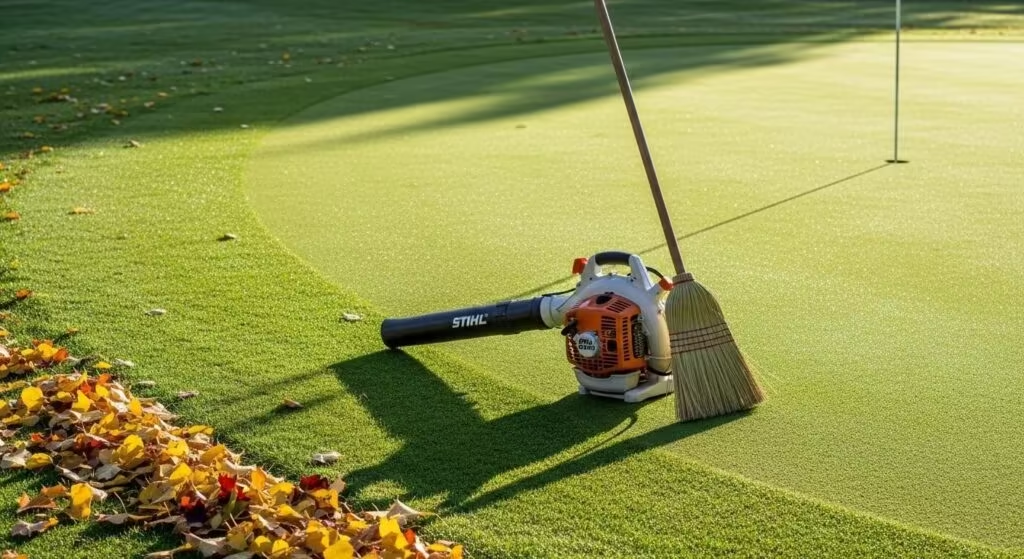
Keeping a backyard putting green in shape requires a compact toolkit you’ll use regularly and occasionally: a leaf blower for light debris, a stiff-bristled broom or power broom for brushing, a Grandi Groom for restoring pile and redistributing infill, a garden hose for rinsing, and turf-safe cleaners for stains and pet odors. Each tool has a clear role: blowers clear loose debris quickly, brooms and grooming tools lift blades and realign nap, and oxygen-based turf cleaners handle organic stains safely when used per label instructions. Power washers can be useful for deep cleaning but only at low pressure and with care around seams. A putting green roller is optional if you’re dialing in precise speed and roll. When picking tools, consider local pickup or delivery and whether larger jobs are best handled with rented equipment or a pro service.
Choose tools based on yard size and how comfortable you are with DIY maintenance; the right mix saves time and protects your turf.
- Leaf blower: Clears loose debris quickly without contacting turf.
- Stiff-bristled broom: Lifts pile and restores fiber orientation.
- Grandi Groom brush: Decompacts infill and realigns blades for consistent roll.
- Garden hose and nozzle: Rinses cleaners and helps settle infill after top-ups.
Selecting the right combination streamlines routine care and reduces long-term wear on your synthetic surface.
Below is a concise comparison of common tools and cleaning products so you can match equipment to the task.
| Tool or Product | Primary Use | Frequency / Notes |
|---|---|---|
| Leaf blower | Debris removal without contact | Daily–weekly; low setting recommended |
| Stiff-bristled broom / Power broom | Brushing and pile restoration | Weekly; use with grain of fibers |
| Grandi Groom brush | Grooming, infill redistribution | Monthly or after heavy use |
| OxyTurf cleaner | Spot cleaning and odor control | As needed; dilute and rinse thoroughly |
This comparison shows where DIY tools are sufficient and when a professional or heavier equipment makes sense.
Local suppliers commonly stock these tools and specialized cleaners; homeowners in the San Jose area can pick up putting green brushes, oxygen-based cleaners, and rollers from nearby vendors for pickup or delivery. Choosing vendor-stocked options simplifies sourcing and ensures compatibility with most synthetic turf systems.
How Do You Manage Infill Materials to Ensure Optimal Putting Green Performance?
Infill affects ball roll, turf stability, and surface temperature — so choosing and maintaining the right material balances drainage, cooling, and playing speed. Common infills include sand blends, crumb rubber, mineral-based zeolite, and cooling polymers; each changes firmness, ball behavior, and how often you’ll need to top up. Regular visual checks, simple depth measurements, and periodical redistribution with a grooming tool keep infill even and prevent low spots that change roll. The table below compares common infill types so you can weigh cooling, drainage, ball roll, and maintenance requirements before topping or switching infill.
Knowing infill characteristics helps you prioritize playability, cooling performance, or cost for your yard.
| Infill Type | Drainage & Cooling | Ball Roll & Maintenance |
|---|---|---|
| 30 Mesh Putting Green Sand | Excellent drainage; neutral cooling | Produces consistent ball roll; low maintenance |
| Crumb Rubber Infill | Moderate drainage; retains heat | Softer feel; may slow roll and require periodic redistribution |
| Zeolite Infill | Good drainage; reduces odors and heat | Fast roll when paired with sand; needs occasional top-up |
| HydroChill Infill | Enhanced cooling properties | Designed to lower surface temp; monitor for displacement |
This quick comparison helps you match infill to priorities like cooling in warm San Jose summers, preferred ball speed, or odor control for pet-friendly yards.
What Types of Infill Are Used in Artificial Putting Greens?
Typical putting green infills include fine silica sand (30 Mesh), crumb rubber blends, mineral infills such as zeolite, and engineered cooling infills like HydroChill. Each choice has trade-offs for drainage, surface temperature, and ball dynamics. Sand provides predictable roll and excellent drainage with relatively low maintenance — a common pick for dedicated putting surfaces. Crumb rubber adds cushion but can hold heat and slightly slow roll, so it’s used more often in multi-use turf. Mineral and engineered infills can reduce odor and lower surface temperature while still offering a fast roll when installed correctly; they may need occasional top-ups and careful redistribution to maintain consistency.
New infill options — including organic and hybrid materials — are emerging, and research is ongoing into their long-term performance.
Artificial Turf Infill Performance: Shear & Traction Characteristics
Styrene butadiene rubber crumb remains the most widely used performance infill globally. Growing concern about microplastics and health has led to more interest in organic infill alternatives, but research on these newer materials is still limited. One notable knowledge gap is how normal stress affects rotational traction across different infills. This study examined that relationship for three infill types: styrene butadiene rubber, cork, and pine.
Investigating normal stress effects on the shear and traction characteristics of performance infill materials used in artificial turf surfaces, H McGowan, 2025
How Do You Check and Renew Infill Levels Effectively?
Check infill by parting the turf fibers with your hand in several representative spots and measuring visible depth; look for thin patches or exposed backing, especially in high-traffic zones and along seams. Start by redistributing existing infill with a Grandi Groom or a stiff broom to loosen compacted material, then add small, measured amounts of compatible infill and groom it in — avoid overfilling, which can change ball speed. For a full replacement, remove the old material and follow manufacturer volume recommendations or consult a local installer. Call a professional if you find persistent depressions, drainage failures, or if the whole surface needs regrading — large-scale infill work can affect warranties and long-term playability.
What Are the Best Practices for Seasonal Artificial Putting Green Maintenance?

Seasonal maintenance helps your green adapt to weather cycles. In spring focus on deep-cleaning and infill checks; in summer emphasize cooling and rinsing; in fall tackle leaf control; and in winter prioritize drainage and seam inspections. A seasonal approach prevents common problems: spring deep-cleans remove winter buildup; summer rinses and cooling infill reduce heat stress; fall leaf control prevents matting from decaying foliage; and winter drainage checks stop pooling and moss growth. This routine is especially useful in mild Mediterranean climates like San Jose, where long dry stretches increase dust and heat exposure while short wet periods demand reliable drainage. A planned seasonal checklist keeps maintenance intentional and cuts down on surprise repairs.
Adopt a cyclical plan so small seasonal chores prevent larger, costlier issues later on.
- Spring checklist: Deep-clean, inspect seams, check and top up infill, repair small seam issues.
- Summer checklist: Rinse to cool the surface, monitor heat retention, increase brushing after heavy use.
- Fall/Winter checklist: Remove leaves frequently, check drainage and edges, treat moss or algae promptly.
Following a seasonal checklist aligns simple weekend tasks with annual maintenance to protect playability and extend lifespan.
How Should You Prepare Your Putting Green for Spring and Summer?
In spring remove accumulated organic matter, give the surface a thorough rinse or a low-pressure power clean, and inspect seams and edges for damage from winter weather. After cleaning, check infill depth and redistribute or top up where needed to restore evenness and consistent ball roll for summer play. During summer, cool the surface by rinsing in the cooler parts of the day, consider cooling infill if surface temps get high, and brush more often after heavy use to prevent matting. Keep an eye on UV-related fiber wear and high-traffic polishing so small mid-season touch-ups stop minor issues from turning into big repairs.
What Maintenance Is Needed During Fall and Winter to Protect Your Artificial Turf?
In fall and winter prioritize frequent leaf removal, clear gutters and drains that serve the green, and inspect seams and edges after storms or heavy rain. Remove organic debris before it breaks down to prevent staining and odors; use a blower on low or a broom rather than aggressive scraping. For shaded areas with moisture or moss concerns, use oxygen-based cleaners and improve drying by removing covers and increasing airflow; avoid heavy pressure washing that can harm seams. These seasonal steps reduce moisture-related problems and prepare the green for a spring deep-clean and any necessary infill adjustments.
How Can Homeowners Troubleshoot Common Artificial Putting Green Issues?
Troubleshooting follows a simple problem → likely cause → DIY fix pattern: identify the symptom, inspect common causes like infill loss or seam separation, then try practical fixes or call a pro if the issue is structural. Frequent problems include weeds at edges, pet stains or odors, matting from compaction, and seam gaps that affect drainage and play. Many of these respond to targeted DIY steps — hand-weed removal and edge sealing, spot treatments with turf-safe cleaners, brushing to lift pile, and measured infill top-ups to correct low spots. Bring in a professional for persistent drainage failure, major seam repair, or regrading; specialized kits and local services can address advanced repairs safely.
Here are quick, action-oriented fixes homeowners can use before calling a pro.
- Weeds: Pull by hand and seal edge gaps; treat exposed areas with turf-safe methods.
- Stains: Blot fresh spills, apply diluted oxygen-based turf cleaner, and rinse thoroughly.
- Odors: Remove organic sources promptly, rinse, and consider zeolite-style infill to reduce odor retention.
These quick steps resolve most everyday issues and reduce the need for larger maintenance projects.
How Do You Identify and Remove Weeds, Stains, and Odors?
Spot weeds by checking edges, seams, and any turf tears where soil or seed can enter; remove weeds mechanically and repair gaps that allow growth. For stains, blot solids, rinse, then test a mild detergent or oxygen-based cleaner on a small area, work gently with a brush, and rinse completely to avoid residue. Pet odors respond best to immediate waste removal, enzyme or mineral-based odor neutralizers, and occasional infill refreshes in high-use zones to keep material aerated. Regular spot-cleaning and seasonal inspections stop stains and odors from becoming chronic and keep the surface playable.
What Are Effective Methods to Fix Matting, Unevenness, and Seam Problems?
To fix matting, brush against the traffic direction with a stiff broom or Grandi Groom to lift fibers, repeating gradually until the pile is restored without overworking the turf. Unevenness usually comes from infill shifting or settling — redistribute the infill with grooming tools, add small measured top-ups, and lightly compact if needed. For deep low spots, you may need to remove turf and recompact the base aggregate before reinstalling. Seam issues like separation or lifted edges require cleaning, re-tensioning, and adhesive/seam tape repair; small seam fixes can be DIY with a repair kit, but larger gaps or substrate problems should be handled by a professional installer. Knowing when to escalate prevents further damage and helps protect warranties.
If you prefer professional help, local installers and suppliers offer inspection, repair services, and preassembled kits to handle advanced repairs or full re-grooms efficiently.
What Are the Benefits of Proper Backyard Putting Green Upkeep?
Regular upkeep extends the life, appearance, and playability of an artificial putting green by preventing premature fiber breakdown, keeping infill balanced, and maintaining predictable ball roll. Proper maintenance lowers long-term replacement and repair costs, boosts curb appeal, and preserves the green’s designed speed — all of which add enjoyment and can improve property value. Well-maintained greens also reduce drainage and odor problems, especially in homes with pets or heavy use, and support manufacturer warranty terms that may require routine care. Homeowners who follow a clear schedule get better return on their investment through fewer major repairs and more consistent performance.
These measurable benefits make scheduled maintenance far more economical than reactive repairs or early replacement.
How Does Maintenance Extend the Life and Appearance of Your Artificial Putting Green?
Maintenance keeps blades upright, removes abrasive grit, and preserves recommended infill depths so UV and mechanical wear affect the surface more slowly. Brushing and grooming reduce matting and crush damage, while removing organic debris prevents staining and fiber breakdown. Regular infill checks and controlled topping maintain cushion and support for the fibers, helping the surface keep a near-new appearance longer. In practice, a homeowner who brushes weekly, performs seasonal deep-checks, and reviews infill annually will see a noticeable increase in usable life and visual quality.
How Does Proper Care Enhance Playability and Property Value?
Consistent care stabilizes putt speed and roll by keeping infill evenly distributed and fibers upright, which creates predictable ball behavior and a better practice surface. A clean, well-groomed green enhances curb appeal and signals to potential buyers that the outdoor space is well maintained — a selling point that can influence perceived property value. Routine upkeep also prevents visible wear that could discourage investment in outdoor improvements, turning the green into an asset rather than a liability. Track simple metrics like consistent putt speed and absence of low spots to measure playability improvements over time.
If you’re ready to source tools, cleaners, or specialty infill, Artificial Turf Express stocks putting green products, infill options, and grooming tools with pickup and delivery in the San Jose area to support homeowners who prefer vendor-supplied materials or professional coordination.
Frequently Asked Questions
What are the signs that my putting green needs deep cleaning?
Look for widespread matting or flattened fibers, persistent odors, slow drainage, and dark patches that resist brushing. If the ball roll becomes noticeably slower or inconsistent, it’s a good indicator that a deep clean and infill inspection are needed to restore performance.
How can I prevent weeds from growing on my putting green?
Inspect edges and seams regularly for exposed soil and remove any weeds by hand. Seal gaps at edges and seams to block new growth. Turf-safe herbicides can help when used carefully, but consistent maintenance and a tight edge detail are the best long-term defenses against weeds.
What should I do if my putting green has developed uneven areas?
Start by redistributing infill with a grooming tool to level small low spots. If the unevenness remains, check for compacted base material or drainage problems. Severe cases may require removing turf, re-compacting the base, and reinstalling — a task best handled with professional help to ensure a smooth surface.
How do I choose the right infill material for my putting green?
Choose infill based on climate, desired ball speed, and maintenance preferences. Silica sand offers excellent drainage and consistent roll with low upkeep; crumb rubber adds cushion but can retain heat; cooling infills like HydroChill reduce surface temperature. Talk with local suppliers to balance performance, comfort, and upkeep for your green.
What are the best practices for maintaining my putting green during extreme weather?
In extreme heat, rinse the surface more often to cool fibers and avoid heat damage. After heavy rain, check drainage and remove debris that could block water flow. Avoid heavy foot traffic during extreme conditions to prevent compaction. Timely inspections and small interventions preserve turf integrity through weather events.
How can I enhance the lifespan of my artificial putting green?
Follow a consistent routine: regular brushing, annual infill reviews, and periodic deep cleaning. Address stains, odors, and low spots promptly, limit excessive foot traffic, and avoid harsh chemicals. A proactive maintenance schedule will significantly extend both life and performance.
Is professional maintenance necessary for my putting green?
Many tasks are DIY-friendly, but bring in a pro for significant seam repairs, drainage failures, or full infill replacement. If DIY fixes don’t resolve an issue or you want an annual inspection, professional service helps protect your investment and warranty coverage.
Conclusion
Regular care keeps your backyard putting green attractive, playable, and longer lasting. Follow a simple maintenance rhythm — weekly brushing, seasonal deep-checks, and an annual infill review — to prevent costly repairs and preserve consistent ball roll. Browse our selection of tools, cleaners, and infill options to make upkeep easier. Ready to get started? A little routine care goes a long way toward a pristine putting green.


