


Installing a backyard putting green requires planning around three primary considerations: materials, installation, and maintenance. This guide explains the project factors for each area so homeowners can evaluate options, compare specifications, and set a realistic plan aligned with performance needs.
Whether you choose a DIY approach or hire a contractor, each path has distinct effort. This article breaks down material choices, installation models, routine upkeep, and optional upgrades to help you compare trade-offs and make informed decisions.
Material Costs
Material selection is a primary variable, especially the turf type. Options vary based on pile height, fiber composition, and construction quality. For product selection, consult artificial turf product listings for specification sheets and availability.
High-grade materials such as polyethylene and polypropylene are common choices for putting greens; they differ in fiber resilience and surface feel and generally offer improved durability and consistent ball roll compared with lower-grade alternatives.
Below is a concise comparison of common turf materials and their typical cost ranges.
| Turf Type | Performance Tier | Quality |
|---|---|---|
| Polyethylene Turf | Standard | Good for recreational use |
| Polypropylene Turf | Premium | Best for premium putting greens |
| Mixed Fiber Turf | Advanced | Balances quality and ongoing requirements |
The table illustrates how material choice affects unit price and expected performance; use it to align turf selection with your durability and playability requirements.
Installation Costs
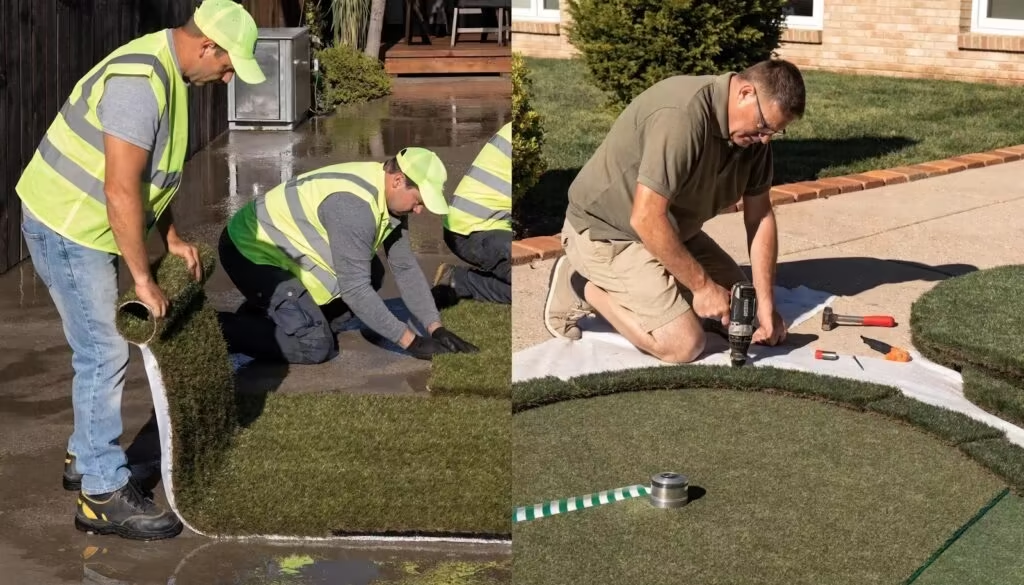
DIY installations involve coordinating the necessary turf, base materials, tools, and labor. The scale and material choices are the primary factors to consider.
Professional installers provide services based on the project’s square footage, with the scope of work depending on site complexity and the contractor’s expertise.
How Much Do Artificial Turf Materials Cost for Backyard Putting Greens?
Typical cost ranges for installation and materials are presented below for quick comparison.
- 1. DIY Installation: Requires coordinating the necessary turf, base materials, tools, and labor, with the effort depending on the scale and material choices.
- 2. Professional Installation: Services are based on the project’s square footage, with the scope of work depending on site complexity and contractor expertise.
- 3. Additional Considerations: Factor in requirements for tools, base materials, and potential landscaping adjustments.
These line items form the core of a project planning and should be itemized when requesting quotes or planning a DIY schedule.
Maintenance Costs

Routine maintenance preserves playability and appearance. Typical tasks include brushing to prevent matting and rinsing to remove debris; performing these tasks on a schedule reduces surface irregularities and prolongs turf life.
Ongoing requirements vary with usage and climate. Regular, low-effort tasks minimize long-term expense, while occasional needs—such as infill replenishment—may require periodic material purchases; sourcing quality infill from established suppliers can improve wear resistance.
What Are Common Maintenance Tasks and Their Frequency?
- Brushing: Recommended every 1-2 weeks to maintain an even surface and prevent matting.
- Rinsing: Necessary after heavy rain or pet waste; ideally, monthly during heavy-use seasons.
- Infill Replacement: Depending on usage, may be needed annually or biannually.
Implementing a proactive maintenance schedule reduces repair needs and keeps lifecycle ongoing requirements predictable.
Additional Features
Optional features extend functionality and aesthetics. Common additions include LED lighting for extended hours, landscaping to integrate with the yard, and decorative water elements to enhance ambiance—each adds to the upfront cost but can increase usability and perceived value.
- Lighting: Adds aesthetic value and enhances usability in the evening.
- Landscaping Enhancements: Customized borders, shrubs, or decorative features increase visual interest.
- Water Features: Small ponds or fountains not only beautify the area but also can create a serene golfing atmosphere.
Allocate the planning for desired enhancements to ensure the outcome aligns with functional and aesthetic goals.
Total Cost Overview
Project requirements vary based on turf specification, installation approach, and selected enhancements. For procurement and project support, consult professional suppliers such as Artificial Turf Express.
What Are the Main Components Affecting Backyard Putting Green Costs?
Key project factors include turf type (material and construction), installation method (DIY versus professional), maintenance frequency, and any optional features. Evaluate each component against performance requirements, ongoing lifecycle requirements, and expectations.
How Do Different Putting Green Materials Influence the Overall Price?
Material specification drives project importance due to variations in fiber quality, backing systems, and manufacturing tolerances. Higher-spec turf typically reduces maintenance needs and extends replacement intervals, while lower-effort turf may require earlier repair or replacement.
How Much Do Artificial Turf Materials Cost for Backyard Putting Greens?
As noted, turf options span a broad range to accommodate different performance targets—from economy polyethylene to premium polypropylene styles—so select materials that match your expected usage and planning constraints.
Which Additional Products Affect Material Costs?
Products that add to material ongoing requirements include infill, base aggregate, edging materials, and any landscape elements—account for these in initial estimates to avoid planning gaps during installation.
What Is the Typical Installation Time and Cost for Backyard Putting Greens?
Professional installations commonly require 3–5 days, depending on site preparation, drainage work, and finishing. Allow for this timeframe when scheduling to prevent delays and added labor costs.
How Does DIY Installation Compare to Hiring Professionals?
DIY can reduce labor expenses but requires time, tools, and technical skills. Professional installers bring experience in grading, compaction, and seam work, which can mitigate costly errors and improve long-term performance.
What Are the Key Installation Steps That Influence Cost and Duration?
- Site Preparation: Correct grading and layout make installation smoother.
- Base Material Installation: Quality base improves turf longevity.
- Turf Laying: Following dimensions accurately to avoid overlaps and wastage.
- Finishing Touches: Infill and rolling enhance appearance and function.
Each step has direct implications for effort and schedule; prioritize proper site prep and base construction to reduce long-term expenses.
How Can Homeowners Maintain Their Backyard Putting Green to Optimize Long-Term Costs?
Optimize lifecycle ongoing requirements by following a regular maintenance plan and using quality products. For project-specific guidance, contact supplier specialists: contact Artificial Turf Express.
Which Tools and Products from Artificial Turf Express Support Efficient Backyard Putting Green Projects?
Consider the following product categories to support maintenance and longevity.
- High-Quality Infill: Supports turf resilience and minimizes wear.
- Maintenance Kits: Comprehensive tools ensure proper care.
- Cleaning Supplies: Essential for quick upkeep without damaging turf.
Using recommended products and following defined maintenance intervals helps protect your investment and reduce unplanned replacement costs.
What High-Quality Turf Products Are Available for Value-Oriented Buyers?
Value-oriented buyers should prioritize turf products that balance ongoing requirements with durability—look for an acceptable pile height, backing strength, and manufacturer warranties to maximize value.
How Do Installation Supplies and Expert Support from Artificial Turf Express Reduce Costs?
Quality installation supplies and expert guidance reduce the likelihood of rework and premature failure. Well-chosen materials and proper installation techniques reduce the total ongoing ownership requirements by minimizing repairs and replacement frequency.
What Factors Most Significantly Affect Backyard Putting Green Cost Estimates?
The dominant factors are turf quality, installation method, site complexity, and maintenance plan. Assess these variables when comparing quotes to understand ongoing obligations and expected lifespan.
How Can Homeowners Plan Accurately for Their Putting Green Projects?
Create a detailed project plan that includes material ongoing requirements, installation labor, base materials, maintenance supplies, and desired enhancements. Request itemized estimates to compare the scope and avoid unexpected expenses.
Frequently Asked Questions
What are the benefits of adding features to my putting green?
Additional features—LED lighting, landscaping, or water elements—extend usable hours, improve integration with yard design, and enhance user experience. While these features increase initial costs, they can raise enjoyment and the property’s aesthetic value.
How do weather conditions affect maintenance needs?
Weather dictates maintenance frequency: heavy rain increases the need to rinse to clear debris, while dry heat can cause compaction, requiring more frequent brushing. Adjust maintenance schedules seasonally to protect materials and preserve consistent playability.
Are there eco-friendly options for backyard putting greens?
Eco-conscious options include turf made with recycled content and natural infill materials such as cork or coconut fibers, which can improve drainage and reduce environmental impact. Pairing these choices with drought-resistant landscaping reduces overall water use.
What are the most common mistakes homeowners make when planning a putting green?
Common errors include resource allocation, inadequate site preparation, and the choice of low-quality materials to save on upfront costs and ongoing requirements. Poor planning or limited installation knowledge on DIY projects often leads to substandard performance and higher long-term ongoing requirements.
What tools are essential for DIY putting green installation?
Key tools include a turf cutter or shovel, a compactor for base material, a level for surface accuracy, and a utility knife for clean turf edges. Additional useful tools are a broom for spreading infill, a rake for base grading, and hoses for cleaning.
How can homeowners manage their backyard putting green project planning?
Project planning options include personal resources, home equity, or credit lines. Some suppliers or contractors may offer payment plans; review interest rates and terms carefully and obtain itemized quotes before committing.
Conclusion
A backyard putting green can deliver recreational value and potential property benefits when specified and installed correctly. Understanding material specs, installation processes, and maintenance requirements enables homeowners to select solutions that meet performance and project planning objectives. For product options and technical support, consult supplier resources to plan your project with confidence.


