

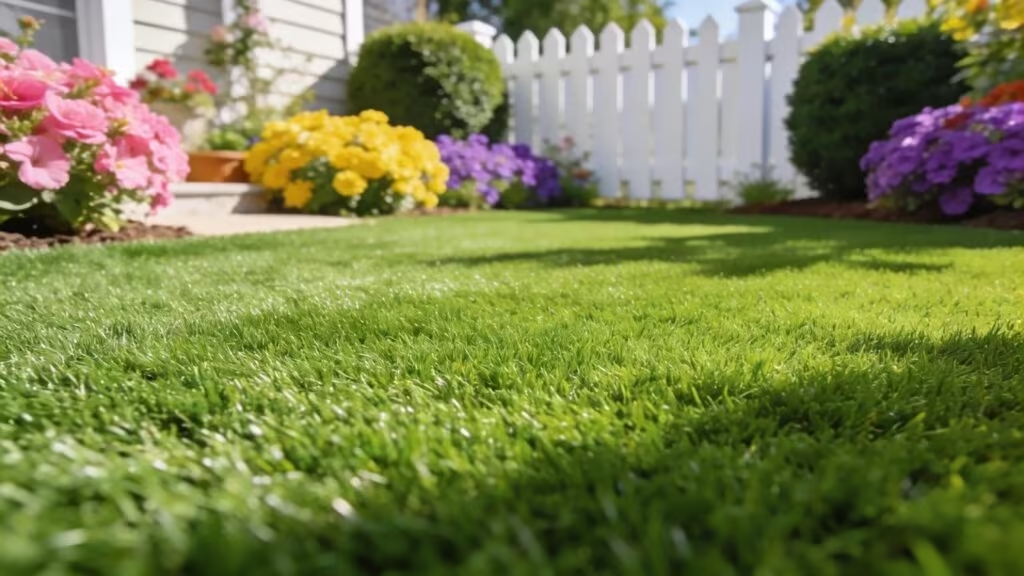
Artificial grass offers a low‑maintenance landscape with predictable performance, but installation and upkeep vary by specification. This guide examines the technical and cost drivers—material selection, installation methodology, and maintenance requirements—so homeowners can evaluate trade‑offs in durability, appearance, and lifecycle cost. We cover the necessary supplies, common turf construction methods, and practical maintenance protocols to preserve performance and aesthetics.
What Are the Key Cost Factors for Installing Artificial Grass Lawns?
Budgeting for synthetic turf requires understanding three core cost vectors: material specification, installation method, and ongoing maintenance. Material quality (pile height, denier, backing type), seam and edge detailing, and base preparation all affect price. The total investment for residential artificial grass projects varies, depending on specific site requirements, chosen materials, and labor. Account for lifecycle maintenance when comparing options; higher‑spec products often reduce long‑term service costs. For detailed product specifications, review the available products.
How Do Material Quality and Turf Type Affect Installation Expenses?
Material specification drives both upfront cost and service life. Polyethylene variants offer lower material costs, a softer hand, and adequate durability for typical lawns. Selecting higher‑quality yarns and backing systems increases initial cost but can reduce replacement frequency and total cost of ownership.
What Are Typical Labor and Installation Supply Costs Homeowners Should Expect?
Professional turf installation requirements depend on site complexity, including edging, drainage work, and local logistics. DIY installations require careful planning for base materials, adhesives, infill, and specialized cutting tools. The overall scale of residential installations generally depends on the selected materials and the intensity of labor required for proper ground preparation.
Which Artificial Grass Types Are Best Suited for Residential Lawns?
Residential applications use several turf constructions tailored to use case: landscape turf for ornamental lawns, sport‑grade turf for play areas, and pet turf engineered with enhanced drainage and sanitization features. Choose the construction that matches expected activity, drainage needs, and aesthetic goals to ensure the product performs as intended.
What Are the Advantages and Disadvantages of Popular Artificial Turf Materials?
Each polymer has trade‑offs. Polyethylene offers a softer feel and a lower price point, with acceptable durability for most lawns. Understanding these material properties—wear resistance, resilience, and tactile characteristics—helps align selection with performance requirements.
How Does Turf Durability Influence Long-Term Lawn Performance?
Durability determines maintenance frequency and replacement timelines. Higher‑durability systems resist UV degradation, crushing, and fiber breakage, reducing grooming and repair needs. Investing in robust materials and proper installation details improves long‑term appearance and function, though it may increase initial capital outlay.
What Are Essential Installation Supplies and Tools for DIY Artificial Turf Projects?
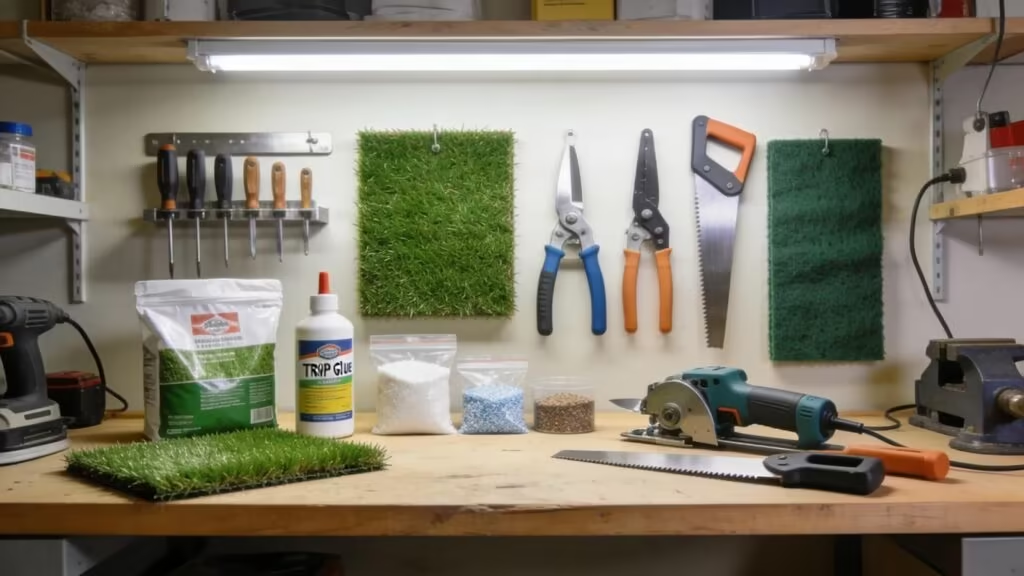
Key supplies for a DIY install include seam adhesive and join tape for secure seams, appropriate infill materials to support pile resilience, base materials (crushed rock and plate compaction), and cutting/finishing tools for accurate edge work. Having the correct tools and materials is essential to achieve the intended drainage and surface stability.
Which Adhesives, Infill Types, and Equipment Ensure Proper Turf Installation?
Adhesives and seam tapes create structural bonds that prevent seam separation and edge lift; select products rated for exterior exposure and expected temperature ranges. Common infills—washed sand and rubber granules—add ballast, support fiber recovery (resilience), and affect surface hardness. Equipment such as plate compactors, turf cutters, and power brushes ensures the base and turf meet performance tolerances.
What Installation Steps Should Homeowners Prepare for Before Starting?
Preparation includes removing existing vegetation and debris, grading and compacting a permeable subbase, and verifying accurate measurements to confirm material quantities. Proper base construction and drainage planning are critical steps that reduce post‑installation problems and extend service life.
How Can Homeowners Effectively Maintain an Artificial Grass Lawn?
Planned maintenance preserves pile orientation, hygiene, and drainage performance. A maintenance schedule should include periodic grooming, debris removal, and inspection of seams and infill levels to address issues before they escalate.
What Are The Best Practices for Cleaning, Repairs, and Seasonal Care?
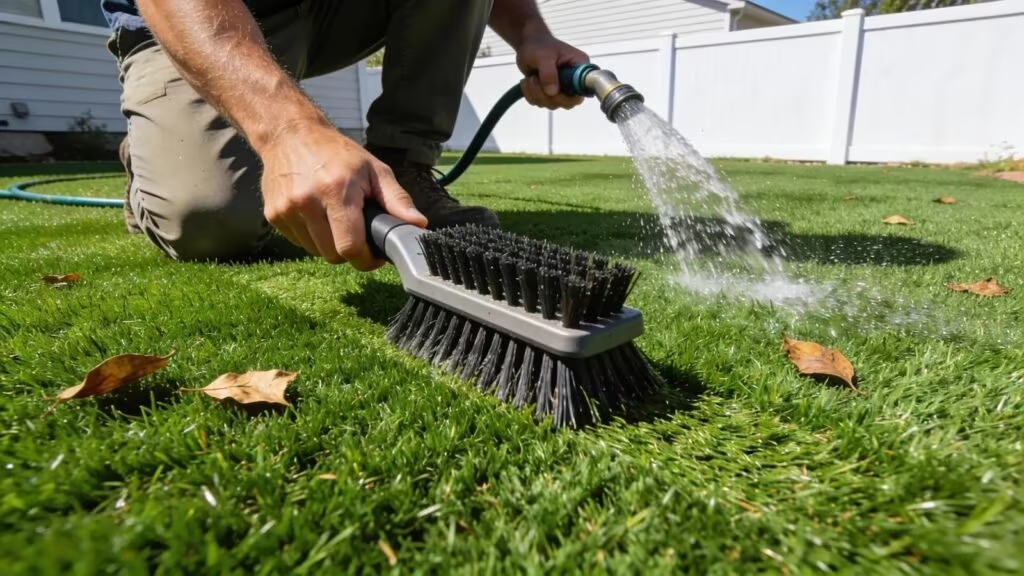
Routine brushing lifts fibers and maintains texture; rinsing removes dust and soluble contaminants. Prompt removal of pet waste and use of manufacturer‑recommended cleaning agents prevent odors and surface staining. Seasonally, clear leaves and debris, inspect seams and edges, and repair localized wear to sustain performance.
How Does Proper Infill Selection Impact Lawn Appearance and Durability?
Correct infill maintains fiber support and resilience, reducing matting and preserving a natural upright appearance. Sand and rubber infill contribute ballast and shock absorption; selecting the right particle size and application rate ensures a consistent look and traffic tolerance.
Where Can Bay Area Homeowners Find Local Resources and Expert Support?
Bay Area homeowners should consult local suppliers and installation professionals for product specifications and site‑specific recommendations. For direct assistance and technical guidance, contacting the company is recommended.
Which San Jose Contractors Specialize in Artificial Turf Installation?
San Jose hosts several contractors experienced in synthetic turf projects who can evaluate site conditions, recommend materials, and execute installations to professional standards. Engage contractors with verifiable project history for reliable outcomes.
What Local Product Availability and Support Does Artificial Turf Express Offer?
Artificial Turf Express supplies a range of turf products and installation materials in the Greater Bay Area, including San Jose. Their location at 370 Umbarger Rd, San Jose, CA, 95111 provides access to product samples and technical advice; inquiries can be directed to (408) 413-3915. Additional product and specification details are available on the website.
Frequently Asked Questions
What benefits does artificial turf offer compared to natural grass?
Artificial turf reduces potable water use and eliminates routine fertilizer and pesticide applications. It reduces ongoing labor for mowing and irrigation and provides a consistent, green surface year‑round. For homes with pets or children, it offers durable play surfaces that are easier to clean and maintain.
How long can artificial grass last with proper maintenance?
High‑quality artificial grass, maintained per manufacturer recommendations, typically lasts 10–25 years. Longevity depends on material specification, installation quality, and usage intensity; routine cleaning and grooming extend service life.
Are there any environmental concerns associated with artificial grass?
Artificial turf reduces water consumption but involves manufacturing from petroleum‑derived polymers and synthetic additives. End‑of‑life disposal is a concern since most turf is not biodegradable. Some manufacturers offer options with recycled content, so homeowners should evaluate lifecycle trade‑offs when assessing environmental impact.
Can artificial turf be installed over existing grass?
Installing turf over live grass is not recommended because it compromises drainage and base stability. Proper practice is to remove existing vegetation, prepare a permeable base, and ensure correct grading. If considering an alternative approach, consult a professional to assess suitability and risk to long‑term performance.
What should I consider when choosing a contractor for turf installation?
Evaluate contractors on experience, documented project portfolios, and customer references. Request a detailed estimate that itemizes materials, labor, base work, and warranty terms. Confirm the contractor’s recommended turf types and installation methods align with your performance and maintenance goals.
How does the climate affect the selection of artificial grass type?
Local climate dictates material and drainage needs: high‑heat regions require UV‑stable yarns and heat‑tolerant backing systems to reduce fading and deformation. In contrast, high‑rainfall areas need design features that ensure rapid drainage to prevent waterlogging. Match product specifications to environmental conditions for optimal longevity.
Conclusion
Artificial grass is a durable, low‑maintenance landscaping option that can reduce water use and routine labor. Understanding cost drivers, material specifications, and maintenance requirements enables homeowners to choose systems that meet performance and budget targets. Contact our technical team to review options and plan an installation aligned with your site conditions and long‑term goals.


