


A backyard putting green is a practical investment for golfers who want consistent practice at home. Like any outdoor system, synthetic greens are subject to wear, structural issues, and environmental stressors that affect playability and appearance. This guide identifies the most common problems, explains their root causes, and offers repair and maintenance actions that prioritize material quality and correct procedures. Sections address turf defects, drainage performance, repair methods, maintenance best practices, and product options so homeowners can maintain a functional, long‑lasting green.
What Are the Most Frequent Putting Green Turf Problems?
Backyard putting greens encounter a limited set of recurring defects that reduce ball roll quality and surface reliability. Early identification of these failure modes is essential to select the correct corrective measures. Common issues include uneven surfaces, poor drainage, infill compaction, and invasive vegetation.
- Uneven Surfaces: Over time, turf may shift due to soil settling or inadequate installation, leading to bumps and holes that affect playability.
- Drainage Issues: Poor drainage can cause water to pool, damaging the turf and creating an environment conducive to mold and algae growth.
- Infill Compaction: If turf infill becomes compacted, it can result in loss of cushioning and compromised turf texture, making the surface less forgiving.
- Weed Growth: Weeds can occasionally push through seams or along edges, disrupting the aesthetic and possibly damaging the turf fibers.
Recognizing these failure modes lets you design a targeted maintenance program that preserves playability and extends the turf’s service life.
How Do Drainage Issues Affect Backyard Putting Greens?

Insufficient drainage creates standing water that degrades turf fibers, weakens backing materials, and encourages fungal or algal growth. Persistent moisture alters ball roll characteristics and accelerates material breakdown, reducing usable life and aesthetic value.
Effective drainage starts at installation: correct site grading, a permeable base layer, and planned runoff paths direct water away from the surface. For existing problems, monitor performance after storms to locate low points, then address them with targeted solutions such as French drains or regrading to restore consistent runoff.
How Can You Repair Common Damage to Artificial Putting Greens?
Timely repairs maintain playability and limit the escalation of damage. Regular inspections reveal seam separation, infill loss, and low spots early, making repairs simpler and more reliable. Follow a systematic inspection and repair workflow to preserve surface specifications.
- Repair Uneven Surfacing: Lift the affected turf section, add or remove infill, then securely reattach the turf.
- Tackle Drainage Problems: Consider installing drainage systems, such as perforated or trench drains, parallel to the turf to ensure proper water movement.
- Refresh Infill: If infill is compacted, remove the old infill and replace it with fresh material to restore texture and cushioning.
- Weed Management: Regularly check for weeds and use a turf-safe herbicide to prevent regrowth.
A proactive inspection and repair regime reduces downtime, preserves ball response, and materially extends the green’s lifespan.
What Are the Best Practices for Seam Tape and Adhesive Application?
Seam tape and adhesives form the mechanical joints that keep turf sections aligned and load‑bearing. Proper surface preparation, correct adhesive mixing, and controlled application are essential for achieving durable bonds and preventing seam failure.
- Surface Preparation: Ensure the turf edges are clean and dry before applying seam tape or adhesive. This improves bond strength.
- Application Techniques: Follow the manufacturer’s instructions for adhesive mixing and application; improper mixing ratios can lead to ineffective bonding.
- Inspection: After the adhesive has cured, inspect seams for sagging or air pockets, which can indicate poor application.
Apply these practices to maintain seam integrity, reduce the risk of separation, and ensure predictable long‑term performance.
How to Replace or Refresh Turf Infill for Longevity?
Infill supports pile stability, contributes cushioning, and affects ball roll; common infill types include sand, crumb rubber, and specialized performance blends. Over time, infill degrades or compacts, reducing shock absorption and changing surface characteristics.
- Assess Infill Condition: Regularly check if the infill is even and at the recommended depth to maintain turf health.
- Remove Old Infill: Use a turf rake to gently remove accumulated debris and old infill, ensuring not to damage the turf fibers.
- Add New Infill: Choose high-quality turf infill that suits your environment and apply it evenly across the surface to level out any irregularities.
Refreshing infill restores cushion and ball response, helping the surface mimic natural turf behavior and extending useful life.
What Maintenance Tips Ensure Long-Term Performance of Artificial Putting Greens?
Long‑term performance depends on routine tasks that preserve structural and surface properties. A maintenance plan should prioritize fiber recovery, debris removal, and early defect repair to maintain design specifications and play characteristics.
- Regular Brushing: Brush the turf regularly to lift the fibers and prevent matting. This also redistributes infill materials, ensuring an even surface.
- Cleaning Routine: Implement regular cleaning schedules to remove debris and dirt that can accumulate on the surface and inhibit drainage.
- Inspection and Repairs: Conduct biannual inspections to identify and address wear and tear early, including checking seams and drainage systems.
Consistent application of these measures preserves surface condition and ensures reliable playability season after season.
How Often Should Backyard Putting Greens Be Brushed and Cleaned?
Brushing and cleaning sustain fiber orientation and drainage performance; frequency depends on use intensity and local weather patterns. Set a routine based on observed wear and debris load.
- Brushing: It’s advisable to brush the surface at least once a week, especially after heavy use or during extreme weather, to maintain the fibrous structure and prevent compaction.
- Cleaning: Regular cleaning should occur at least once a month, using a leaf blower or a stiff-bristled broom to remove dust, leaves, and other debris.
Establishing these routines prevents compaction and surface degradation, helping the green perform as designed for longer.
What Are Effective Weed Control Strategies Around Artificial Turf?
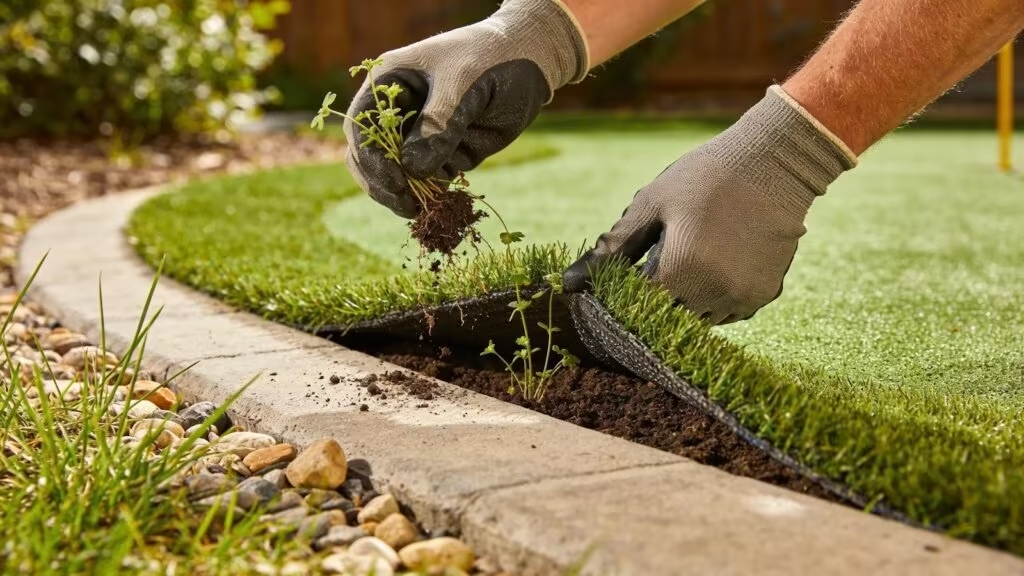
Weeds compromise seam integrity and can disrupt pile alignment; effective control combines pre‑installation measures, regular inspection, and material choices that discourage growth. Addressing weeds early prevents root penetration that can displace infill and fibers.
- Pre-Installation Control: Before installing new turf, treat the area with a non-toxic herbicide to reduce weed seeds.
- Regular Monitoring: Frequently inspect the turf for weed sprouts and remove them by hand or apply a targeted herbicide to affected areas.
- Quality Materials: Ensure that the turf is installed with appropriate backing and infill that inhibits weed growth.
Consistent weed management preserves appearance, protects the turf structure, and reduces the need for more extensive repairs.
Which Installation Techniques Prevent Common Backyard Putting Green Problems?
Correct installation is the primary defense against future defects. Focus on site preparation, material specification, and drainage design to achieve a dimensionally stable, playable surface that meets performance targets.
- Site Preparation: Thoroughly prepare the base by grading and compacting the soil to prevent settling and shifting that can cause uneven surfaces.
- Quality Materials: Utilize high-quality turf and infill materials that meet industry standards for durability and performance.
- Adequate Drainage: Incorporate drainage solutions, such as agri-drains or gravel layers, to promote water movement away from the green.
Applying these techniques reduces the likelihood of settlement, poor drainage, and premature wear, maintaining design intent over time.
How Does Proper Site Preparation Reduce Future Turf Issues?
Site preparation establishes the mechanical and hydraulic properties of the base and directly affects long‑term stability. Well-executed preparation limits differential settlement and supports predictable drainage behavior.
- Soil Testing: Conduct soil tests to assess pH and nutrient levels and ensure the soil is suitable for turf installation.
- Base Layer Construction: Create a solid base layer of compacted stone and gravel to promote drainage and reduce settling.
- Grading for Drainage: Ensure the surface is graded to promote water runoff and prevent pooling, which can damage artificial surfaces over time.
These foundational practices produce a stable, well‑draining base that minimizes future corrective work and preserves surface performance.
What Drainage Solutions Are Recommended During Installation?
Designing an effective drainage system prevents prolonged saturation and the mechanical issues it causes. Options vary by site but should be selected to handle the expected runoff volume and soil permeability.
- French Drains: Install French drains around the perimeter to redirect excess water away from the surface.
- Perforated Pipes: Incorporate perforated piping beneath the putting green to facilitate internal drainage.
- Deep Base Layers: Utilize deep layers of porous gravel to promote substantial drainage capacity and prevent surface water buildup.
Implementing these drainage solutions can significantly reduce the likelihood of issues caused by improper water management.
Homeowners aiming for a high‑standard installation can review the comprehensive artificial turf options available; product ranges include durable turf materials and purpose‑built infill solutions.
What Products Does Artificial Turf Express Offer for Tackling Putting Green Issues?
Artificial Turf Express supplies components designed to address the technical needs of putting greens: turf engineered for consistent ball roll, infill formulated for drainage and cushion, and repair materials that restore joint integrity.
- Synthetic Turf: High-quality artificial turf designed for optimal playability and resilience.
- Infill Materials: A variety of turf infill options that support fibers and enhance overall comfort and drainage.
- Repair Kits: Convenient repair kits that include seam tape and adhesives for quick fixes of minor damage.
These products suit homeowners seeking reliable solutions; for specific product selection and installation guidance, consult the company through their contact page, where technical advisors can recommend options based on site conditions and performance goals.
Which Repair Kits and Adhesives Are Effective for DIY Turf Repair?
Selecting repair kits and adhesives rated for turf applications reduces the risk of recurrent failures. Kits that include seam tape, weather‑rated adhesive, and clear instructions allow controlled repairs that restore structural continuity.
- Seam Repair Kits: These kits usually include everything needed to fix torn edges or seams, along with instructions for secure application.
- Strong Adhesives: Opt for turf-grade adhesives that withstand weather conditions and remain flexible to ensure lasting repairs.
- Infill Replacement Kits: These kits allow users to efficiently refresh their turf infill, which is crucial for maintaining texture and support.
Using the right products lets homeowners complete reliable repairs while reducing labor and cost. For vetted options, review dedicated artificial turf products that specify weather resistance and material compatibility.
How Do Seam Tape and Infill Products Enhance Turf Durability?
Seam tape creates a continuous joint between turf panels and, when combined with compatible adhesive, resists shear forces and edge lift. Infill stabilizes pile orientation, delivers cushioning, and affects surface temperature; selecting the correct infill type influences both durability and play characteristics.
- Cushioning: They provide necessary cushioning, ensuring that the surface remains comfortable for use.
- Thermal Regulation: Infill helps regulate turf temperature, making it more playable across varying weather conditions.
Correct specification and application of seam and infill products reduce mechanical stress on the turf system and extend overall service life.
Frequently Asked Questions
What types of artificial turf are best for backyard putting greens?
Choose turf specifically manufactured for golf applications: shorter pile heights (to stabilize roll), dense thatch layers for consistent ball response, and a backing with proven dimensional stability. Look for UV-stabilized fibers to resist sun degradation, and for a product specification that lists pile height, face weight, and UV testing data so you can compare options objectively.
How do seasonal changes affect the maintenance of putting greens?
Seasonal conditions change cleaning and drainage priorities. Warm, dry months increase foot traffic and debris accumulation, requiring more frequent brushing. Cooler, wetter periods demand attention to drainage and algae prevention. Adjust maintenance frequency and inspect drainage paths after seasonal storms to maintain consistent surface behavior.
Can I use regular lawn care products on artificial putting greens?
No. Products formulated for natural turf—fertilizers, many pesticides, and standard herbicides—can damage synthetic fibers and backing. Use cleaners and treatments labeled for artificial turf and verify material compatibility to avoid staining or chemical degradation.
What signs indicate that my artificial putting green needs repair?
Repair indicators include separated or lifted seams, noticeable surface irregularities that affect ball roll, areas of worn or flattened fibers, and persistent pooling after rain. Regular inspections after heavy use or storms help detect these signs early so repairs can be prioritized.
How long can I expect my artificial putting green to last?
Lifespan depends on product quality, installation, and maintenance. For well‑specified turf installed over a proper base and maintained regularly, expect a service life typically in the 8–15-year range. Proactive care and timely repairs will keep performance within specification for longer.
Is it necessary to hire professionals for installation and repairs?
Professional installation reduces the risk of common failures by ensuring correct base construction, grading, and drainage integration. Homeowners can perform small repairs, but for initial installation and complex drainage or structural fixes, professional expertise is recommended to meet performance and warranty requirements.
Conclusion
Consistent maintenance and properly executed repairs preserve the ball roll, surface appearance, and structural integrity of backyard putting greens. Implement the recommended inspection routines, apply proven repair techniques, and specify compatible products to protect your investment. To source suitable materials and repair kits, browse our product selection and start improving your greens’ reliability and playability today.


