
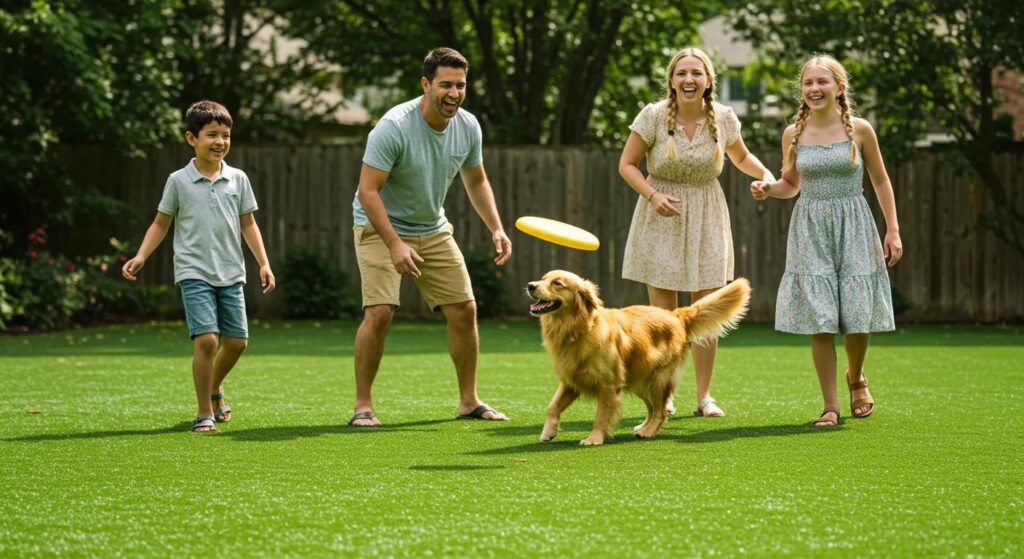
Artificial turf is a smartly engineered surface of premium synthetic fibers, designed to look and feel just like natural grass. It’s the ultimate low-water, low-maintenance solution for homeowners eager to upgrade their lawns, create fun play areas, or add specialty surfaces. This complete guide tackles all your burning artificial turf questions, helping you explore materials, installation choices, maintenance tips, costs, and accessory options so you can make a truly confident, informed decision. Many homeowners and landscapers often ask for clear comparisons between landscape turf, pet turf, and putting greens, along with hands-on DIY advice and local supplier insights, perfect for San Jose’s unique climate. Here, we’ll explain how turf is made, the key things to consider (like heat, lifespan, and cost), and easy-to-follow installation steps you can tackle yourself or entrust to professionals. You’ll also find handy comparison tables, detailed infill guidance, realistic cost breakdowns, warranty and financing considerations, plus local buying tips for San Jose residents. By the end, you’ll know exactly which turf fits your project, how to install or care for it, and where to get samples, in-stock options, or a personalized quote from your trusted local experts.
What Exactly Is Artificial Turf, and What Are Its Big Benefits and Any Drawbacks?
Artificial turf is a cleverly engineered product, featuring synthetic fibers tufted into a durable backing, often enhanced with an infill layer to mimic soil and provide essential stability. What makes turf so incredibly durable? It’s a smart combination of UV-stabilized polymer fibers, a reinforced backing, and the right infill, all working together to resist wear and keep those blades looking vibrant and resilient. The biggest perks include significant water savings, a consistently beautiful lawn all year long, and far less routine maintenance compared to natural grass, which means more time and money back in your pocket! Of course, there are a few things to consider, like a higher initial cost, potential surface heat on super sunny days, and end-of-life recyclability. Understanding these trade-offs helps you plan smart, perhaps with cooling infills or strategic shade. In the next sections, we’ll dive into how turf is made, highlight its amazing environmental advantages, and detail common limitations so you can truly weigh its long-term value.
How Is Artificial Turf Made, and What Materials Go Into It?
The journey of artificial turf typically starts with polymer extrusion, where yarn is formed. This yarn is then tufted into a primary backing, followed by a secondary coating that locks the fibers securely in place and creates crucial drainage holes. You’ll find common fiber materials like polyethylene, known for its soft, natural feel in blades; polypropylene, a great choice for budget-friendly projects; and nylon, which is super resilient for high-wear sports surfaces. Each material offers a unique balance of softness, durability, and UV resistance. That’s why polyethylene is often the top pick for residential landscape and pet turf—it beautifully mimics natural grass while standing up to wear and maintaining its color. The quality of the backing and the density of the stitching (stitch rate) play a huge role in how long your turf lasts and how strong its seams are. So, choosing the right fiber and backing combo is absolutely key for your specific traffic and usage needs. Knowing these manufacturing steps helps explain why prices and warranties can vary so much between different turf types and suppliers.
What Are the Big Benefits and Environmental Perks of Artificial Grass?
Artificial grass dramatically cuts down on or even eliminates outdoor watering, which is a massive win, especially in drought-prone areas like San Jose where water conservation is a huge environmental benefit. Less mowing, fertilizing, and pesticide use means fewer emissions and less chemical runoff compared to traditional lawn care. Plus, its predictable durability means you’ll spend fewer resources on reseeding and repairs over time. For pet parents and active families, specially engineered drainage and pet-specific turf systems mean less mud and a usable yard all year round, encouraging more outdoor fun without the constant upkeep. These advantages make artificial turf a truly smart, eco-friendly choice for many homeowners. Up next, we’ll cover the key limitations you should keep in mind when planning your turf installation.
Artificial Turf vs. Natural Grass: A Cost and Benefit Analysis
The debate between whether artificial grass or natural grass is better has recently gained popularity among sports advocates and athletes. The immediate explanation for this surge of popularity can be indicated by the increased concerns regarding environmental conservation, health concerns, and growing costs. Previous research has shown that the choice between the two surfaces often depends on specific needs and preferences, each having their own unique advantages and disadvantages. Natural grass is often portrayed as being the safest option when it comes to playing because of its longevity in use and other factors. This has contributed to the overall discussion whether one surface is better than the other and has led to the question of the validity of artificial turf use. Data gathered and researched from sources such as “Synthetic Turf: Health Debate Takes Root,” “Synthetic Turf vs. Natural Grass,” and Sports Health articles reveal that natural grass has significant be
How to Pick the Perfect Artificial Turf for Your Home or Project
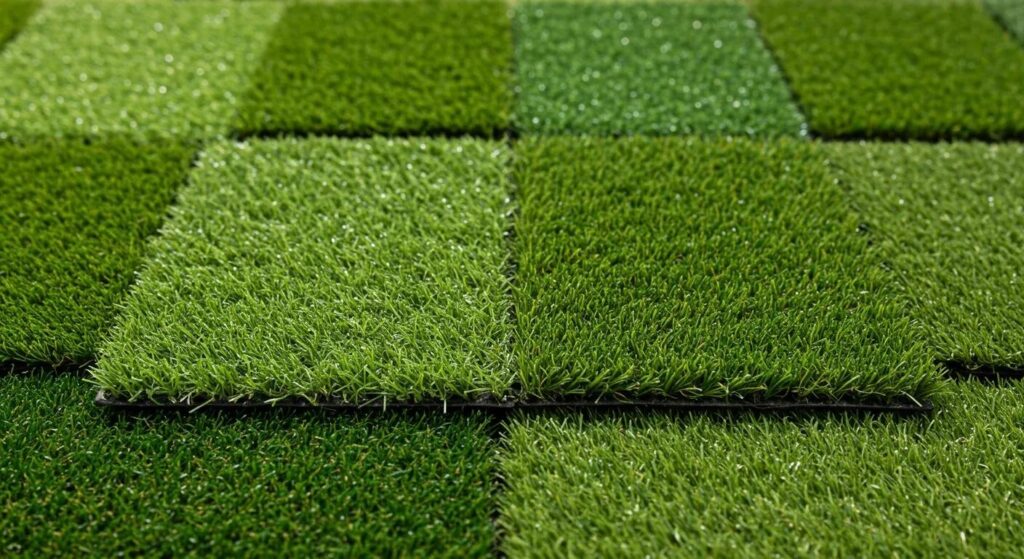
Choosing the right artificial turf means matching key product features—like pile height, face weight, fiber type, backing, and warranty—to your specific needs, whether it’s for a beautiful landscape, a pet-friendly zone, or a pristine putting green. The secret to great performance lies in how fiber properties (softness and resilience), pile height (how it looks versus how durable it is), and infill (stability, drainage, and cooling) all work together. When you’re selecting turf, think about how much foot traffic it will get, if pets will use it, your aesthetic goals, drainage requirements, and the warranty coverage you expect. This helps you find that sweet spot between upfront cost and long-lasting performance. Our handy checklist below boils down the top factors to consider, so you can quickly pinpoint the product family that’s right for your project and move on to getting samples or a quote.
- Your Project’s Purpose: Go for landscape turf for general lawns, pet turf for superior hygiene and drainage, and putting green turf for that smooth, low-pile golf course feel.
- Pile Height & Face Weight: A taller pile often looks more lush but might need more infill; a heavier face weight generally means better durability for busy areas.
- Fiber Material: Polyethylene gives a natural feel for yards and pets; nylon is your go-to for heavy-duty wear; polypropylene is a smart choice for budget-conscious installations.
- Drainage & Infill Needs: Always confirm the percolation rate and infill compatibility to prevent water pooling and manage surface temperature effectively.
- Warranty & Colorfastness: Pick products with excellent UV stability and a warranty that stands up to the sun exposure your turf will face, keeping it vibrant for years.
This checklist helps you quickly narrow down your options, making it easy to compare specific turf types based on measurable specs and price ranges.
When you’re comparing different product families, think about how each turf perfectly blends appearance with function. Below, you’ll find a comparison table that highlights typical attribute ranges across popular residential turf categories. It’s designed to help you visualize the differences before you even request samples or quotes.
| Turf Category | Typical Pile Height | Typical Face Weight | Recommended Use | Drainage |
|---|---|---|---|---|
| Landscape Turf | 1.25″ – 2.0″ | 40–80 oz/sq yd | Beautiful lawns, light-to-moderate traffic | Good |
| Pet-Friendly Turf | 0.75″ – 1.75″ | 35–70 oz/sq yd | Pet runs, yards with active pets | Excellent |
| Putting Green Turf | 0.25″ – 0.75″ | 20–40 oz/sq yd | Putting surfaces, short-game practice areas | Varies, depends on base |
This table clearly shows the trade-offs between look and performance, helping you create a shortlist of products to sample. In the next section, we’ll explore specific product categories available locally and guide you on how to evaluate samples and check in-stock availability.
What Kinds of Artificial Turf Does Artificial Turf Express Offer?
Artificial Turf Express proudly stocks a fantastic range of residential turf products, including lush landscape turf, advanced pet grass systems, professional putting greens, and specialty turf for play areas—all designed to meet the common needs of Bay Area homeowners. Our popular product families—like Journey, Marina, Seaside, and Meadow—offer diverse pile heights, textures, and performance profiles. This means you can truly see and feel your options in person before making your decision. Plus, our in-stock availability means many of these turf types are ready for immediate pick-up or delivery, cutting down lead times compared to custom orders and helping you kick off your project sooner. Visiting our local store to check out samples and test blade resilience underfoot is a crucial step. These readily available product lines offer practical, high-quality selections for most yards, pet zones, and small putting surfaces. If you’re looking for a personalized recommendation, simply request a sample or a quote to compare performance and warranty details for the specific family that perfectly matches your needs.
What Should I Really Think About When Choosing Artificial Turf?
Picking the perfect turf really comes down to measurable specs and practical factors that ensure your long-term happiness. Think about things like stitch rate, backing composition, UV treatment, and the recommended maintenance routines. Pile height impacts how dense and natural your turf looks when brushed, while face weight is a strong indicator of how well it will hold up under heavy foot traffic. Stitch rate, on the other hand, affects seam stability and overall resilience. The way colors are blended and the presence of thatch layers, contribute to that natural look and how well the turf bounces back after being compressed. And don’t forget backing types—they’re crucial for drainage performance and how easy installation will be. Always consider local climate factors, especially San Jose’s sun exposure and hot days. Make sure to choose UV-stabilized products with warranties that cover colorfastness and material degradation, so your turf stays beautiful for years to come.
What’s Infill, and Why Is It So Important for Turf Performance?
Infill is that granular material you place between artificial grass fibers, and it’s essential for supporting the blades, adding ballast, boosting drainage, and even moderating surface temperature. It’s key to how your turf performs and feels! Common infill roles include stabilizing the turf underfoot, adding weight to prevent wind uplift, improving shock absorption for play areas, and helping with drainage when paired with the right base. Different infill materials—like sand, crumb rubber, coated silica, Zeolite, or even walnut shell—each offer unique benefits such as cooling, odor control, or better rebound for sports surfaces. So, your choice should perfectly match your use case, whether it’s for pets, a beautiful landscape, or a sports area. Picking the right infill significantly improves both functionality and longevity, and it naturally leads us into discussing accessory choices later in this article.
Ready to Install? Your Guide to DIY vs. Professional Artificial Turf Installation
Artificial turf installation follows a clear process: site preparation, base construction, compaction, turf laying, seaming, infill, and finishing. The real question of whether DIY is right for you or if professional installation is best often comes down to the complexity of each step. What makes installation tricky? Primarily, it’s your site conditions: things like grading, existing soil, specific drainage needs, and removing obstacles all increase the labor and equipment required, which can definitely push a job into professional territory. For smaller, straightforward yards with level ground, a capable DIYer with the right tools can achieve fantastic results. But for sloped sites, intricate drainage, or larger installations, a professional crew ensures consistent compaction, perfect seam integrity, and warranty-backed work. Our next sections offer a handy tools checklist and a detailed step-by-step workflow, so you can confidently decide which route fits your project and budget best.
Can I Install Artificial Turf Myself? What Tools and Resources Will I Need?
Absolutely, DIY installation is totally doable for homeowners with some intermediate DIY skills, a good dose of patience, and access to a few specialized tools. Your success really hinges on proper base preparation and compaction for long-term performance. You’ll definitely need essential tools like a plate compactor to get that base solid, a utility knife for precise cuts, seaming tape and adhesive for joining rolls seamlessly, landscape staples or nails for securing the perimeter, and an infill spreader or drop spreader for even distribution. Don’t forget safety gear like knee pads, gloves, and eye protection! Having access to detailed installation guides, helpful how-to videos, and local product samples will significantly boost your chances of achieving a professional-looking result. If any step—like grading, drainage installation, or complex seaming—feels a bit beyond your comfort zone, the next section explains the professional installation process and what to expect when you hire experienced installers.
What Are the Step-by-Step Processes for Installing Artificial Turf?
A truly reliable installation follows five key phases: first, removal and grading; second, base installation and compaction; third, turf positioning and seaming; fourth, infill application and grooming; and finally, finishing details like edging and cleanup. You’ll start by clearing out existing vegetation and debris, then grade the area and install a permeable base—typically crushed rock or decomposed granite—compacting it in layers to create a stable, well-draining foundation. Next, lay your turf rolls, paying close attention to the pile direction. Seam adjacent rolls using seaming tape and adhesive, secure the perimeters with nails or staples, then gradually add infill while grooming the fibers upright. The final touches include trimming any excess material, installing edging to lock the turf firmly in place, and a thorough drainage inspection. Professional installers, of course, perform rigorous quality checks and can provide warranty-backed workmanship for even the most complex sites.
As part of our commitment to installation support, Artificial Turf Express offers both fantastic DIY resources—including detailed installation guides and helpful blog content—and professional installation services upon request. Our knowledgeable staff are always ready to advise on base preparation and material selection. With our local showroom and readily available in-stock products, it’s incredibly easy to examine samples, rent or get recommendations for tools, or simply request a project quote. For homeowners who might be unsure about their site’s complexity, requesting an on-site assessment or a formal quote from a local supplier helps clarify expectations and ensures your installation perfectly aligns with warranty requirements.
How Do I Keep My Artificial Turf Looking Great and Lasting Longer?
Maintaining artificial turf is all about keeping it beautiful and functional. This means regular debris removal, fiber grooming, smart infill management, and targeted cleaning. These practices are key to extending your turf’s life by keeping the blades upright and ensuring excellent drainage. How does turf show its age? Often, fibers flatten, infill compacts, and the surface gets soiled. But regular brushing and occasional infill top-ups can reverse these trends and restore peak performance. Seasonal checks for drainage, seam integrity, and perimeter fastening help prevent bigger repairs down the line, while quickly addressing spills and pet waste stops stains and odors in their tracks. The following sections will walk you through essential cleaning routines and smart pet/winter strategies to keep your turf performing its best, year after year.
What Are the Best Cleaning and Grooming Tips for Artificial Grass?
Routine grooming is a must! This includes brushing the fibers against the grain with a stiff synthetic bristle broom to lift the blades and redistribute infill. This simple step preserves that natural look and prevents matting from foot traffic. Weekly tasks typically involve clearing leaves and debris with a leaf blower or rake. For spills, spot clean with a mild detergent and water, then rinse thoroughly—just be sure to avoid harsh solvents that could damage the backing or fibers. Periodic power-rinsing, especially after dusty seasons, helps clear fine sediment from the surface and keeps drainage flowing smoothly. While you’re cleaning, inspect seams and edges to catch any loose staples or exposed adhesives early. Consistent grooming and timely spot-care maintain both the beauty and functional drainage of your turf, which naturally leads us to pet-specific maintenance, up next.
How Do I Tackle Pet Odors and Get My Artificial Turf Ready for Winter?
Managing pet waste means promptly removing solids and routinely rinsing urine-prone areas. Choosing odor-absorbing infill materials like zeolite or specialized pet infills is a game-changer for reducing ammonia buildup and boosting hygiene. For liquid messes, a targeted rinse with water and a pet-safe enzymatic cleaner prevents residue buildup, and periodic deep rinses help flush salts and organic matter from the infill and base, keeping that percolation strong. For mild San Jose winters, winterization typically focuses on clearing debris, double-checking drainage pathways after heavy rains, and removing any leaves or organic material that could trap moisture against the backing. These pet and seasonal maintenance steps are vital for preserving your turf’s condition and protecting your investment in your landscape or pet area.
What’s the Real Cost of Artificial Turf, and What Value Does It Truly Offer?
The cost of artificial turf includes materials, labor (if you hire pros), accessories, and infill. But the real value? That comes from long-term savings on water, equipment, and maintenance time, all while enjoying a consistently beautiful lawn. Typical per-square-foot material costs for quality residential turf, and the range for professional installation, can vary based on your product choice, site prep needs, and accessory selections. Understanding each component helps you budget accurately. The long-term value often becomes clear through significantly reduced irrigation bills and lower recurring costs for mowing and fertilization. So, when you’re assessing your ROI, make sure to calculate the payback over several years. Our tables and examples below break down component costs and provide sample scenarios to give you realistic pricing for small, medium, and large yards.
| Cost Component | Typical Range (per sq ft) | Notes |
|---|---|---|
| Turf material | $2.50 – $8.00 | Depends on fiber type and face weight |
| Installation labor | $3.00 – $10.00 | Site prep, grading, base compaction influence cost |
| Infill & accessories | $0.50 – $3.00 | Infill type and edging materials vary |
| Typical total (installed) | $6.00 – $21.00 | Range reflects simple to complex installs |
This breakdown clearly shows how material quality and site complexity impact your total cost. It also explains why getting a local quote is absolutely essential for accurate pricing tailored to your specific conditions.
How Much Does Artificial Turf Really Cost Per Square Foot, Including Installation?
Installed costs typically range from budget-friendly, simpler lawn replacements on level sites to more premium installations that require grading, drainage upgrades, and top-tier turf choices. Generally, the total per-square-foot cost falls within the range we showed above. Smaller yards with minimal prep work can often hit the lower end of that installed range, while complex sites with retaining walls, steep slopes, or extensive base work will lean towards the higher bands. Factors that can increase the cost include excavation, removing existing turf, grading, thicker sub-bases for heavy use, and selecting high-performance infill for sports or pet areas. Requesting multiple local quotes and comparing product warranties and included services will help ensure you fully understand both the upfront cost and the ongoing value you’re getting.
What Warranty and Financing Options Are Available for Artificial Turf Products?
Warranties for turf products typically cover material defects, UV fading, and sometimes even fiber wear for specific periods. Coverage varies by product family and supplier, so it’s crucial to review the exact warranty terms when comparing your options. Many suppliers offer financing options, either in-house or through referrals to third-party lenders, allowing you to spread installation costs over time. These programs can make higher-quality products more accessible without compromising your performance expectations. For precise warranty details, financing availability, and sample comparisons, simply contact your local supplier to request documentation and an itemized quote that clearly outlines coverage specifics and any required maintenance to keep your warranty valid. Artificial Turf Express provides warranty and financing resources and always encourages customers to reach out to our store for exact quotes and documentation to confidently support their purchase decisions.
Where Can I Buy Artificial Turf in San Jose from a Trusted Supplier?
Local buyers in San Jose can easily evaluate samples in person, check our in-stock inventories for immediate pick-up or delivery, and request quotes from nearby suppliers to compare timelines and product families. Artificial Turf Express proudly operates a physical location at 370 Umbarger Rd, San Jose, CA, 95111. We emphasize a wide range of products kept in stock for immediate pick-up or delivery, including beautiful landscape turf, pet grass, putting greens, infill materials, and all the installation accessories you’ll need. Visiting our showroom to test sample pieces, feel the blade softness, and examine backing and drainage properties is a smart next step before making a commitment. Plus, our suppliers often provide helpful project estimation tools or even on-site consultations. For homeowners who prioritize immediate availability and a hands-on comparison, an in-person sample review and an itemized quote are the most reliable ways to finalize your product selection.
What Accessories and Infill Options Should I Consider for My Artificial Turf?
Your choice of accessories and infill significantly impacts your turf’s performance, surface temperature, drainage, and how pet-friendly it is. Selecting the right components ensures your installed system perfectly meets your specific needs. Infill options can change thermal properties, how a ball rolls, and odor control. Meanwhile, edging, fasteners, weed barrier, adhesives, and gopher wire all play a crucial role in installation longevity and protecting against uplift or burrowing. The table below compares common infill types by their main purpose and recommended applications, helping you match the perfect infill to your landscape, pet, or putting green requirements.
| Infill Type | Primary Purpose | Pros | Recommended Use |
|---|---|---|---|
| Silica Sand | Ballast/stability | Inexpensive, stable | Landscape, general use |
| Crumb Rubber | Shock absorption | Good rebound | Sports, heavy-use areas |
| Zeolite / Coated Infill | Odor control/cooling | Absorbs odors, can reduce heat | Pet areas |
| Walnut Shell | Natural alternative | Biodegradable option | Pet areas, landscape |
This comparison clearly shows how choosing the right infill customizes your turf’s behavior for its intended uses, and how smart accessory choices complement your base design to protect your investment and boost functionality.
How Do I Choose the Right Infill for Different Turf Applications?
Match your infill properties to your top functional priorities: for pet areas, definitely use zeolite or coated infills to control odor and reduce heat. For landscape stability where ballistics aren’t a concern, fine silica sand is a great choice. And for playfields, opt for crumb rubber or specialized sports infill for excellent shock absorption. Always consider your environmental and safety preferences—some homeowners prefer organic alternatives like walnut shell over crumb rubber due to perceived health or environmental concerns. Drainage compatibility is absolutely essential: your infill should never impede percolation, and your base design must accommodate your chosen infill type to prevent compaction. Always evaluate the manufacturer’s recommendations for each turf family to ensure infill compatibility and keep your warranty valid.
What Other Accessories Are Absolutely Essential for Turf Installation and Longevity?
Essential accessories include a durable edging system to firmly anchor your turf’s perimeter, high-quality seaming tape and adhesive for robust joins, galvanized staples or nails for secure fastening, landscape fabric to effectively inhibit weed growth, and in some regions, gopher wire to prevent burrowing damage. For premium upgrades, you might consider higher-grade edging profiles, geotextile liners for extra stabilization, and antimicrobial infill additives for pet areas. While these options increase upfront cost, they significantly reduce long-term repair needs. Choosing the right accessories protects seam integrity, prevents weed intrusion, and dramatically improves your overall system’s longevity. So, make sure to include accessory costs in your initial project estimate and periodically inspect installed components.
For local assistance, easy sample access, and in-stock accessory availability, we encourage you to visit our showroom at the supplier address listed earlier. You can see products firsthand and request an itemized quote or consultation. This way, you can confidently confirm accessory compatibility with your chosen turf family and finalize a complete installation plan that perfectly aligns with your budget and performance goals.
Frequently Asked Questions
What are the environmental impacts of artificial turf compared to natural grass?
Artificial turf significantly reduces water usage, which is crucial in drought-prone areas. Unlike natural grass, it doesn’t require mowing, fertilizers, or pesticides, leading to lower emissions and chemical runoff. However, the production and disposal of synthetic materials can have environmental consequences. It’s essential to consider the entire lifecycle of the turf, including its recyclability and the energy used in manufacturing. Overall, while artificial turf offers immediate environmental benefits, its long-term sustainability depends on responsible sourcing and recycling practices.
How does foot traffic affect the performance of artificial turf?
Foot traffic can significantly impact the performance and longevity of artificial turf. High-traffic areas may experience faster wear and tear, leading to flattened fibers and reduced aesthetic appeal. Choosing the right type of turf, such as those designed for heavy use, can help mitigate these effects. Regular maintenance, including grooming and infill management, is crucial to maintaining the turf’s appearance and functionality. For areas with heavy foot traffic, consider installing a more durable turf option to ensure it withstands the demands of active use.
Can artificial turf be installed over existing grass?
While it is technically possible to install artificial turf over existing grass, it is not recommended. The underlying grass can create uneven surfaces, leading to drainage issues and potential damage to the turf. Proper site preparation, including removing existing vegetation and ensuring a stable base, is essential for a successful installation. This process helps prevent future problems and ensures the turf performs optimally. For the best results, it’s advisable to clear the area completely before laying down the artificial turf.
What are the differences between various types of infill for artificial turf?
Infill materials play a crucial role in the performance of artificial turf, affecting stability, drainage, and temperature control. Common types include silica sand, which provides ballast; crumb rubber, known for shock absorption; and zeolite, which helps control odors. Each infill type has its advantages and is suited for different applications. For instance, pet areas benefit from odor-absorbing infills, while sports fields require materials that enhance durability and cushioning. Choosing the right infill is essential for maximizing the turf’s functionality and longevity.
How can I ensure my artificial turf stays cool during hot weather?
Keeping artificial turf cool in hot weather can be challenging, but there are effective strategies. Opting for cooling infills, such as coated silica or organic materials, can help reduce surface temperatures. Additionally, providing shade through landscaping or structures can minimize direct sunlight exposure. Regular watering of the turf can also help cool the surface, especially during peak heat. Implementing these measures will enhance comfort and usability, making your outdoor space more enjoyable during hot summer months.
What should I do if my artificial turf gets damaged?
If your artificial turf gets damaged, the first step is to assess the extent of the damage. Minor issues, like small tears or seams coming apart, can often be repaired with specialized adhesives or seaming tape. For more significant damage, such as large rips or worn areas, you may need to replace sections of the turf. It’s essential to follow the manufacturer’s guidelines for repairs and maintenance to ensure the longevity of your turf. If you’re unsure, consulting a professional installer can provide the best solution for your specific situation.
Are there any specific regulations regarding artificial turf installation in my area?
Regulations regarding artificial turf installation can vary by location, so it’s essential to check with local authorities or homeowner associations before proceeding. Some areas may have specific guidelines related to drainage, environmental impact, or aesthetic standards. Additionally, certain neighborhoods may have restrictions on the type of materials used or the appearance of the turf. Researching these regulations beforehand can help you avoid potential issues and ensure your installation complies with local requirements.
What’s the typical lifespan of artificial turf?
The lifespan of artificial turf generally ranges from 10 to 25 years, depending on several key factors like the quality of materials used, the amount of foot traffic it receives, and how well it’s maintained. Higher-quality turf, with robust UV resistance and durable fibers, can certainly last longer, while more budget-friendly products might show wear sooner. Consistent maintenance, including regular grooming and infill management, can also significantly extend your turf’s life, ensuring it stays functional and visually appealing for many years to come.
How does artificial turf impact my property value?
Installing artificial turf can definitely boost your property value by enhancing curb appeal and significantly cutting down on maintenance costs. Homebuyers often really appreciate the low-water and low-maintenance benefits of artificial grass, especially in drought-prone regions. However, the overall effect on property value can vary based on local market trends and individual buyer preferences. It’s always smart to consider the aesthetic and functional benefits of turf installation as part of a broader landscaping strategy to truly maximize your property’s appeal.
Can artificial turf be recycled?
Yes, absolutely! Many types of artificial turf can be recycled, though the exact process might vary by manufacturer and local recycling facilities. Some companies even offer convenient take-back programs to recycle old turf, transforming it into new products or materials. It’s always a good idea to check with your turf supplier about their recycling options and any specific requirements for returning used turf. Recycling helps reduce landfill waste and strongly supports sustainable practices in landscaping.
What are the best ways to winterize my artificial turf?
Winterizing your artificial turf involves a few key practices to ensure its longevity and top performance during colder months. Start by clearing away debris, such as leaves and branches, to prevent any moisture buildup. Double-check your drainage pathways to make sure they’re clear and working perfectly. If you live in an area with heavy snowfall, consider gently brushing off the snow to prevent matting. Regular inspections throughout the winter can help you spot any issues early, ensuring your turf remains in excellent condition for spring.
How do I pick the right infill for my artificial turf?
Selecting the perfect infill for your artificial turf really depends on its intended use. For pet areas, definitely consider infills that control odors and offer cooling properties, such as zeolite or coated infills. For sports or high-traffic zones, crumb rubber or specialized sports infill provides excellent shock absorption and durability. Always ensure that your chosen infill is fully compatible with your specific turf type and meets all drainage requirements to maintain optimal performance and longevity.
What kind of maintenance does artificial turf require?
Maintaining artificial turf involves regular cleaning, grooming, and smart infill management. Routine tasks include removing debris, brushing the fibers to keep them standing tall, and checking for any signs of wear or damage. Promptly spot cleaning spills and pet waste helps prevent odors and staining. Additionally, periodic infill top-ups are necessary to maintain stability and cushioning. Following a consistent maintenance schedule will ensure your turf stays attractive and functional for many years to come.
Are there any health concerns linked to artificial turf?
While artificial turf is generally considered safe, some concerns have been raised regarding potential health risks, particularly related to infill materials like crumb rubber. Studies have shown mixed results, and ongoing research continues to evaluate these concerns. To mitigate risks, homeowners can choose alternative infill options, such as organic materials or coated infills, which may offer safer alternatives. It’s essential to stay informed and consult with suppliers about the materials used in your turf to make a truly educated decision.
Conclusion
Choosing artificial turf provides homeowners with a sustainable, low-maintenance solution that conserves water and reduces upkeep costs while maintaining a lush, green aesthetic year-round. By understanding the various types, materials, and installation options, you can make informed decisions tailored to your specific needs. Exploring local suppliers and evaluating samples ensures you find the perfect fit for your project. Ready to take the next step? Get in touch with Artificial Turf Express today to explore our premium turf options, request a free consultation, and start transforming your outdoor space into the dream yard you’ve always wanted!


