

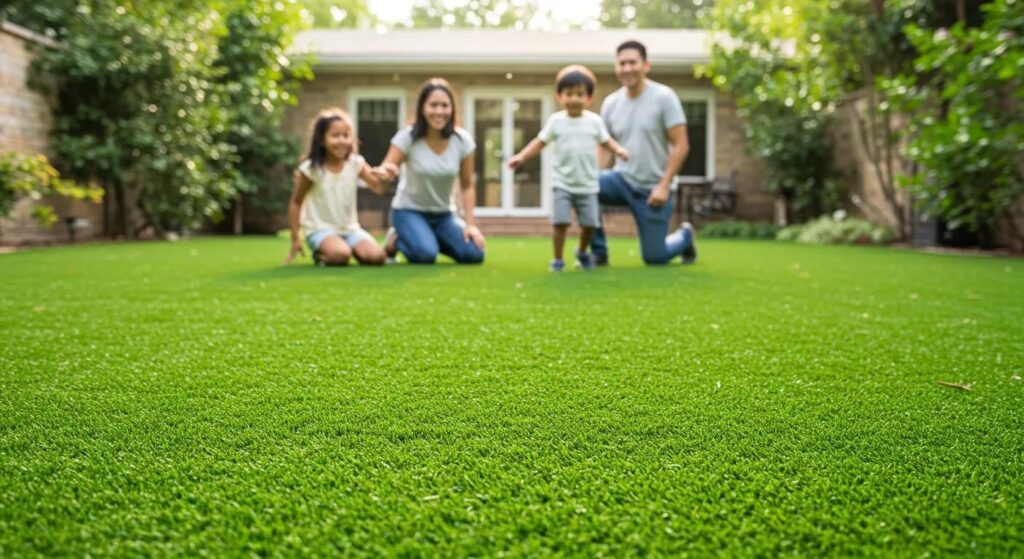
Choosing the right artificial turf supplier for your home is a truly significant decision that shapes your lawn’s beauty, its longevity, and your overall investment. This comprehensive guide is designed to help you confidently evaluate suppliers and select the absolute perfect turf for your unique needs. You’ll uncover essential product quality features to prioritize (like materials, pile height, face weight, backing, and drainage), how different turf types perfectly fit common uses (think lush residential landscapes, active pet zones, or pristine putting greens), and which supplier services are absolutely crucial for a smooth installation and a rock-solid warranty. We’ll expertly break down key supplier evaluation criteria, compare popular turf categories with real-world examples, and walk you through installation and maintenance choices so you can confidently decide between a DIY approach and professional expertise. Common frustrations like UV fading, poor drainage, or confusing warranty terms are easily avoidable; this guide will show you exactly how to spot and steer clear of those risks. Plus, we’ll cover cost and ROI, specific San Jose considerations that might influence your product choice and logistics, and what to truly expect from product warranties to fully safeguard your valuable investment.
What Are the Key Factors When Choosing Your Artificial Turf Supplier?
Embarking on your supplier search means having crystal-clear priorities. Product quality, a stellar reputation, a robust warranty, immediate inventory availability, and excellent installation support are the absolute core elements you’ll want to consider. Product quality is paramount because the materials and construction directly dictate crucial aspects like UV resistance, how well the pile bounces back after use, and superior drainage performance—all of which profoundly affect your turf’s stunning appearance and impressive longevity. A supplier’s reputation and commitment to customer service are vital; prompt, helpful responses, verifiable local references, and straightforward warranty procedures significantly reduce your long-term risk and stress. And don’t overlook inventory and delivery logistics, as these directly impact your project timeline. Suppliers with readily available products and efficient local delivery can dramatically shorten lead times and keep your exciting project right on schedule.
When you’re ready to evaluate potential suppliers, use this super handy checklist to guide your decisions and quickly compare different vendors with ease.
- Material & Specs Check: Always confirm the fiber material, ideal pile height, face weight, backing type, and crucial drainage rate.
- Reputation Review: Ask for local references, recent installation photos, and thoroughly assess their responsiveness and communication.
- Warranty Clarity: Request the written warranty terms for UV protection, material defects, and backing failures—no surprises!
- Inventory & Logistics: Verify in-stock status, available pickup options, and reliable delivery capabilities for your project.
- Installation Support: Inquire about helpful DIY resources, professional installation services, and essential accessory availability.
This checklist provides a quick, actionable framework for your supplier interviews and showroom visits, ensuring you cover all the bases. Next, we’ll dive deeper into how product quality attributes truly impact your turf’s long-term performance.
How Does Product Quality Truly Influence Your Artificial Turf Selection?
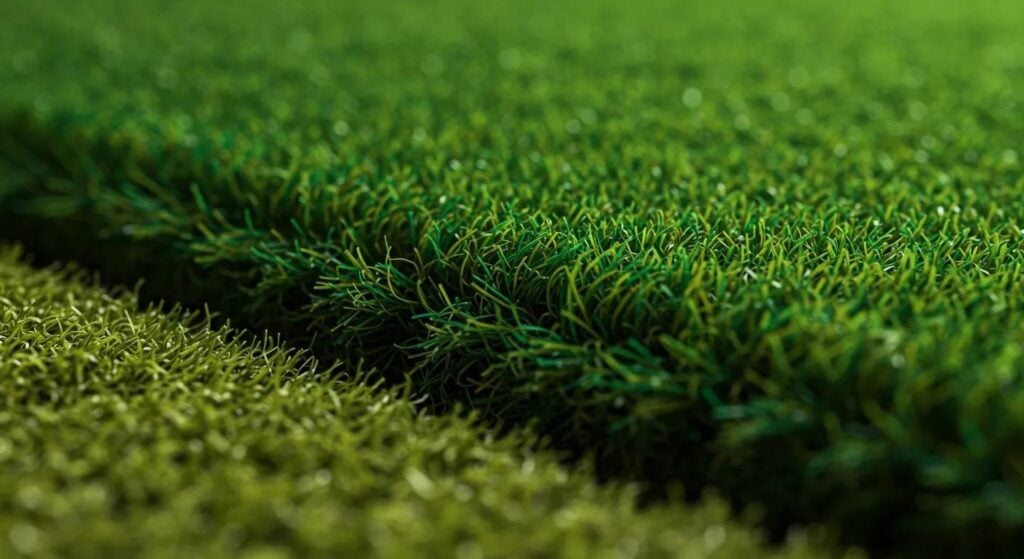
Artificial Turf Product quality is the secret ingredient to how realistic, resilient, and wonderfully easy-to-maintain your turf surface will be, and it all begins with the fiber material and its expert construction. Polyethylene fibers are often the sweet spot, perfectly balancing softness with excellent UV resistance for most landscape turf applications. Polypropylene can be a budget-friendly choice for low-profile applications, while nylon offers incredible, unmatched durability for those high-traffic areas that see a lot of action. The backing material—typically robust polyurethane—is absolutely crucial for dimensional stability and proper, efficient drainage. Pile height and face weight play a huge role in how full and lush your turf looks, as well as its impressive ability to withstand wear and tear. Taller piles with a higher face weight offer that luxurious, dense look but might need specific infill and a bit more maintenance. Shorter, denser piles are perfect for precision putting greens or busy zones where consistency is key. Finally, the drainage rate and backing perforations are critical for keeping pet areas dry, hygienic, and odor-free, making superior drainage a top installation consideration for pet owners.
Understanding these key components—pile height, face weight, backing, and drainage—will truly empower you to match the turf’s construction to your lawn’s exact intended use, ensuring a perfect fit. In the next section, we’ll explore how a supplier’s reputation and service perfectly complement product quality.
Why Are Supplier Reputation and Customer Service Absolutely Essential?
A supplier’s reputation is a strong, reliable indicator of what you can truly expect from your installation experience and how dependable their warranty will be. The very best way to verify this is through compelling local case studies, recent glowing customer reviews, and solid references provided directly by the supplier themselves. Don’t ever hesitate to ask suppliers for photos of nearby installations, clear, transparent timelines for delivery and installation, and concrete examples of how they’ve successfully handled warranty claims. Prompt, well-documented responses are a clear, reassuring sign of effective post-sale service and a commitment to customer satisfaction. A solid showroom or warehouse presence is also a huge plus, allowing you the invaluable opportunity to inspect turf rolls in person, compare colors and pile options side-by-side, and confirm in-stock availability before you make your commitment. These crucial service elements significantly reduce uncertainty and help connect product specifications to real-world, outstanding performance.
Taking the time to thoroughly verify a supplier’s reputation and service expectations *before* Your purchase can prevent unwelcome surprises during installation and helps ensure your valuable warranty coverage is honored without a hitch. This naturally leads us to matching the right turf types to your specific lawn needs, ensuring you get exactly what you’re looking for.
How Do Different Artificial Turf Types Perfectly Cater to Your Lawn’s Unique Needs?
Different turf categories—like our beautiful landscape, durable pet, and precise putting green turf—are expertly designed with specific use cases in mind, perfectly balancing pile height, density, and drainage performance to deliver their intended function with excellence. Landscape turf aims for a natural, breathtaking look with moderate pile height and face weight, making it perfect for an aesthetic lawn replacement that truly enhances your home’s curb appeal. Pet turf, on the other hand, prioritizes rapid, efficient drainage and super durable fibers for optimal hygiene and odor control, keeping your furry friends happy and your yard fresh. Putting green turf features a low pile and dense stitching for that consistent, true ball roll and a perfectly smooth, professional-grade surface. Comparing these categories side-by-side will help you, the homeowner, choose the ideal balance of stunning appearance, fantastic playability, and easy maintenance requirements.
Below, you’ll find a concise product comparison to show how some of our sample product names align with common attributes and their very best uses, making your choice even easier.
| Product Name | Typical Pile Height | Best Use |
|---|---|---|
| Journey | 1 3/8″ | Residential landscape for a truly natural, inviting look |
| Marina | 1 5/8″ | Low-maintenance yards, absolutely perfect for moderate traffic areas |
| Seaside | 1 5/8″ | Pet-friendly areas, with a strong, undeniable focus on superior drainage and hygiene |
| Meadow | 1 3/8″ | Putting greens and play areas where consistent, precise performance is key |
This easy-to-read comparison beautifully illustrates how specific product examples align with pile height and application, guiding your decision. Choosing the right category then helps you narrow down your options to a handful of truly suitable products that will exceed your expectations.
What Are the Best Artificial Grass Options for Residential Lawns?
For residential lawns, homeowners typically seek a natural, inviting appearance that truly enhances their home, excellent color retention even under the strongest sun, and moderate durability to gracefully handle family life without demanding high maintenance. We highly recommend looking for polyethylene fibers with varied blade shapes to beautifully mimic the look and feel of real grass. Aim for pile heights roughly between 1.25 and 1.75 inches for that lush, full, luxurious look, and face weights that perfectly balance softness with impressive resilience. Always consider superior UV resistance and color-fast fibers to ensure your lawn maintains its vibrant, fresh appearance in even the sunniest areas. Also, choose backing and infill combinations that promote excellent drainage while keeping those blades standing tall and proud. While landscape turf generally requires low maintenance—think periodic brushing, easy debris removal, and occasional infill top-ups—your initial turf selection will greatly influence how often these simple tasks are actually needed, saving you time and effort.
Knowing these important details helps you narrow your choices and makes vetting suppliers much easier, allowing you to focus on products that truly meet your landscape criteria before diving into the exciting world of installation logistics.
How to Choose Pet-Friendly and Putting Green Turf?
For pet-friendly turf, your absolute priorities should be quick, efficient drainage, infill options that are antimicrobial-friendly to keep things fresh, and resilient fibers that resist matting even with frequent, playful pet traffic. Putting green turf, on the other hand, demands a low pile height, dense stitching, and a consistent grain for that perfectly predictable, professional-grade ball roll. For your beloved furry friends, look for micro-perforated backing and infill that actively helps control odors and allows for easy, thorough rinsing. For putting greens, choose a turf specifically engineered for uniformity and precision, with a low pile (often under 1 inch) and robust backing stability to support precision shaping and consistent play. Maintenance routines will differ: pet turf thrives with regular rinsing and spot cleaning, while putting greens require frequent grooming and sometimes specialized infill to maintain a true, flawless roll. Selecting the right category also simplifies your accessory choices—like essential weed fabric, appropriate infill, and fastening nails—ensuring your installation perfectly matches its intended, specific use.
These specific choices directly influence your installation and maintenance tradeoffs, which we’ll explore in exciting detail next, helping you make the best decisions for your unique space.
What You Absolutely Need to Know About Artificial Turf Installation and Maintenance
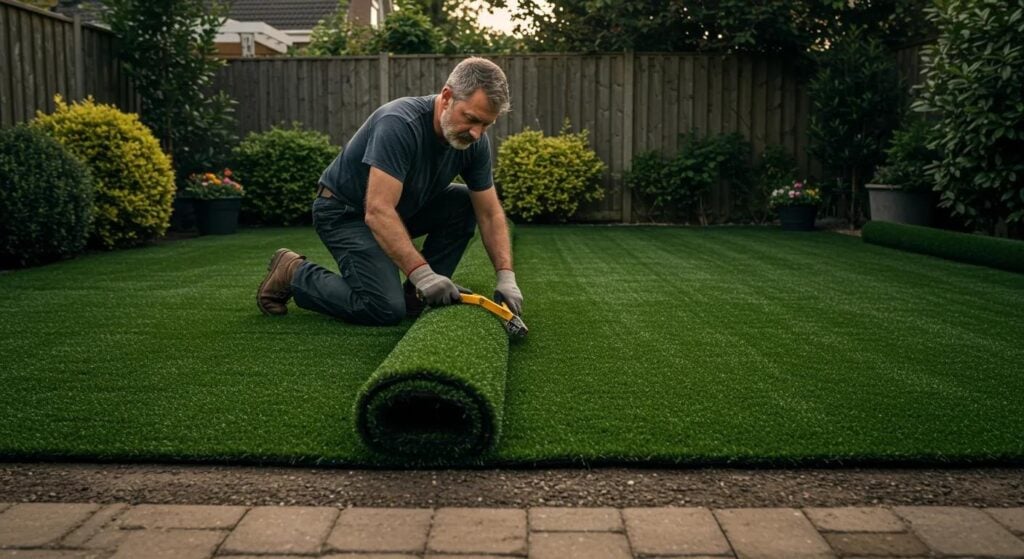
The quality of your installation and your ongoing maintenance routines are the ultimate, crucial determinants of whether your turf truly lives up to expectations for impressive longevity, superior drainage, and stunning appearance. Understanding your options empowers you to choose the perfect approach for your unique yard. A proper installation begins with careful grading, a well-compacted base, secure edge restraint, and precise, seamless seam techniques. Thoughtful drainage planning is absolutely key to preventing unsightly pooling and unwanted odors, especially in pet areas. Maintenance primarily involves routine brushing to keep blades upright and vibrant, timely debris removal to prevent organic buildup and staining, and infill management to restore performance and plushness over time. Deciding whether to hire seasoned professionals or confidently tackle a DIY project depends on your yard’s complexity, specific drainage needs, and your comfort level with specialized tools and techniques.
Below, you’ll find a practical comparison to help homeowners weigh the DIY versus professional installation choice, making your decision clearer.
- DIY Installation: Enjoy lower labor costs and greater personal control over your project, but be prepared for the need for specialized tools, significant physical labor, and the skill required to perfect seams and drainage for a flawless finish.
- Professional Installation: Expect a higher upfront cost, but benefit immensely from faster completion and a significantly reduced risk of workmanship-related warranty issues, giving you peace of mind.
- Hybrid Approach: Purchase your high-quality materials from a trusted supplier and then hire professionals specifically for base preparation or complex grading to strike a perfect balance between cost savings and expert quality.
This list clearly outlines the tradeoffs and leads us into a focused look at the pros and cons, along with essential maintenance routines that will truly preserve your turf’s life and beauty for years to come.
What Are the Pros and Cons of DIY vs. Professional Installation?
While DIY installation can certainly save on labor costs, it truly demands meticulous base preparation, precise edging, and correct, secure seam bonding. Errors in these critical areas can compromise drainage and potentially void certain warranty conditions, which nobody wants. Professional installers bring invaluable experience with grading, compaction, and advanced seam techniques, ensuring consistently excellent, long-lasting results. They typically also handle all debris removal and the final grooming for optimal aesthetics, leaving you with a perfect lawn. Be aware of hidden DIY costs—like specialized tool rentals, extra infill, and your valuable time—which can diminish apparent savings. Professionals, on the other hand, often offer coordinated delivery and installation schedules that can significantly shorten your project timelines, getting you to your dream lawn faster. Always consider your yard’s complexity: sloped sites, challenging drainage, or large areas generally benefit greatly from professional installation to protect your long-term outcome and investment.
Understanding these pros and cons will perfectly prepare you to choose a supplier that offers the ideal mix of high-quality materials, essential accessories, and robust installation support. Next, we’ll cover the routine maintenance practices that truly protect your valuable investment.
Which Maintenance Practices Ensure Your Turf’s Long-Term Durability?
Routine maintenance is absolutely key to preserving both the stunning appearance and optimal function of your artificial turf. Regular brushing prevents matting and keeps blades upright, timely debris removal avoids unsightly organic staining and buildup, and periodic infill top-ups maintain crucial blade support and shock absorption for a plush feel. For pet areas, rinse frequently to remove urine and solids, aerate compacted base zones as needed, and only use neutralizing agents as recommended by the turf manufacturer to avoid damaging delicate fibers or backing. Your seasonal checks should include drainage tests after heavy rain and a thorough inspection of seams and edges for any uplift or separation; addressing minor issues early prevents larger, more costly repairs down the line. Establish a consistent maintenance schedule—perhaps monthly brushing, quarterly infill checks, and annual deep inspections—to keep your turf performing optimally and looking beautiful for years to come.
These smart, proactive maintenance habits directly contribute to your cost savings and impressive ROI by reducing repair needs and significantly extending the useful life of your turf, which is the main focus of our next exciting section.
How Do Cost and Return on Investment Shape Your Supplier Decision?
When making cost decisions, it’s incredibly smart to weigh your initial material and installation expenses against the ongoing, significant savings in water, mowing, and maintenance. This helps you accurately estimate your payback period and the positive impact on your property value. Key expense components include the turf material per square foot, thorough base preparation, labor, and essential accessories like infill, nails, and weed fabric. Don’t forget to ask about convenient financing or staged payment options, which can ease the upfront burden and make your dream lawn more accessible. Long-term savings truly add up from reduced irrigation, no more regular fertilization, and lower routine landscape services, putting money back in your pocket. Plus, that consistently improved curb appeal from a perfectly green lawn can significantly boost perceived property value and marketability. Comparing typical expense types against your expected maintenance savings will clarify your impressive ROI and help you choose a supplier who offers transparent pricing and valuable, honest cost-saving recommendations.
Use the table below to compare typical expense types and their ROI implications, helping you, the homeowner, confidently evaluate your turf options and make the best choice.
| Expense Type | Typical Range | ROI Note |
|---|---|---|
| Turf material | Varies by quality and face weight | Investing in higher-quality turf increases upfront cost but significantly reduces future replacement risk, saving you money in the long run. |
| Base prep & grading | Dependent on site complexity | Proper base preparation is absolutely crucial; it minimizes long-term repair and drainage issues, protecting your investment. |
| Installation labor | DIY vs professional prices differ | Professional installation often delivers a better long-term ROI by preventing costly callbacks and ensuring a flawless finish. |
| Accessories (infill, weed fabric) | Modest compared to material | Using the correct accessories greatly improves both drainage and the overall life expectancy of your turf, a smart investment. |
This detailed cost breakdown truly empowers homeowners to forecast payback timelines and confidently choose a supplier who clearly explains how material specifications and installation quality directly influence long-term savings and satisfaction.
What Are the Initial Costs and Financing Options for Artificial Turf?
Your initial costs will primarily be driven by your turf selection, yard size, the complexity of your site preparation, and your essential accessory needs. For instance, complex grading or drainage upgrades will naturally increase both labor and material requirements, so it’s good to be aware. Typical cost elements include the chosen turf’s face weight and pile height, the amount of base aggregate needed for a solid foundation, labor for compaction and seamless seams, and accessories such as infill, nails, and weed fabric. Many reputable suppliers and contractors offer convenient financing, phased payment plans, or even leasing options to help spread out those upfront costs, making higher-quality systems more accessible and affordable for homeowners. When comparing quotes, always request an itemized breakdown. This allows you to pinpoint where potential savings are possible without ever sacrificing the crucial longevity of your valuable investment.
Clear cost transparency from suppliers significantly reduces decision friction and strongly supports your ROI calculations, giving you peace of mind. The following subsection will beautifully illustrate how your turf investment truly translates into impressive long-term savings and value.
How Does Artificial Turf Boost Property Value and Save You Money Over Time?
Artificial turf dramatically cuts down on ongoing expenses—think significantly lower water bills, no more mowing, zero fertilizing, and minimal seasonal upkeep—creating predictable annual savings that truly accumulate impressively over time. This can significantly shorten the payback window for your initial investment, putting money back in your pocket sooner. The enhanced curb appeal from a consistently green, perfectly manicured lawn can greatly improve buyer perception and potentially increase your property’s marketability; prospective buyers often highly value beautiful, low-maintenance landscaping. Water-conservation benefits are especially relevant and impactful in regions facing drought concerns, translating into immediate and noticeable reductions on your utility bills. Evaluating these financial effects with a supplier who provides local case studies and realistic savings estimates will help you quantify the true, tangible ROI for your specific property, making it a smart choice.
Translating these important ROI considerations into your supplier selection criteria naturally leads us to why choosing a local San Jose supplier can be particularly advantageous and beneficial for you.
Why Choosing a Local San Jose Artificial Turf Supplier is a Truly Smart Move
Opting for a local supplier brings a wealth of fantastic benefits: climate-specific expertise, faster logistics, easy showroom visits, and readily available nearby references. All of these factors significantly boost the likelihood of a truly satisfactory outcome for your San Jose yard, ensuring a perfect fit. Our unique Mediterranean climate here in San Jose means significant UV exposure and distinct seasonal rainfall patterns, both of which profoundly impact color retention and crucial drainage needs. Local suppliers deeply understand which turf specifications and installation techniques perform best right here in our community. Plus, local inventory and delivery mean shorter lead times and reduced shipping costs, saving you time and money. Local showrooms offer the invaluable opportunity to inspect roll samples and backing firsthand before you buy, giving you confidence in your choice. And with access to nearby installers and quicker warranty support, your project risk is further minimized compared to dealing with remote vendors, offering true peace of mind.
- Climate Expertise: Local suppliers can expertly recommend UV-resistant turf and ideal pile heights specifically for our San Jose sun exposure.
- Faster Logistics: In-stock inventory and local delivery mean your project schedules are significantly shortened, getting your dream lawn installed sooner.
- On-Site Inspection: Showrooms and warehouses allow you to get hands-on, comparing product colors and textures in person for the perfect match.
- Local References: Nearby installations provide tangible, observable proof of performance and long-term durability right in your community.
These local advantages truly empower homeowners to perfectly align product selection and installation with our region-specific demands, ensuring a beautiful and lasting result. The next subsection will detail exactly how our local climate influences your turf choice and a supplier’s responsibilities, making sure you’re fully informed.
How Does Our Local Climate Affect Your Turf Selection and Supplier Support?
San Jose’s unique blend of sunny summers and periodic winter rains means you absolutely need to select UV-resistant fibers and ensure your installation includes adequate drainage to handle seasonal runoff effectively and efficiently. UV resistance is crucial for preventing color fade and maintaining that natural, vibrant look over time, while backing perforation and base compaction specifications determine how quickly water moves through your system during heavy rains, preventing pooling. Suppliers with local experience can expertly advise on pile height and face weight choices that perfectly balance heat retention with tactile comfort, ensuring your turf feels great. They can also recommend drainage strategies specifically tailored to the microclimates within your property, providing a customized solution. Asking suppliers about local case studies and observed long-term performance provides practical, reassuring evidence to confidently support your product selection, giving you peace of mind.
Choosing a local supplier who maintains nearby inventory and offers convenient delivery options significantly reduces the risk of schedule delays and product mismatches, ensuring a smooth project from start to finish—a topic we’ll delve into in the next subsection.
What Are the Advantages of In-Stock Inventory and Local Delivery Services?
Immediate product availability truly streamlines your project schedules, making everything easier. When turf rolls are in-stock, homeowners can avoid frustrating multi-week backorders and coordinate their installation much more predictably and efficiently. Local delivery also cuts down on transportation costs and minimizes the risk of handling damage, plus it allows for quicker inspections of delivered rolls so any defects can be identified *before* installation begins, saving you headaches. Being able to pick up materials directly from a nearby showroom or warehouse is also a huge benefit for DIY projects, providing same-day access to essential accessories like infill, nails, and weed fabric, so you can get started right away. Always confirm inventory status in writing and inquire about contingency options if a specific color or batch happens to be out of stock, helping you avoid any last-minute substitutions and keeping your project on track.
These logistical benefits are closely tied to warranty support and post-sale service, both of which are absolutely essential when choosing a supplier. Our next major section will address your warranty expectations, ensuring you’re fully protected.
What Warranty and Support Should You Expect from a Truly Reliable Artificial Turf Supplier?
Truly reliable suppliers will provide clear, comprehensive written warranties that cover material defects, significant UV fade, and backing failures for a specified period. Understanding the full scope of coverage and the straightforward steps for making a claim is absolutely essential before you make a purchase, giving you peace of mind. A robust 15-year warranty is a strong indicator that a supplier genuinely stands behind its high-quality materials and can be a decisive factor when comparing offers, showcasing their confidence. Homeowners should always request the exact written terms and inquire about any exclusions, required maintenance conditions, and the precise claim procedures. Excellent post-sale support includes clear contact channels for claims, documented service timelines, and access to local installation partners for any corrective work. Reviews and testimonials that specifically detail warranty responsiveness and repairs offer invaluable practical insight into how a supplier handles real-world issues, giving you a true picture.
Below is a concise outline of what a robust 15-year warranty typically covers and what homeowners should always request in writing to ensure full protection.
What Do Warranties Cover and Why Is It So Important?
A warranty typically covers major material defects, such as premature fiber breakdown, significant UV color loss beyond a stated Delta E, and bonded backing failures that compromise the turf’s integrity and performance. Homeowners should always request the written warranty to confirm the exact coverage and any specific maintenance conditions required to keep it valid, ensuring you meet all requirements. Exclusions often include damage from improper installation, chemical misuse, pet abuse, or force majeure events, so it’s crucial to verify if installation by a certified professional is required for warranty validity. Understanding the claims process—including necessary documentation, inspection, and remediation timelines—reduces uncertainty and helps manage expectations if issues arise. A strong, clear warranty significantly lowers your long-term risk by shifting material failure responsibility back to the supplier, protecting your investment.
Requesting written warranty terms during the quoting process is a prudent, smart step and naturally leads into how customer reviews and testimonials can further validate a supplier’s support track record, giving you even more confidence.
How Can Customer Testimonials and Reviews Expertly Guide Your Choice?
Customer reviews offer invaluable real-world evidence of a supplier’s responsiveness to warranty claims, the exceptional quality of their installations, and the long-term performance of their turf in actual homes. Always prioritize recent, local reviews that include photos and timelines, as these are the most relevant. Look for reviews that specifically detail problem resolution steps and response times, and note whether the supplier provides compelling before-and-after imagery and references for nearby installations, showcasing their work. Verified project photos and detailed accounts illustrating how warranty issues were managed are far more valuable than generic praise, giving you concrete examples. Don’t hesitate to ask suppliers for local references you can personally contact or even visit, seeing their work firsthand. Cross-referencing these reviews with a showroom visit and a hands-on product inspection will build a truly holistic picture of likely outcomes for your project, ensuring you make the best decision.
For homeowners ready to move from research to action, consider the practical local options and comprehensive warranty documentation available from trusted suppliers, making your journey smooth and confident.
Artificial Turf Express proudly maintains a beautiful showroom and expansive warehouse right here in San Jose. We emphasize our extensive in-stock inventory, convenient local delivery, a wide variety of stunning landscape, durable pet, and precise putting green turf options, and a robust 15-year warranty on qualifying products, giving you complete peace of mind. For those ready to inspect samples, compare fantastic turf types like Journey, Marina, Seaside, or Meadow, or request detailed written warranty information, visiting our local showroom can truly streamline your decision-making and clarify all your installation and accessory needs. Our helpful DIY resources—including comprehensive installation guides and a valuable turf blog—empower homeowners to confidently evaluate whether to pursue professional installation or a self-installation, all while ensuring warranty conditions are met. Always remember to ask suppliers for written warranty documents and confirm in-stock status before ordering to protect both your timeline and your valuable investment.
For your exciting next steps, we highly recommend requesting a personalized written quote, asking for detailed warranty terms, and, whenever possible, inspecting turf rolls in person to compare pile, color, and backing before making your final, confident decision.
Frequently Asked Questions
What are the fantastic environmental benefits of artificial turf?
Artificial turf offers significant, truly fantastic environmental advantages, primarily by drastically reducing water usage since it completely eliminates the need for irrigation. This is particularly beneficial and impactful in drought-prone areas where water conservation is absolutely critical. Additionally, artificial grass does not require harmful fertilizers or pesticides, which can otherwise damage local ecosystems. By minimizing maintenance activities like mowing, it also helps lower carbon emissions from gas-powered equipment. Overall, choosing artificial turf truly contributes to a more sustainable landscape while maintaining an attractive, vibrant appearance year-round.
How long can I truly expect my artificial turf to last?
The lifespan of artificial turf typically ranges from an impressive 15 to 25 years, depending on crucial factors such as material quality, expert installation, and consistent maintenance. High-quality turf is specifically designed to withstand intense UV exposure, heavy foot traffic, and varying weather conditions with remarkable durability. Regular maintenance, including simple brushing and replenishing infill, can significantly extend its life and beauty. Homeowners should always consult suppliers about specific warranties and expected lifespans for different turf products to make truly informed decisions regarding their valuable investment.
Can artificial turf be recycled or disposed of responsibly?
Yes, many artificial turf products can indeed be recycled, although the exact process may vary by manufacturer and your specific local area. Some innovative companies even offer convenient take-back programs to recycle old turf into new materials, promoting a circular economy. If recycling is not an option, it’s absolutely essential to follow proper disposal methods to minimize environmental impact. Homeowners should always check with local waste management services for guidelines on disposing of artificial turf responsibly, actively promoting sustainability in landscaping materials.
What are some common myths about artificial turf?
One prevalent myth is that artificial turf requires absolutely no maintenance at all. While it is wonderfully low-maintenance compared to natural grass, it still greatly benefits from regular care, such as brushing and cleaning, to keep it looking its best. Another common misconception is that artificial turf becomes excessively hot in the sun; however, modern products are specifically designed with advanced cooling technologies to stay much cooler. Additionally, some believe artificial turf is harmful to pets, but many contemporary options are expertly engineered to be pet-friendly, featuring antimicrobial infill and superior drainage systems for optimal hygiene.
How does artificial turf impact my property’s drainage?
Artificial turf is expertly designed with superior drainage in mind, featuring perforated backing that allows water to flow right through and prevents unsightly pooling. Proper installation is absolutely crucial to ensure the base is graded correctly for effective, efficient drainage. In areas with heavy rainfall, a well-planned drainage system can truly help manage runoff and significantly reduce the risk of water damage. Homeowners should always consult suppliers about the very best drainage practices and turf options to ensure optimal performance for their specific climate and soil conditions, ensuring a dry, beautiful lawn.
What should I consider when making the exciting switch from natural grass to artificial turf?
Transitioning from natural grass to artificial turf involves several important, key considerations. First, thoroughly assess your site’s drainage and soil conditions to ensure a proper, long-lasting installation. Next, think carefully about the intended use of the area—whether for vibrant recreation, stunning aesthetics, or a happy pet zone—as this will expertly guide your turf selection. Evaluate initial costs against the impressive long-term savings in maintenance and water usage. Finally, always consult local suppliers to understand the best practices for installation and ongoing maintenance to ensure a truly successful, beautiful transition that you’ll love.
Are there any health concerns linked to artificial turf?
Health concerns regarding artificial turf often focus on the materials used, particularly the infill. Older products containing crumb rubber did raise questions about potential health risks. However, many reputable manufacturers now offer much safer alternatives, such as organic or non-toxic infill options, prioritizing your family’s well-being. It’s absolutely crucial to choose high-quality turf from reputable suppliers who adhere to strict safety standards. Regular maintenance and cleaning can also help mitigate any health concerns, ensuring a safe and enjoyable environment for both children and beloved pets.
What are the environmental perks of choosing artificial turf?
Artificial turf brings several fantastic environmental advantages, most notably a significant reduction in water consumption since it completely eliminates the need for irrigation. This is especially beneficial in drought-prone regions where water conservation is absolutely critical. Plus, artificial grass doesn’t require fertilizers or pesticides, which can otherwise harm local ecosystems. By minimizing lawn maintenance activities like mowing, artificial turf also helps reduce carbon emissions from gas-powered lawn equipment. All in all, choosing artificial turf can truly contribute to a more sustainable landscape while still looking absolutely beautiful.
How long can I expect my artificial turf to last?
The lifespan of artificial turf can vary quite a bit, depending on factors like the quality of materials, how well it’s installed, and your maintenance routine. Generally, you can expect high-quality artificial turf to last a good 15 to 25 years. Things like UV exposure, foot traffic, and local weather conditions can certainly influence its durability. Regular maintenance, including brushing and infill replenishment, will definitely help extend your turf’s life. We always recommend homeowners chat with suppliers about specific warranties and expected lifespans for different turf products to make the most informed decisions.
Can artificial turf be recycled or disposed of responsibly?
Yes, many artificial turf products can indeed be recycled, though the exact process might differ by manufacturer and your local area. Some companies even offer convenient take-back programs to recycle old turf, transforming it into new products or materials. If recycling isn’t an option, it’s important to follow proper disposal methods to minimize environmental impact. Homeowners should always check with their local waste management services for guidelines on disposing of artificial turf. Sustainable disposal practices are key to reducing landfill waste and promoting a circular economy in landscaping materials.
What are some common myths about artificial turf?
One common misconception is that artificial turf needs absolutely no maintenance. While it’s definitely low-maintenance compared to natural grass, it still benefits from regular care like brushing, cleaning, and infill management. Another myth is that artificial turf gets excessively hot in the sun; however, modern advancements have led to products specifically designed to stay cooler. Additionally, some people believe artificial turf is harmful to pets, but many contemporary options are engineered to be pet-friendly, featuring antimicrobial infill and superior drainage systems.
How does artificial turf impact my property’s drainage?
Artificial turf is expertly designed with drainage in mind, featuring perforated backing that allows water to flow right through and prevents pooling. Proper installation is absolutely crucial to ensure the base is correctly graded to facilitate this drainage. In areas with heavy rainfall, effective drainage systems can really help manage runoff and reduce the risk of water damage. Homeowners should always consult with suppliers about the best drainage practices and turf options to ensure optimal performance for their specific climate and soil conditions.
What should I consider when switching from natural grass to artificial turf?
Transitioning from natural grass to artificial turf involves several important considerations. First, thoroughly assess your site’s drainage and soil conditions to ensure a proper installation. Next, think about the intended use of the area—whether it’s for recreation, aesthetics, or a pet zone—as this will guide your turf selection. Also, carefully evaluate the initial costs against the long-term savings in maintenance and water usage. Finally, always consult with local suppliers to understand the best practices for installation and ongoing maintenance to ensure a truly successful transition.
Are there any health concerns linked to artificial turf?
Health concerns related to artificial turf often focus on the materials used, especially the infill. Some older turf products did contain crumb rubber, which raised questions about potential health risks. However, many manufacturers now offer much safer alternatives, such as organic or non-toxic infill options. It’s absolutely essential to choose high-quality turf from reputable suppliers who adhere to strict safety standards. Regular maintenance and cleaning can also help mitigate any health concerns, ensuring a safe and enjoyable environment for both children and pets.
Ready to Transform Your Lawn?
Choosing the perfect artificial turf supplier can truly elevate your lawn’s appearance, boost its durability, and enhance its long-term value. By understanding key factors like product quality, a supplier’s reputation, and robust installation support, you’re empowered to make a confident decision that perfectly aligns with your specific needs. Don’t hesitate to explore local options that offer readily available inventory and reliable warranties to fully protect your investment. Take that exciting next step towards a beautiful, hassle-free lawn by visiting a local showroom or requesting a personalized quote today!
Conclusion
Choosing the right artificial turf supplier can significantly enhance your lawn’s aesthetics, durability, and overall value. By focusing on product quality, supplier reputation, and installation support, you can make an informed decision that meets your unique needs. Don’t miss the opportunity to explore local suppliers who offer in-stock inventory and reliable warranties to safeguard your investment.
Contact us today at (408) 960-2255 to schedule a consultation or request a personalized quote, and start transforming your lawn into a beautiful, low-maintenance outdoor space!


