

Picking the perfect artificial turf means finding that sweet spot between top-notch quality and a clear understanding of your total project cost. This is especially true here in San Jose, where our unique climate and installation needs really matter. This guide breaks down the essential quality factors—like face weight, pile height, yarn material, backing, and drainage—and shows you exactly how they impact durability, appearance, and long-term value. You’ll get practical tips for comparing prices per square foot, a handy cost checklist, and smart steps for evaluating suppliers, focusing on real samples and solid warranties. We’ll map these ideas into easy-to-understand comparisons, clear spec tables, and local cost examples so you can confidently ask for truly apples-to-apples quotes. Our goal is to help you choose a turf solution that perfectly fits your budget and performance needs right here in the San Jose area.
What Makes for Quality Artificial Turf? Your Key Factors Explained
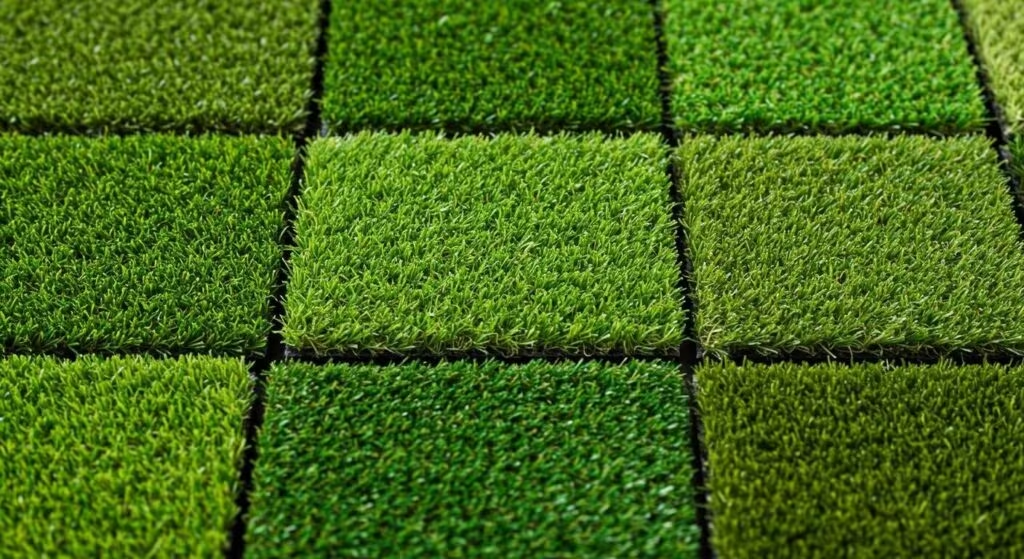
True quality in artificial turf comes down to measurable components that directly impact its feel, durability, and how great it looks for years to come. Think face weight, pile height, yarn material, backing construction, drainage rate, and UV protection—these all work together to determine how your turf handles foot traffic, sun, and even playful pets. Knowing these attributes empowers you to prioritize what matters most for your specific project. For instance, a pet run demands quick drainage and tough yarn, while a putting green needs a low pile and dense feel. Below, we’ve put together a quick comparison of common turf types and their key attributes to help you weigh your options when looking at different product specs.
| Turf Type | Key Quality Feature | Typical Range |
|---|---|---|
| Landscape turf (residential) | Face weight | 40–60 oz/yd² |
| Pet turf (high-traffic) | Pile height | 0.75–1.5 in |
| Putting green turf (short pile) | Yarn material | Polyethylene or nylon blends |
This handy table shows how various turf categories focus on different features: landscape turf often boasts a higher face weight for that plush, natural feel; pet turf prioritizes excellent drainage and a shorter pile; and putting greens demand precise pile height and material density for optimal play. Use these insights to perfectly match product specifications with your project’s performance goals.
Face Weight: What It Means for Your Turf’s Durability & Feel
Face weight tells you the weight of the yarn per square yard (oz/yd²) and directly impacts how plush your turf feels and how well it holds up to foot traffic. Generally, a higher face weight means a denser, fuller surface that resists matting, looks richer, and lasts longer. Lower face weight options are more budget-friendly but might feel less substantial. For most residential landscaping, 40–60 oz/yd² strikes a great balance of comfort and longevity. For high-traffic pet areas or sports zones, 60+ oz/yd² is often ideal for maximum durability. When you’re comparing products, always ask suppliers for both face weight and pile density—this helps you truly understand how the turf will perform against crushing and UV damage in real life.
Once you’ve got a handle on face weight, it’s a natural step to look at pile height and yarn chemistry. These two factors are crucial because how the yarn is made and how tall it stands directly shape both your turf’s look and feel, and its long-term maintenance needs.
Pile Height & Yarn Material: Why They’re Key to Your Turf’s Performance
Pile height, measured from the backing to the tip of the yarn, plays a big role in how your turf looks, how resilient it is, and even how infill settles. Shorter piles (think 0.5–1.0 inch) are perfect for putting greens and busy pet areas because they bounce back fast and resist matting. Taller piles (1.25–2.0 inches) offer that lush, plush look ideal for ornamental lawns. Then there’s the yarn material itself—usually polyethylene, nylon, or polypropylene—which impacts softness, UV stability, and strength. Polyethylene offers a great balance of softness and UV resistance, nylon is super resilient for heavy loads but can feel stiffer, and polypropylene is budget-friendly but less UV-stable. The key is to match your pile height and yarn material to your specific needs: soft, longer piles for low-traffic beauty; short, tough piles for sports, pets, and high-use zones.
Making smart choices about pile and yarn naturally leads to decisions about backing and drainage. After all, effective water management and strong seam stability depend entirely on how that yarn is securely attached and supported.
Smart Ways to Compare Artificial Turf Prices & Total Costs
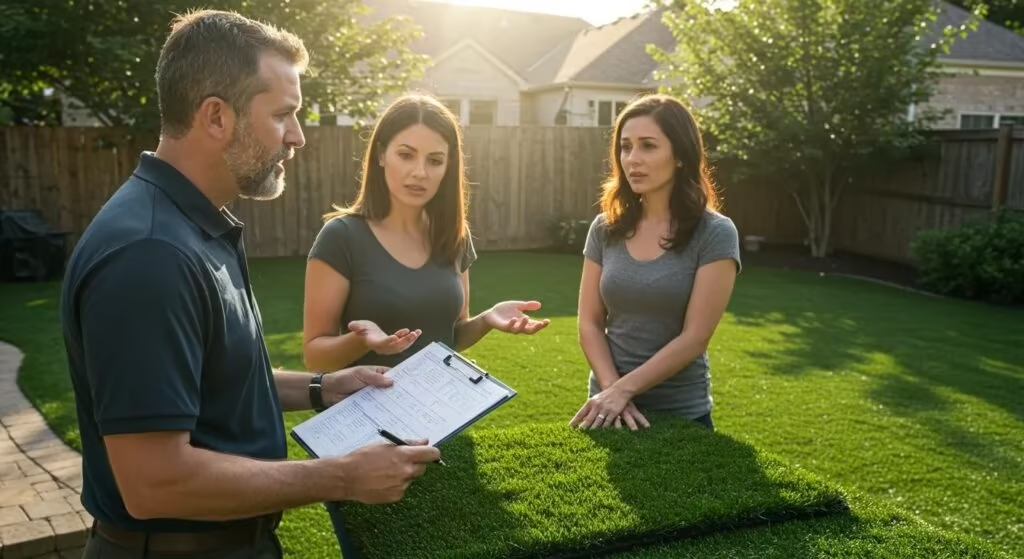
To truly compare turf prices, you need to break down that per-square-foot quote into all its individual cost components. This is how you ensure you’re getting a real apples-to-apples comparison across different suppliers. Often, the base material price only covers the turf roll and basic backing. Things like installation labor, base preparation, infill, edging, delivery, and disposal are common add-ons that can vary a lot depending on the installer and your specific site. By asking for itemized quotes and categorizing each line item, you’ll quickly see if a low initial per-square-foot price might actually lead to higher overall costs down the road. The table below outlines typical cost categories, what’s usually included, and example San Jose-area estimates to help you make that smart comparison.
| Cost Category | What’s Typically Included | San Jose Estimate (per sq ft) |
|---|---|---|
| Turf material | Roll price, basic backing | $2.00–$6.00 |
| Installation labor | Excavation, base compaction, seaming | $3.00–$8.00 |
| Infill | Sand, crumb rubber, or advanced infill | $0.50–$1.50 |
| Accessories & disposal | Edging, adhesives, haul-away | $0.50–$2.00 |
This breakdown makes it clear: a quoted “price per sq ft” needs to be broken down into material + labor + infill + accessories to reveal your true total installed cost. Always insist on unit pricing and quantities. This way, you can compare the actual math behind each quote, not just the big headline numbers.
What’s Really Included in That “Cost Per Square Foot” for Artificial Turf?
When an artificial turf supplier gives you a material-only price per square foot, it typically covers just the turf roll and sometimes basic backing—but usually not site preparation or installation. What’s included can vary a lot by vendor and product. Common exclusions often include excavation, geotextile underlayment, base rock, compaction, seam tape and adhesive, infill, edging, and disposal. To truly compare quotes, always ask for a detailed line-item breakdown and an example calculation for your specific square footage. This lets you see exactly how per-unit costs add up. For a smart comparison, you’ll need to multiply each per-unit cost by your project area and confirm whether the supplier’s price is for DIY installation or a full professional service.
As you gather those detailed quotes, don’t forget to confirm warranty coverage. Also, ask if the installed price includes post-installation clean-up and a final walkthrough. These often-overlooked items significantly boost your total value, even if they add a little to the initial cost.
Installation, Infill & Accessories: How They Shape Your Total Turf Costs
The complexity of your installation is a huge factor in the total cost. Things like slopes, existing vegetation, irrigation removal, major grade adjustments, or poor soil conditions will naturally increase labor and equipment needs. Your infill choice also impacts both performance and cost: washed silica sand is budget-friendly and stabilizes the yarn but offers minimal cushioning, while advanced infills can significantly improve heat reduction and resilience, though at a higher material cost. Don’t forget accessories like perimeter edging, weed barrier, seam adhesives, and nails—these add both material and labor. All these choices also influence your long-term maintenance costs: superior base preparation means fewer settlement and seam issues, and a higher-grade infill can reduce compaction and keep your turf looking great longer.
Always get a clear estimate of your site’s specific needs *before* you pick a turf product. This way, you can accurately compare total installed costs and avoid any unwelcome surprises from necessary add-ons that some quotes might conveniently leave out.
Choosing Your Artificial Turf Supplier: What to Look For
Choosing the right supplier really comes down to verifiable transparency. You’ll want clear product specifications, easy sample availability, local references, current stock status, flexible delivery options, and straightforward warranty language. A truly reliable supplier will provide measurable specs (like face weight, pile height, yarn material, backing type, and drainage rate), let you get samples in person or by mail, and give you itemized quotes. Local presence is a big plus for smooth delivery and any post-installation support you might need; a showroom or sample center is invaluable for seeing colors and textures under natural light. Here’s a practical checklist to help you confidently evaluate suppliers and make a smart comparative decision.
- Always request product samples and test them outdoors in your actual light conditions.
- Insist on itemized quotes that clearly separate material costs from installation and accessories.
- Verify current stock availability and confirm local delivery or convenient pickup options.
- Carefully review written warranty details and ask for local installation references.
This checklist is designed to help you ask the right questions, uncover any hidden costs or potential performance risks. Once you’ve verified specs and logistics, hands-on sample testing is your best way to confirm that the product’s performance truly matches what’s been quoted.
Reputation & Reviews: How to Smartly Choose Your Supplier
Customer reviews and local project references offer valuable social proof, but it’s crucial to interpret them wisely. Focus on recent projects that include photos, scope, and location details that closely match your own intended use. Look for consistent feedback regarding delivery timeliness, installation quality, warranty responsiveness, and post-sale support; a single glowing review is far less telling than a clear pattern across multiple projects. Watch out for red flags like repeated complaints about hidden charges, poor drainage results, or warranty denials. Always ask suppliers for local references and documented case studies you can personally inspect to truly validate their performance claims.
Smartly evaluating reviews and references prepares you to demand concrete documentation—like detailed product specs, easy sample availability, and clear warranty language. These are absolutely essential for making a confident and defensible purchase decision.
Why Samples & Showrooms Are Crucial for Your Turf Comparison
Samples and showrooms give you the power to truly validate color, texture, pile resilience, and backing quality in real-world conditions *before* you commit. A smart sample test involves touching the yarn, bending and compressing it to see how it recovers, inspecting the backing perforations for drainage, and placing the sample outdoors to observe color variations in natural sunlight. In-showroom or on-site comparisons also allow you to put different products side-by-side, noticing subtle differences in sheen, thatch, and yarn twist that are tough to grasp from just a spec sheet. Always ask for a sample large enough to properly test in place (we recommend at least a 12×12 inch piece) and perform some basic drainage and wear simulations.
This kind of hands-on evaluation, using consistent testing steps, significantly reduces the risk of post-installation disappointment and empowers you to have a much more informed conversation with installers about expected performance.
Warranties & Durability: Protecting Your Artificial Turf Investment
Warranties are essentially how manufacturers show confidence in their product, offering you crucial consumer protection and a key way to gauge expected lifespan. Coverage typically addresses manufacturing defects, UV fade, drainage failures, and sometimes pile wear, with lengths varying based on the quality tier. A good warranty should clearly spell out what’s covered, any pro-rated structure, environmental exclusions, and whether replacement labor is included. By comparing the warranty scope alongside objective specs like face weight and UV stabilizer presence, you get a much clearer estimate of expected years of service and how much the supplier truly stands behind their product.
| Quality Tier | Typical Warranty Length | Common Coverage Notes |
|---|---|---|
| Economy | 5–7 years | Limited coverage for material defects; often pro-rated |
| Mid-tier | 8–12 years | UV fade and nominal wear coverage; partial pro-rated terms |
| Premium | 12–15+ years | Comprehensive coverage for UV, drainage, and manufacturing defects |
This table connects warranty length with what you can expect to be covered, helping you decide if a longer warranty truly aligns with the product’s specifications and your specific site conditions. Always ask suppliers for the full warranty language in writing and have them explain the claim procedures *before* you make a purchase.
For San Jose homeowners, understanding our local UV exposure and soil drainage patterns is especially important when interpreting warranty terms. Manufacturers might exclude certain site conditions or require professional installation to keep your warranty valid, so make sure to verify those crucial clauses upfront.
At Artificial Turf Express, we’re here to help you interpret warranty terms within our local San Jose context and provide clear quotes for our warranty-covered products. As your trusted San Jose-based supplier, Artificial Turf Express focuses on in-stock availability, convenient local pickup and delivery, and detailed product pages that clearly list specs—including face weight, pile height, and backing—to make warranty comparisons straightforward. If you’re looking for clarity on warranty enforcement or want to make sample-backed comparisons, simply request a quote, schedule a showroom visit, or ask for a sample to review all the coverage details before making your commitment.
What to Expect: UV Protection & Drainage Warranty Coverage
For UV protection, expect warranties that specifically cover colorfastness or fading over a defined period, often linked to controlled testing standards. Typical residential minimums usually range from 5–10 years, depending on the product tier. Drainage warranties will cover the performance of the backing perforations and the ability of seams and backing to effectively shed water, though many warranties will exclude clogging caused by improper installation or external contamination. Always clarify if warranties offer full replacement or are pro-rated, what exactly triggers a claim, and whether labor for removal and reinstallation is included. Remember, pro-rated warranties reduce manufacturer liability over time, so be sure to factor that into your overall lifecycle cost calculations.
A clear understanding of your warranty’s exclusions and the claim process empowers you to plan preventative maintenance and choose installation methods that actively preserve your coverage.
Warranty Length: What It Tells You About Turf Quality & Longevity
Warranty length often directly reflects a manufacturer’s confidence and usually correlates with higher face weight, superior UV stabilizers, and advanced backing systems. Premium turf, featuring robust yarn chemistry and stitched or urethane backing, typically comes with the longest warranties. For your planning, consider warranty length as a strong indicator, but not a sole guarantee. A 12–15 year warranty on a premium product suggests a realistic service life of a decade or more with moderate use and proper maintenance. In areas with intense UV or heavy foot traffic, prioritize both stronger product specifications and longer warranties, and consider investing a bit more upfront for features that significantly reduce your long-term replacement risk.
When you’re comparing warranty terms, always calculate potential pro-rated payout scenarios and factor in installation labor, especially if the warranty requires professional reinstallation to stay valid.
Our Commitment to Price, Quality & Service
Artificial Turf Express proudly serves the San Jose area, offering a wide selection of landscape turf, pet grass, putting greens, infills, and all the installation accessories you need. We put a strong emphasis on local availability and exceptional customer support. We highlight our in-stock inventory for quick pick-up, convenient local delivery options, and detailed online product pages that clearly list technical specifications like face weight, pile height, and backing type. These service elements are designed to reduce lead times and help both homeowners and installers easily verify product attributes before placing an order. Below, you’ll find a quick summary of our representative product categories and the service features that truly impact the cost and convenience of your turf purchase.
| Product Category | Key Specs to Check | Service & Availability Notes |
|---|---|---|
| Landscape turf | Face weight, pile height, backing perforation | In stock for pick-up and local delivery |
| Pet turf | Drainage rate, antimicrobial yarn options | Installation accessories and infill available |
| Putting greens | Low pile height, dense stitch rate | Product specs listed for comparison on product pages |
Artificial Turf Express is perfectly positioned for buyers who truly value immediate stock availability and strong local support. We make it simple to get samples, confirm specs, and schedule delivery. For homeowners comparing suppliers, our combination of transparent product specs and local pickup/delivery options eliminates uncertainty about lead times and those frustrating hidden shipping costs. If you’re ready for an on-site estimate or want samples to test drainage and feel for yourself, simply contact Artificial Turf Express to request those materials and receive a tailored quote.
Key Features & Price Points of Artificial Turf Express Products
Artificial Turf Express organizes our offerings into clear categories—landscape, pet, and putting green turfs—with detailed specifications right on each product page. This empowers buyers to easily compare face weight, pile height, and backing. We also stock a full range of infill options and installation accessories, making procurement simple and streamlining your project logistics. While exact price-per-square-foot varies by product and current stock, our product pages list per-square-foot pricing for many items, ensuring transparent cost comparisons. We always encourage customers to request an itemized quote that clearly separates material, installation labor, and accessories to determine their true total installed cost. For time-sensitive projects, our local stock and delivery options significantly reduce lead times and help you avoid delays during peak seasons.
Our focused inventory and transparent specs approach are designed to help you quickly assemble true apples-to-apples comparisons across different products, accelerating your decision-making for even the most time-sensitive projects.
Why Artificial Turf Express is Your Top Choice in San Jose
Artificial Turf Express offers a strong local presence, a wide variety of turf types, and valuable DIY resources like installation guides and our turf blog to support both homeowners and professional installers. Our stock-ready model means quicker pickup and local delivery, significantly cutting down on waiting periods that can often stretch project timelines. With detailed product pages that clearly list face weight, pile height, and backing information, you’re empowered with data-driven comparisons *before* you even request samples or quotes. If you need personalized assistance comparing warranty terms or putting together an itemized project estimate, Artificial Turf Express is here for you with sample requests, showroom visits by appointment, and comprehensive quote services to ensure you make truly informed purchasing decisions.
These key service attributes perfectly align with the supplier-evaluation checklist we discussed earlier, empowering buyers to confidently confirm inventory, test samples, and get clear warranty explanations, all within a local context.
Maximize Your Value: Smart Artificial Turf Installation & Maintenance
To truly maximize the value of your artificial turf, you need to make smart installation and maintenance choices that actively lower lifecycle costs and protect your warranty coverage. Proper base preparation, the right infill selection, precise seam work, and professional-grade edging are all crucial for preventing premature failures that can lead to costly replacements. Regular maintenance—like rinsing debris, brushing high-traffic areas, topping up infill when necessary, and checking seams—will preserve both its appearance and performance. Here’s a practical list of maintenance tasks and their frequency to help you extend your turf’s life and maintain warranty eligibility.
- Weekly: Remove any debris, inspect seams, and rinse pet areas as needed.
- Monthly: Gently brush high-traffic paths to lift the pile and redistribute infill evenly.
- Annually: Check infill depth, top up as necessary, and thoroughly inspect perimeter edging.
- As-needed: Promptly address any staining, seam separation, or drainage issues.
Consistently performing these routine tasks significantly reduces the risk of warranty denials due to neglect and delays the need for expensive repairs or full replacement. Investing in proper installation and scheduled care almost always delivers greater long-term value than trying to save a few dollars by cutting corners during the initial installation.
DIY vs. Pro Installation in San Jose: What Are the Cost Differences?
While DIY installation can certainly cut down on upfront labor costs, it also carries a higher risk of improper base compaction, poor drainage, and seam failures—all of which can shorten your turf’s lifespan and even void some warranties. Professional installation, on the other hand, typically includes excavation, base rock, compaction, seam adhesives, and finishing. These services are designed to prevent long-term problems, though they do add to your initial cost. For San Jose projects, homeowners should carefully weigh equipment rental, your time investment, and your skill level against the significant lifespan gains that come from professional base work. Small, simple, level areas might be suitable for confident DIYers, but complex sites with slopes, irrigation removal, or heavy use are strong candidates for professional installers to ensure both warranty protection and optimal performance.
Ultimately, choosing professional installation often proves to be the smarter long-term value, especially when your site conditions are challenging or your performance expectations are high.
Proper Installation: The Key to Turf Longevity & Real Savings
Proper installation is absolutely critical. It ensures stable seams, consistent drainage, and the exact pile behavior you expect under foot traffic, directly impacting both longevity and warranty compliance. A well-compacted base significantly reduces settlement and seam stress. The right infill selection supports yarn recovery and helps reduce heat retention. And precise perimeter edging prevents lateral movement that can create trip hazards and seam strain. Over a 10–15 year lifespan, the slightly higher upfront cost of professional base work and quality infill almost always results in a lower total cost per year of service compared to an initially cheaper, poorly installed system. Think of installation as an investment: paying more upfront for quality site preparation and skilled labor commonly leads to less frequent replacements and much better lifecycle economics.
For smart project planning, always request itemized installation scopes and compare full lifecycle cost estimates, rather than just focusing on the lowest initial quote.
Artificial Turf Express is here to support both DIY customers and professional installers. We provide clear product specs, readily available in-stock materials, and all the installation accessories you need to execute a project that meets warranty requirements and delivers long-term value. To explore the best options for your San Jose property, we invite you to request samples, an itemized quote, or schedule a showroom appointment. You can also easily contact our local team for delivery or convenient pickup arrangements using the business contact points provided.
Your Frequently Asked Questions
What are the environmental benefits of choosing artificial turf?
Artificial turf brings several fantastic environmental advantages, starting with significantly reduced water consumption since it eliminates the need for regular irrigation. This is a huge plus, especially in drought-prone areas like our own San Jose. Plus, it drastically cuts down on harmful pesticides and fertilizers that can otherwise leach into local waterways. The impressive longevity of artificial turf also means fewer replacements over time, which helps reduce landfill waste. And to top it off, many modern turfs are crafted from recycled materials, making them an even more sustainable landscaping choice.
How does our local climate impact your artificial turf choice?
Our climate plays a truly crucial role in helping you select the perfect artificial turf. In warmer regions, strong UV resistance is absolutely vital to prevent fading and degradation from constant sun exposure. For areas with heavy rainfall, excellent drainage capabilities are essential to avoid water pooling and ensure quick drying. Here in San Jose, where temperatures can fluctuate, choosing turf with the right pile height and material will significantly enhance its durability and performance, ensuring it stands up beautifully to both our heat and occasional rains without ever compromising on quality.
What kind of maintenance does artificial turf need?
Maintaining artificial turf is surprisingly straightforward, but it’s absolutely essential for ensuring its longevity. Regular tasks include simply removing debris, rinsing off any pet waste, and gently brushing high-traffic areas to keep the fibers standing tall. It’s also important to periodically check your infill levels and replenish as needed to maintain optimal cushioning and stability. Annual inspections of seams and edges can help you catch and prevent minor issues before they become bigger problems. Sticking to a consistent maintenance schedule will help preserve your turf’s beautiful appearance and top performance, ensuring it remains a valuable investment for years.
Can I install artificial turf over my existing grass?
Yes, you absolutely can install artificial turf over existing grass, but proper preparation is incredibly crucial for a successful outcome. The existing grass must be thoroughly removed or completely flattened to create a stable, even base. If left in place, it can lead to uneven surfaces and frustrating drainage issues. What’s more, any organic material left underneath can decompose over time, causing your turf to settle or shift. For the very best and longest-lasting results, we always recommend preparing the ground by removing the grass and ensuring a solid, perfectly level base before beginning your installation.
What should I consider when choosing infill for my artificial turf?
When you’re selecting infill for your artificial turf, it’s smart to consider factors like its intended use, your local climate, and your maintenance preferences. Common options include silica sand, rubber, and various organic materials. Silica sand is budget-friendly and provides excellent stability, while rubber infill offers superior cushioning and can help with heat resistance. Organic infills can boost drainage and are an environmentally conscious choice. Each type has its own set of pros and cons, so it’s essential to match the infill perfectly to your specific needs, ensuring optimal performance and long-term enjoyment of your turf.
How can I ensure my artificial turf lasts for years?
To truly maximize the lifespan of your artificial turf, proper installation and consistent, regular maintenance are absolutely key. Make sure the base is thoroughly compacted and that all seams are securely bonded. Regularly clean your turf to remove debris and pet waste, and gently brush the fibers to keep them standing upright. Also, keep an eye on infill levels and replenish as needed. By following the manufacturer’s guidelines for care and maintenance, you’ll help prevent premature wear and ensure your turf stays in excellent condition for many years to come.
Ready to Transform Your Space?
Choosing the right artificial turf supplier can truly transform your outdoor space, giving you durability and performance perfectly tailored to your needs. By understanding these key quality metrics and cost components, you’re empowered to make smart, informed decisions that align perfectly with your budget and expectations. Don’t hesitate—reach out for samples or a personalized quote today to explore all the best options available for your project. Contact Artificial Turf Express now and let us show you how we can support your artificial turf journey every step of the way!


