
A successful artificial turf installation depends on the correct accessories and tools. This guide details the core components—installation tools, edging, infill, and maintenance supplies—and explains how each affects durability and appearance. Many homeowners and landscapers choose the wrong products, leading to premature wear or poor performance. Use these practical recommendations to choose and apply accessories that deliver a long-lasting, visually consistent result. The guide covers essential tools, edging options, infill types, required supplies, DIY best practices, and routine maintenance.
What Are the Key Artificial Turf Installation Tools You Need?
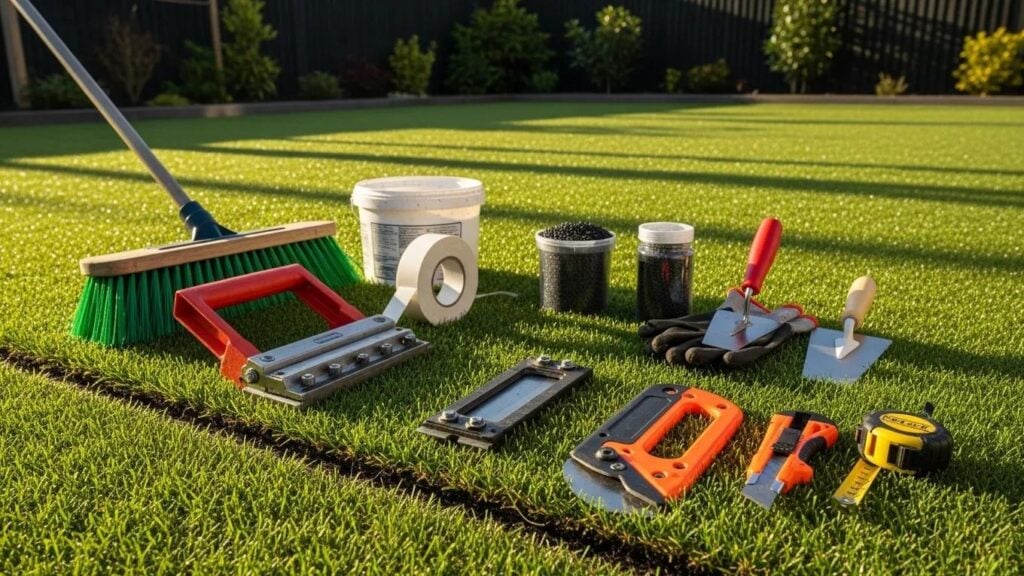
Using the right tools ensures the turf is installed to specification and performs as intended. Proper equipment reduces installation time and minimizes errors that lead to uneven surfaces or weak seams. Key tools for accurate, long-lasting installation include those listed below.
- Turf Cutter: This tool is used to remove existing grass and prepare the ground for turf installation.
- Compactor: A compactor helps to create a solid base by compacting the soil, which prevents settling over time.
- Utility Knife: A sharp utility knife is essential for accurately cutting the turf to fit the desired area.
- Seam Tape and Adhesive: These are used to join pieces of turf together, ensuring a seamless appearance.
- Landscape Staples: These staples secure the turf in place, preventing it from shifting or lifting.
Keeping these tools on hand streamlines work and improves the quality of the finish. For contractors, landscapers, and DIYers seeking professional-grade supplies, Artificial Turf Express supplies tools and accessories tailored to installations in the Greater Bay Area, including San Jose.
What Are the Best Artificial Turf Edging Options for Durable Borders?
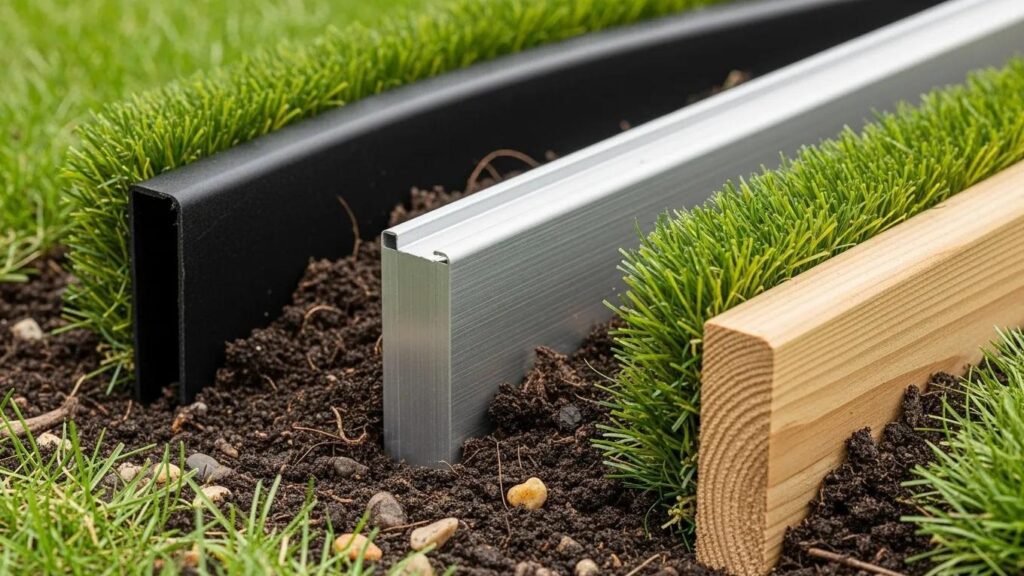
Edging defines the turf boundary and prevents lateral movement. The choice of material affects longevity, installation complexity, and aesthetics. Select edging based on expected loads, site conditions, and the look you need.
- Plastic Edging: Lightweight and easy to install, plastic edging is a cost-effective option that provides a clean border.
- Metal Edging: More durable than plastic, metal edging can withstand the elements and is ideal for high-traffic areas.
- Wood Edging: While aesthetically pleasing, wood requires more maintenance and may not last as long as other materials.
Match edging to your site requirements: choose metal for high-traffic areas, plastic for economy and ease, or treated wood when appearance is a priority. Properly anchored edging maintains turf alignment and reduces seam stress over time.
How to Choose the Right Turf Infill Materials for Optimal Performance?
Infill affects cushioning, pile stability, and drainage. Selecting the correct infill improves comfort, wear resistance, and the turf’s functional characteristics. Consider the trade-offs between cost, shock absorption, and environmental impact when choosing an infill.
- Sand: A traditional choice, sand is inexpensive and provides a stable base for the turf.
- Rubber Granules: These are often used in sports fields for their shock-absorbing properties, making them ideal for high-impact areas.
- Organic Infill: Made from natural materials, organic infill is an eco-friendly option that can help with drainage and provide a more natural feel.
Choose infill based on use case: sand for stability and cost-effectiveness; rubber for impact protection in sports areas; organic for environmental preference and improved feel. Account for climate, drainage requirements, and maintenance intervals when specifying infill quantities.
Which Artificial Grass Installation Supplies Are Essential for Quality Results?
Beyond tools and infill, select durable supplies that maintain seam integrity and prevent failures. Using specified components reduces the risk of early repairs and supports consistent long-term performance.
- Weed Barrier Fabric: This fabric prevents weeds from growing through the turf, ensuring a clean and low-maintenance surface.
- Turf Adhesive: For securing seams and edges, a high-quality adhesive is essential for a durable installation.
- Installation Spikes: These spikes help to secure the turf in place, especially in windy areas.
Invest in quality fabric, adhesive, and fastening systems to protect seams and edges. Correct material selection reduces maintenance and preserves the turf’s structural performance.
What Are the Best Practices for DIY Artificial Turf Installation?
DIY installation is feasible with planning and the right sequence of tasks. Follow standard procedures to achieve a uniform surface and reliable drainage.
- Prepare the Area: Clear the installation site of any debris, grass, or rocks. Use a turf cutter to remove existing grass.
- Create a Solid Base: Compact the soil to create a stable foundation. This step is crucial for preventing settling and ensuring proper drainage.
- Lay the Turf: Roll out the turf and cut it to fit the area. Use seam tape and adhesive to secure the edges and seams.
- Add Infill: Once the turf is laid, apply the chosen infill material evenly across the surface to enhance performance.
Follow each step methodically: site prep, base compaction, accurate seaming, and correct infill application. Taking time on the base and seams delivers a professional result and reduces the need for future repairs.
How to Maintain Artificial Turf Accessories for Long-Term Performance?
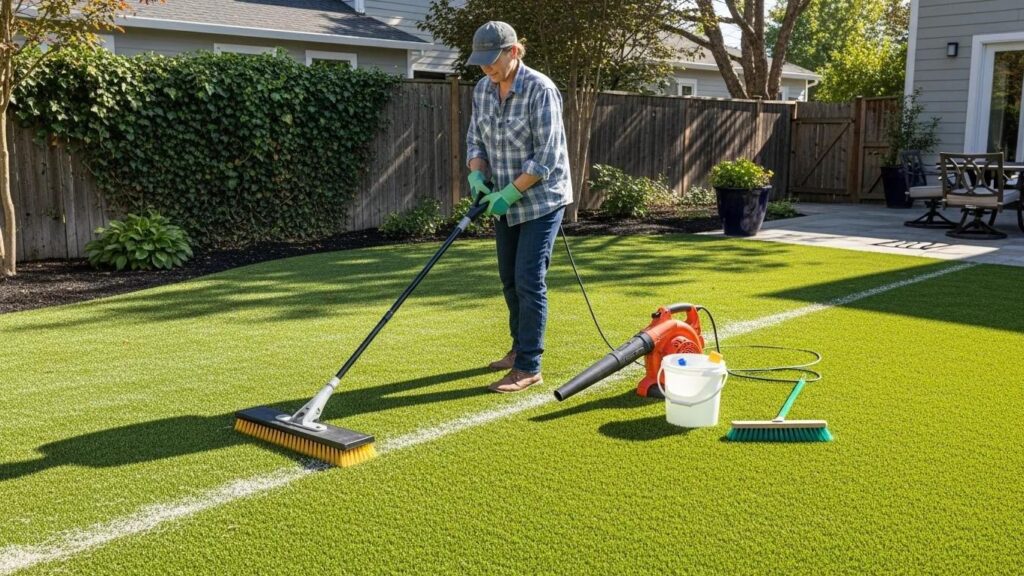
Routine maintenance preserves function and appearance. A simple schedule for cleaning, inspection, and infill management helps maintain performance metrics such as drainage and cushioning.
- Regular Cleaning: Remove debris, leaves, and dirt from the turf surface regularly to prevent buildup and maintain its appearance.
- Inspect for Damage: Periodically check for any signs of wear or damage to the turf, seams, and edging. Address any issues promptly to prevent further damage.
- Reapply Infill: Over time, infill may settle or wash away. Reapplying infill as needed will help maintain the turf’s cushioning and performance.
Clean debris regularly, inspect seams and edges for wear, and replenish infill when levels drop. These steps retain drainage performance and cushioning, extending service life.
To evaluate product options and specifications, visit Artificial Turf Express products for detailed information on turf systems and accessories.
If you need technical guidance or product recommendations, contact Artificial Turf Express for expert support.
Frequently Asked Questions
What are the benefits of using artificial turf over natural grass?
Artificial turf reduces routine maintenance—no mowing, limited watering, and no fertilizer cycles—so you save time and ongoing costs. It conserves water and provides a consistent appearance year-round. Its engineered construction withstands heavy foot traffic and retains its shape without patching, making it suitable for lawns, play areas, and sports surfaces.
How long does artificial turf typically last?
The typical service life of quality artificial turf ranges from about 15 to 25 years. Longevity depends on product grade, installation quality, usage intensity, and maintenance practices such as cleaning and infill replenishment. Choosing higher-spec materials and following maintenance intervals extends functional life.
Can artificial turf be installed over existing grass?
Installing over existing grass is possible, but not recommended. Retaining the old sod risks unevenness, poor drainage, and weed intrusion. Best practice is to remove the turf, level and compact the base, and install a stable sub-base to ensure proper drainage and surface consistency.
Is artificial turf safe for pets and children?
Modern artificial turf products are manufactured from non-toxic materials and are designed for durability and easy cleaning. They withstand active play and are compatible with pet use when paired with appropriate infill and drainage. Choose certified, high-quality turf and maintain it regularly to preserve a safe environment.
What should I do if my artificial turf gets damaged?
First, assess the damage. Small tears and loose seams can often be repaired with seam tape and turf adhesive. For large rips or dislodged sections, replacement of the affected area may be required. For extensive damage, consult a professional to restore seam integrity and base stability. Regular inspections catch problems early and limit the scope of repairs.
How do I choose the right color and style of artificial turf?
Select color and pile profile based on use and visual goals. For residential lawns, a natural green with mixed blade heights creates realism. For sports applications, brighter colors and uniform blade heights improve visibility and play characteristics. Also consider sun exposure and expected foot traffic, which influence durability and color retention over time.
Conclusion
Correct accessories and installation practices are central to turf performance and longevity. Understanding tools, edging, infill, and maintenance will help you achieve a durable, low-maintenance surface that meets functional and aesthetic goals. For product specifications and installation materials, visit Artificial Turf Express to find compatible, professional-grade options for your project.


