
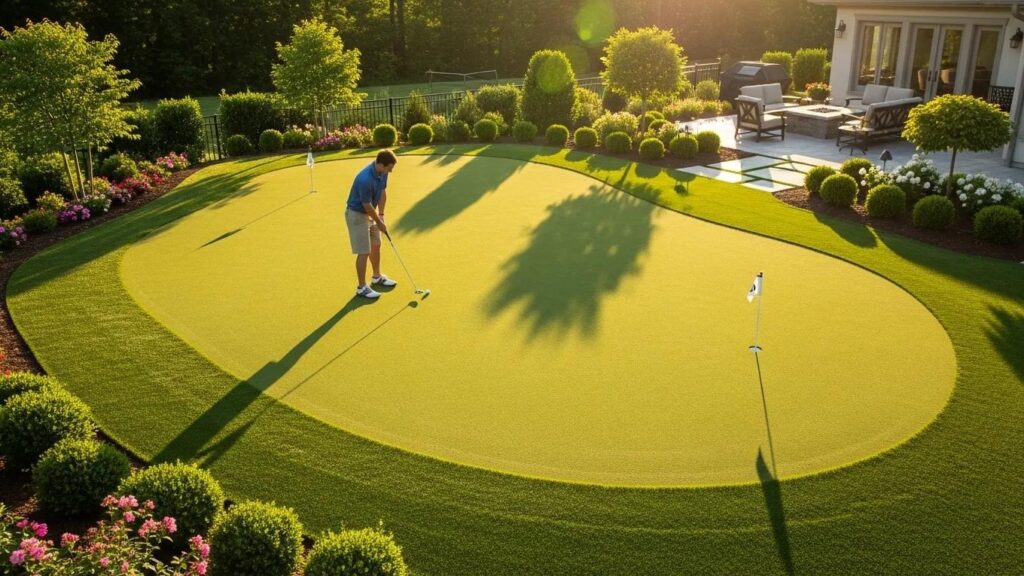
Selecting the correct artificial grass for a backyard putting green improves at-home practice and long‑term performance. Compare material types, maintenance needs, and installation steps before you buy. This guide explains turf materials, upkeep, installation, and how pile height affects ball roll, so you can choose turf that matches your playing goals.
Types of Putting Green Artificial Grass
Homeowners most commonly choose polyethylene or polypropylene. Each material has distinct properties that affect feel, durability, and cost. Match the material to your expected use and budget.
Artificial Turf Express supplies high‑quality turf to contractors, landscapers, and DIY homeowners across the Greater Bay Area, including San Jose. Their range covers common residential specifications and installation needs.
Material Options
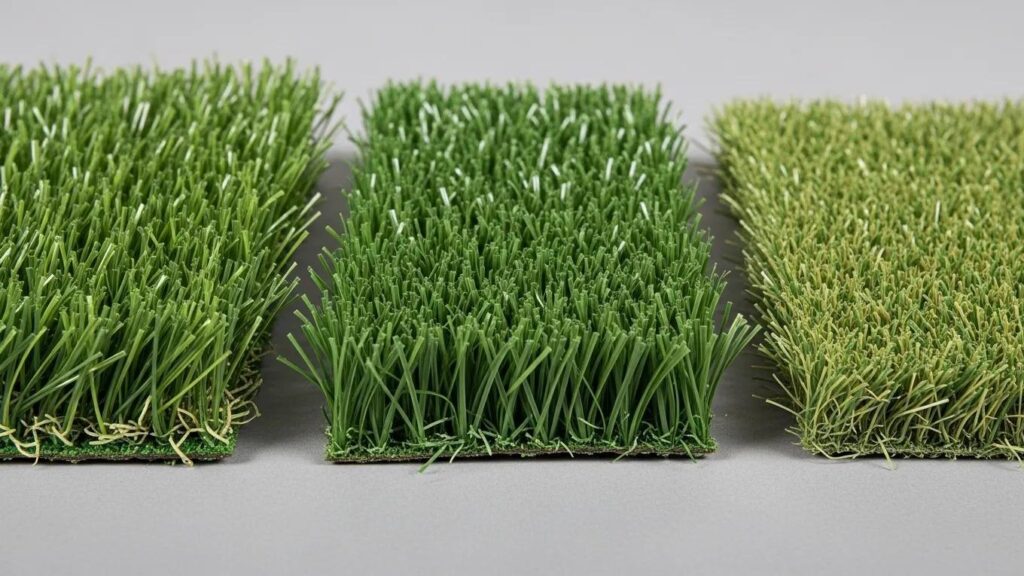
Material choice determines playability, wear resistance, and appearance. Below, we compare the two main turf materials used for putting greens: polyethylene and polypropylene.
| Material Type | Durability | Cost |
|---|---|---|
| Polyethylene | Moderate | Low |
| Polypropylene | Moderate | Moderate |
Polyethylene is affordable and common for residential greens, offering a balance of durability and cost-effectiveness. Polypropylene sits between materials in terms of price and durability and works well for lighter-use applications.
How Do Polyethylene and Polypropylene Turf Materials Compare for Putting Greens?
Polyethylene delivers a softer, more natural feel. Polypropylene is lightweight and resists fading. Evaluate these trade-offs against how you play and how often the green will be used.
What Are the Key Durability Features of Different Synthetic Grass for Golf Greens?
Durability varies by polymer: polyethylene is moderately durable, and polypropylene is suitable for light to moderate use. Base your choice on expected foot traffic and frequency of practice.
Maintenance Requirements
Routine maintenance preserves playability and extends turf life. Key tasks are brushing fibers upright, removing debris, and inspecting for wear. A simple schedule keeps the surface consistent.
What Routine Maintenance Is Required for Synthetic Grass Putting Greens?
- Brushing: Regular brushing of the turf helps maintain its appearance and prevents matting.
- Debris Removal: Keeping the surface clear of leaves, dirt, and other debris is essential for optimal performance.
- Infill Maintenance: Checking and replenishing infill materials can help maintain the turf’s stability and performance.
How Can Maintenance Practices Extend the Lifespan of Turf on a Backyard Putting Green?
A consistent maintenance routine—brushing, debris removal, and infill checks—prevents fiber damage and preserves a smooth playing surface. These actions support both performance and appearance over time.
Installation Considerations
Correct installation is essential for turf performance and longevity. Plan for site preparation, the right tools, and appropriate infill to achieve consistent play and drainage.
Understand the turf’s structural elements to see how each component affects its integrity and performance.
Artificial Turf Structural Components and Mechanical Behavior
The structural components of artificial turf (for example: pile height, infill depth, infill material, backing material) are crucial to ensuring a safe, functional mechanical behavior of the turf surface. These characteristics determine the turf’s capacity within regulatory limits.
Effect of structural components, mechanical wear, and environmental conditions on the player–surface interaction on artificial turf football pitches, J Sánchez-Sánchez, 2018
Which Tools and Materials Are Essential for Installing a DIY Putting Green?
- Turf Cutter: To cut the turf to the desired shape and size.
- Weed Barrier Fabric: To prevent weeds from growing through the turf.
- Infill Material: To provide stability and support for the turf fibers.
What Are The Best Practices to Ensure Proper Turf Installation and Longevity?
- Site Preparation: Properly prepare the site by leveling the ground and removing any debris.
- Turf Layout: Lay out the turf in the desired configuration before securing it.
- Secure Edges: Use landscape staples or adhesive to secure the edges of the turf to prevent shifting.
Impact of Turf Pile Height on Ball Roll and Performance
Pile height is a primary factor in ball roll and overall playability. Choose a pile height that matches your desired ball speed and surface resistance.
How Does Turf Pile Height Affect Ball Roll and Putting Green Performance?
Shorter pile heights usually produce a faster, smoother roll, which suits most putting greens. Taller piles increase resistance and slow the ball, changing the playing feel. Pick a pile height based on your preferred speed and accuracy.
Studies confirm a direct link between turf characteristics and playability, highlighting the importance of precise measurements such as pile height.
Artificial Grass Ball Roll and Pile Height Study
This study measured ball roll distance and free pile height on multiple artificial grass surfaces to determine if a correlation existed between roll distance and pile height. Indoor laboratory testing was conducted on several artificial surfaces.
Artificial grass: A longitudinal study on ball roll and free pile height, PR Fleming, 2014
What Is Turf Pile Height and Why Is It Critical for Backyard Putting Green Turf?
Pile height is the length of the turf fibers. It directly influences ball behavior. A pile height of 1 to 1.5 inches is generally recommended for optimal ball roll and playability. Choose the height that aligns with your playing preferences.
How Does Pile Height Influence Ball Roll Speed and Accuracy?
Shorter pile heights allow a smoother, faster roll and often improve accuracy. A taller pile adds resistance and can reduce roll speed and precision. Match pile height to your skill level and the desired pace of play.
What Are the Cost and Longevity Considerations When Choosing Putting Green Artificial Grass?
Cost and expected lifespan are key when selecting turf. Material choice and pile height both affect initial investment and long‑term value.
How Do Material Type and Pile Height Affect Putting Green Turf Durability and Price?
Material and pile height drive cost and durability. Polyethylene and polypropylene offer different levels of performance and longevity depending on usage needs. Balance upfront cost against expected performance and lifespan.
What Is the Expected Lifespan of Different Putting Green Turf Options?
Expected lifespans vary by material: polyethylene typically lasts 8–15 years and polypropylene 5–15 years. Consider your budget and usage patterns when choosing.
For those interested in exploring options, Artificial Turf Express products offer a wide selection to meet various needs.
Contact Artificial Turf Express for expert advice tailored to your project requirements.
Visit Artificial Turf Express to review product specifications and availability for your project.
Frequently Asked Questions
What factors should I consider when choosing the location for my putting green?
Select a site with good sunlight exposure, reliable drainage, and easy access. Sunlight helps reduce moisture retention. Proper drainage prevents pooling that can damage the turf. Ensure the location fits your layout and maintenance access needs.
Can I install putting green turf over existing grass?
Yes, but prepare the base. Removing existing grass and weeds creates a stable, long‑lasting foundation. If removal isn’t feasible, mow the turf low and treat the area to minimize regrowth before installing.
How do I choose the right infill material for my putting green?
Common infill options include silica sand, rubber, and organic materials. Silica sand adds weight and aids drainage. Rubber provides cushioning and can enhance playability. Organic options, such as coconut coir, are more eco‑friendly but may need more maintenance. Choose based on feel, drainage needs, and upkeep.
What are the environmental impacts of artificial grass?
Artificial grass reduces water use and eliminates the need for pesticides and fertilizers, thereby lowering chemical runoff. However, the production and disposal of synthetic materials can contribute to plastic waste. To reduce impact, consider recycled materials and plan for proper disposal or recycling at the end of life.
How can I enhance the playability of my putting green?
Improve playability with consistent maintenance, selecting the right turf material, and choosing an optimal pile height (typically 1 to 1.5 inches). Adding subtle undulations or slopes can also increase challenge and variety.
What should I do if my artificial turf gets damaged?
Assess the damage first. Minor tears or fraying can be repaired with turf adhesive or patching. Severe damage may require replacing affected sections. Prompt repair limits further deterioration and keeps the green functional.
Conclusion
Choosing the right artificial grass improves at‑home practice and delivers durable, consistent play. Understand material differences, maintenance needs, and installation best practices before you decide. Review available turf specifications and select the option that matches your performance and budget goals. Visit Artificial Turf Express to explore product options for your backyard putting green.


