

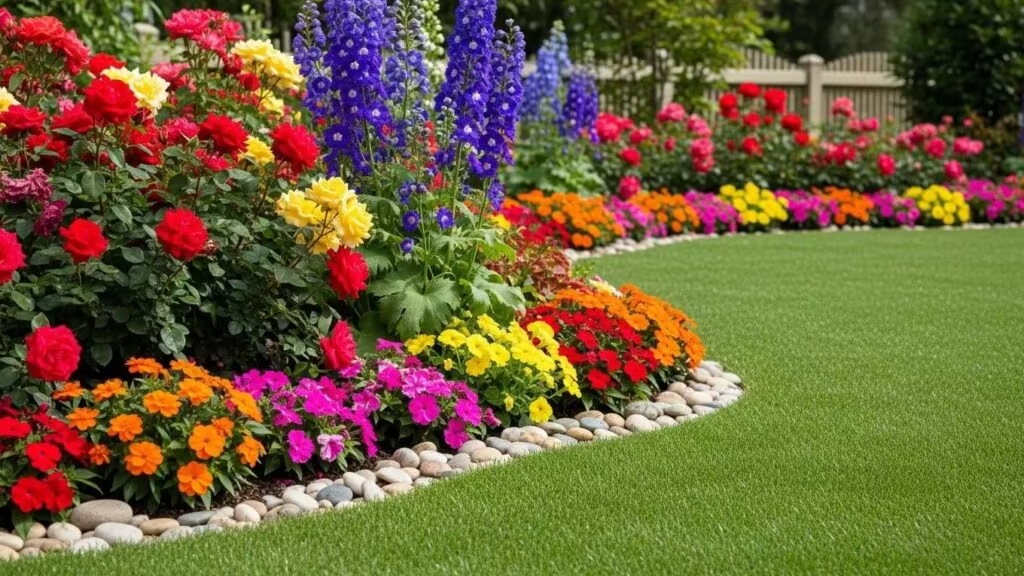
Choosing the right artificial grass affects both how your yard looks and how it performs. This guide helps homeowners compare available styles and select the best option for specific needs. As synthetic turf becomes more common, you should understand key differences in quality and construction. Many homeowners find the choices overwhelming; this article breaks down the main factors, benefits, and practical notes on installation and maintenance to clarify the decision.
Comprehensive Guide for Homeowners on Choosing the Right Style of Landscape Artificial Grass
When you select artificial grass, evaluate the factors that affect appearance and performance. Different turf types serve distinct purposes and offer specific advantages. Consider durability, maintenance level, and visual characteristics. Assessing these elements lets you pick a style that meets your use case and improves the landscape.
Types of Artificial Grass
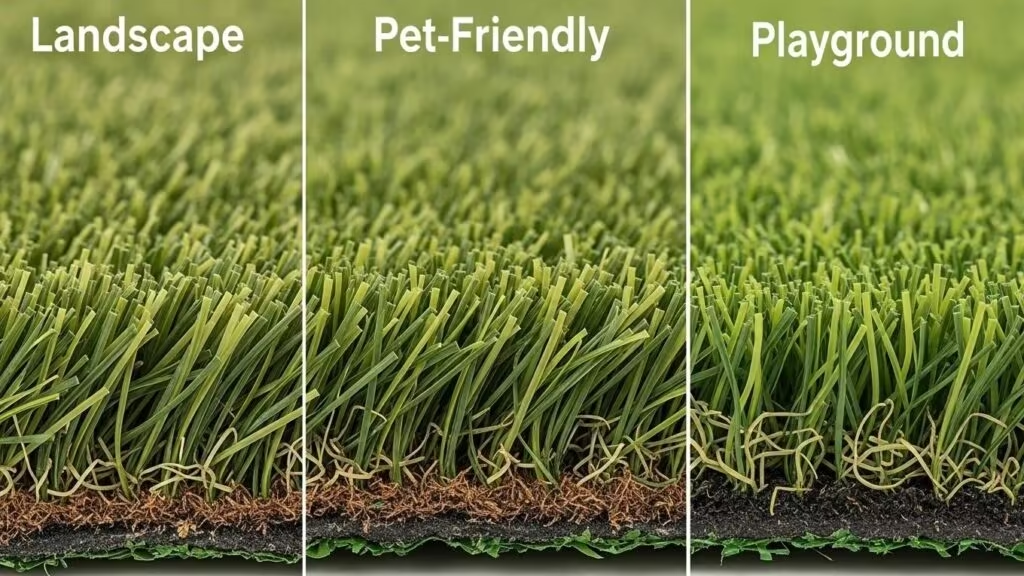
Artificial grass is manufactured in discrete styles for particular applications. Identifying the type that matches your goals reduces guesswork and helps you specify the right product.
Landscape Turf
Landscape turf is engineered to resemble natural grass while minimizing upkeep. It delivers a consistent, green appearance year-round without regular mowing or irrigation. This makes it suitable for homeowners prioritizing aesthetics with low maintenance.
Pet Turf
Pet turf is built for resilience and hygiene. It uses durable fibers and integrated drainage to handle wear and simplify cleaning. Materials are typically non-toxic, so pets have a safe surface for play and rest.
Playground Turf
Playground turf focuses on impact attenuation and durability. Dense, cushioned surfaces reduce the risk of injury and comply with safety standards. The construction also resists heavy foot traffic while retaining its protective properties.
Safety is primary for playground turf; synthetic materials can also present chemical hazards.
Hazardous Chemicals in Home Artificial Turf & Synthetic Grass
Synthetic materials used for indoor and outdoor surfaces, including homes and playgrounds, can contain toxic chemicals. Infants have a higher potential of exposure to chemicals in these materials, which may pose a risk to their health. In tests of synthetic grass, three out of eight samples exceeded relevant standards, with lead levels ≥1200 mg/kg.
Hazardous chemicals in outdoor and indoor surfaces: artificial turf and laminate flooring, M Negev, 2022
Key Features to Consider
Evaluate key features that determine turf performance: pile height, material durability, and drainage capability. These characteristics influence appearance, comfort, and long-term function.
| Feature | Description | Importance |
|---|---|---|
| Pile Height | Refers to the length of the grass blades. | Affects the look and feel of the turf. |
| Durability | The ability of the turf to withstand wear and tear. | Essential for high-traffic areas. |
| Drainage | The effectiveness of water drainage systems. | Prevents pooling and maintains cleanliness. |
Understanding these specs lets you match turf construction to the intended application and traffic level.
Consider water management: studies show artificial turf alters runoff compared to living lawns.
Artificial Grass Runoff: Long vs. Short Synthetic Turf Performance
Controlled experiments found that all types of artificial grass produced larger volumes and a higher proportion of runoff than living grass, and that long artificial grass generated significantly greater runoff than short artificial grass.
Artificial lawns exhibit increased runoff and decreased water retention compared to living lawns following controlled rainfall experiments, RA Francis, 2021
Benefits of Artificial Grass
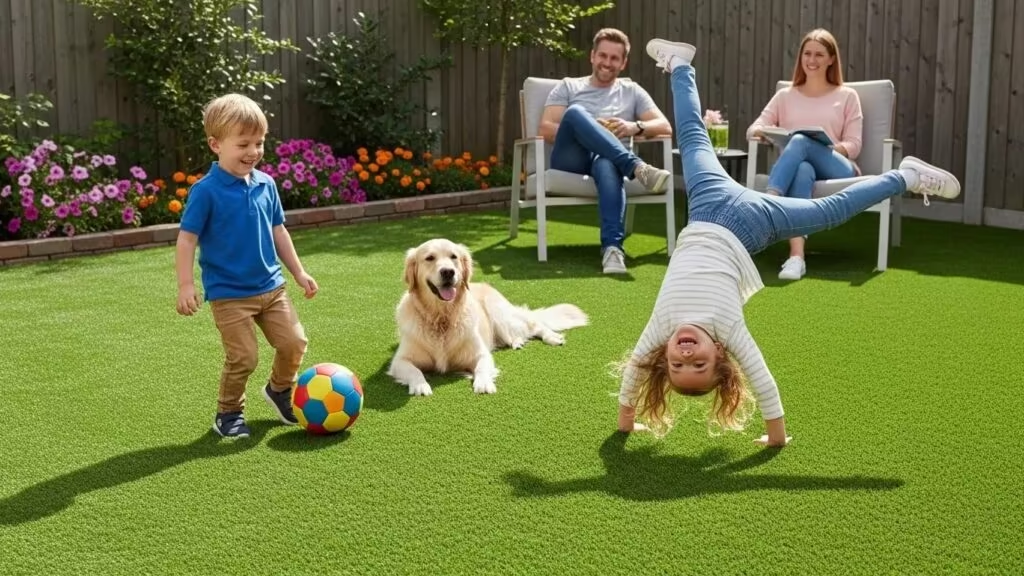
Artificial grass delivers clear practical benefits: reduced routine maintenance, lower water use, and a consistent aesthetic year-round.
- Low Maintenance: Unlike natural grass, artificial turf does not require mowing, watering, or fertilizing, saving homeowners time and effort.
- Water Conservation: Synthetic grass significantly reduces water usage, making it an eco-friendly option, especially in drought-prone areas.
- Year-Round Aesthetics: Artificial grass retains its vibrant color and lush appearance year-round, providing a beautiful landscape in any season.
These advantages demonstrate the practicality and sustainability of artificial grass for many landscaping projects.
Research supports durability and low maintenance as key factors that make artificial turf a practical choice.
Benefits of Artificial Turf: Durability, Longevity, and Low Maintenance
Because of benefits such as durability, longevity, and reduced maintenance, artificial turf has been identified as a favorable choice for high-traffic areas and various landscaping needs.
Artificial Turf Versus Natural Grass: A Case Study of Environmental Effects, Health Risks, Safety, and Cost, 2025
Important Considerations
Before installation, assess the intended use, expected foot traffic, and local climate. These factors determine the required durability, pile height, and drainage design.
- Intended Use: Determine whether the area will be used for recreational activities, pet play, or purely aesthetic purposes.
- Foot Traffic: Assess the expected foot traffic in the area to select a durable turf that can withstand wear and tear.
- Climate Suitability: Consider the local climate and its potential impact on the artificial grass’s performance and longevity.
Addressing these considerations lets you select turf that performs reliably and meets long-term needs.
| Consideration | Description | Impact |
|---|---|---|
| Intended Use | The purpose of the turf area. | Influences turf selection. |
| Foot Traffic | The amount of activity in the area. | Determines durability needs. |
| Climate | Local weather conditions. | Affects turf performance. |
Choosing the right type of artificial grass for your landscape affects both aesthetics and function. This guide helps homeowners compare styles and pick the solution that matches their requirements. As synthetic turf gains popularity, understanding construction, performance attributes, and quality differences is necessary for a durable installation. Many homeowners find the options and quality levels confusing; this guide summarizes the key factors, benefits, and practical installation and maintenance points to streamline the decision process.
For details or to review options, you can contact us directly.
When evaluating artificial grass options, consider how each type aligns with your intended use, maintenance capacity, and aesthetic goals. Reviewing product specifications—pile height, fiber composition, backing, and drainage—helps you choose the correct turf. By comparing these attributes, homeowners can select a style that meets performance and appearance expectations.
Frequently Asked Questions
What is the lifespan of artificial grass?
Typical lifespans range from 15 to 25 years. Longevity depends on material quality and maintenance. Turf with UV protection and durable fiber construction lasts longer; lower-grade products wear out sooner. Regular brushing and routine cleaning extend usable life.
How does artificial grass affect the environment?
Artificial grass reduces irrigation demand, cutting water use. Trade-offs include production materials, possible chemical leaching, and end-of-life disposal. Evaluate these environmental factors when comparing options.
Can artificial grass be installed over existing grass?
Yes. Proper preparation is required: cut and remove existing grass to prevent regrowth, then install a stable base of crushed stone or sand. Correct surface prep ensures the turf lies flat and performs as intended.
Is artificial grass safe for children and pets?
Most turf products are manufactured from non-toxic materials and are safe for children and pets. Playground turf is specifically engineered to provide cushioning and reduce the risk of injury. Select high-quality products that meet safety standards and ensure proper installation to maximize safety.
How do I clean and maintain artificial grass?
Maintenance is straightforward. Remove debris with a leaf blower or rake. For pet areas, pick up waste promptly and rinse to control odors. Occasionally, brush fibers with a stiff broom to restore upright blades. Periodic deep cleaning with a turf-specific cleaner keeps the surface hygienic.
What are the costs associated with installing artificial grass?
Installation costs vary by turf quality, area size, and complexity. Average total costs typically range from $ to $$ per square foot, including materials and labor. While initial costs can be higher than those of natural grass, you may recoup them over time through reduced maintenance and water bills.
Can artificial grass be recycled?
Yes. Many artificial grass systems can be recycled, but processes differ by material and supplier. Some manufacturers provide take-back programs; otherwise, check local recycling facilities that accept synthetic turf. Recycling reduces landfill waste and supports sustainability goals.
Conclusion
Selecting the right landscape artificial grass for your landscape can improve appearance, reduce maintenance, and lower water use. Understanding the available styles and their performance characteristics lets homeowners make informed choices that deliver lasting results. Review product specifications and compare options to find the best fit for your site. For tailored advice, feel free to contact us today.


