
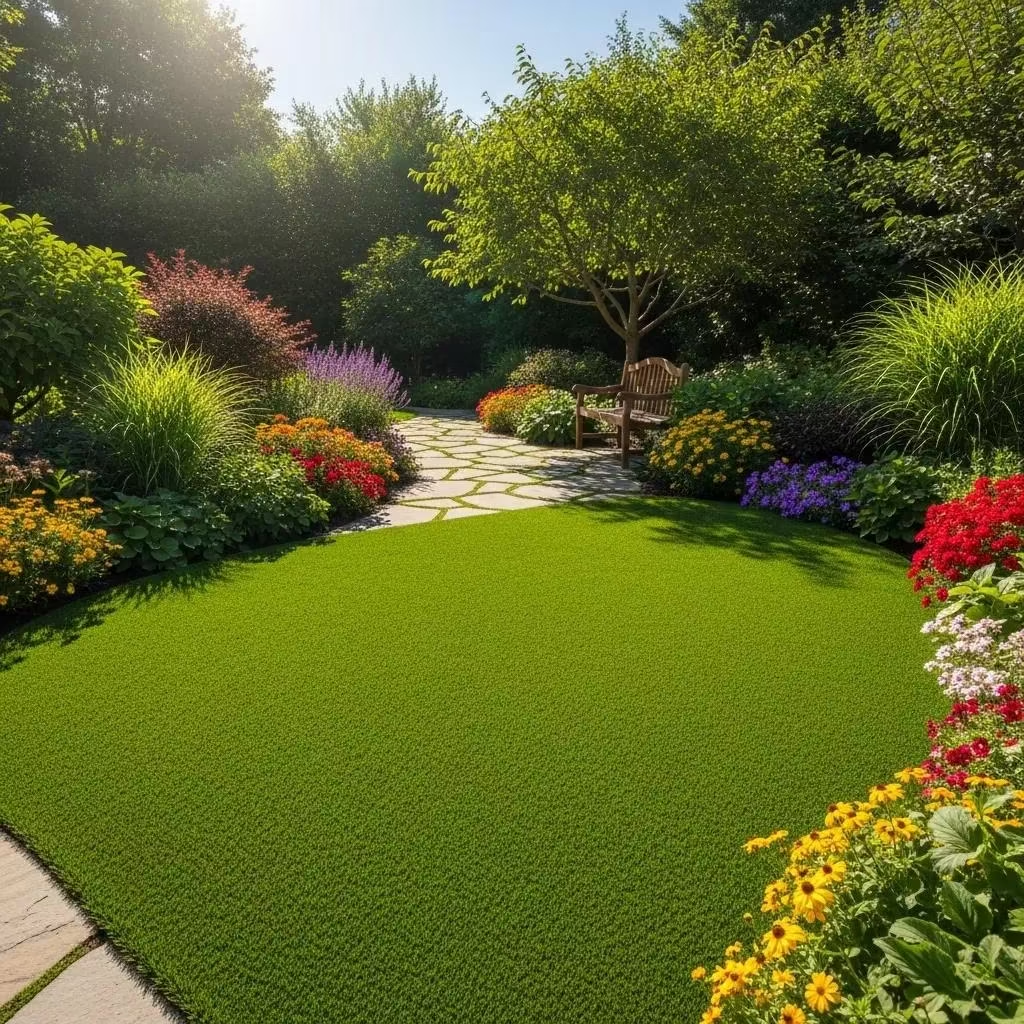
Artificial turf landscapes are a popular choice for homeowners who want the look of a manicured lawn without the upkeep. But several environmental factors — from heat and drainage to UV exposure, microplastics, chemical risks, and biodiversity impacts — influence how well turf performs and how long it lasts. This guide walks through each factor and offers practical solutions so homeowners, landscapers, and contractors can make smart, sustainable choices for their installations.
How Heat Retention Affects Comfort and Turf Performance
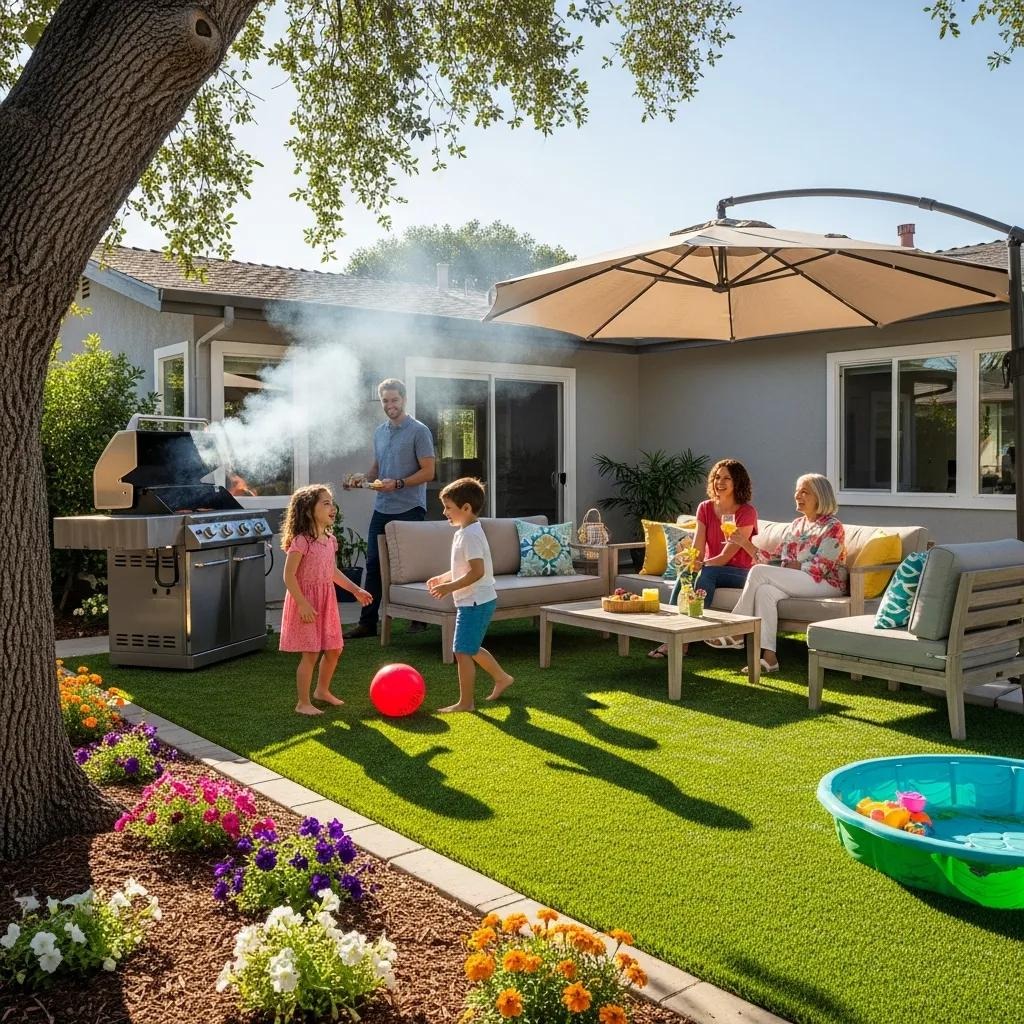
Artificial turf can run noticeably hotter than natural grass, which affects comfort and usability on warm days. Because synthetic fibers don’t transpire like living plants, surfaces absorb and hold more heat. Knowing what drives heat retention helps you choose materials and design features that keep outdoor spaces pleasant.
Why Does artificial turf get hotter than natural grass
Synthetic turf heats up faster because its materials—commonly polyethylene and polypropylene—absorb sunlight and don’t cool through transpiration. Those polymers have different thermal properties than living grass, and darker turf shades will retain more heat than lighter tones. The result: higher surface temperatures on sunny days.
Practical cooling solutions for synthetic turf
There are straightforward ways to reduce surface heat:
- Cooling infill materials: Specialty infills (for example, zeolite-based options) reflect more sunlight and help lower surface temperatures.
- Targeted watering: A quick misting can temporarily cool the surface when needed—useful for play areas or events.
- Shade and landscaping: Shade structures or nearby trees reduce direct sun exposure and make turf areas far more comfortable.
Smart Drainage Solutions to Protect Turf and Prevent Pooling
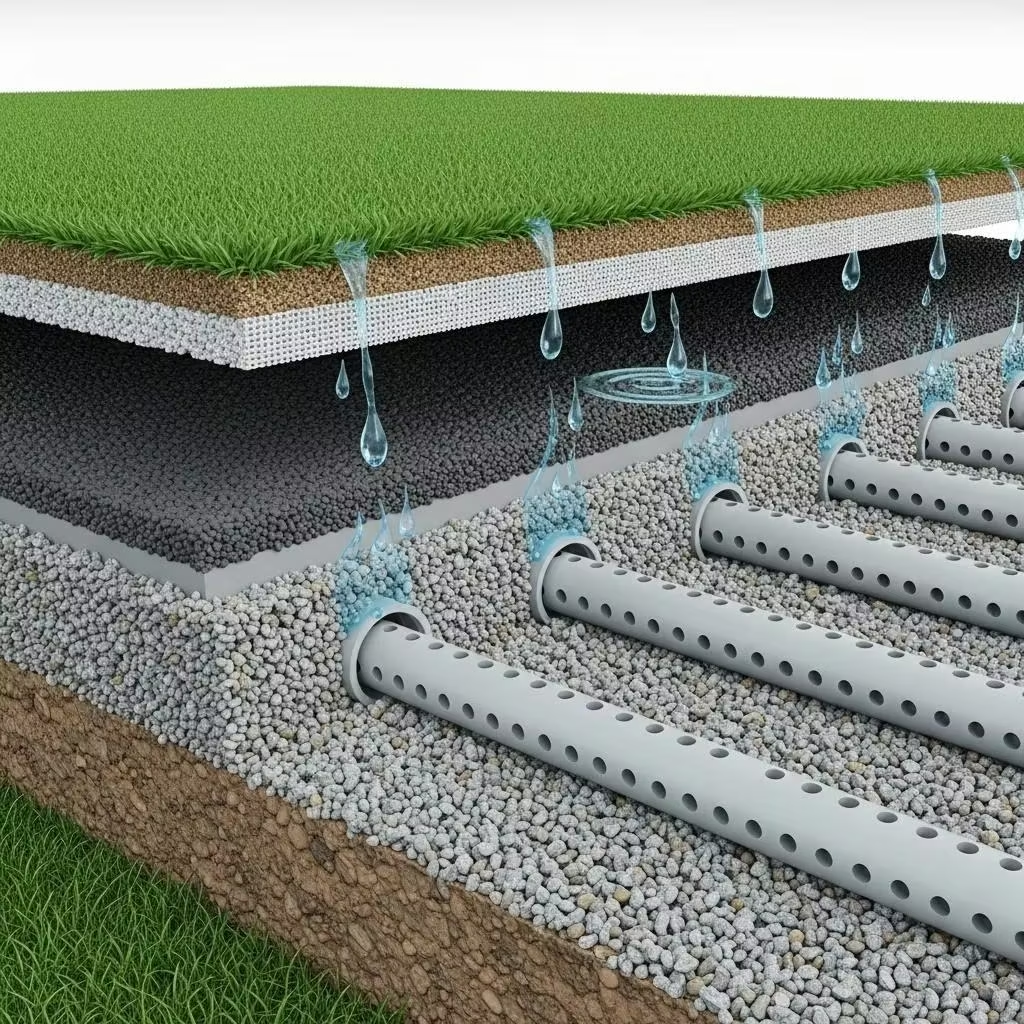
Good drainage is essential for long-lasting artificial turf. Without it, water can pool, promote mold or odors, and damage the turf backing. Properly designed drainage keeps the surface usable and reduces long-term maintenance.
How proper drainage preserves turf life
A well-designed drainage system channels excess water away from the turf, preventing saturation and backing degradation. Techniques like using gravel layers and perforated pipes promote quick drainage and reduce mold, extending the life and look of the turf.
Installation practices that improve drainage
These installation steps make a big difference:
- Sub-base preparation: A compacted, graded sub-base with a slight slope encourages runoff.
- Permeable base materials: Crushed stone or other permeable layers let water move through the base quickly.
- Drainage mats: Mats under turf panels speed water flow and help prevent surface pooling.
Artificial Turf Express stocks products and installation components to help you build reliable drainage into any turf project.
UV Degradation: What It Means for Durability and Appearance
Sunlight is one of the top factors that affect artificial grass over time. UV exposure can fade colors and weaken fibers, reducing turf’s lifespan and visual appeal. Choosing the right materials and UV protection matters.
What causes UV damage in synthetic fibers?
UV light breaks down chemical bonds in synthetic fibers, causing colors to fade and materials to become brittle. The severity depends on fiber quality and whether the product includes UV stabilizers or inhibitors to slow that process.
How UV-stabilized turf helps your landscape last longer
UV-stabilized turfs include additives that protect fibers from sun damage, preserving color and strength. Picking UV-treated products is a straightforward way to improve longevity and keep your landscape looking consistent year after year.
Microplastics from Turf: The Environmental Considerations
As turf and infill wear, small plastic particles can be released into the environment. These microplastics may be carried away by rain or irrigation and can accumulate in nearby soils and waterways. Managing wear and choosing the right materials reduces that risk.
How turf components contribute to microplastic pollution
Both turf fibers and plastic-based infill can fragment over time through foot traffic, weathering, and UV exposure. Once broken down, those particles are small enough to move with runoff or be transported offsite, raising ecological concerns.
Infill choices that limit microplastic release
Consider infill options that reduce plastic contribution:
- Natural infill: Cork or coconut coir are renewable alternatives to plastic infills.
- Recycled rubber: Using reclaimed rubber lowers demand for new plastics.
- Mineral or organic infill: Sand or other inorganic/organic infills offer non-plastic cushioning options.
Chemicals in Turf: Environmental and Health Considerations
Certain chemicals found in turf fibers and infill—when present—can pose environmental or health concerns if they leach into soil or water. Being aware of common chemical risks helps you pick safer products and installation methods.
Which chemicals are most commonly identified?
Analyses have identified substances such as heavy metals, phthalates, volatile organic compounds (VOCs), and, in some cases, per‑ and polyfluoroalkyl substances (PFAS). These compounds can be persistent in the environment, so product selection and certification matter when minimizing risk.
Despite these concerns, regulations and systematic monitoring for turf-related chemicals are still developing in many regions.
Regulations on Microplastics and Chemicals in Artificial Turf
Studies have documented the presence of heavy metals, microplastics, PAHs, and PFAS in some turf materials, but only a few jurisdictions have specific regulations or comprehensive surveillance programs for artificial turf and crumb rubber infill.
Artificial turf and crumb rubber infill: An international policy review concerning the current state of regulations, J de Boer, 2022
How choosing non-toxic products lowers leaching risk
Selecting turf and infill certified free of problematic chemicals is one of the most effective ways to reduce leaching. Look for manufacturer transparency, third‑party testing, and products labeled for low chemical content—those choices protect people and the surrounding environment.
Biodiversity and Local Ecosystems: What Turf Installation Changes
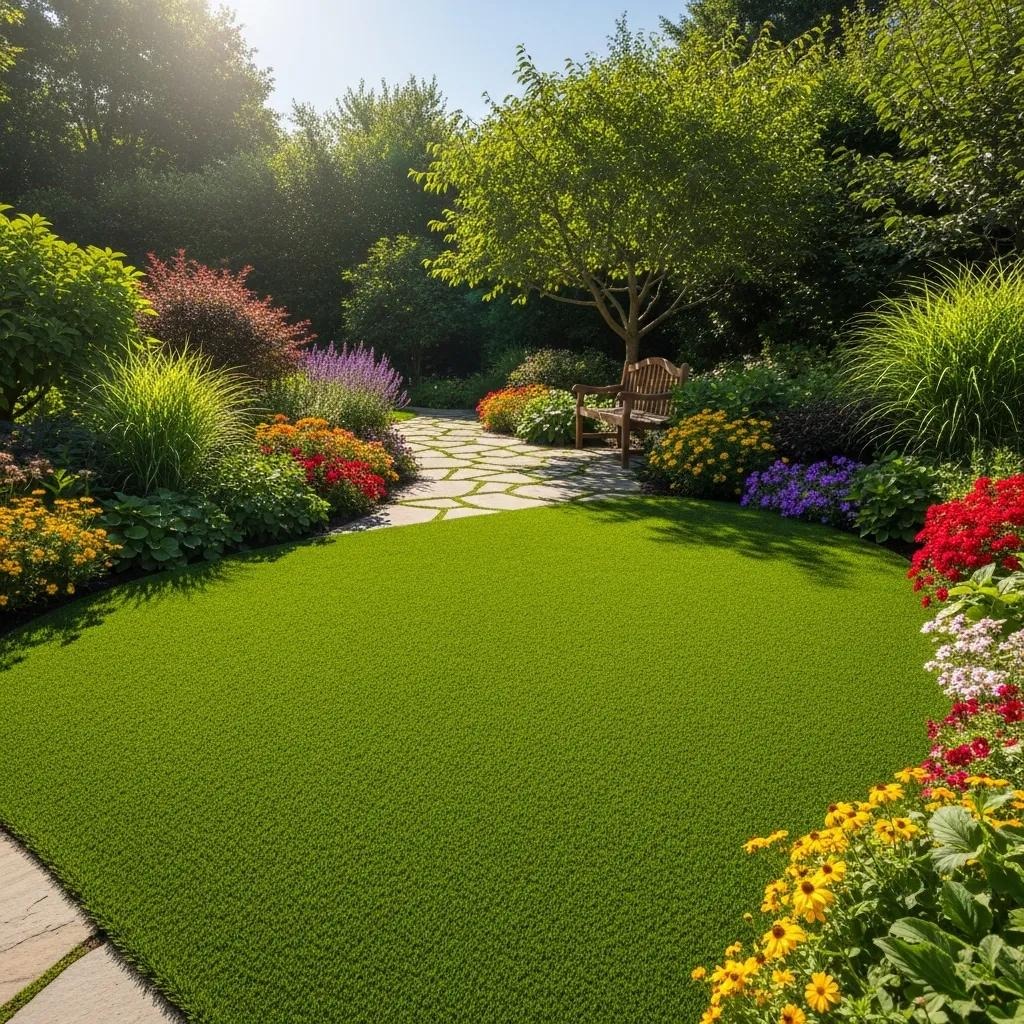
Replacing natural ground with synthetic turf changes the local habitat. While turf cuts maintenance, it can reduce food sources, nesting opportunities, and soil functions that support biodiversity. Thoughtful planning helps balance the benefits of turf with local ecosystem needs.
How turf installation can affect wildlife and habitat
Installing turf removes natural vegetation that provides shelter and food for insects, birds, and small mammals. Over time, that loss can reduce local biodiversity and alter soil health, water infiltration, and microhabitats.
Practical steps to reduce biodiversity impacts
Use these strategies to support local ecosystems:
- Native plant borders: Plant native shrubs and flowers around turf areas to create habitat and food sources.
- Buffer zones: Leave strips of natural vegetation between turf and sensitive areas to protect wildlife corridors.
- Community engagement: Involve neighbors or local groups in planting and habitat projects to build broader ecological support.
When you combine turf with native landscaping and thoughtful site design, you preserve usability while supporting local plants and animals.
| Drainage Solution | Description | Benefits |
|---|---|---|
| Perforated Pipes | Pipes placed under the base to channel water away from the turf | Prevents pooling and prolongs turf life |
| Gravel Layers | A porous stone layer beneath the turf to help water move through the base | Improves absorption and reduces mold risk |
| Drainage Mats | Specialized mats under turf panels that accelerate water flow | Enhances drainage efficiency and avoids saturation |
Artificial Turf Express carries products and installation components to help you achieve reliable drainage, cooling, and long-term performance for your turf projects.
Frequently Asked Questions
What maintenance does artificial turf require?
Turf is lower maintenance than natural grass but still requires regular care. Brush fibers to keep them upright, rinse occasionally to clear dust and pet waste, inspect for wear, and top up infill when needed. A simple routine keeps turf looking good and performing well.
Can artificial turf be recycled?
Yes—many turf systems can be recycled, though availability depends on local programs and material composition. Manufacturers and recycling centers increasingly offer turf take‑back and repurposing options, so check locally when it’s time to remove old turf.
How does artificial turf affect water use?
Artificial turf significantly reduces the need for routine irrigation, thereby saving significant water—especially in drought-prone areas. Occasional rinsing for cleaning or pet waste uses some water, but overall, turf is a water‑saving landscape choice.
What arethe best practices for installing artificial turf?
Start with solid site prep: remove vegetation, grade and compact the base, and install proper drainage. Use high-quality materials and follow the manufacturer’s instructions for seams and infill. Let the turf settle before heavy use to ensure a durable finish.
Are there health risks tied to artificial turf?
Most turf is safe, but select products carefully. The concerns focus on certain chemicals found in certain materials. Choose non‑toxic, tested products and maintain good drainage and cleaning practices to minimize any potential risks—especially for kids and pets.
How does artificial turf affect soil health?
Turf can limit natural soil processes, such as infiltration and nutrient cycling, by replacing living vegetation. To protect soil health, incorporate native planting around turf and create vegetated buffers that allow the surrounding soil to function naturally.
Conclusion
Understanding how heat, drainage, UV exposure, microplastics, chemicals, and biodiversity affect artificial turf helps you choose materials and design details that extend performance and limit environmental impact. With thoughtful product selection and installation—plus simple maintenance—you can enjoy attractive, low‑maintenance turf while supporting a healthier landscape. Browse our products and guidance to find solutions that fit your project and local needs.


