

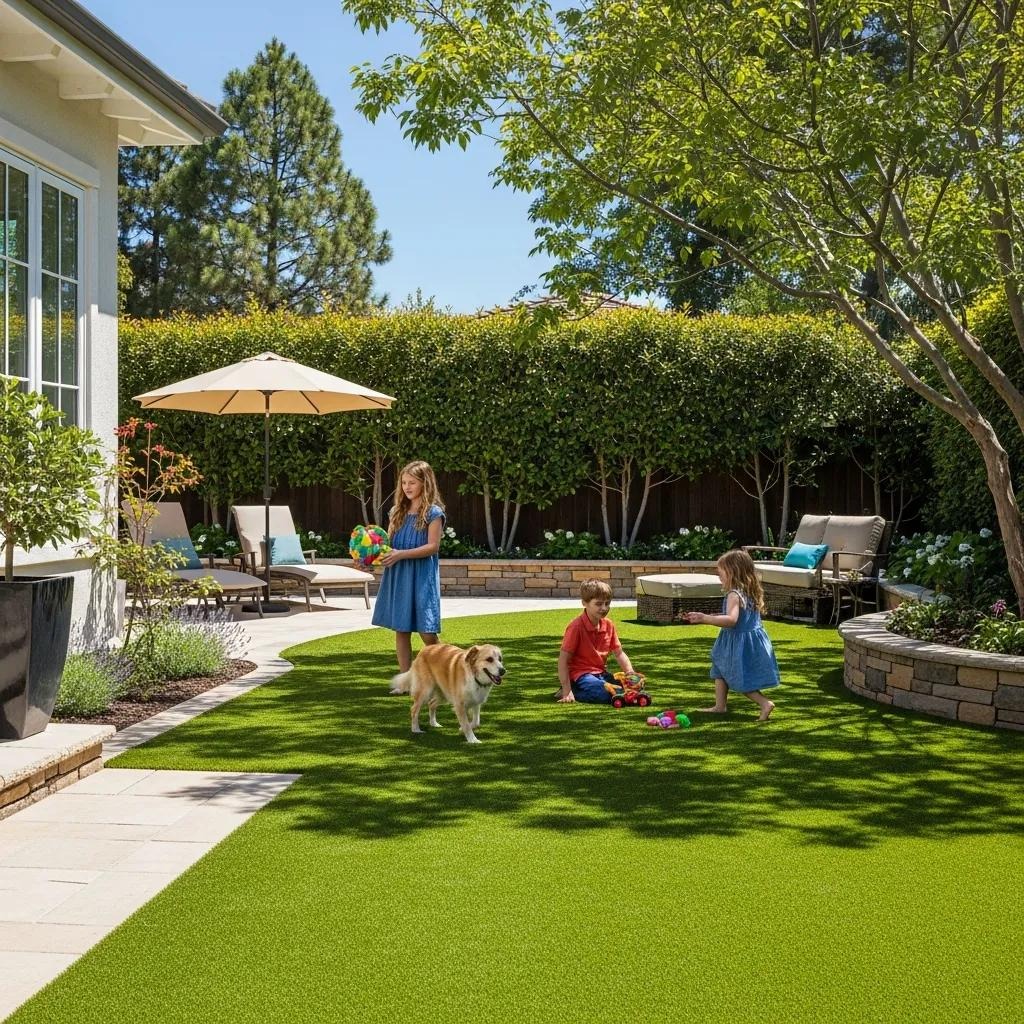
Thinking about swapping your lawn for artificial turf? This guide walks you through the essentials — the benefits, what installation looks like, routine care, and how much it typically costs. Landscape artificial turf offers a durable, attractive alternative for homeowners who want a tidy yard without the constant upkeep. Read on to learn the different product types, installation tips, maintenance expectations, and a cost breakdown so you can decide what fits your home and budget. For high-quality materials and local support, see Artificial Turf Express.
What Are the Key Benefits of Residential Artificial Grass?
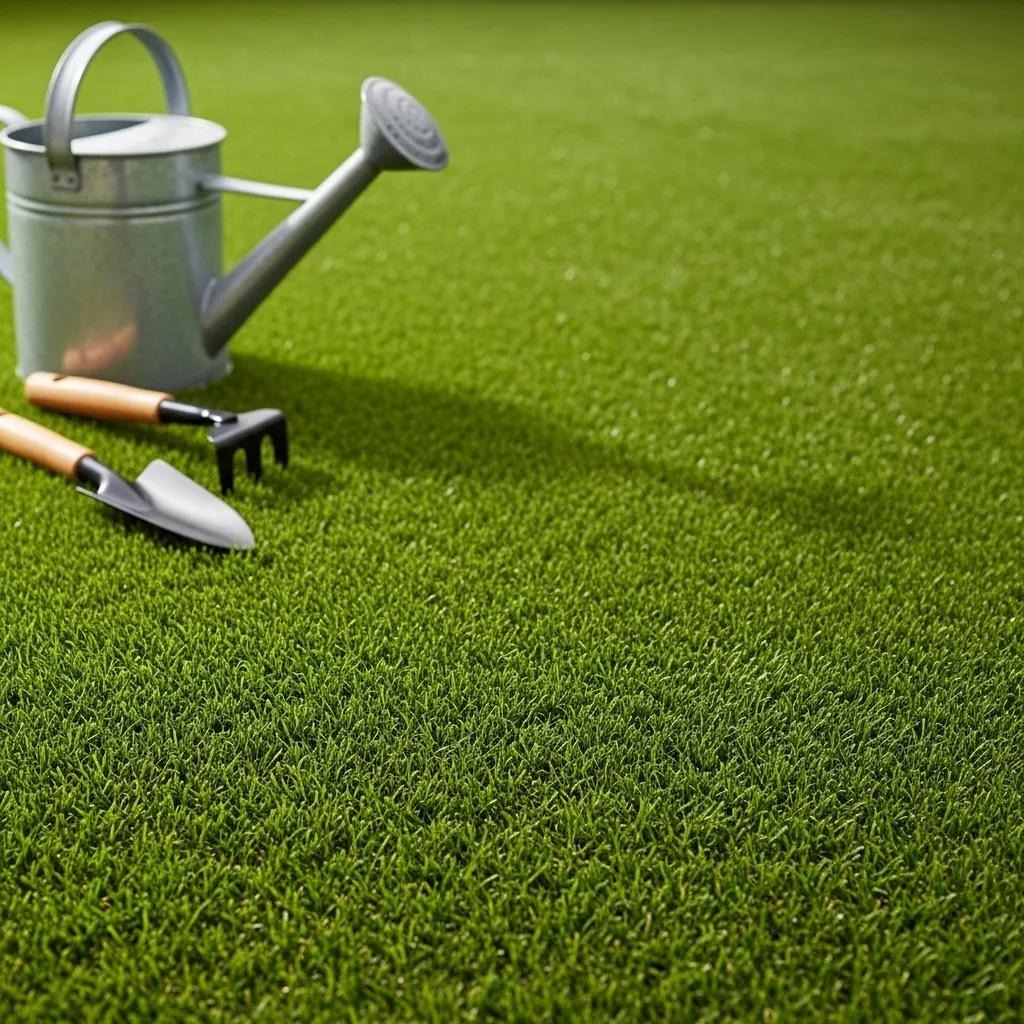
Residential artificial grass delivers clear advantages for busy homeowners and families alike.
- Water Conservation: Artificial turf eliminates the need for regular irrigation, saving thousands of gallons of water each year — a big plus in drought-prone regions.
- Low Maintenance: No mowing, fertilizing, or routine pest treatments. That means less time and money spent on lawn care and more time enjoying your yard.
- Durability: Made to resist heavy foot traffic, pets, and most weather, quality turf keeps its look and function for years, even in active family spaces.
When you’re ready to buy, Artificial Turf Express offers a selection of high-quality artificial grass products and local support to help with your project.
How Does Artificial Turf Save Water and Reduce Maintenance?
Because artificial turf doesn’t need regular watering, homeowners can dramatically lower outdoor water use. You’ll also skip mowing and many gas-powered lawn tools, cutting both the time spent on upkeep and the carbon footprint associated with traditional lawn care.
Why Is Artificial Grass Durable and Pet-Friendly for Home Use?
Modern turf is built from UV-resistant fibers that resist fading, tearing, and matting. Pet-friendly options include improved drainage and antimicrobial elements to make cleanup easier and reduce odors — a practical choice for households with pets.
Which Types of Artificial Turf Are Best for Homeowners’ Backyards?
Pick the turf type that matches how you plan to use your yard.
- Landscape Turf: Designed to look like a classic lawn — great for general landscaping, curb appeal, and play areas.
- Pet Turf: Built for easy drainage and odor control, so pet areas stay cleaner and fresher.
- Putting Green Turf: Engineered for a smooth, consistent roll — ideal for a practice putting surface at home.
What Are the Differences Between Landscape, Pet, and Putting Green Turf?
Landscape turf emphasizes a natural look and feel. Pet turf focuses on hygiene and drainage. Putting green turf is tuned for performance and smoothness. Choosing with purpose ensures the turf performs for your household’s needs.
How Do Material, Pile Height, and Face Weight Affect Turf Selection?
Several product specs determine how turf looks and performs:
- Materials: Polyethylene, polypropylene, and nylon are common. Each offers different balances of softness, strength, and UV resistance.
- Pile Height: Taller blades read as more natural but can show footprints more easily; shorter blades are tidy and simple to maintain.
- Face Weight: Given in ounces per square yard, higher face weight generally means denser, more durable turf that feels more realistic underfoot.
How Can Homeowners Successfully Install Artificial Turf Themselves?
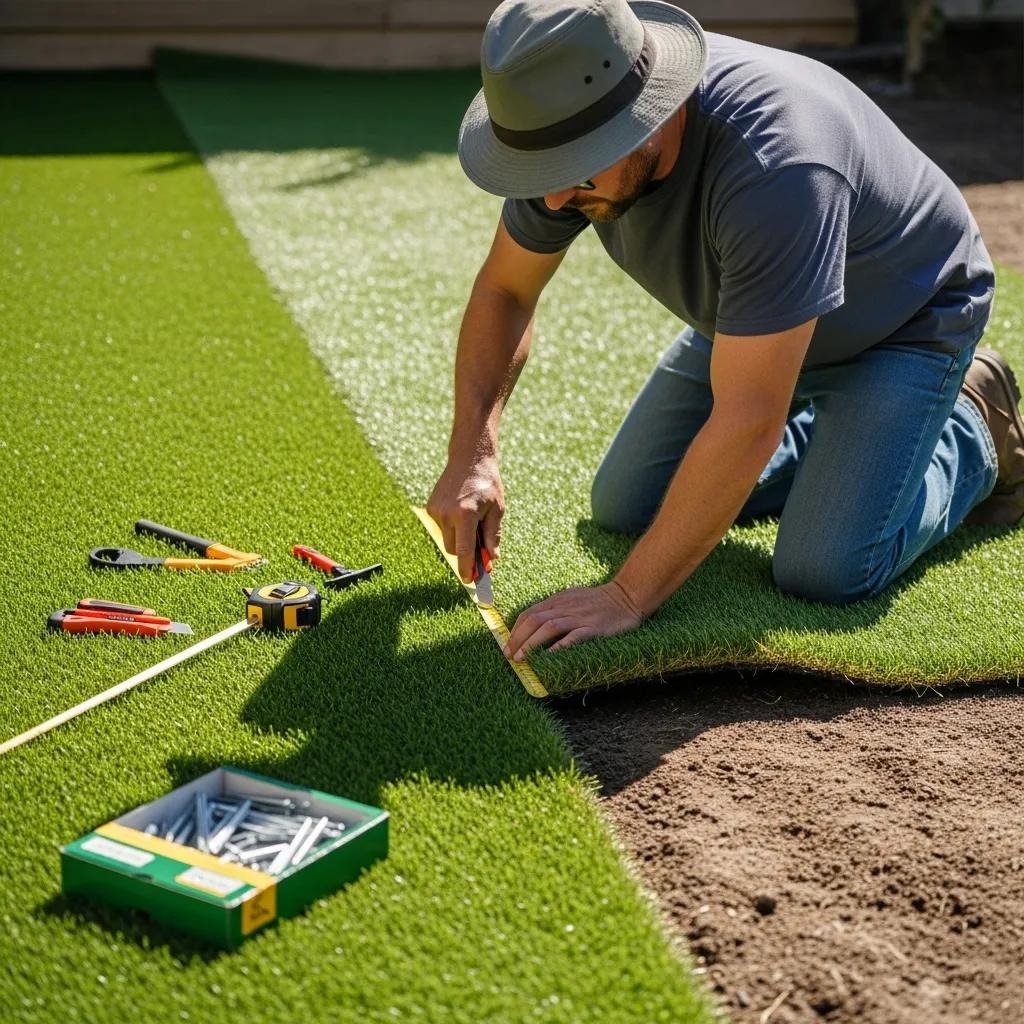
DIY installation is possible with the right prep and patience. Follow these core steps for a solid result.
- Preparation: Measure carefully and clear the area of grass, weeds, and debris so you start with a clean, stable surface.
- Base Layer: Lay a compacted base of crushed rock or decomposed granite to ensure drainage and a firm foundation.
- Turf Installation: Roll out the turf, trim to fit, and secure seams and edges with adhesive or turf staples.
What Are the Essential Steps in a DIY Artificial Turf Installation?
In short: prepare the site for good drainage, install a compacted base, then place and secure the turf so seams are tight and edges are secure.
- Site Preparation: Remove existing vegetation and grade for drainage.
- Base Layer Installation: Compact a crushed stone or decomposed granite base.
- Turf Placement: Lay the turf, join seams, and anchor the edges.
Which Tools and Accessories Are Needed for Home Installation?
Gather these basic tools before you begin:
- Utility Knife: For precise cutting and trimming.
- Turf Staples: To anchor edges and hold the turf in place.
- Adhesive: For strong seam joins and edge attachment.
- Rake: To level and compact the base before installing turf.
What Maintenance Is Required to Keep Synthetic Lawns Looking Their Best?
Artificial lawns are low-maintenance but not no-maintenance. A few simple tasks keep them looking fresh.
- Regular Cleaning: Remove leaves, branches, and pet waste on a routine schedule to keep the surface tidy.
- Brushing: Brush the fibers occasionally with a stiff broom to lift blades and prevent flattening.
- Infill Replenishment: Top up infill as needed over time to maintain cushioning and performance.
How Should Homeowners Clean and Care for Artificial Grass Regularly?
Routine care is simple: pick up debris, hose down dusty spots, and address spills quickly. For pet areas, clean waste and rinse with water or a pet-safe cleaner to keep odors under control.
What Are Best Practices for Pet Waste Management and Infill Replenishment?
For pet waste, remove solids promptly and rinse the area.
How Much Does Artificial Turf Cost for Homeowners and What Is the ROI?
Cost varies by product quality and installation complexity. Knowing typical price ranges helps you plan your budget and expected savings.
- Material Costs: Turf material prices commonly run from $3 to $7 per square foot, depending on density and features.
- Installation Costs: Professional installation typically adds $5 to $15 per square foot, based on site prep and complexity.
- Long-Term Savings: You can expect lower water bills and reduced lawn-care expenses, which improve overall return on investment over time.
What Are Typical Material and Installation Costs for Residential Turf?
The typical costs for artificial turf include:
| Type of Cost | Estimated Price Range |
|---|---|
| Material Cost | $ |
| Installation Cost | $$ |
| Total Cost (Material + Installation) | $$$ |
Use these ranges to estimate your project; final pricing depends on site conditions and the product you choose.
How Do Long-Term Savings Compare Between Synthetic and Natural Lawns?
Over time, synthetic lawns typically save money on water, fertilizer, mowing, and lawn services. Those recurring savings help offset the upfront cost, making artificial turf an economical option for many homeowners.
How to Choose the Best Artificial Turf for Your San Jose Home?
Picking the right turf means matching the product’s performance to the local climate and how you plan to use the space.
- Local Climate: San Jose’s Mediterranean weather calls for turf that resists heat and UV exposure while draining well during occasional heavy rain.
- Usage Scenarios: Decide whether the space will be heavy-use (kids and pets), decorative, or performance-focused (like a putting area).
- Quality and Warranty: Choose higher-quality turf with a solid warranty for long-term value and peace of mind.
What Local Climate and Usage Factors Should Influence Turf Selection?
In San Jose, prioritize heat and UV resistance plus good drainage. Match the turf’s durability to how the area will be used — pets, play, or pure curb appeal — to ensure the right balance of looks and performance.
Why Choose Artificial Turf Express for Quality Products and Support?
Artificial Turf Express stocks a wide selection of turf options and stands behind what we sell with helpful local service. Whether you need landscape turf, pet-friendly systems, or something special, we make it easy to pick the right product and get it delivered or picked up when you’re ready.
Frequently Asked Questions
What is the lifespan of artificial turf?
Most artificial turf lasts about 15 to 25 years, depending on product quality and how well it’s cared for. Higher-grade turf and regular maintenance like cleaning and infill top-ups extend the usable life and often come with manufacturer warranties.
Can artificial turf be installed over existing grass?
Technically yes, but it’s not recommended. Removing existing grass and preparing a clean, level base ensures proper drainage and prevents uneven spots that can shorten the turf’s lifespan.
Is artificial turf safe for children?
Yes. Quality turf products are made from non-toxic materials and many include soft, cushioned backing to reduce impact during play. Choose turf that meets safety standards and has appropriate infill for extra cushioning.
How does artificial turf perform in extreme weather conditions?
Good-quality turf is UV-stable and designed to handle heat, cold, and heavy rain. Built-in drainage features prevent pooling, but it’s still wise to inspect the turf after extreme weather to ensure seams and drainage remain intact.
What are the environmental impacts of using artificial turf?
Artificial turf saves water and reduces fertilizer and pesticide use, but it’s made from synthetic materials that aren’t biodegradable. Manufacturers are improving recyclability and offering eco-friendlier options, so weigh the water savings against end-of-life disposal when considering environmental impact.
Can I install artificial turf myself, or should I hire a professional?
DIY installation is possible for smaller, simple areas if you have the right tools and skill. For larger jobs or complex grading and drainage needs, hiring a pro can ensure a longer-lasting, trouble-free result.
What should I consider when choosing infill for my artificial turf?
Consider the turf type, intended use, and climate. Common infills include sand, rubber, and organic materials. Rubber adds cushioning, while organic infill can improve drainage and reduce odors. Pick infill that balances comfort, performance, and maintenance for your yard.
Conclusion
Artificial turf can give you a low-maintenance, durable, and attractive yard that saves water and reduces ongoing lawn care. By understanding the different turf types, installation steps, maintenance needs, and costs, you can choose the best solution for your home. Browse our selection of proven products at Artificial Turf Express and get local support to help you start the project — your yard can look great with less effort.


