

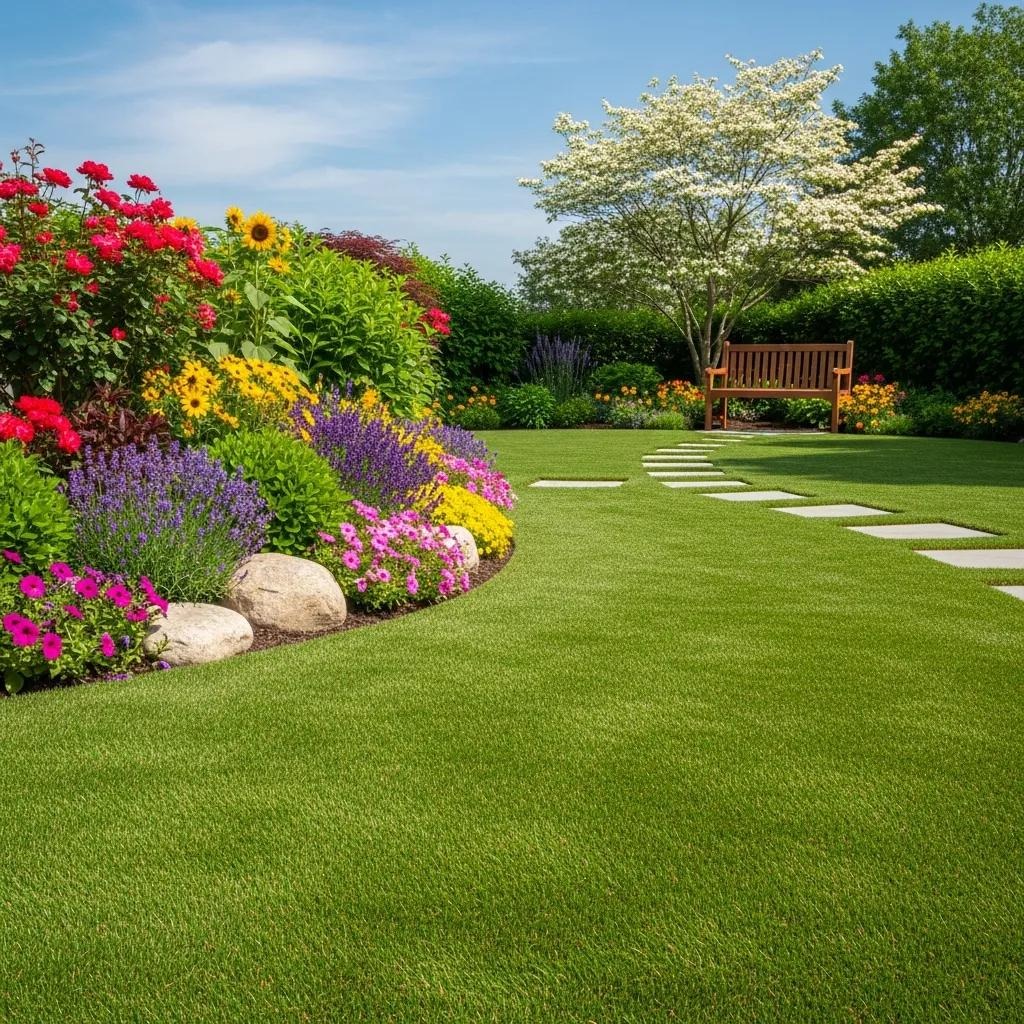
Artificial turf for landscapes is a fast-growing choice for homeowners who want a green, usable yard without the chores of natural grass. This guide explains what landscape turf is, why people choose it, innovative ways to use it around your home, and how installations typically work. If you’re looking to save time, water, and upkeep while keeping your outdoor space attractive, understanding artificial turf will help you make a confident choice. Below, we cover its history, the main benefits, design ideas, how to pick the right product, installation basics, and simple maintenance tips.
What Is Landscape Artificial Turf and How Has It Evolved?
Artificial turf for landscapes is a synthetic surface crafted to look and feel like real grass. It’s made from fibers such as polyethylene and polypropylene, designed to withstand weather and everyday use. What started as turf for sports in the 1960s has come a long way—modern manufacturing and material advances now deliver realistic color, softer blades, and stronger UV resistance, which makes turf a viable option for residential yards and outdoor living spaces.
What Defines Artificial Turf and Its Common Materials?
Artificial turf is defined by its synthetic grass fibers and backing system that together recreate the look and play of a natural lawn. Common materials include:
- Polyethylene: Soft underfoot and durable—an excellent pick for home lawns and play areas.
- Polypropylene: A budget-friendly choice, though it’s less UV-resistant and durable than the others.
These fibers are paired with infill options—crumb rubber, sand, or blends—to stabilize the turf, add cushioning, and support drainage so walking and play feel comfortable and controlled.
How Has Artificial Turf Transitioned from Sports to Residential Use?
The shift from sports fields to front yards came from steady improvements in material technology and aesthetics. Early turf focused on durability; today’s products balance realism with performance. Homeowners appreciate the low maintenance, reliable color, and water savings, so turf now appears not only on lawns but also on patios, rooftops, play areas, and pet runs. As drought-conscious landscaping grows, turf has become a practical, design-friendly solution.
What Are the Key Benefits of Using Artificial Turf in Modern Yards?
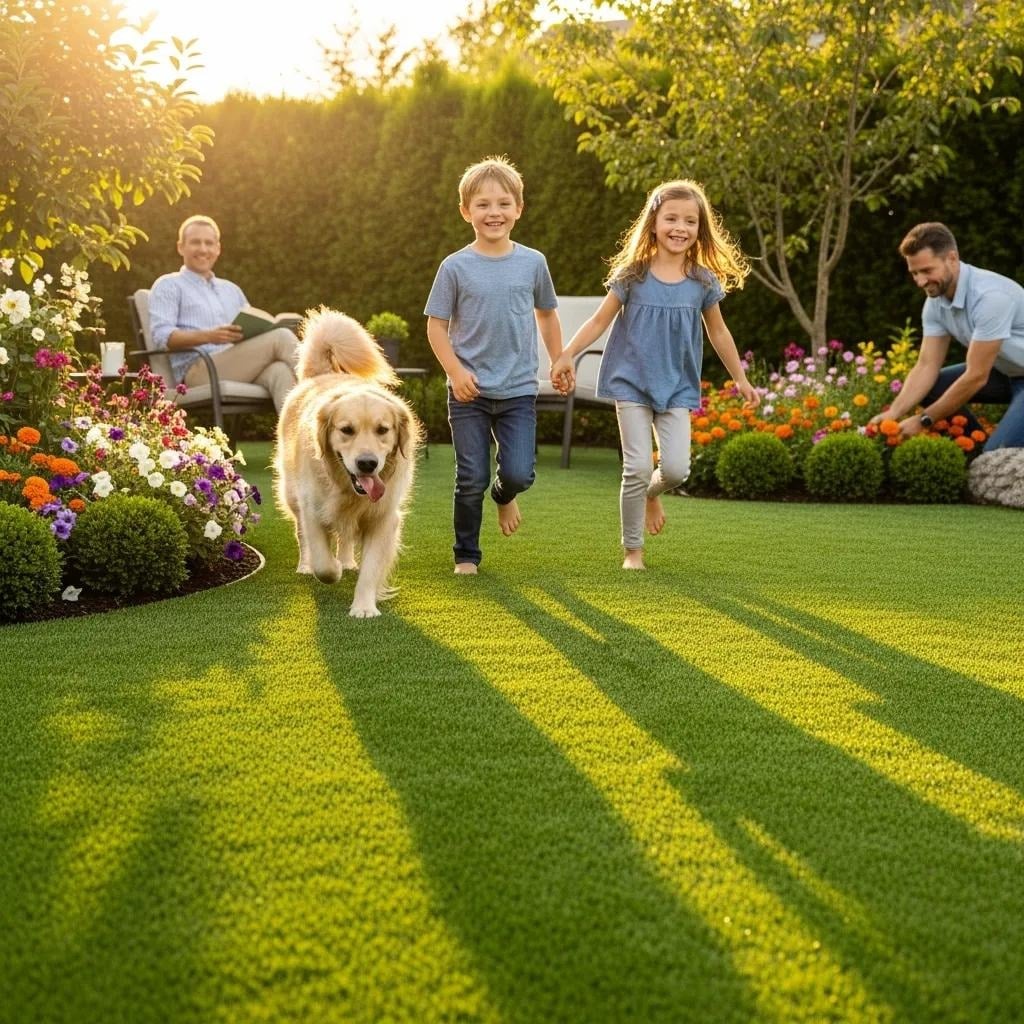
- Low Maintenance: No mowing, little watering, and no regular fertilizing—save time and reduce yard work.
- Water Conservation: Turf removes the need for irrigation, which is especially valuable in dry regions or during water restrictions.
- Durability: Built to handle heavy foot traffic and changing weather while keeping a consistent, fresh look.
These advantages make artificial turf a compelling choice for homeowners who want an attractive outdoor area that’s easy to care for.
How Does Artificial Turf Provide Low Maintenance and Water Conservation?
Because it’s synthetic, artificial turf eliminates mowing, frequent watering, and most lawn chemicals. That translates to real savings on time and utility bills. In drought-prone areas, replacing a traditional lawn with turf can cut water use by thousands of gallons each year—helping both your budget and the environment.
Why Is Artificial Turf Durable, Pet-Friendly, and Allergen-Free?
Modern turf is engineered for toughness: UV-stable fibers, strong backing, and smart infill keep it looking good under daily wear. Many turf products are designed with pets in mind—easy-to-clean surfaces, quick drainage, and durable fibers that resist digging and staining. Because turf doesn’t produce pollen and usually needs no fertilizers, it’s a helpful option for allergy sufferers.
How Is Artificial Turf Used Creatively in Modern Residential Landscaping?
What Are Popular Applications of Artificial Turf in Lawns, Patios, and Play Areas?
Artificial turf is versatile. Use it for full lawns that stay green year-round, on patios to create a soft living area, or in playgrounds where a cushioned, mud-free surface matters. Turf adapts well to different yard sizes and shapes—making small urban yards and large suburban lawns equally appealing.
How Do Pet Zones, Putting Greens, and Unique Features Enhance Yard Design?
Specialized turf applications expand what your yard can do. Pet zones and putting greens add practical and fun uses—pet zones focus on durability and easy cleanup, while putting greens are built for true roll and performance. Other design touches—turf pathways, accent borders, or layered texture with pavers—give your landscape personality without extra upkeep.
How Do You Choose the Right Landscape Artificial Turf for Your Yard?
What Factors Should You Consider: Pile Height, Material, Color, and Infill?
Picking the right turf comes down to use and preference. Key factors:
- Pile Height: Taller blades look lush and plush; shorter piles stand up better in high-traffic spots.
- Material: Choose polyethylene for softness, nylon for heavy use, or polypropylene for a budget option.
- Color: Match your home and landscape—some turf blends multiple tones for a more natural look.
- Infill: Infill affects feel, drainage, and stability—select one that fits your climate and use.
Considering these points will help you pick turf that looks great and performs where you need it.
Which Artificial Turf Express Products Best Suit Different Yard Needs?
At Artificial Turf Express we offer options for common yard needs. For homes with pets, our Pet Grass provides durability and easy care. Backyard golfers, Putting Green Turf is formulated for true roll and feel. For everyday lawns, our Landscape Turf balances a lush look with low maintenance. Each product is designed to match specific uses, so you get the right performance and appearance.
What Are the Essential Steps in DIY Artificial Turf Installation?
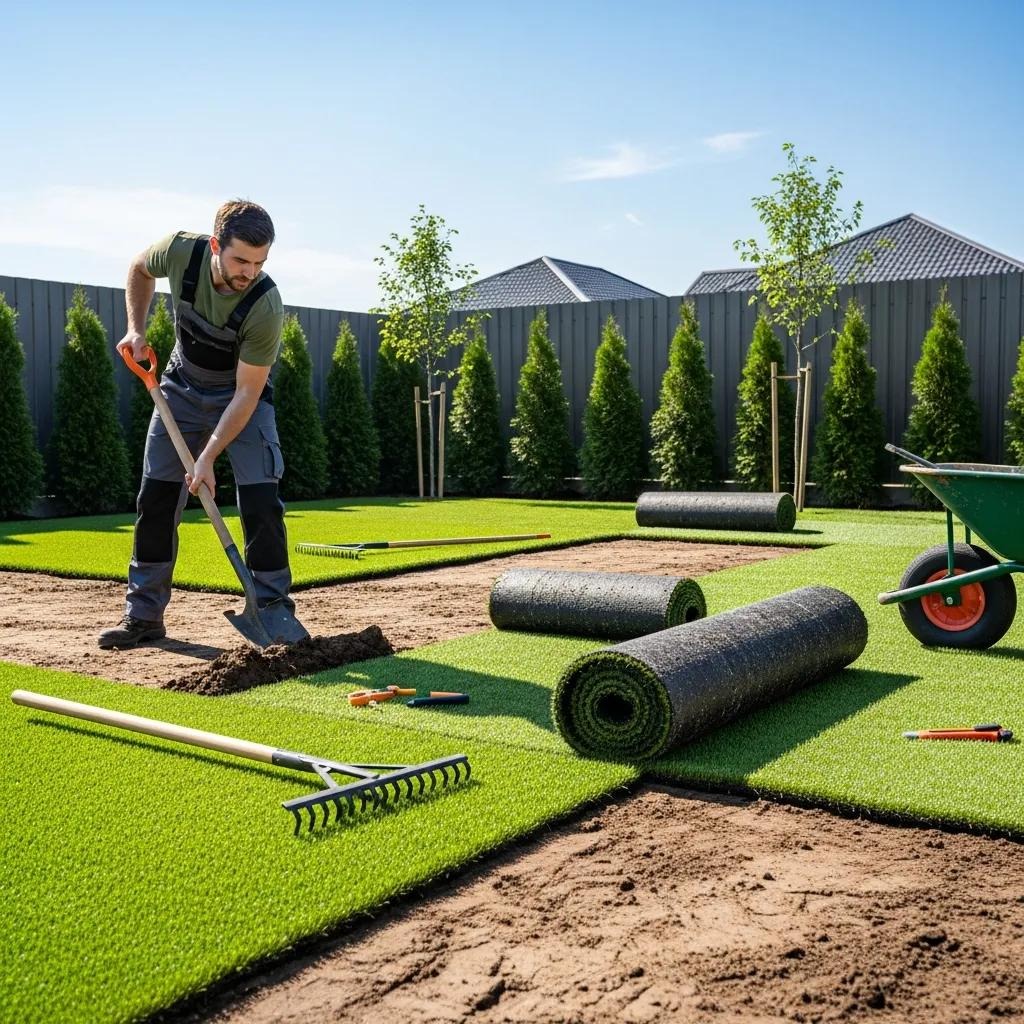
Installing turf yourself is doable with the right prep and tools. Follow the key steps below to create a long-lasting installation.
How Do You Prepare the Site and Lay the Turf Properly?
Start by removing existing grass, debris, and rocks. Grade and level the area, then compact a base layer of crushed rock or decomposed granite for stable drainage. Roll out the turf, trim it to fit, and secure edges with landscape staples or adhesive. Proper base prep is the most important part of a durable installation.
What Are the Best Practices for Seaming, Infill, and Finishing Touches?
Align edges carefully when seaming and use seam tape or adhesive designed for turf. Spread infill evenly to stabilize fibers and improve cushioning. Finish by brushing blades upright and checking seams and edges. These details deliver a finished look that holds up over time.
How Do You Maintain and Extend the Life of Your Artificial Turf Lawn?
What Cleaning and Weed Prevention Methods Keep Turf Looking Fresh?
Keep turf tidy by clearing leaves and debris with a leaf blower or stiff broom. Rinse occasionally to remove dust and pet residue. Install a weed barrier during the initial install and inspect seams or edges periodically to spot problems early. Simple upkeep keeps turf looking its best year after year.
How Can You Control Odors and Ensure Long-Term Durability?
For pet areas, a regular rinse and an enzyme cleaner made for turf help control odors. Avoid harsh chemicals and heavy equipment that can crush fibers or damage backing. With routine care and sensible use, your turf will remain attractive and functional for many seasons.
| Material Type | Durability | Maintenance Level | Ideal Use |
|---|---|---|---|
| Polyethylene | High | Low | Residential lawns |
| Nylon | Very High | Moderate | Sports fields |
| Polypropylene | Moderate | Low | Budget-friendly lawns |
Artificial turf provides a practical, low-maintenance alternative for modern landscaping. When you understand the benefits, applications, and care requirements, you can create an outdoor space that looks great, saves you money, conserves resources, and fits your lifestyle.
Frequently Asked Questions
What is the lifespan of artificial turf?
Most quality artificial turf lasts between 15 and 25 years, depending on the material quality, exposure, and maintenance. Higher-grade products and proper installation extend life—regular cleaning and the right infill help keep turf performing longer.
Is artificial turf safe for children and pets?
Yes. Modern turf is non-toxic and a popular choice for play areas. For pets, choose turf labeled pet-friendly for better durability and drainage. Routine rinsing and appropriate infill also keep the area sanitary and comfortable.
How does artificial turf affect property value?
Artificial turf can boost curb appeal and lower upkeep costs—both attractive points for buyers. While the value impact depends on local market tastes and installation quality, a well-installed turf lawn often makes a positive impression.
Can artificial turf be recycled?
Many turf products can be recycled, though options vary by material and local facilities. Some manufacturers offer take-back programs for old turf. Ask your supplier about recycling choices when it’s time to replace your turf.
What are the environmental impacts of artificial turf?
Turf saves water and reduces fertilizer and pesticide use, but it is made from synthetic materials that require energy to produce and can become waste if not recycled. Advances in recyclable materials and manufacturers’ recycling programs are helping reduce the environmental footprint.
How do I know if artificial turf is right for my yard?
Consider your climate, how you use the yard, and how much maintenance you want. If you want a consistently green space with minimal upkeep—especially in dry areas or high-traffic yards—turf is worth considering. Match the product to your needs (pets, play, putting green) for the best result.
Conclusion
Artificial turf for landscapes transforms outdoor spaces into low-maintenance, water-wise, and attractive areas that suit modern living. Its durability, pet-friendly options, and design flexibility make it a practical choice for many homeowners. With the right product and installation, turf can give you a beautiful yard with less work. Explore our selection of quality turf to find the best fit for your property.


