

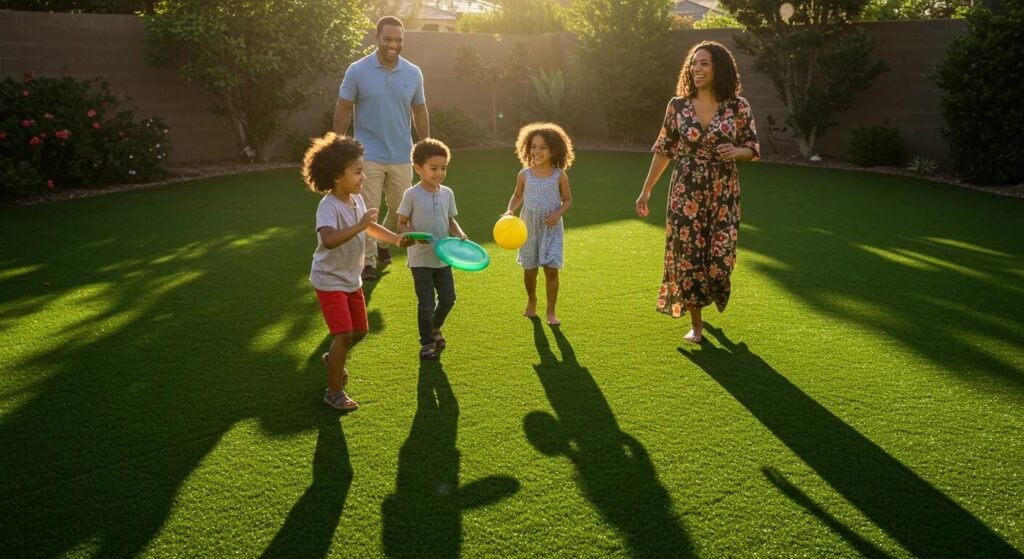
Ready to transform your San Jose yard? Picking the perfect artificial turf supplier starts with asking the right questions. This guide is packed with practical insights to help you uncover product quality, installation expertise, warranty details, and crucial local support. We’ll show you exactly what to ask and why each answer matters, empowering homeowners and landscapers to confidently evaluate options, minimize risks, and compare proposals side-by-side.
Dive in to learn how to thoroughly vet a supplier’s reputation, understand turf specifications like pile height and face weight, compare different installation methods and drainage solutions, and assess warranties alongside long-term costs. This article also covers pricing components, financing considerations, and San Jose-specific factors such as drought concerns and local regulations that influence your material choices. Each section includes helpful checklists, comparison tables, and clear action steps, so you can request samples, verify claims, and make truly confident decisions about your artificial turf selection and installation. We’ll connect practical questions to key technical criteria using terms like artificial turf San Jose, artificial turf warranty San Jose, and artificial grass quality metrics.
Uncovering Experience & Reputation: How to Evaluate a San Jose Artificial Turf Supplier
Evaluating a supplier’s experience and reputation means focusing on what truly counts: a proven track record of local work, verifiable references, proper licensing and insurance, and consistent customer feedback. Experience is vital because suppliers familiar with San Jose conditions understand drought mitigation, specific drainage needs, and HOA expectations; their history shows if they can handle complex site challenges. Start by asking for local project portfolios, requesting contactable references, and confirming their licensing and insurance documentation. These steps reveal their workmanship standards and how they resolve issues. While online reviews offer social proof, the best verification comes from speaking with past customers and, if possible, inspecting completed projects firsthand.
To make vetting easier, a concise checklist helps you standardize your inquiries and compare responses efficiently. This handy checklist is perfect for quick notes during calls or on-site visits.
- Ask for local project photos and the addresses of at least three completed San Jose installations you can personally inspect.
- Request contactable references and inquire if timelines, cleanup, and turf performance met their expectations.
- Confirm their licensing, insurance, and whether they provide written installation guarantees or workmanship commitments.
These simple checks reveal whether a supplier’s claims truly match their on-the-ground performance, helping you avoid unwelcome surprises.
Armed with verified references and documentation, you’ll be ready to compare quotes based on demonstrated competency, not just the price tag.
How Long Has the Artificial Turf Company Been Serving San Jose?
A company’s service duration in San Jose speaks volumes about its familiarity with local climate, municipal regulations, and water-conservation priorities. Longer local tenure often means more repeat customers and refined installation processes. To verify their history, ask the supplier for dated project records, archived portfolios, or local references who can confirm their service history. Cross-check public business listings and local directories for consistent presence. While tenure isn’t the *only* indicator—newer firms can be highly skilled—pairing longevity with verifiable project outcomes helps you assess overall reliability. Understanding how long a provider has operated locally helps you weigh the advantages of deep experience against the fresh approaches newer companies might offer.
Always assess a supplier’s tenure alongside evidence of consistent performance to truly understand how well they’ve adapted to San Jose’s unique conditions. This combined view ensures their local knowledge will translate into fewer installation headaches and better long-term results for your home.
Can They Provide Local References, Portfolios, and Customer Reviews?
Local references and portfolios offer direct, tangible evidence of a supplier’s workmanship, cleanup standards, and how their installations perform over time in San Jose’s climate. Always request before-and-after photos and a clear scope of each job. When you speak with references, ask focused questions about their adherence to timelines, drainage performance, durability under local sun and heat, and the supplier’s responsiveness to any warranty or maintenance issues. When reading online reviews, look for consistent patterns—repeated praise for communication and follow-through is far more valuable than isolated five-star ratings. Photos should clearly show seams, edge details, and drainage areas, allowing you to judge visual quality and installation technique.
Collecting and comparing references helps you piece together a textured picture of expected outcomes and highlights potential red flags, like recurring seam failures or poor drainage, which are especially critical in the Bay Area. Use this evidence to prioritize suppliers who demonstrate both deep local knowledge and consistent, high-quality execution.
Understanding Artificial Turf Product Quality & Variety

Your turf’s performance, feel, and longevity are all determined by product quality and variety. Understanding different turf types and their key specifications empowers you to match the perfect material to your specific use case, expected traffic, and local climate. Turf is typically categorized by its intended use—landscape, pet, and putting green—each engineered with distinct pile heights, face weights, and backing systems to balance aesthetics, drainage, and durability. Always read the spec sheets for details on pile height, face weight, yarn type, backing layers, UV stability, and drainage rates. Most importantly, always request physical samples so you can test the texture, resilience, and drainage in person. Getting hands-on with samples—bending fibers, running water to observe drainage, and feeling the backing—helps confirm that the product truly lives up to its written claims.
Here’s a quick look at common turf types and their typical specs to guide your selection for different use cases.
| Turf Style | Typical Pile Height | Typical Face Weight | Recommended Infill | Durability Features |
|---|---|---|---|---|
| Landscape Turf | 1.0″ – 1.75″ | 30 – 60 oz/yd² | Sand or silica | UV inhibitors, monofilament yarns |
| Pet Turf | 0.75″ – 1.5″ | 40 – 70 oz/yd² | Antimicrobial infill, quick-drain layers | Perforated backing, odor-control coatings |
| Putting Green Turf | 0.25″ – 0.75″ | 10 – 30 oz/yd² | Foam or silica for roll | Low-pile, precise tufting for playability |
This handy chart clarifies how physical attributes align with functional needs, helping you quickly narrow down product choices based on your intended use and expected wear and tear.
When requesting samples, ask suppliers to provide a range of turf types—including landscape, pet grass, and putting greens—so you can truly feel the differences in yarn type and backing. Going beyond the brochure by asking for full specification sheets and seeking third-party test results for UV stability and wear resistance will further validate manufacturer claims.
Finding Your Perfect Match: Landscape, Pet, or Putting Green Turf?
Landscape turf is designed for natural appearance and foot traffic resilience, typically featuring longer pile heights and blended yarns to beautifully mimic real grass, making it ideal for front yards and aesthetic areas. Pet turf, on the other hand, prioritizes superior drainage and odor management, often incorporating perforated backings, antimicrobial treatments, and denser face weights to withstand claws and frequent cleaning. Putting green turf focuses on surface consistency and precise roll characteristics, with short pile heights and specialized infill systems to ensure optimal playability. Choosing the right category depends entirely on your activity type, maintenance tolerance, and whether your space prioritizes a beautiful look, active play, or pet functionality.
Selecting the correct turf type significantly reduces future maintenance and extends its lifespan, as each subcategory uniquely balances comfort, drainage, and durability. Testing representative samples under your expected use conditions will help confirm which turf category truly meets your performance needs.
Digging Deeper: Verifying Turf Specs for Durability, UV Protection, and Safety
To truly verify specifications, always request manufacturer data sheets that clearly list face weight, backing composition, tuft bind, UV resistance ratings, and any safety or antimicrobial certifications. Don’t hesitate to ask for lab test reports or third-party certifications that confirm UV aging, tensile strength, and drainage rates, ensuring the product can truly withstand San Jose’s sun and variable weather. You can even perform simple onsite or at-home tests on samples: bend and flex fibers to check their memory and resilience, pour water to observe drainage speed, and inspect backing layers for perforation and adhesive quality. Also, inquire about the materials used (polyethylene vs. polypropylene), as the polymer choice impacts softness, heat retention, and long-term durability.
Insisting on written documentation and independent test results significantly reduces risk by shifting the conversation from marketing claims to measurable performance metrics. Use these verified specs to compare competing products on objective criteria, rather than just aesthetics alone.
Durability Factors for Synthetic Turf: UV Exposure and Abrasion Resistance
The durability of synthetic turf is a critical factor for its long-term performance and aesthetic appeal. Key elements influencing durability include exposure to ultraviolet (UV) radiation, which can cause material degradation, and abrasion resistance, which is essential for withstanding wear and tear from use. Limited literature is available on the durability of synthetic turf, highlighting the need for further research into these aspects.
Installation Matters: Your Key Questions About Service & Expertise
The quality of your installation is just as crucial as your product selection for overall performance. Key questions should focus on whether suppliers offer professional installation, what their standard workflow entails, and how they specifically address drainage and sub-base preparation. A truly proper installation includes meticulous site grading, a compacted aggregate base, secure edge restraints, precise seaming, infill application, and careful finishing; each step directly impacts drainage, seam integrity, and the turf’s longevity. Effective drainage solutions—such as proper sub-base compaction, aggregate layers, and slope management—are especially important in San Jose to prevent pooling and ensure fast runoff. Ask about crew size, typical timelines, and whether the supplier provides detailed on-site assessments with itemized scopes that clearly explain base work and drainage plans.
Here’s your step-by-step installation checklist to use when evaluating proposals and setting clear expectations for workmanship.
- Thorough site assessment and demolition of existing turf or soil to the specified depth.
- Sub-grade shaping and installation of a compacted aggregate base with the correct slope.
- Edge restraint installation, precise turf placement, seam gluing/seaming, and securement.
- Even infill distribution, brushing, and compaction, followed by a final inspection and cleanup.
Using this checklist when comparing bids ensures you’re comparing apples-to-apples proposals and that any hidden scope items, like base depth or drainage improvements, are brought to light early. Clarity on these steps significantly reduces the chance of cost overruns and performance problems down the road.
Pro Install or DIY? What’s Your Style?
Ask whether the supplier offers full professional installation, provides referrals to vetted installers, or supports DIY projects with resources like tool rental, installation guides, and accessory kits. Your choice here directly impacts warranty eligibility and long-term outcomes. Professional installation typically comes with warranty-backed workmanship and experienced crews who truly understand compaction, seam techniques, and site-specific drainage. While DIY approaches can save initial costs, they carry a higher risk of mistakes. If you choose DIY, insist on detailed instructions, recommended base depths, and clear guidance on drainage and seam techniques. Also, confirm if the supplier will inspect or certify a DIY install to validate any product warranty.
Choosing between a professional installation and a DIY approach depends on your skill level, the complexity of your site, and whether you require workmanship warranty coverage. When in doubt, getting a professional estimate alongside a DIY plan helps you quantify the trade-offs in both cost and risk.
The Installation Journey: Process, Timeline, and Drainage Solutions
A typical professional installation follows defined phases: meticulous site preparation and demolition, robust base construction and compaction, careful turf layout and seaming, precise infill application, and thorough finish work including brushing and edge sealing. Each phase requires specific materials and rigorous quality checks. Timelines vary based on area size and site complexity, but expect multi-day projects for average yards, with additional time if significant grading or drainage improvements are needed. Effective drainage solutions include properly sloped sub-grades, aggregate base layers for optimal percolation, perforated backings, and edge outlets to direct runoff. Addressing drainage right from the start prevents later pooling, erosion, or bacteria buildup, especially in pet areas.
Understanding the entire process and timeline helps you plan for access, landscaping, and set realistic expectations for completion. Always insist on a written schedule with clear milestones and acceptance criteria to hold suppliers accountable for timely, quality work.
Protecting Investment: Warranties, Maintenance, & After-Sales Support
Warranty terms, maintenance requirements, and a supplier’s responsiveness to after-sales issues are critical factors that shape your turf’s lifecycle costs and overall risk. Clear answers on these topics are essential to protect your investment. Product warranties commonly cover manufacturing defects and UV degradation, while workmanship warranties address installation-related failures—both should be detailed in writing. Regular maintenance—including brushing, infill top-ups, debris removal, and pet area sanitation—is necessary to preserve appearance and function. Understanding the frequency and tasks involved helps you budget both time and costs. After-sales support encompasses clear claim processes, defined response windows, and whether the supplier handles repairs directly or coordinates with manufacturers.
Here’s a handy warranty comparison chart to help you easily parse coverage elements when reviewing proposals.
| Coverage Type | Typical Coverage | Common Exclusions | Claim Process |
|---|---|---|---|
| Product Warranty | Material defects, UV fade | Normal wear, improper maintenance | Submit proof of purchase and photos |
| Workmanship/Installation | Seam failure, poor adhesion | Damage from misuse or post-install alteration | Installer inspection and repair timeline |
| Manufacturer Extended | Backing failure, fiber degradation | Damage from chemicals or extreme heat | The manufacturer claims after supplier verification |
What Kind of Coverage Is Offered on Products and Installation?
Always request written warranty documents for both the product and workmanship, and be sure to clarify the duration, coverage limits, and any exclusions. A robust product warranty will clearly specify UV resistance, tuft bind minima, and backing integrity. For instance, a longer-term product warranty, such as 15-year coverage, might signal confidence in material durability, but you should always verify what specifically triggers a claim and whether certain maintenance requirements are conditions of that coverage. Workmanship warranties should clearly describe corrective actions, timeframes, and whether labor or materials are covered. Always ask how claims are processed, what documentation is required, and what response timelines you can expect to avoid any disputes later on.
Getting precise warranty language in writing prevents surprises and ensures you know exactly whether issues are handled by the installer, the manufacturer, or both.
What Are the Maintenance Requirements and After-Sales Customer Support?
While artificial turf is famously low-maintenance compared to live grass, some tasks are still essential to keep it looking its best: periodic brushing, debris removal, infill replenishment, targeted cleaning for pet areas, and inspecting seams and edges all preserve its appearance and function. For pet installations, schedule frequent rinsing and enzyme-based cleaning to effectively manage odors, and plan for infill top-ups after heavy use or seasonal settling. Evaluate a supplier’s after-sales responsiveness by asking how they manage repairs, whether they offer maintenance plans, and what response times you can expect for service calls. Be wary of red flags like vague maintenance guidance or unclear claim processes that shift responsibility unfairly to the homeowner.
Clear maintenance schedules and prompt after-sales support not only extend your turf’s life but also keep your warranty coverage valid. Treat supplier responsiveness as a key part of the value equation when choosing between bids.
Artificial Turf Warranties, Maintenance, and Health Safety
Generally, turf warranties are contingent on the performance of this regular maintenance. The use of outdoor and indoor artificial turf fields is not associated with elevated health risks, according to findings from studies.
Assessing Pricing, Value, & Financing Options for Artificial Turf in San Jose
To truly assess cost, break down quotes into transparent components so you can compare materials, labor, base preparation, drainage, infill, and accessory costs, rather than just relying on square-foot totals. Hidden costs often include excavation, disposal of old materials, grading, or permit-related work; insisting on itemized proposals exposes these items before any work begins. Consider your long-term ROI by estimating water savings, reduced maintenance costs, and potential property value impacts. Quantify your payback by comparing annual irrigation and lawn care savings to your upfront investment—many homeowners in drought-prone regions find significant savings over a decade. Financing or payment plans may be available through suppliers or third-party lenders; always request clear terms and effective interest rates so you can compare the total cost over time.
Here’s a breakdown of typical cost components and what to probe in each line item.
| Cost Component | Typical Range | Notes |
|---|---|---|
| Turf Material | $2.50 – $8.00 per sq ft | Varies by face weight and yarn type |
| Base Prep & Drainage | $1.50 – $5.00 per sq ft | Includes excavation, compacted aggregate |
| Installation Labor | $1.00 – $4.00 per sq ft | Depends on seam complexity and site access |
| Infill & Accessories | $0.50 – $2.00 per sq ft | Includes infill, edging, adhesive, weed barrier |
Always ask suppliers for itemized quotes and sample invoices to compare true value, rather than just headline prices. Transparent estimates empower you to negotiate scope and intelligently prioritize upgrades, like improved drainage or premium backing, if they deliver longer-term value.
How Is Pricing Structured, and Are There Any Hidden Costs?
Artificial Turf Pricing structures can vary widely—some suppliers offer all-inclusive per-square-foot prices, while others itemize materials, labor, and extras. Always request a detailed line-item estimate and ask about potential site-specific additions such as slope work, rock removal, or turf disposal. Hidden costs commonly include permit fees, irrigation modifications, root-barrier installation, or additional drainage features; confirm whether these are explicitly included or excluded. Ask suppliers for scenarios that could increase the cost and for their written change-order processes to manage any scope creep. Comparing itemized bids and asking direct questions about contingencies ensures you can evaluate proposals fairly and avoid surprises.
Transparent line items reduce surprises and give you the power to trade up or down intelligently, depending on your budget and performance priorities.
Are Financing Options Available and What Is the Long-Term ROI of Artificial Turf?
Financing options may be available through supplier programs or third-party lenders; always request clear terms, including interest rates, fees, and monthly payments, so you can accurately compare effective costs. For ROI, calculate your annual savings from water bills, reduced lawn-care services, and lower maintenance supplies. Then, compare that to the net installed cost to estimate your payback period—many homeowners in drought-prone regions find significant savings over a decade. Don’t forget to consider intangible value, such as increased usable outdoor time and enhanced curb appeal, when evaluating your overall return. Ask suppliers if they offer sample calculations or local case studies to illustrate typical payback scenarios specifically for San Jose.
A solid ROI analysis combines both quantitative savings and qualitative benefits to support an informed financial decision about your turf investment.
Why a San Jose Supplier Makes All the Difference for Your Artificial Turf Project
Choosing a local supplier truly matters because local teams possess invaluable knowledge of regional climate patterns, water restrictions, and common soil or drainage challenges. This local expertise significantly reduces the risk of design mistakes that could lead to pooling, heat issues, or premature wear. Local suppliers also offer practical logistical benefits—think shorter delivery times, easy sample pickup, and faster response for maintenance or warranty claims—which speed up projects and simplify after-sales service. Working with a San Jose-based supplier also increases your chances of getting local references and the ability to inspect finished projects nearby. Finally, local providers are often more familiar with HOA norms and permitting processes, which can smooth approvals and help you avoid costly rework.
Here’s why going local pays off when selecting your artificial turf supplier:
- Enjoy faster deliveries and easier sample pickup for hands-on testing.
- Access local references and visible portfolio projects you can inspect in person.
- Benefit from quicker warranty responses and on-site repairs when needed.
These local advantages translate directly into practical time savings, easier troubleshooting, and greater confidence that your installation will perform beautifully in San Jose’s unique climate. When suppliers can demonstrate a strong local presence and convenient inventory, you reduce uncertainty and shorten your project timelines.
San Jose’s Climate & Water: Smart Turf Choices for Our Region
San Jose’s Mediterranean climate and strong municipal water conservation priorities make artificial turf an incredibly attractive option. However, your selection should heavily emphasize UV resistance, effective heat management, and superior drainage to address both intense sun exposure and episodic heavy rains. Choose fibers with robust UV stabilizers and properties that retain less heat, and specify backing and aggregate bases designed for rapid percolation to handle those intense downpours. While water savings are significant long term, turf selection must also minimize heat islands by choosing products with cooling infills or reflective fiber technologies where appropriate. Accounting for local water restrictions and seasonal temperature swings ensures your chosen turf perfectly balances environmental benefits with comfort and lasting beauty.
Selecting turf optimized for local sun exposure and drainage not only reduces maintenance but also preserves its appearance, all while aligning perfectly with San Jose’s vital water-conservation goals.
The Perks of Partnering with a Local San Jose Turf Expert
Working with a nearby supplier offers a host of practical benefits: easier access to samples, faster delivery windows, local inventory for immediate pick-up, and more efficient warranty or repair coordination. Local suppliers can connect you with trusted installers who are experienced with regional soils and grading patterns, and they can often provide references you can visit in person. Faster logistics and deep local knowledge tend to shorten project timelines and reduce unexpected costs because issues can be addressed on-site quickly. For projects that demand quick turnaround or adaptive changes during installation, having a supplier physically nearby truly accelerates decisions and resolutions.
If you prefer hands-on selection and timely service, choose a supplier with a visible local presence, accessible sample stock, and documented local projects you can review. For example, local suppliers that highlight “everything in stock” and offer both deliveries and pick-up options can simplify coordination and keep your projects moving smoothly on schedule.
Ready to Transform Your Yard? Your Next Steps!
If you’re ready to compare samples, request a detailed itemized quote, or schedule an on-site assessment, make sure to request written product specifications, sample swatches, and an itemized installation proposal *before* making your decision. For ultimate local convenience, consider suppliers that maintain inventory for pick-up and provide delivery options, and always ask for written warranty documents and maintenance schedules as part of any proposal. For in-person service right here in San Jose, one excellent local option to inquire with is Artificial Turf Express—they’re based locally with a showroom and inventory ready for both pick-up and delivery. Their local presence can truly simplify sample collection and post-sale service. Reach out directly to arrange samples, request a detailed estimate, or confirm warranty paperwork at their San Jose location and phone contact provided in their public listing.
This practical set of steps—collect samples, obtain itemized bids, verify references, and secure written warranties—completes your vetting process and positions you perfectly to choose the artificial turf solution that best fits your performance needs, budget, and local San Jose conditions.
Got Questions? We’ve Got Answers!
What are the environmental benefits of choosing artificial turf in San Jose?
Artificial turf offers several fantastic environmental benefits, especially in drought-prone areas like San Jose. It dramatically cuts down on water consumption, eliminating the need for regular irrigation—a huge plus given our local water conservation efforts. Plus, artificial grass minimizes the use of harmful pesticides and fertilizers, contributing to a healthier ecosystem. The materials used in high-quality turf are often recyclable, further reducing environmental impact. By opting for artificial turf, homeowners can enjoy a lush, green lawn while actively supporting sustainable practices and conserving our vital water resources.
How does the installation process differ for various types of artificial turf?
The installation process for artificial turf can indeed vary quite a bit depending on the type you select—whether it’s landscape, pet, or putting green turf. Landscape turf typically requires more extensive base preparation to ensure proper drainage and a beautiful aesthetic, while pet turf installations really focus on specialized drainage solutions to effectively manage waste and odors. Putting green turf, on the other hand, demands extreme precision in leveling and seaming to guarantee a perfectly smooth playing surface. Each type may also have specific infill requirements and unique installation techniques, so it’s essential to discuss these details thoroughly with your supplier to ensure optimal performance and lasting longevity.
What maintenance tasks are necessary for artificial turf?
While artificial turf is wonderfully low-maintenance compared to natural grass, some tasks are still essential to keep it in tip-top condition. Regular brushing helps maintain the fibers’ upright position and prevents matting. Removing debris, such as leaves and dirt, is necessary to keep the surface clean and inviting. For pet areas, frequent rinsing and enzyme-based cleaning are highly recommended to manage odors effectively. Additionally, periodic infill replenishment may be needed to maintain cushioning and stability. Understanding these simple maintenance tasks can significantly help extend the lifespan of your turf and keep it looking its absolute best.
What factors should I consider when comparing artificial turf suppliers?
When comparing artificial turf suppliers, it’s smart to consider several key factors: product quality, installation expertise, warranty terms, and overall customer service. Look for suppliers with a proven track record right here in San Jose, as local experience can significantly impact the success of your installation. Carefully evaluate the types of turf they offer and ensure they provide detailed specifications and physical samples. Warranty coverage is absolutely crucial; make sure it includes both product and workmanship guarantees. Finally, assess their responsiveness and support for any after-sales issues, as this can greatly affect your long-term satisfaction with your beautiful new turf.
How can I ensure the safety of artificial turf for children and pets?
To ensure the utmost safety of artificial turf for your children and pets, always choose products that are certified free from harmful chemicals and have been rigorously tested for safety standards. Look for turf made with non-toxic materials and certifications that verify its safety for play areas. Additionally, consider the infill used; options like organic or recycled materials can further enhance safety. Regular maintenance, such as cleaning and inspecting for wear, also contributes to a safe and healthy environment. Be sure to discuss all safety features with your supplier to ensure the turf perfectly meets your specific needs for your family and furry friends.
What are the long-term cost savings associated with artificial turf?
Investing in artificial turf can lead to truly significant long-term cost savings. Homeowners will save considerably on water bills due to drastically reduced irrigation needs, which is particularly beneficial in drought-prone areas like San Jose. Additionally, the lower maintenance requirements mean reduced spending on costly lawn care services, fertilizers, and pesticides. Over time, these accumulated savings can easily offset the initial installation costs. Furthermore, artificial turf can enhance your property value and curb appeal, making it a financially sound and beautiful investment for homeowners looking to improve their outdoor spaces.
Your Perfect Lawn Awaits!
Choosing the right artificial turf supplier in San Jose is absolutely essential for ensuring you get quality products and expert installation that perfectly meet your local needs. By asking the right questions and diligently verifying credentials, you’re empowered to make informed decisions that will beautifully enhance your outdoor space while minimizing long-term maintenance. Take that exciting next step by reaching out to local suppliers for samples and detailed quotes, all tailored specifically to your unique requirements. Start your journey towards a stunning, low-maintenance lawn today!
Get in touch with local suppliers now to request samples and personalized quotes—transform your lawn with the perfect artificial turf today!


