

Best Artificial Turf for High-Traffic San Jose Homes
Artificial grass has become a popular alternative to natural lawns, particularly in high-traffic areas where durability, low maintenance, and consistent aesthetics are paramount. Many homeowners are now considering this option to strike the perfect balance between looks and practicality.
In San Jose, homeowners face challenges from a unique climate, heavy use by pets and children—issues that have led some to explore pet turf system for added resilience—and the desire for attractive, year-round green spaces. This article examines what constitutes high-traffic artificial grass, why it is ideal for homes in San Jose, and how to select, install, and maintain it effectively, with methods such as DIY landscape turf proving increasingly popular. Homeowners and landscapers alike will gain insights into product characteristics, performance in various conditions, and comparisons of available options.
The overall purpose of this article is to provide a comprehensive guide addressing key questions about the structure and durability of high-traffic variants, the unique environmental factors in San Jose, and the installation and maintenance processes (including diy landscape turf solutions) necessary for long-lasting performance.
Real-world examples, technical data, and customer case studies are interwoven to enhance understanding and aid smart decision-making. By discussing the benefits of water conservation, pet-friendly features, and the advantages that artificial turf offers compared to natural alternatives, this guide empowers you to make informed investments. The following sections cover the critical qualities of high-traffic artificial grass, progressing through installation, cost considerations, and customer satisfaction in the local market.
Transitioning into the main discussion, the following sections explore everything from product performance in pet turf system in pet and play areas to cost comparisons with DIY landscape turf alongside natural grass, ensuring every homeowner in San Jose is armed with the knowledge to elevate their outdoor living spaces.
What Is High-Traffic Artificial Grass and Why Is It Ideal for San Jose Homes?
High-traffic artificial grass is engineered to endure constant use without losing its appearance or performance. In San Jose homes, where patios, backyards, and play zones see heavy footfall and pet activity—with benefits from pet turf system integration—durability is critical. These varieties incorporate robust backing materials, dense fiber constructions, and resilient infills that withstand abrasion and weather fluctuations, ensuring a uniformly lush surface even when enhanced with landscape turf under heavy use.
Manufacturers design these lawns—including options like landscape turf—to resist tears and flattening, so even after years of use, the turf remains attractive. For families with children and pets, employing a pet turf system ensures a consistently clean, low-maintenance surface that tolerates spills, weather extremes, and heavy wear without the need for mowing, fertilizing, or watering. Advanced drainage systems prevent waterlogging during rainstorms, making the turf especially suitable for San Jose’s climate, which features occasional heavy rain and high summer temperatures.
The warm summers and mild winters of San Jose enhance these benefits. Many homeowners now opt for a pet turf system to enjoy an eco-friendly and low-maintenance lawn that requires minimal upkeep. While natural lawns require extensive irrigation and chemical treatments to remain resilient, high-quality artificial turf stays green with minimal maintenance. The long-term savings in water use and upkeep costs make this turf an attractive and sustainable investment, with more homeowners turning to synthetic grass for reliable performance.

How Does Artificial Grass Withstand Heavy Use in Pet and Play Areas?
Artificial grass designed for heavy use in pet and play areas features reinforced fibers and a denser pile structure that resists compression and damage from constant activity. It incorporates UV-resistant coatings and antimicrobial treatments to maintain hygiene and protect fibers from fading. In practice, even in areas with roaming pets and energetic play, the grass remains soft underfoot and retains its vibrant look.
Durability is achieved through manufacturing processes which utilize tightly twisted polyethylene or polypropylene fibers that mimic the softness of natural grass while offering greater resilience. A heavy-duty backing layer, often reinforced with woven mesh and integral to pet turf system designs, provides structural integrity and prevents shifting or tearing. Specialized infill materials cushion impact and lock the fibers in place, enhancing both safety and performance in high-traffic zones—a principle also embraced in landscape turf installations.
Regular cleaning—typically a simple rinse or gentle brushing—is usually sufficient to remove pet waste or debris using a pet turf system, ensuring the turf remains pristine year-round. This reliability makes artificial grass ideal for active spaces, much like a DIY landscape turf setup, where quality and appearance must be maintained despite heavy use. The consistent performance is often likened to the dependability expected from professional-grade turf solutions.
What Makes San Jose’s Climate Unique for Artificial Grass Selection?
San Jose’s climate presents both challenges and opportunities for artificial grass, prompting many homeowners to explore landscape turf as a sustainable alternative. With warm, dry summers and mild, wet winters, the area experiences significant fluctuations in temperature and humidity, which can impact both natural and synthetic landscapes. For pet owners, implementing a pet turf system can streamline maintenance, while those seeking a recreational twist may consider DIY putting greens for a backyard mini-course. High-quality artificial turf is well-suited for this environment because it is drought-resistant, requires no irrigation, and remains vibrant throughout all seasons.
UV resistance is a critical factor, with products offering UV-stabilized fibers that keep their color even when exposed to the intense Californian sun. Additionally, specialized drainage systems, such as those integrated into pet turf system setups, are ideal for DIY landscape turf installations and efficiently manage sporadic rainfall, reducing puddling and water-related damage.
The region’s variable air quality and temperature necessitate a low-maintenance and environmentally friendly solution. Artificial grass, especially when integrated with a pet turf system, meets these needs by eliminating the need for pesticides, fertilizers, and constant watering, helping homeowners both financially and in terms of sustainability.
Which Types of Artificial Grass Are Best Suited for High-Traffic Zones?
For San Jose homes, choosing the right type of artificial grass is crucial for both functionality and visual appeal. The market offers several options, including designs that mimic DIY landscape turf, each with characteristics tailored to specific uses. High-traffic zones usually require a dense fiber structure, robust backing, and specialized infill—often seen in pet turf system installations—to provide support and longevity.
- Polyethylene-Based Turf – Soft yet Durable: Polyethylene fibers are widely used in residential areas for their natural appearance and soft texture. Their resistance to fading and crushing ensures the turf remains inviting even after years of use.
- Polypropylene Turf – Budget-Friendly Option: Although not as soft as polyethylene, polypropylene turf is lighter and durable. It may flatten over time in very high-traffic areas, making it best suited for secondary spaces where ultimate softness is less critical.
- Nylon Turf – Premium and Long-Lasting: Nylon artificial grass is renowned for its durability and resistance to heat and heavy usage. Although more expensive, its performance makes it ideal for high-activity areas, such as children’s play zones and pet areas.
- Dual-Layer Turf – Enhanced Stability: This turf features a two-part construction with durable fibers on top and a reinforced backing for added stability. This dual layer minimizes fiber displacement and improves drainage, making it especially effective in high-traffic settings.
- Infill-Enhanced Turf – Superior Cushioning: Paired with specialized infill materials such as rubber granules or silica sand, the turf gains extra cushioning and stability. It reduces injury risk while supporting the fibers against compression, making it ideal for backyards that double as play areas.
Each type has distinct advantages and cost considerations that should be balanced with design goals. For San Jose homeowners, a pet turf system may be more suitable for those with active pets. Investing in a premium solution with comprehensive infill and robust fiber construction offers a long-term, low-maintenance alternative to traditional lawns. Methods like DIY landscape turf provide flexible, cost-effective options.
What Are the Key Benefits of Artificial Grass for High-Traffic Areas in San Jose?
Artificial grass offers several benefits for high-traffic outdoor areas, particularly when enhanced by features like a pet turf system, making it a suitable choice in a water-conscious city like San Jose. Primarily, it drastically reduces water consumption compared to natural lawns—a key advantage in regions with strict water conservation policies. Moreover, many homeowners are exploring landscape turf options to create sustainable and attractive outdoor spaces.
Its low-maintenance nature is another major benefit, making it an excellent choice for a pet turf system option. Unlike natural grass, which requires frequent mowing, fertilizing, and pest control, high-quality artificial grass demands minimal upkeep. Occasional rinsing and debris removal are all that is needed, saving time and money while keeping the grass vibrant throughout the year. This simplicity makes it ideal for homeowners interested in exploring DIY landscape turf solutions.
Additionally, its durability means the lawn maintains its texture and color despite heavy foot traffic and pet activity—qualities that make it a favorite for a pet turf system installation. This is particularly valuable in homes where outdoor spaces are used continuously, and it has also become a popular choice for those experimenting with DIY landscape turf setups.
Beyond practical savings, artificial grass enhances property value and visual appeal. A uniformly lush and well-maintained lawn boosted by landscape turf techniques improves curb appeal, a factor that can attract buyers in competitive real estate markets. Furthermore, the pet-friendly and antimicrobial qualities—complemented by a pet turf system—enhance its benefits, ensuring safe and hygienic play areas for both children and pets.
How Does Artificial Grass Save Water and Reduce Maintenance?
The design of artificial grass significantly contributes to water conservation and reduced maintenance. Traditional lawns require extensive irrigation due to evaporation and seasonal dryness, leading to high water bills and labor-intensive upkeep. In contrast, synthetic lawns—including pet turf system options—maintain their lush appearance without water, even during prolonged dry spells. Additionally, many homeowners are now exploring DIY putting greens to enhance both aesthetics and functionality. By eliminating the need for a regular watering schedule, homeowners help preserve local water resources. There is no risk of overwatering or runoff, which further reduces environmental impact.
Maintenance is simplified since there’s no need for mowing, fertilizing, or pesticide applications—a notable advantage of landscape turf practices. The smooth, even surface resists weed growth and pest infestations, reducing the need for chemical treatments and providing the reliability of a pet turf system for households with animals. A simple cleaning routine—often just a rinse—is typically enough to remove dust, debris, or pet waste, making it an ideal solution for areas like putting greens where a pristine surface is essential. The reduced maintenance and extended lifespan of artificial turf result in financial savings over time, making it a smart and sustainable solution.
Why Is Artificial Grass Pet-Friendly and Safe for Children’s Play Areas?
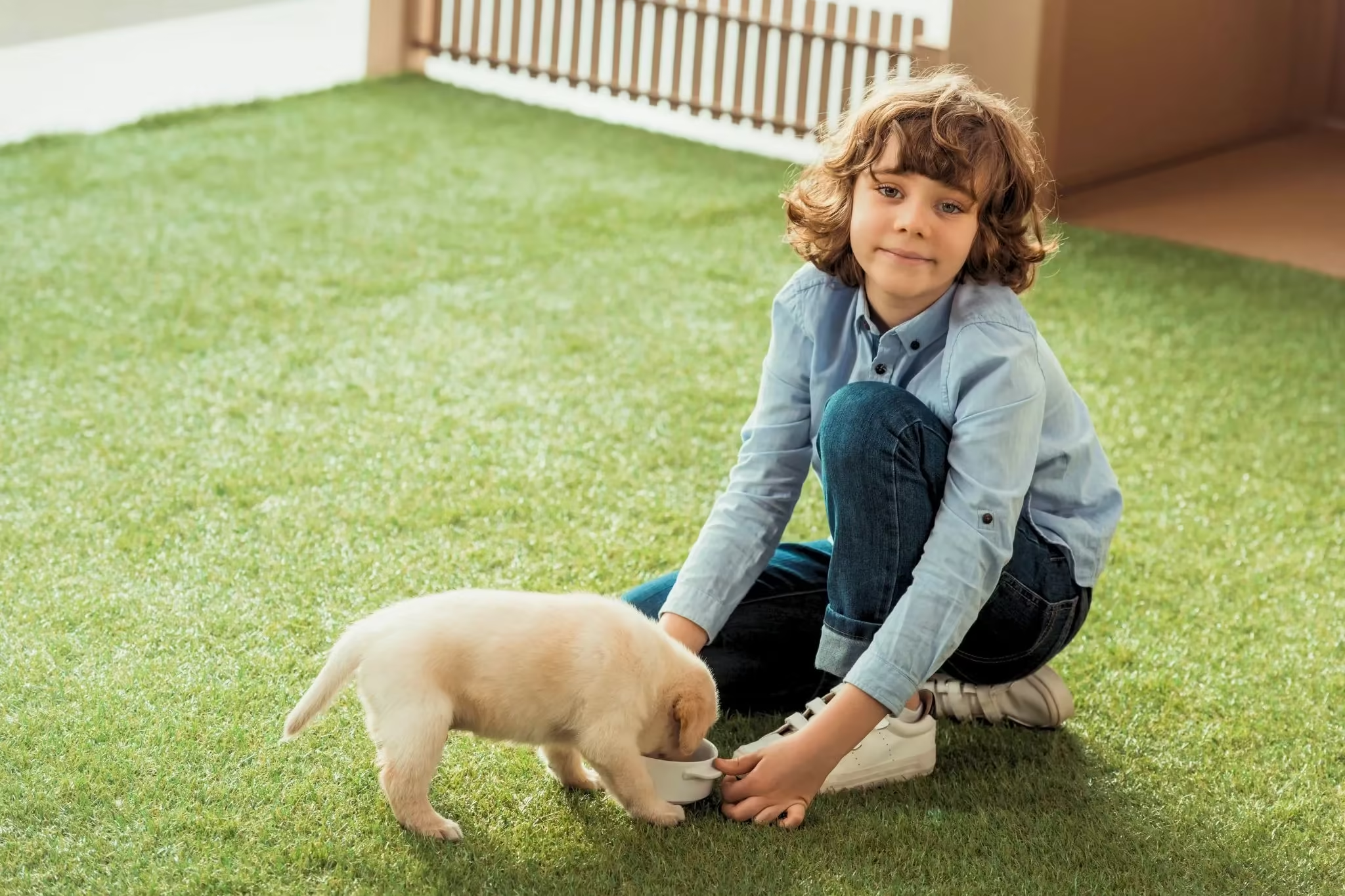
Artificial grass is engineered to be both pet-friendly by integrating a pet turf system and safe for children. The materials used, such as polyethylene or nylon, are non-toxic and feature antimicrobial properties to resist the growth of bacteria and fungi. This ensures a sanitary play area for children and an easy-to-clean surface for pets while also offering homeowners an ideal solution for DIY landscape turf projects.
Its durability means the turf withstands the abrasive actions of pet claws—making it a reliable pet turf system that prevents common issues like uneven surfaces or muddy patches. The specialized infill acts as a shock absorber, making it ideal for DIY landscape turf installations that further reduce the risk of injury during active play.
Integrated drainage systems designed for DIY landscape turf quickly disperse liquids, preventing puddles and the buildup of waste, which helps maintain hygiene and reduces odor without the need for harsh chemicals. These systems are often applied in projects such as artificial turf to maximize efficiency and durability. The smooth surface also minimizes tripping hazards, making it a safe, reliable option for families with young children or those considering a pet turf system installation.
How Does Artificial Grass Improve Aesthetics and Property Value?
High-quality artificial grass can dramatically enhance a property’s appearance by providing a uniformly vibrant, well-manicured look irrespective of weather conditions or seasonal cycles. For homeowners seeking a modern twist, options like DIY landscape turf not only offer a striking visual appeal but also blend seamlessly into contemporary designs. In San Jose, where outdoor spaces are extensions of indoor living, an immaculate, evergreen lawn significantly boosts curb appeal, and many residents now incorporate a pet turf system into their garden design for its ease of upkeep and durability. Moreover, for those with a penchant for recreational enhancements, putting greens presents a creative way to combine function with luxury.
Prospective buyers often view low-maintenance, attractive landscapes featuring landscape turf as signs of good home management and long-term investment, potentially leading to increased marketability and resale value. The water conservation and eco-friendly attributes, bolstered by pet turf system innovations, further enhance its appeal in modern real estate markets, while innovative solutions, such as Artificial Turf Express, continue to redefine residential landscaping.
Furthermore, installing durable artificial turf enhanced with landscape turf techniques signals a quality home improvement that can attract higher appraisal values. The seamless integration of the turf with other outdoor features—such as putting greens for recreational areas and a pet turf system designed for homes with animals—creates a cohesive, inviting space for social gatherings, play, and relaxation.
How Do You Choose the Right Artificial Grass for Your San Jose Home?
Choosing the right artificial grass involves weighing several factors—whether you’re considering landscape turf for your residential projects or aiming for a pet turf system design to accommodate busy environments—to ensure the turf meets both aesthetic and performance needs in high-traffic settings. Many homeowners start by checking out Artificial Turf Express to understand fiber quality, pile height, infill composition, and backing material options when making their selections.
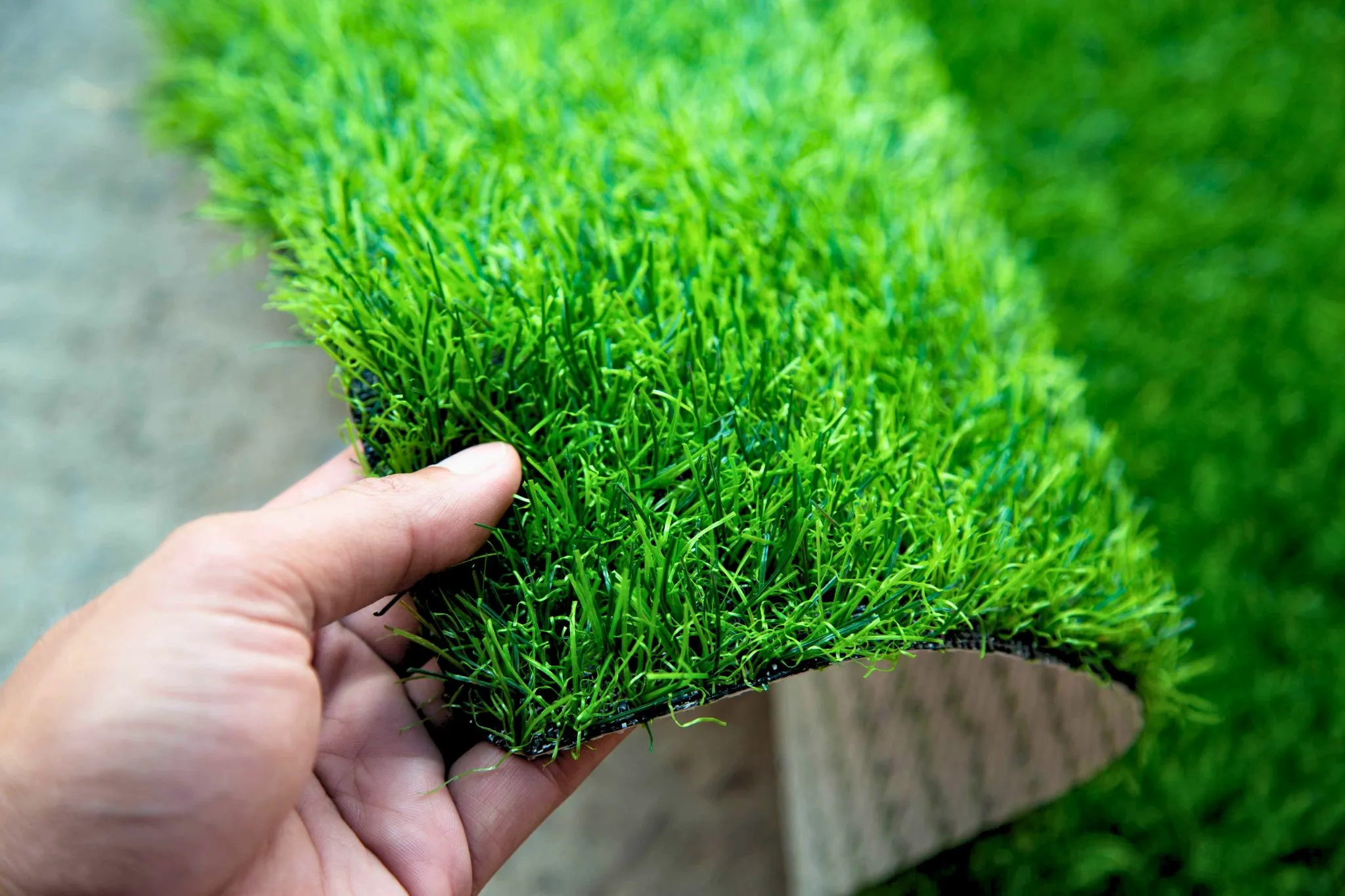
A higher pile can create a more natural, luxurious look but might not be ideal for areas with heavy foot or pet traffic; many homeowners now consider pet turf system options for such challenging spaces. In contrast, a shorter, denser pile offers better durability in such settings, making landscape turf an attractive choice for those seeking longevity and performance. The type of infill—whether rubber granules, silica sand, or organic material—plays a critical role in both cushioning and drainage. Understanding Artificial Turf Express guidelines can further enhance installation outcomes.
High-quality backing ensures the turf remains stable and resists tearing or shifting, an approach often endorsed by Artificial Turf Express. Reviewing product specifications and conducting independent testing for aspects such as UV resistance, durability, and colorfastness is crucial when installing a pet turf system, especially for projects like DIY landscape turf that require consistent performance.
Local suppliers add further value by offering personalized service and product recommendations tailored to San Jose’s specific environmental conditions. Providers such as Artificial Turf Express can advise on systems like pet turf system, ensuring that even pet owners find suitable options. It’s wise to compare brands through demonstrations and customer testimonials, with some companies showcasing innovative solutions to help balance budget constraints with long-term performance. Overall, focus on long-term value, including maintenance costs and warranty coverage, to select an artificial grass option that best suits your home’s needs.
What Are the Differences in Pile Height, Infill, and Backing Materials?
Pile height, infill, and backing materials are crucial factors in determining the performance and look of artificial grass. For instance, many homeowners considering putting greens find that meticulous selection of these factors can impact both functionality and aesthetics. Additionally, innovations like the pet turf system have pushed the boundaries in creating surfaces that cater specifically to the needs of busy households with pets. A shorter pile is ideal for high-traffic areas as it remains compact and resistant to crushing, much like solutions offered in landscape turf that prioritize durability. A taller pile offers a more luxurious feel but may be susceptible to matting.
Infill provides cushioning and helps maintain the erect posture of the fibers, which is critical for projects like Artificial Turf Express installations. Options such as rubber granules, silica sand, or blends vary in terms of weight, absorption, and environmental impact. For pet turf system applications and putting greens projects, rubber infill generally offers superior shock absorption, while silica sand may enhance stability and drainage.
Backing materials, typically made of polyurethane or polypropylene, ensure the turf’s structural integrity. In applications of artificial turf, a high-quality backing resists tearing and shifting, maintaining flexibility. This reliable backing not only facilitates easier installation for DIY landscape turf but also complements the insights provided about Artificial Turf Express.
How to Compare Artificial Grass Brands and Quality for High-Traffic Use?
When comparing brands like Artificial Turf Express, look for manufacturers with proven durability, warranty coverage, and positive customer testimonials—testimonials that sometimes highlight innovative solutions such as the pet turf system. Evaluate technical details such as tensile strength, abrasion resistance, and UV stability—key indicators of how well the turf will perform under heavy use. For those exploring options for DIY putting greens or considering a versatile landscape turf approach in their installations, these specifications can be crucial in guiding your decision.
Compare specifications for pile height, infill composition, and backing strength across brands. Request performance data on lifespan and resistance to fading, including insights on innovative options like putting greens, and consider the quality of after-sales service, including installation guidance and maintenance support for DIY landscape turf. Certifications or endorsements, as well as additional information, are available about Artificial Turf Express, which can also indicate a commitment to safety and sustainability.
Which Local Suppliers Offer the Best Artificial Grass Options in San Jose?
Local suppliers in San Jose offer tailored recommendations tailored to the specific technical demands and environmental conditions of high-traffic areas. They offer DIY landscape turf solutions combined with Artificial Turf Express insights to ensure materials are suited for heavy use. In addition, they provide in-person consultations and product demonstrations—featuring DIY putting greens and pet turf system installations—that bridge the gap between specifications and real-world performance.
These suppliers often showcase completed projects and customer testimonials that attest to the durability and aesthetics of their turf solutions. Additionally, local companies tend to provide prompt support and maintenance services—including features like pet turf systems and tailored options—ensuring the final installation meets both functional and budgetary requirements.
How Is Artificial Grass Installed for High-Traffic Areas in San Jose Homes?
The installation of Artificial Turf Express, a specialized variant of artificial grass, in high-traffic areas is a multi-step process designed to ensure durability and a natural, even appearance. For homeowners considering landscape turf options, professional installation is highly recommended in San Jose due to complex soil and drainage conditions; integrating a pet turf system can further enhance performance in areas that frequently host pets.
What Are the Step-by-Step Installation Procedures?
Installation begins with thorough site preparation, an essential step in a DIY landscape turf project: removing existing grass, debris, and uneven surfaces, then leveling the ground. For homeowners planning a pet turf system, this meticulous preparation ensures that the surface is primed for the next phase. A compacted base layer is laid to promote efficient drainage, followed by the installation of an underlay as recommended by Artificial Turf Express practices to prevent weed growth and stabilize the ground, which is also a crucial step for those considering DIY putting greens installations.
After preparing the base, pre-cut rolls or tiles of artificial grass and landscape turf are unrolled and positioned. Skilled installers secure the edges with landscape staples or adhesive, and finally, the turf is brushed to lift the fibers and create a uniform look. Homeowners often explore options like DIY putting greens or a pet turf system setup to further customize their outdoor space.
How Should You Prepare Your Yard for Installation?
Proper yard preparation is critical, especially if you are considering DIY landscape turf options. This involves removing all vegetation, grading the landscape to create a smooth, well-drained surface, and addressing water flow issues by integrating drainage channels or adjusting slopes to ensure optimal drainage. In areas where your yard will support a pet turf system, proper preparation is even more
What Local Soil and Drainage Factors Affect Installation Success?
San Jose soils vary from sandy to clay-heavy, each requiring specific preparation for landscape turf. Clay soils may require additional base layers or drainage systems to reduce water retention, whereas sandy soils generally offer natural drainage but may need stabilization to prevent shifting. Professional installers assess local conditions and adapt the foundation accordingly, ensuring the turf remains secure and performs effectively even in high-traffic conditions. Many local projects have benefited from the efficient methods of Artificial Turf Express, and some have incorporated pet turf system solutions for added durability and convenience.
Why Choose Professional Installation Services Like Artificial Turf Express?
Professional installation services bring expertise, specialized tools, and local knowledge essential for addressing unique soil and drainage challenges. Their thorough approach—applicable not only to pet turf system applications but also to DIY landscape turf projects—streamlines the process and enhances the turf’s lifespan through proper installation techniques, warranties, and post-installation support. This reduces errors, ensures timely completion, and maximizes return on investment. For enthusiasts looking to upgrade their spaces, options like DIY putting greens are increasingly popular, and many homeowners are curious about Artificial Turf Express for further insights.
What Maintenance Is Required to Keep Artificial Grass Durable in San Jose?
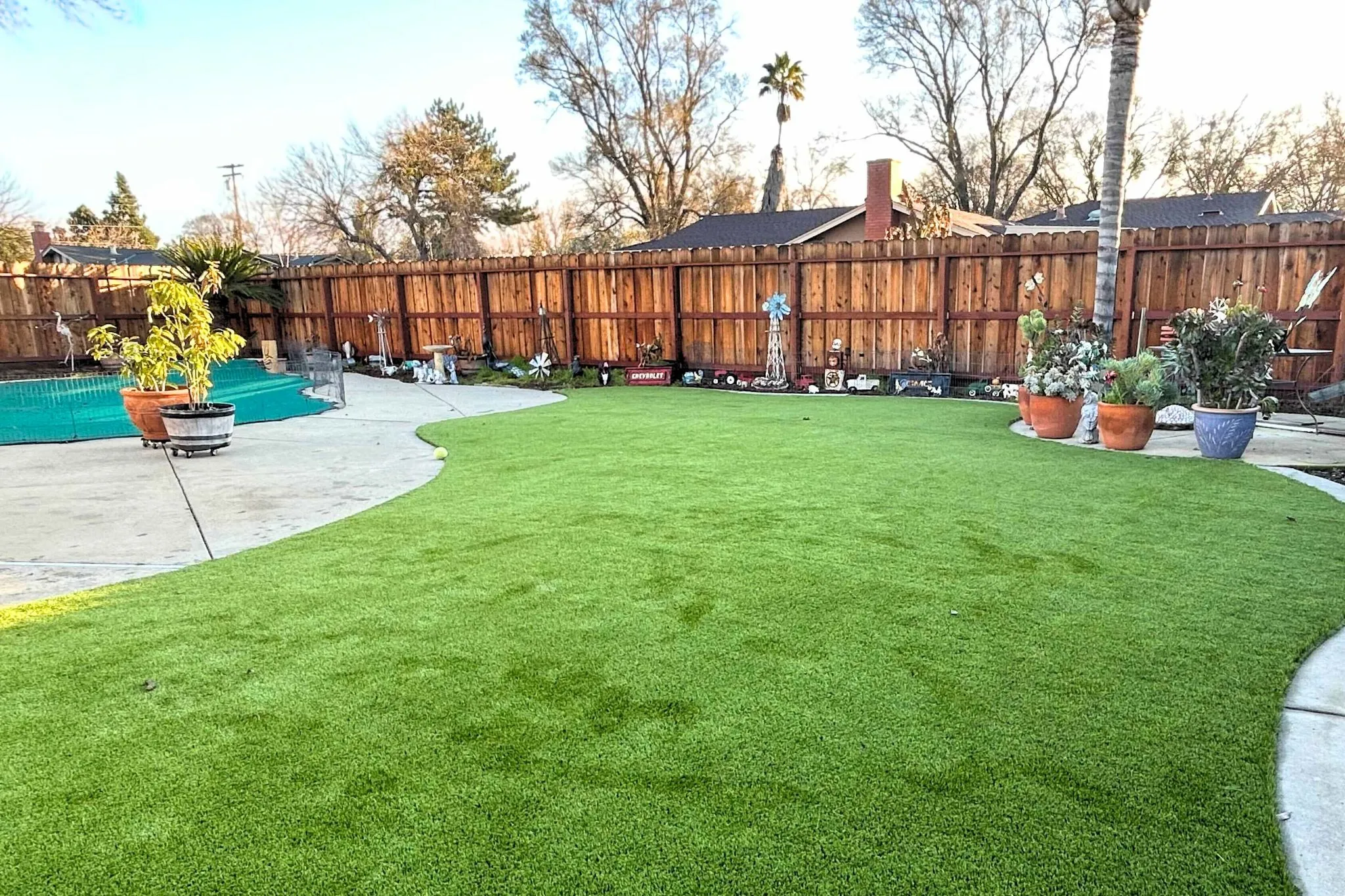
Maintaining artificial grass in high-traffic areas requires a simple yet disciplined routine to preserve its appearance and integrity. Many homeowners consult Artificial Turf Express guidelines—to optimize installation and longevity. Unlike natural lawns, artificial turf requires minimal care but does require regular cleaning, inspection, and occasional repairs to prolong its life. To cater to diverse needs, some properties implement a pet turf system, while others explore DIY landscape turf or even DIY putting green solutions for recreational spaces.
How Often Should You Clean and Inspect Artificial Grass?
For optimal performance of your artificial grass, inspect and clean your surface monthly during heavy use, especially if your installation includes a pet turf system. Routine tasks include using a leaf blower, stiff brush, or gentle water spray to remove leaves, pet waste, and debris. Check out Artificial Turf Express to learn how to prevent issues before they develop into problems that might require a DIY putting greens approach. Early detection of issues, such as fiber matting or loose seams, prevents further deterioration.
What Are the Best Practices for Removing Pet Waste and Debris?
To maintain hygiene and appearance, promptly remove pet waste using a pet turf system and specialized tools that won’t damage the fibers. Liquid spills can be cleared with a rake or brush followed by a water rinse, ensuring the diy landscape turf remains pristine. Some turfs have antimicrobial properties that simplify cleaning—qualities are also seen on DIY putting greens and backed by Artificial Turf Express insights. Regular cleaning prevents bacteria buildup and retains the lawn’s brightness.
How Does San Jose’s Climate Affect Maintenance Needs?
San Jose’s moderate climate—with its warm, dry summers and occasional wet winters—affects maintenance frequency. During dry months, dust and debris can accumulate, necessitating more frequent rinsing, while rainy seasons require vigilance against the buildup of organic matter due to runoff. For residents wanting a more hands-on approach, landscape turf offers an attractive option for sustainable upkeep. Overall, the low-maintenance nature of artificial grass, often compared to landscape products available through Artificial Turf Express, remains a key benefit. Additionally, a pet turf system can be especially valuable for households with pets.
When Should You Schedule Professional Maintenance or Repairs?
While routine care can be done by homeowners—especially those experimenting with DIY landscape turf—professional maintenance is advised at least once a year or after severe weather events. Professionals, often familiar with Artificial Turf Express techniques, can perform deep cleaning, re-stretch loose seams, and even integrate a pet turf system to ensure durability and safety in high-traffic zones.
How Much Does Artificial Grass Cost for High-Traffic Areas in San Jose Homes?
The cost of artificial grass depends on the material quality, installation complexity, and features such as enhanced drainage or specialized infill. For homeowners seeking a more hands-on approach, landscape turf offers an effective alternative to traditional lawns. Although the initial investment is higher than natural grass, long-term savings on water, maintenance, and equipment often offset this cost. Additionally, for those with pets, a pet turf system is a great option to consider. Durability and a longer lifespan, as exemplified by innovations from Artificial Turf Express, further justify the investment.
What Factors Influence the Total Cost of Materials and Installation?
Key cost factors include the quality and density of the fibers, the type of infill material, and the size of the installation area. In projects using landscape turf and pet turf systems, additional costs may arise from extensive yard preparation and drainage improvements. Professional installation charges vary based on labor and material quality, as well as local supplier pricing, as highlighted by Artificial Turf Express, which can also impact the total expense.
How Does Artificial Grass Compare to Natural Grass in Long-Term Value?
Though natural grass may have a lower upfront cost, its ongoing expenses—water, fertilizers, mowing, and chemicals—can outweigh the one-time cost of artificial turf, prompting many to explore Artificial Turf Express as a cost-effective alternative. In high-traffic areas, where reseeding or repairs are frequent, artificial grass—often implemented through a diy landscape turf or pet turf system—offers a better return on investment through its durability and low maintenance needs.
Are There Warranty and Guarantee Options Available?
Most reputable suppliers and installers provide warranties ranging from 8 to 15 years, covering issues like fiber flattening, fading, and backing deterioration. Homeowners opting for projects like landscape turf can feel confident knowing that a solid warranty underpins the product’s longevity and overall quality, making it an important factor when comparing options.
How Can You Get a Free Quote From Artificial Turf Express?
Homeowners can obtain a free quote from local experts such as Artificial Turf Express by scheduling a personalized consultation. For households with furry friends, discussing a pet turf system option can help ensure durability and easy upkeep. During this process, specific yard dimensions, expected usage, and local climate factors are evaluated to provide an itemized estimate covering installation and long-term maintenance.
For those who prefer a hands-on approach, DIY landscape turf possibilities may also be explored. Transparent pricing and responsive customer care make this service a valuable step in planning your artificial turf investment.
What Do San Jose Homeowners Say About Their Artificial Grass Experience?
Customer testimonials and case studies offer real-world evidence of the performance and benefits of artificial grass in San Jose, often recommended by Artificial Turf Express. Homeowners frequently report high satisfaction with the turf’s durability — especially those using pet turf systems — as well as its appealing appearance and low upkeep. Many note improvements in both the aesthetics and value of their properties, with landscape turf contributing to significant savings in water and maintenance efforts.
Which Customer Reviews Highlight Durability and Satisfaction?
Several reviews emphasize that artificial grass withstands high-traffic conditions with minimal wear. Customers appreciate that even with constant play and pet activity, the turf remains lush and resists matting and fading. Many specifically mention the reduced time spent on yard maintenance and noticeable water savings, reinforcing its long-term performance.
What Case Studies Show Successful Installations in High-Traffic Areas?
Case studies from San Jose illustrate successful installations in diverse settings—from community parks to family backyards. In one example, a residential park maintained a consistently green play area, even under heavy dog and child activity, by incorporating a pet turf system. Another case showcased a backyard transformation using DIY landscape turf that dramatically lowered maintenance costs.
In several projects, innovative homeowners even integrated elements of diy putting greens to enhance both aesthetics and functionality. These projects demonstrate that high-quality artificial grass meets the challenges of high-traffic environments.

Frequently Asked Questions
Q: How long can I expect artificial grass to last in a high-traffic area?
A: Artificial grass typically lasts between 10 to 15 years under high traffic when properly maintained. Many experts also recommend using a pet turf system to help manage wear and tear in areas frequented by animals. For those interested in creative projects, DIY landscape turf offers a practical alternative with easy maintenance options.
Q: Can artificial grass handle pet waste and heavy play without deteriorating?
A: Yes, many pet products are designed with antimicrobial properties and specialized drainage systems—often incorporating a pet turf system—to handle pet waste and heavy play. These solutions work well for artificial grass installations, maintaining durability even with constant use.
Q: What is the installation process for artificial grass-like, and can it be done as a DIY project?
A: Installation involves site preparation, base leveling, underlay placement, turf laying, and securing the edges. Many homeowners explore options to tailor their outdoor space. For those with pets, considering a pet turf system may offer additional durability and ease of cleaning. While some may attempt a DIY installation, professional installation is recommended to ensure proper drainage and long-lasting performance.
Q: How does artificial grass contribute to water conservation in San Jose?
A: By eliminating the need for routine watering, artificial grass significantly reduces water usage, lowering monthly bills and supporting local water conservation efforts. Homeowners interested in sustainable alternatives can also consider options like landscape turf for a greener approach and opt for a pet turf system to create safe, low-maintenance areas for pets.
Q: Are there warranties available with artificial grass installations?
A: Most reputable suppliers—including those offering pet turf systems and landscape turf options—provide warranties between 8 to 15 years that cover issues like fading, matting, and backing deterioration, ensuring long-term durability.
Q: How do high-traffic artificial grass products differ from standard artificial turf?
A: They feature enhanced fiber density, robust backing, and specialized infill to better withstand heavy wear, ensuring a more durable and natural appearance under frequent use. For projects that require unique customization, many installers now consider DIY landscape turf options and integrate pet turf system elements to extend the product’s longevity.
Q: What are the key maintenance tasks for keeping artificial grass in optimal condition?
A: Regular cleaning to remove debris and pet waste, periodic inspections for wear, and occasional brushing are recommended. For homeowners interested in customizing their outdoor space, exploring landscape turf or putting greens techniques may offer additional benefits. Annual professional maintenance can also help prolong the turf’s lifespan.
Final Thoughts
Artificial grass is an excellent solution for high-traffic areas in San Jose homes, offering durability, water conservation, and low maintenance. Many homeowners are turning to Artificial Turf Express when exploring efficient outdoor solutions. With products designed to withstand heavy use, families and pet owners can enjoy pristine outdoor spaces year-round; for instance, incorporating a pet turf system can help maintain a tidy yard for furry friends.
The combination of robust design, advanced drainage technology, and professional installation makes options like landscape turf a smart investment in both aesthetics and long-term savings. Homeowners are encouraged to explore local suppliers for personalized consultations and quality products that enhance property value while promoting sustainability.


