


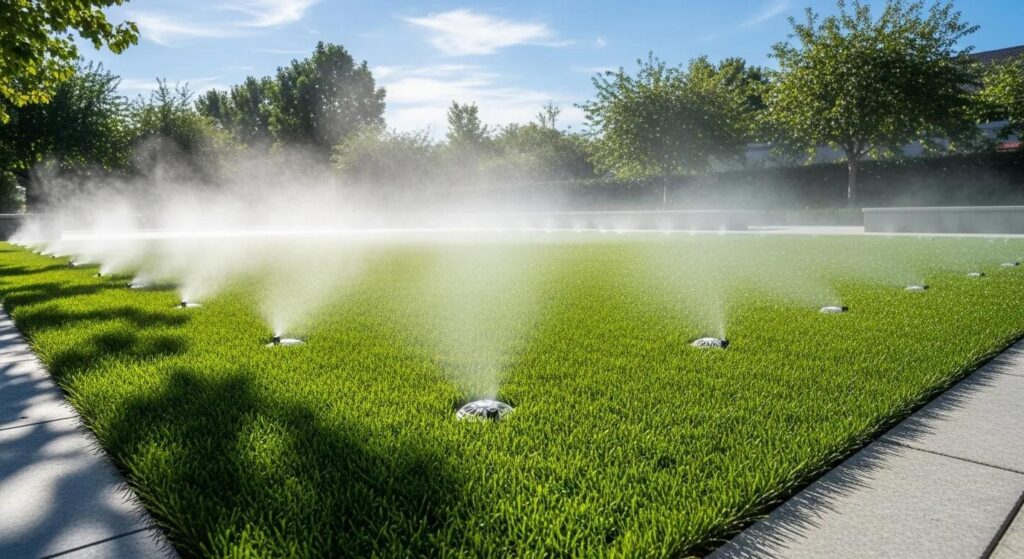
Higher temperatures raise surface heat and affect user comfort and material performance. This guide explains cooling and freshness strategies for high-performance artificial grass, focusing on cooling infill types and heat-resistant turf. You’ll get clear comparisons of common infills, the mechanisms that drive turf heat, and practical selection criteria to match materials to site conditions in Santa Clara County.
Cooling Infill Materials:
Cooling infill reduces surface temperatures by absorbing and dissipating heat. Different infill technologies use moisture retention, thermal mass, or reflective properties to lower peak temperatures. Knowing each infill’s mechanism and trade‑offs helps you choose based on cooling efficiency, environmental impact, and cost.
Types of Cooling Infill Materials and Their Heat-Reduction Properties
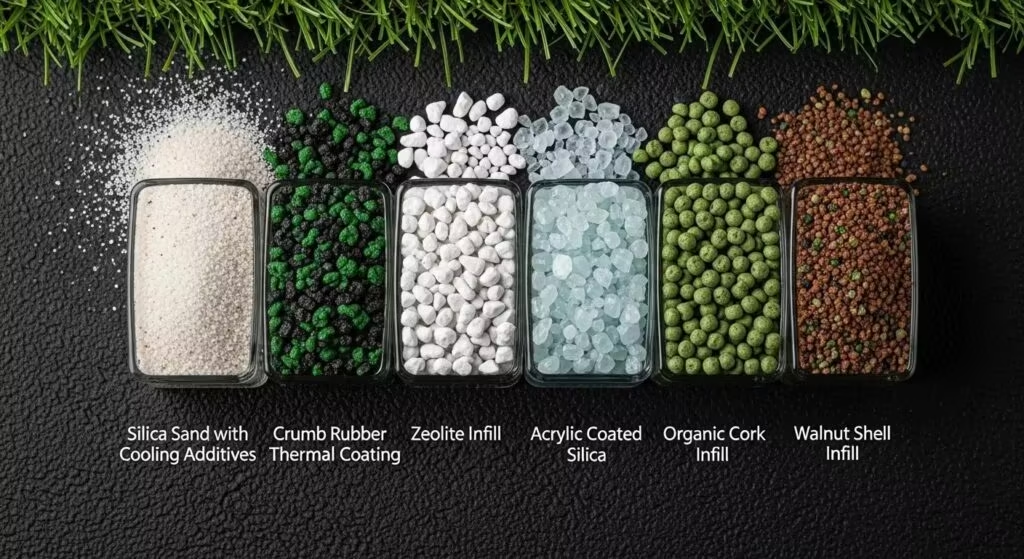
Cooling infill options deliver different levels of heat reduction depending on their composition and how they manage moisture and solar energy.
- Zeolite-Based Infill: Known for its excellent moisture retention and heat-absorbing properties, zeolite-based infill can significantly lower surface temperatures.
- HydroChill: This innovative infill uses a unique cooling technology that absorbs water and releases it slowly, providing a cooling effect as it evaporates.
- Walnut Shell Tech Infill: Improves overall turf aesthetics with a natural brown tone that blends seamlessly with synthetic grass
Choose infill based on measured cooling performance, lifecycle environmental impact, and installed cost to meet your site goals.
Published studies give experimental data on how specific infill and fiber combinations change surface temperatures.
Artificial Turf Cooling Infill & Heat-Resistant Fibers
A systematic review found that synthetic grass surfaces with styrene-butadiene rubber infill or a shock pad exhibited higher surface temperatures. In contrast, surfaces with thermoplastic elastomer infill, cool-climate turf fibers, or HydroChill showed lower surface temperatures.
The effect of synthetic grass sports surfaces on the thermal environment: A systematic review, B Peterson, 2024
Heat-Resistant Synthetic Turf Materials:
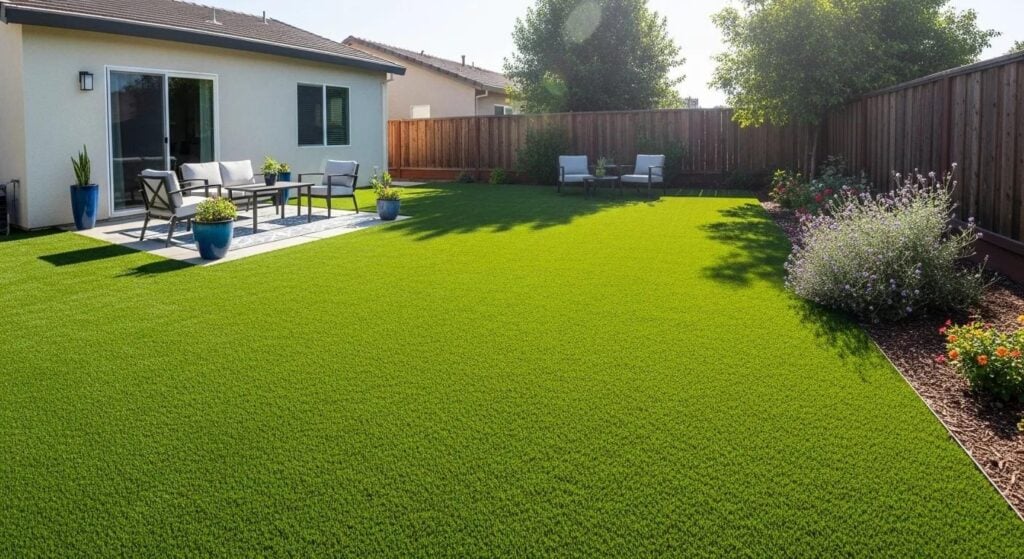
Heat-resistant turf is formulated to withstand high ambient and surface temperatures while retaining its fiber structure and color. These products use UV stabilizers, engineered polymers, and fiber geometries to reduce thermal aging and visual degradation.
What Are the Features and Benefits of Heat-Resistant Synthetic Turf Solutions?
Heat-resistant synthetic turf solutions offer several advantages:
- Durability: These materials are engineered to resist fading and degradation caused by UV exposure, ensuring a longer lifespan for your turf.
- Temperature Regulation: Advanced technologies in heat-resistant turf technologies help maintain lower surface temperatures, enhancing user comfort.
- Environmental Benefits: Many heat-resistant turfs are made from recycled materials, contributing to sustainability efforts.
Selecting heat-resistant turf reduces long‑term maintenance and helps preserve appearance and function under frequent solar exposure.
Benefits for Maintaining Optimal Temperature and User Comfort:
Controlling turf temperature improves comfort and extends material life. Cooling infill and heat-resistant fibers together address surface heat, reduce UV damage, and limit thermal degradation.
- Reduced Heat Retention: Cooling infill materials significantly lower the surface temperature of artificial grass, making it more comfortable for users.
- Low Maintenance Requirements: Many cooling infill products require minimal upkeep, making it easy to keep your outdoor space looking good.
- Durability of Materials: Heat-resistant synthetic turf is designed to withstand harsh conditions, ensuring that it remains functional and visually appealing over time.
These benefits make targeted material selection essential for installations in hot climates.
What Causes Heat Build-Up in Synthetic Turf and How Does It Affect Performance?
Identifying the contributors to turf heat is the first step in mitigation: material thermal conductivity, infill type, surface color, and absence of natural cooling all influence peak temperatures.
Understanding Heat Absorption and Surface Temperature in Artificial Grass
Synthetic turf fibers and backing absorb solar energy. Polyethylene and polypropylene fibers retain heat and lack transpiration—the evaporative cooling process present in natural grass—so surface temperatures can rise substantially on sunny days.
This pattern aligns with comparative studies of artificial surfaces versus irrigated vegetation.
Artificial Turf Heat vs. Natural Grass
It is warmer on barren ground than in irrigated areas, and artificial turf pitches tend to be warmer than grass grounds.
Sustainable mitigation strategies for urban heat island effects in urban areas, AMM Irfeey, 2023
Impact of High Temperatures on Turf Durability and User Comfort
Extended high temperatures accelerate polymer breakdown, causing color fading, which can make surfaces uncomfortable to walk or play on. Implementing cooling infill or heat‑resistant fibers reduces these risks and preserves performance.
Which Cooling Infill Products Effectively Reduce Artificial Turf Surface Temperature?
Field and laboratory data point to several effective cooling infill options.
- HydroChill: His product is particularly effective because it absorbs and releases moisture, providing a cooling effect as water evaporates.
- Zeolite-Based Infill: Known for its heat-absorbing properties, this infill can significantly lower surface temperatures.
- Walnut Shell Tech Infill: This natural material not only helps reduce surface heat for a cooler turf experience but also enhances the overall aesthetic appeal of artificial grass with its organic, natural look.
Choose among these based on measured temperature reduction, environmental credentials, and lifecycle cost for your project.
How to Choose the Best Cooling Infill for Synthetic Grass in Hot Climates
Selecting an infill requires evaluating cooling performance, environmental impact, and logistical factors such as supply and installation costs.
- Cooling Efficiency: Look for infills that have proven heat-reduction capabilities, such as HydroChill or zeolite-based options.
- Environmental Impact: Consider infills made from sustainable materials to minimize your ecological footprint.
- Cost and Availability: Evaluate the cost-effectiveness and availability of different infill options in your area.
Score candidate infills against these criteria and choose the option that best balances cooling, sustainability, and budget.
What Are the Features and Benefits of Heat-Resistant Synthetic Turf Solutions?
Heat-resistant synthetic turf solutions are designed to withstand high temperatures while maintaining their appearance and functionality.
Material Composition and UV Protection Technologies in Heat-Resistant Turf
These turfs use UV stabilizers, polymer blends, and engineered fiber shapes to reduce heat absorption, resist photodegradation, and preserve tensile strength over time.
Performance Data: Temperature Reduction and Longevity in Santa Clara County Conditions
Research indicates that heat-resistant synthetic turf can reduce surface temperatures by up to 30% compared to standard turf options. That reduction improves comfort and extends service life in hot climates like Santa Clara County.
How to Install Cooling Infill and Heat-Resistant Turf for Optimal Heat Mitigation?
Correct installation is required to realize cooling performance. Base preparation, proper turf seaming, and calibrated infill distribution determine thermal and mechanical performance.
Step-by-Step Installation Best Practices for Contractors and DIY Homeowners
- Prepare the Base: Ensure a solid, level base for the turf installation.
- Install the Turf: Lay the heat-resistant synthetic turf according to manufacturer guidelines.
- Apply Cooling Infill: Distribute the cooling infill evenly across the surface to ensure complete coverage.
Follow the manufacturer’s specifications for base depth, seam bonding, and infill quantities to achieve consistent cooling and durability.
Compatibility of Cooling Infill with Different Synthetic Turf Types
Compatibility varies by turf fiber and backing. Always verify the manufacturer’s recommendations to ensure the chosen infill won’t impair drainage, fiber resilience, or warranty coverage.
What Maintenance Practices Sustain Cooling and Freshness in Artificial Grass Over Time?
Maintaining cooling performance requires scheduled inspections and routine maintenance to preserve infill distribution and surface condition.
Routine Cleaning and Infill Replenishment Techniques
- Regular Cleaning: Remove debris and contaminants from the turf surface to maintain its appearance and performance.
- Infill Replenishment: Periodically check and replenish cooling infill to ensure optimal performance and cooling efficiency.
Keep a maintenance log, periodically brush fibers, and top up the infill where settling or loss is observed to maintain cooling efficiency.
Monitoring and Addressing Heat-Related Turf Wear
Inspect seams, fiber condition, and color regularly for heat-related wear. Early repairs or localized infill adjustments prevent accelerated degradation and extend service life.
How Do Local Climate Conditions in Santa Clara County Influence Cooling Turf Solutions?
Regional climate affects material choice and maintenance frequency. Higher solar irradiance and extended dry periods increase the need for heat-resistant fibers and effective cooling infill.
Case Studies Demonstrating Cooling Infill Effectiveness in Regional Heat
Local case studies demonstrate measurable reductions in surface temperatures after installing cooling infill, with corresponding improvements in user comfort and reduced material stress.
Adapting Turf Selection and Installation to Santa Clara County’s Weather Patterns
Match turf fiber type, infill system, and installation details to local solar exposure and use patterns to optimize thermal performance and longevity year-round.
For a wide selection of options, consider visiting Artificial Turf Express products.
To learn more about artificial grass and its benefits, review product specifications and installation guidelines to find the best fit for your site.
If you have any questions or need assistance, don’t hesitate to contact Artificial Turf Express for expert advice and support.
Frequently Asked Questions
What is the lifespan of heat-resistant synthetic turf?
Heat-resistant turf typically lasts more than 15 years with proper maintenance. UV stabilizers and durable polymers slow degradation; routine cleaning and infill replenishment further extend service life.
How do I know if my artificial grass needs cooling infill?
If the surface feels excessively hot, users report discomfort, or you observe accelerated fading or wear, assess infill levels and surface temperature. Regular checks will indicate when cooling infill is needed.
Can I use regular infill materials with heat-resistant turf?
Some standard infills may be compatible, but you should follow the turf manufacturer’s guidelines. Using heat-resistant engineered infill helps preserve cooling performance and warranty compliance.
What are the environmental benefits of using cooling infill?
Many cooling infills use recycled or sustainably sourced materials, reducing the need for water-based cooling. Selecting eco‑certified infills lowers the installation’s environmental footprint.
How often should I replenish cooling infill?
Check infill levels at least once a year and after heavy use or extreme weather. Replenish when you see significant settling or when surface temperatures indicate reduced cooling performance.
Are there specific installation techniques for cooling infill?
Yes—apply infill evenly, use the manufacturer’s specified quantities, and add infill after turf is fully installed to prevent displacement. Proper distribution ensures consistent cooling across the surface.
What should I consider when selecting cooling infill for my turf?
Evaluate cooling efficiency, environmental impact, and cost. Prefer infills with validated temperature-reduction data—such as HydroChill or zeolite-based products—and confirm local availability.
Conclusion
Cooling infill and heat-resistant turf materially improve comfort and extend the usable life of artificial grass in hot climates like Santa Clara County. Use performance data and manufacturer guidance to select compatible products and follow prescribed installation and maintenance practices. For tailored recommendations, contact our team for technical support and product matching.


