


Effective water management of both surface and subsurface drainage is essential to preserve turf health and consistent play. Installations frequently suffer from design errors that reduce drainage performance. This article identifies those errors, explains how drainage systems operate, and recommends materials and installation practices to prevent failure. Addressing these issues extends the service life of the green and improves playing consistency.
Common design mistakes in putting green drainage and how to avoid them include:
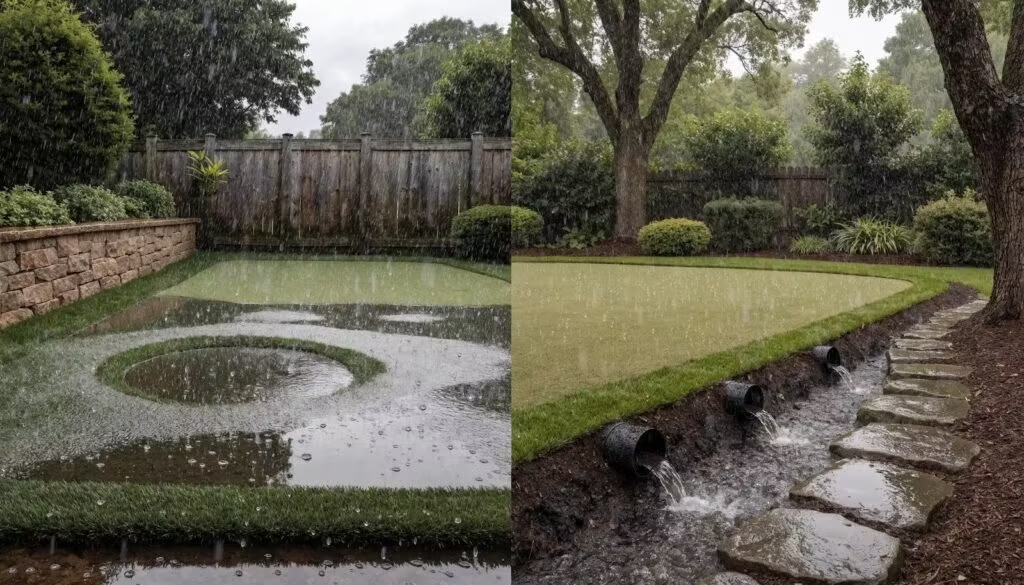
Several common design flaws directly reduce drainage efficiency; recognizing them early is the first step to a durable installation.
- Inadequate drainage solutions: Failing to integrate sufficient drainage can lead to water pooling, which impacts turf health.
- Improper ground preparation: Neglecting site preparation can lead to uneven surfaces and drainage issues.
- Using low-quality materials: Utilizing subpar components can exacerbate drainage issues and reduce the lifespan of your putting green.
- Ignoring maintenance requirements: Overlooking ongoing upkeep can lead to malfunctioning drainage systems.
- Neglecting soil type: Not considering the natural soil characteristics may hinder water flow and drainage efficiency.
Address design errors early and specify quality materials from proven suppliers to achieve reliable drainage. For a wide selection of professional-grade materials, you can explore products designed to support effective drainage.
What Are the Most Common Drainage Mistakes in Backyard Putting Greens?
Homeowners frequently repeat a handful of mistakes during design and installation; identifying them prevents long-term problems and costly rework.
- Inadequate drainage leading to pooling: If drains are improperly placed, water can accumulate, causing turf damage.
- Ignoring site preparation requirements: Many fail to properly prepare the ground, which affects slope and drainage effectiveness.
- Neglecting drainage systems: Some might overlook essential drainage features, assuming standard turf will suffice.
- Improper slope design: Without an appropriate slope, water may not drain adequately, leading to waterlogged areas.
Careful planning and precise execution during the design phase prevent most drainage failures and maintain system function.
Why Is Poor Surface Water Management a Frequent Issue?
Poor surface-water control usually stems from a few predictable causes.
Relying on natural runoff alone, without dedicated surface and subsurface drainage, is often inadequate for artificial turf installations. Inadequate grading or soil conditioning blocks intended flow paths, and incorrect slope geometry prevents runoff from exiting the green—leading to persistent pooling and added maintenance burdens.
How Does Inadequate Subsurface Drainage Affect Artificial Turf Performance?
Insufficient subsurface drainage degrades turf performance and shortens service life.
Excess moisture trapped beneath the turf encourages microbial growth that can damage turf backing and infill. Persistent wet sublayers soften the base and disrupt ball roll, reducing playability. Ensuring adequate subsurface drainage prevents these moisture-related failures and helps preserve surface consistency.
What Are the Best Drainage Systems and Materials for Artificial Putting Greens?
Selecting the appropriate drainage components is key to achieving reliable performance.
- Permeable base layers: These allow for enhanced water infiltration, helping to manage surface water effectively.
- Perforated drainage pipes: Essential for subsurface drainage, these pipes facilitate quicker water movement away from the turf area.
- Gravel or crushed stone layers: Using these materials helps create a sturdy drainage foundation and optimize the overall drainage system.
Integrating permeable bases, perforated piping, and aggregate layers creates predictable infiltration paths and stabilizes the base, improving durability and surface consistency.
How Do Perforated Drainage Pipes and Drainage Aggregate Prevent Water Pooling?
Perforated pipes and drainage aggregate perform distinct but complementary roles in removing water.
Perforated pipes collect excess water and convey it away from the turf zone, minimizing the risk of pooling. Drainage aggregates—such as gravel—provide void space that maintains permeability and prevents fine material from migrating into the drainage layer. Correct sizing and placement of these components is essential to preserve base permeability and ensure efficient water removal.
Which Artificial Turf Drainage Solutions Offer Optimal Water Flow Capacity?
Choosing systems that reliably move water is foundational for turf longevity and playability.
- French drains: These systems are designed to redirect water away from the putting green, using gravity to control its flow.
- Perforated pipes: Critical for subsurface drainage, these pipes help facilitate rapid water flow.
- Infill drainage materials: Selecting appropriate infill can enhance drainage performance, particularly for artificial turf installations.
Specifying French drains, perforated subsurface piping, and appropriate infill materials increases water-handling capacity and contributes to consistent ball roll and extended service life.
How to Install Drainage for Backyard Putting Greens: Step-by-Step Best Practices
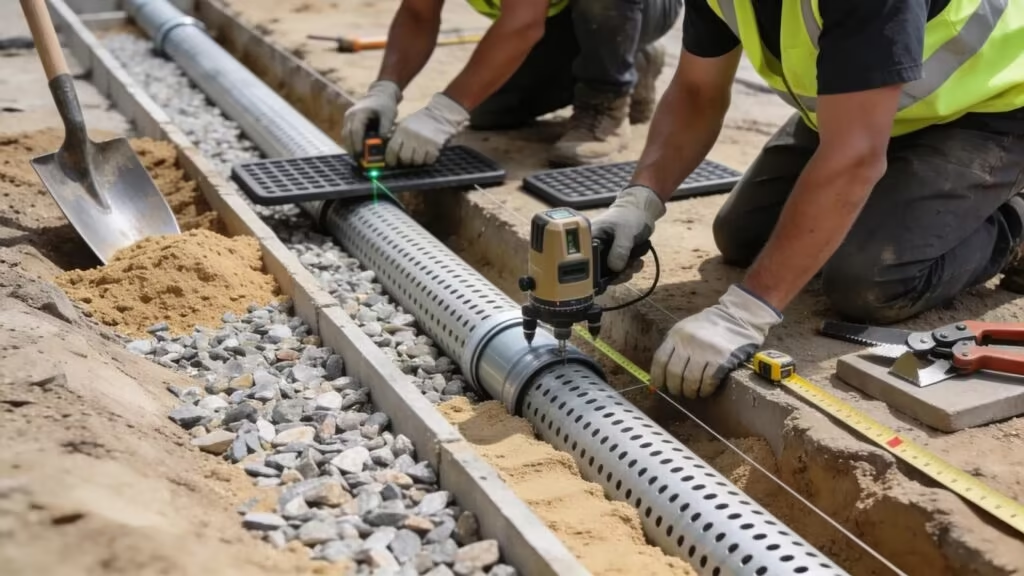
A successful drainage installation follows methodical steps with quality control at each stage.
- Site preparation steps: Begin with a thorough assessment of the site, ensuring grading is advantageous for water flow.
- Grading ground correctly: Create the necessary slopes to direct water where it needs to go, avoiding stagnation and pooling.
- Installing drainage layers: Following proper layering techniques can significantly enhance water management.
Performing a full site assessment, precise grading, and layered installation establishes a predictable drainage system that supports long-term performance.
What Are the Essential Installation Steps to Ensure Proper Drainage Function?
Key installation steps ensure the drainage system functions as designed.
- Site preparation importance: Ensuring the ground is properly graded prevents water from stagnating.
- Creating appropriate slopes: The right slope angles are vital for ensuring efficient water runoff.
- Selecting high-quality materials: Using durable, high-performance materials can enhance the longevity and effectiveness of your drainage system.
Adhering to correct grading, slope design, and material selection significantly improves system reliability and the turf’s service life.
Which Installation Supplies from Artificial Turf Express Support Drainage Setup?
Selecting the right supplies is critical to meet the system’s specified drainage capacity.
Use engineered materials from reputable sources, for example:
- Crushed stone or gravel: Ideal for creating a solid base layer that facilitates water flow, sourced from trusted local outlets.
- Professional-grade putting green turf: Selecting durable turf that complements your drainage setup will optimize performance.
- Advanced infill options: Determining the best infill materials will enhance drainage while preserving turf aesthetics.
Specifying these products reduces the risk of failure and supports a resilient, long-lasting putting surface.
How Can You Effectively Troubleshoot and Maintain Putting Green Drainage Systems?
Sustaining drainage performance requires routine troubleshooting and preventive maintenance.
- Common maintenance tasks: Regularly inspecting your drainage system for blockages or damage can prevent issues before they escalate.
- Signs of drainage issues: Be aware of standing water and muddy areas, which can indicate drainage failure.
- Preventative maintenance tips: Incorporate seasonal cleaning routines to keep your system operating smoothly.
Regular inspections and prompt remediation stop minor blockages from becoming system failures and extend operational life.
What Are Common Signs of Drainage Failure in Artificial Putting Greens?
Early detection of drainage failure relies on recognizing known indicators.
- Standing water and muddy areas: These are clear indicators that your drainage system is not functioning as intended.
- Unpleasant odors from standing water: Lingering odors can indicate water accumulation and potential algal growth.
- Accelerated turf wear: Poor drainage compromises turf health, reducing playability.
Monitor for standing water, unpleasant odors, and accelerated turf wear; addressing these signs early helps preserve the installation and prevent further damage.
Which Maintenance Practices Prolong Drainage System Performance?
A structured maintenance regime extends the service life of drainage systems.
- Regular inspection routines: Occasional checks can help identify early signs of obstruction or failure.
- Importance of debris removal: Promptly addressing clogs caused by organic material can prevent serious drainage issues.
- Seasonal cleaning tasks: Performing seasonal maintenance helps ensure your drainage system performs efficiently.
Routine inspections, timely debris removal, and seasonal cleaning maintain flow rates and reduce the need for major repairs.
Why Is Proper Drainage of Putting Greens Critical for Turf Longevity and Playability?
Proper drainage is fundamental to turf longevity and consistent play.
Effective drainage limits moisture-related decay and disease, maintains firmness for predictable ball roll, and prevents pooling that disrupts play. A well-drained green delivers consistent surface response and protects the initial investment over time.
How Does Effective Drainage Impact Artificial Turf Durability and User Experience?
Efficient drainage removes water quickly, reducing moisture-related wear and preserving material properties.
That reliability produces a consistent playing surface and lowers maintenance frequency. Well-drained greens stay playable after rain and encourage more frequent use by delivering dependable performance.
What Are Recent Industry Findings on the Effectiveness of Drainage Systems for Turf Health?
Recent industry work emphasizes the role of advanced drainage in maintaining turf resilience.
Field studies and pilot installations show that modern drainage approaches can reduce disease incidence and improve base drying rates. These findings support wider adoption of improved drainage techniques in landscape installations.
Where Can You Access Professional Support and Quality Drainage Products in the Greater Bay Area?
Local suppliers and contractors provide region-specific products and installation guidance essential for effective projects.
In the San Jose area, available suppliers and installation services shorten lead times and offer local expertise, helping homeowners match designs to regional conditions and streamline project delivery.
How Does Artificial Turf Express Provide Expert Guidance and Installation Supplies?
Artificial Turf Express offers technical guidance and a full range of installation supplies for artificial putting greens; contact details are available on their contact page.
Their consultancy assists homeowners in evaluating turf options and drainage strategies. Combined with a broad product selection and local San Jose expertise, this support helps ensure installations align with established best practices.
What Are the Advantages of Using Local Drainage Products and Services Near San Jose?
Using local products and services yields tangible project benefits.
- Climate-specific solutions: Local suppliers often provide materials suitable for regional weather patterns.
- Availability of resources: Quick access to nearby products ensures timely project execution.
- Faster service and support: Engaging local experts enhances responsiveness and expertise, both crucial for installation success.
These advantages highlight the value of engaging local resources when establishing a functional drainage system for your putting green. For comprehensive information on enhancing your project, consider visiting Artificial Turf Express.
Frequently Asked Questions
What are the signs that indicate a drainage issue in my putting green?
Look for standing water, muddy patches, and unpleasant odors—clear indicators of poor drainage and potential algae growth. Accelerated turf wear can also signal chronic moisture problems. Regular inspections enable early corrective action to protect turf health and playability.
How can I enhance the drainage performance of my artificial putting green?
Improve drainage by specifying a layered assembly consisting of a permeable base, drainage aggregate, perforated piping, and a permeable surface layer. Maintain the designed slope during installation and perform routine debris removal. Use materials rated for drainage to ensure long-term performance and predictable water movement.
How does climate affect the drainage needs of a putting green?
Climate determines design capacity. In wetter regions, robust systems such as French drains and higher-capacity subsurface piping are often necessary. Drier areas can use simpler assemblies. Match system design to local rainfall patterns to avoid under- or over-specifying drainage.
What maintenance tasks should I perform seasonally for my drainage system?
Seasonal maintenance includes clearing leaves and sediment from drains, inspecting for erosion or damage, and flushing or clearing pipes if needed. Prompt repairs and routine cleaning keep flow paths open and reduce the risk of blockage.
Is professional installation necessary for a putting green drainage system?
Skilled DIYers can install drainage, but professionals offer site assessment, precise grading, and component selection that reduce the risk of common mistakes. Professional installation can prevent costly rework and ensure the system meets design expectations.
How often should I check my putting green’s drainage system?
Inspect the drainage system at least twice a year—before and after the wet season—and after major storms. Check for pooling, blockages, and any damage so you can perform timely maintenance and preserve system performance.
Conclusion
Recognizing and avoiding common drainage design errors and specifying high-quality materials with proper installation practices will extend turf life and improve playability. Take proactive steps to address potential issues and review available drainage products to ensure your backyard putting green performs reliably.


