


Indoor putting greens are an increasingly popular way for golfers to bring focused short-game practice into their homes. This guide walks through how to choose quality putting green turf, install it correctly, and maintain it so your practice time translates to lower scores. Many homeowners wrestle with material options and layout choices — with a little guidance, you can build a durable, realistic practice surface that fits your space and goals.
Below, we cover turf selection, installation steps, upkeep basics, and the performance benefits of an indoor green so you can make an informed decision and get the most from your practice sessions.
Expert Guide on Indoor Putting Greens for Home Short Game Practice
An indoor putting green recreates the feel of an outdoor green so you can work on stroke mechanics, pace, and accuracy year-round. A dedicated indoor surface helps you keep a steady practice routine, hone muscle memory, and test different techniques in a controlled setting. Properly specified and installed turf will give you consistent feedback that carries over to the course.
These greens are suited to both committed players and casual golfers who want measurable improvement. With a range of synthetic turf options and customizable layouts, you can tailor your indoor green to match preferred green speeds and contours for a realistic experience.
For those interested in the engineering behind such realistic setups, consider the innovative approaches taken in designing reconfigurable indoor putting greens.
Design and Topography of a Reconfigurable Indoor Putting Green
This report describes a prototype for a transformable putting green that can be programmed to reproduce the topography of a real green. The goal was to provide an authentic indoor putting experience by combining modular panels with varying slopes and contours. The prototype discussed consists of two 4’x4’ modules (forming a 4’x8’ unit); commercial systems would scale this idea with multiple modules to create larger greens (for example, 12’x32’). While a full-size system might require up to 30″ of topographical range, the prototype reduced that range for cost reasons and focused on demonstrating feasibility with a smaller vertical shift.
1. Selecting High-Quality Putting Green Turf:
Picking the right turf is the single most important decision for an effective indoor putting surface. Different fibers and backings change ball speed, durability, and feel. Choose materials that match the pace and realism you want for practice.
- Types of Turf Available: Common fibers include nylon, polypropylene, and polyethylene. Nylon is known for durability, polyethylene offers a softer, more natural roll, and polypropylene can be a budget-friendly option with a softer underfoot feel.
- Ball Speed Considerations: Turf construction influences ball roll and pace. Match pile height and density to the green speed you want to practice — consistent roll helps you build reliable distance control.
- Durability Factors: Look for turf backed by strong warranties and rated for heavy use if you practice often. Higher-quality materials resist matting and fading, which preserves playability over time.
2. Installation Tips:
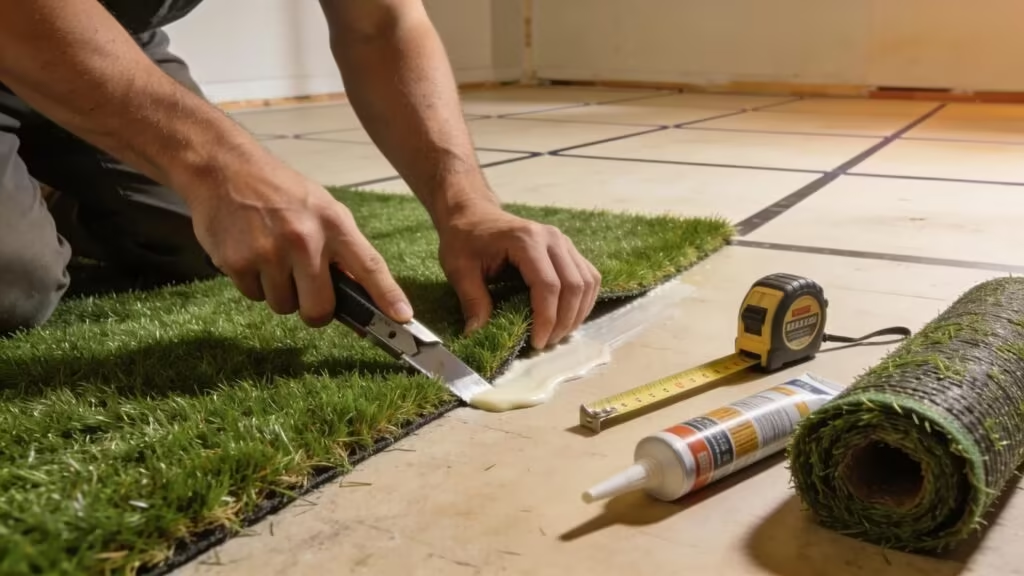
Correct installation is essential for a level, true roll. These practical tips will help you avoid common problems and get a clean, long-lasting surface.
- Site Selection: Choose a space with enough length for the drills you plan to run and good lighting so you can read breaks and alignment. A room with minimal foot traffic preserves the surface.
- Ground Preparation: Ensure a flat, clean subfloor. Remove debris and level any dips or bumps to prevent uneven seams and bad roll.
- Laying the Turf: Cut turf precisely and match pile direction at seams for a seamless look and consistent ball roll. Use manufacturer-recommended adhesives and secure edges to avoid lifting.
Practice regularly after installation to refine your stroke. If you prefer a turnkey solution, experienced local installers can save time and ensure optimal results.
3. Maintenance Advice:
Routine care keeps the surface reliable and extends the life of your turf. Simple maintenance prevents playability.
- Regular Cleaning Tips: Light cleaning with a leaf blower or a vacuum designed for turf removes dust and debris that can affect ball roll.
- Infill Maintenance: If your turf uses infill, check levels periodically and top up as needed to keep the surface consistent and supportive.
- Inspection Processes: Inspect seams, edges, and high-wear spots regularly. Repair small tears or loose seams quickly to avoid bigger problems later.
What Are Indoor Putting Greens and How Do They Enhance Home Golf Practice?
Indoor putting greens are custom indoor surfaces built to let you practice putting at home. They provide a controlled environment to work on mechanics, control, and confidence without relying on course access or weather.
Having a dedicated green encourages consistent practice habits, often at a fraction of the time and cost of traveling to a course. That convenience can translate into measurable improvement in accuracy and speed control.
Defining Indoor Golf Turf and Its Role in Short Game Training
Indoor golf turf is synthetic grass engineered to simulate the behavior of real greens. Its construction—pile height, density, and backing—determines how closely it mimics outdoor conditions and how effective it is for training.
- Types of Turf Materials: Polyethylene typically feels softer and is wallet-friendly for home setups, while nylon holds up better under heavy use and traffic.
- Realistic Feel and Performance: Quality turf provides a predictable ball roll so you can practice speed and line with confidence that skills will carry over to real greens.
- Durability and Maintenance Needs: Different materials have different upkeep needs; factor maintenance into long-term ownership costs when choosing turf.
Benefits of Installing Artificial Putting Greens at Home for Consistent Practice
Indoor putting greens deliver practical benefits that go beyond convenience — they make steady improvement achievable.
- Convenience of Practice: Practice any time that fits your schedule—mornings, evenings, or short sessions between other commitments.
- Cost Savings on Green Fees: Over time, a home green can reduce trips to courses and public practice facilities, saving money and time.
- Low Maintenance Characteristics: Artificial turf needs far less care than natural grass, so you spend more time practicing and less time maintaining.
How to Choose the Best Putting Green Turf for Indoor Use?
Choosing the right turf comes down to your priorities: realism, durability, or budget. Evaluate material properties and play characteristics to find the best fit for your practice goals.
- Material Types and Their Suitability: Select turf that balances feel and durability for indoor use—softer piles for a natural roll or tougher fibers for heavy, frequent practice.
- Features to Consider: Pile height, density, and backing quality all affect playability. Denser turf with the right pile height gives more realistic ball speed and control.
- Maintenance Tips and Costs: Consider how much time you want to spend on upkeep and factor that into your purchase decision to get the best long-term value.
Key Specifications: Pile Height, Material, and Realistic Ball Roll Factors
Pay attention to specifications that influence how the ball behaves on your indoor green. Small differences in pile and construction can change roll and feel.
- Recommended Pile Height: A pile height between 0.5 and 2 inches typically works well for putting surfaces; higher piles can add realism but may change speed.
- Desired Material Characteristics: Choose turf marketed for golf use rather than ornamental turf to ensure authentic ball behavior and durability.
- Impact on Ball Roll: Look for consistent manufacturing and dense tufting to achieve a predictable roll that helps you train distance and line control.
Comparing Synthetic Golf Turf Types and Their Suitability for Indoor Putting Greens
Different turf fibers perform differently. Comparing key attributes helps you match turf to your needs and budget.
- Durability Differences: Nylon resists wear better than polypropylene and often outlasts cheaper alternatives under heavy use.
- Cost-Effectiveness Analysis: Higher upfront costs for premium turf can pay off through longer life and better playability.
- Recommendations for Use: Choose based on how often you’ll practice—occasional use can lean toward budget options, while frequent practice favors more durable materials.
What Installation Supplies and Techniques Ensure a Successful Indoor Putting Green Setup?
Using the right supplies and following proven techniques keeps the installation neat and ensures a true roll across the surface.
- Necessary Materials List: Typical needs include turf adhesive, infill (if required), and a quality underlayment or moisture barrier, depending on your subfloor.
- Installation Techniques: Proper seam alignment, secure edging, and following manufacturer instructions for adhesives are key to a lasting installation.
- Tools Required: Utility knives, straightedges, measuring tape, and seam rollers are common tools that make the job easier and more precise.
Explore high-quality putting green turf options to find the right fit for your home practice area.
Essential Putting Green Installation Kits and Adhesives for DIY Projects
For do-it-yourselfers, installation kits and the right adhesives simplify the process and improve the final result.
- Types of Turf Products: Look for UV-stabilized, low-maintenance turf options that resist fading and retain integrity indoors.
- Infill Recommendations: Use the infill suggested by the turf manufacturer to support fibers and preserve the intended ball roll.
- Adhesive Options: Choose adhesives compatible with your turf backing and subfloor to secure seams and prevent lifting over time.
Step-by-Step Installation Tips: Preparing Your Space and Laying Artificial Turf
Following a careful, step-by-step approach prevents problems and produces a clean, playable surface.
- Site Preparation Steps: Clear and measure the space, then level and clean the subfloor before cutting turf to size.
- Turf Laying Techniques: Check the pile direction, match seams carefully, and apply adhesive properly for secure joins.
- Final Touches and Inspection: Walk the surface to confirm smooth roll and secure edges; make small adjustments before the adhesive fully cures.
What Are the Cost and Maintenance Requirements of Indoor Artificial Putting Greens?
Costs vary with material quality and installation complexity. Maintenance needs are typically modest but should be factored into long-term ownership.
- Initial Setup Costs: Prices depend on turf grade and any custom features; premium options cost more up front but often last longer.
- Long-Term Maintenance Considerations: Expect occasional cleaning and minor repairs; high-grade turf reduces the frequency of service needs.
- Cost-Saving Benefits: While the initial investment can be meaningful, reduced green fees and frequent at-home practice can offset costs over time.
Key Planning Factors for Indoor Putting Green Installation
Effective planning requires evaluating several variables that influence the final performance and longevity of your indoor green. Beyond the immediate setup, consider how material quality and structural complexity align with your long-term practice goals.
- Turf Quality and Specifications: The choice of fiber—whether nylon or polyethylene—affects the realism of the ball roll and how well the surface matches the matting under frequent use.
- Project Scope and Dimensions: The size of the area determines not only the amount of material needed but also the potential to add custom features such as fringe or multiple hole locations.
- Installation Complexity: Incorporating undulations, advanced drainage layers, or specialized underlayments for shock absorption requires more detailed preparation and greater technical precision during installation.
Maintenance Best Practices to Preserve Turf Longevity and Performance Indoors
Simple, regular maintenance keeps your green playing well and looking good for years.
- Regular Cleaning Tips: Sweep or lightly vacuum weekly to prevent dust and debris from altering the ball’s roll characteristics.
- Infill Maintenance: Check and top up infill as needed to maintain even support and consistent roll.
- Damage Inspection: Monitor seams and high-traffic areas and repair small issues promptly to prevent larger failures.
For complete turf solutions and expert guidance, visit Artificial Turf Express.
How Do Bay Area Contractors Support Indoor Putting Green Projects?
Local contractors bring experience and practical know-how that can streamline setup and improve final results when installing an indoor putting green.
- Finding Local Contractors: Look for specialists with a track record in turf installation and indoor projects to ensure the right outcome.
- Types of Services Offered: Contractors often offer full installation packages, custom design, and ongoing maintenance plans to suit your needs.
- How to Choose the Right Contractor: Review portfolios, ask for references, and confirm warranty and maintenance terms before hiring.
Finding Professional Installation Services and Landscaping Experts in the Greater Bay Area
Hiring local pros can simplify logistics and deliver a polished installation that performs to expectations.
- Researching Contractors: Use local directories and review platforms to compare experience and customer feedback.
- Questions to Ask: Ask about past projects, warranties, and installation techniques to assess fit and competence.
- Importance of Experience: Experienced installers can advise on materials and layout choices that best suit your space and usage patterns.
Benefits of Collaborating with Local Contractors for Customized Indoor Putting Greens
Working with local specialists offers practical benefits that improve both the process and the finished green.
- Cost Efficiency: Local contractors can provide competitive pricing and practical recommendations that reduce unnecessary expenses.
- Personalized Design Options: Professionals help translate your ideas into a functional layout tailored to your room and practice goals.
- Local Expertise Benefits: Local knowledge helps select appropriate materials and techniques suited to regional conditions and your space.
For personalized advice or to discuss your project, contact Artificial Turf Express for expert support.
What Are the Benefits of Indoor Golf Practice for Short Game Improvement at Home?
A home putting green gives you focused, repeatable practice that accelerates short-game improvement over time.
- Skill Enhancement: Frequent, targeted drills improve stroke mechanics and distance control.
- Convenience of Home Practice: Practicing at home removes barriers like travel and weather, making it easier to build consistent habits.
- Cost-Effectiveness: Over time, reduced course visits and practice fees can offset installation costs and increase practice time.
How Regular Indoor Putting Practice Enhances Golf Accuracy and Control
Routine, focused practice on a consistent surface builds the touch and technique you need for better on-course putting.
- Consistency of Surface: A well-installed turf gives a uniform roll, which helps develop reliable stroke mechanics and muscle memory.
- Feedback from Practice: Immediate feedback from putts helps you adjust line and pace in real time and track improvement.
- Techniques for Improvement: Use drills that target alignment, distance control, and tempo to see measurable gains that translate to course play.
Integrating Indoor Putting Greens with Golf Training Aids for Maximum Improvement
Combining your green with well-chosen training aids makes practice sessions more effective and efficient.
- Types of Training Aids: Alignment guides, stroke trainers, and speed-control devices can complement on-green practice.
- Integration Strategies: Build routines that include specific drills with training aids to reinforce mechanics and pace control.
- Impact on Skill Development: Regular, structured use of aids accelerates learning and helps reinforce habits that hold up under pressure.
Frequently Asked Questions
What is the typical lifespan of indoor putting green turf?
The life expectancy depends on the material quality and use. High-grade synthetic options can last roughly 8 to 15 years with proper care, while lower-end products may wear out in 3 to 5 years. Regular maintenance — cleaning, infill upkeep, and prompt repairs — helps you get the most value from your turf.
Can indoor putting greens be customized for different skill levels?
Absolutely. Indoor greens can be designed with varying slopes, contours, and hole placements to match a player’s skill level. Beginners often start with flatter surfaces for basic stroke work, while more advanced players can benefit from undulating surfaces and varied hole locations to simulate course-like conditions.
How often should I clean my indoor putting green?
Light cleaning about once a week is a good rule of thumb: vacuum to remove dust and use a leaf blower or gentle brush to clear debris. Depending on use and environmental factors such as pets or dust, you may need deeper cleaning less frequently.
What are the signs that my indoor putting green needs repair?
Look for torn turf, raised or separated seams, noticeable wear in high-traffic spots, or uneven infill. Any of these can affect ball roll; address them early to keep the surface safe and playable.
Is it necessary to use infill for indoor putting greens?
Infill isn’t always required, but it often improves support, feel, and durability. Sand or rubber infill helps fibers stand upright and can influence speed and roll. Some turf products are made for non-infill installations — follow the manufacturer’s recommendation for the best results.
What is the cost range for having an indoor putting green professionally installed?
Professional installation requirements vary based on the project scope, determined primarily by the dimensions of the green, the selected turf grade, and any structural complexities in the layout. Custom contours, premium materials, and additional features increase the final price. Getting multiple quotes helps you compare value and service.
Are there any financing options available for installing indoor putting greens?
Yes. Many suppliers and installers offer financing plans, installment options, or third-party financing to spread costs. Terms and availability vary, so review offers carefully and choose a plan that fits your budget and timeline.
Conclusion
Indoor putting greens are a practical, effective way to sharpen your short game at home. With the right turf, careful installation, and basic maintenance, you can create a reliable practice surface that helps you build consistency and lower scores. If you’re ready to explore options or plan your installation, start with the right materials and expert guidance to get the best long-term performance.


