


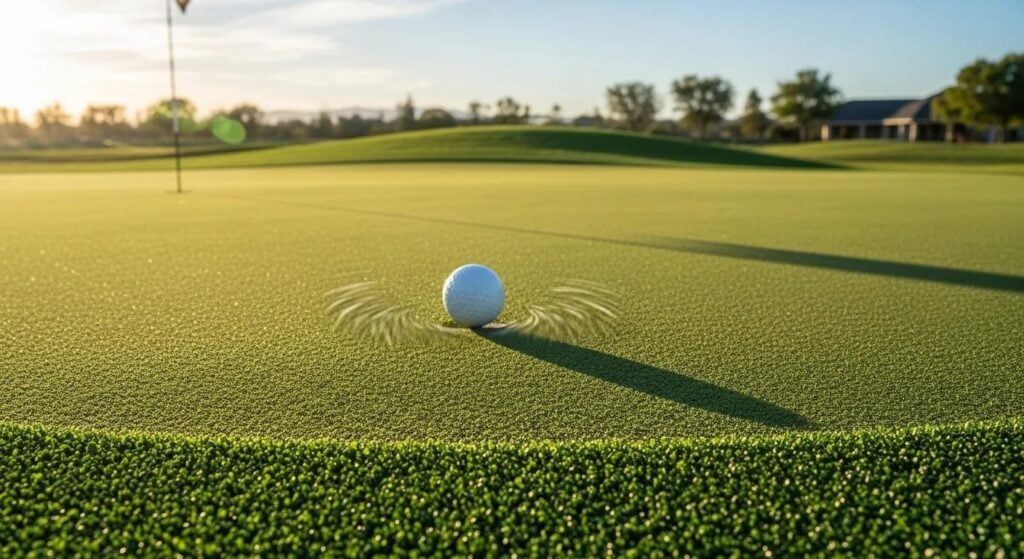
Ball performance on artificial putting greens depends heavily on the infill material. High-density infill alters ball speed, roll quality, and responsiveness at impact. This article explains how different infill types behave, compares their technical characteristics, and outlines practical steps to optimize putting performance. Armed with this information, you can select infill that matches your playing objectives.
Impact on Ball Behavior
Infill type controls surface firmness, which directly affects ball roll and speed. High-density infill creates a firmer, more uniform surface, reducing unwanted variability in trajectory. The material’s responsiveness at impact influences both velocity and direction. Routine maintenance preserves these properties and keeps the surface consistent for accurate putting.
For those seeking high-quality turf products, Artificial Turf Express offers a selection of infill materials intended to improve ball performance on putting greens. Their product range covers common infill types used to achieve specific play characteristics.
Material Characteristics
Different infill materials—silica sand, crumb rubber, zeolite—have distinct mechanical and maintenance properties. These differences affect durability, drainage, and the ball’s interaction with the surface.
| Infill Type | Durability | Maintenance Needs | Impact on Ball Performance |
|---|---|---|---|
| Crumb Rubber | Medium | Moderate | Good shock absorption |
| Zeolite Infill | High | Low | Enhanced moisture control |
The table summarises how each infill influences longevity and play characteristics. Use these comparisons to match material properties to your desired playing conditions.
What Are the Different Types of Putting Green Turf Infill?
Several infill types are commonly used on putting greens. Each delivers specific trade-offs in firmness, maintenance, and moisture behavior.
- Crumb Rubber: Provides good shock absorption, making it suitable for high-traffic areas.
- Zeolite Infill: Offers superior moisture control, providing optimal playing conditions.
Review these options against your site conditions and play expectations to choose the most appropriate infill.
How Do Material Compositions Vary Among Infill Types?
Infill composition dictates mechanical behavior. Silica sand is mostly quartz, yielding a stable, hard surface. Crumb rubber comes from recycled tires and provides elasticity and shock absorption. Knowing these base materials helps predict durability and ball interaction.
Strategies for Optimizing Performance
Maintain surface consistency with scheduled brushing and periodic leveling. Measure and adjust infill depth to tune roll speed. Finally, select an infill that suits your climate and usage to optimize long-term performance.
How Does Infill Density Influence Golf Ball Roll Quality on Artificial Turf?
Infill density controls firmness and energy transfer. Higher density produces a firmer surface and more consistent roll speed. Lower density yields a softer surface that can dampen roll and alter trajectory. Match density to the roll characteristics you want.
What Is the Relationship Between Infill Density and Ball Roll Distance?
Denser infill absorbs less impact energy, so balls generally roll farther. Less dense infill absorbs more energy and reduces roll distance. Use this relationship when specifying material density for target roll distances.
How Does Surface Consistency Affect Ball Performance Metrics?
A consistent surface structure minimizes localized defects that can disturb the roll. Infill that holds its shape and distribution over time supports repeatable performance metrics, such as roll speed and directional stability.
Which Infill Materials Are Best Suited for Golf Putting Greens?
Choosing the right infill depends on the performance priorities: durability, roll consistency, or moisture control. Common choices provide a balance of these factors for typical putting applications.
- Crumb Rubber: Provides good shock absorption and is suitable for high-traffic areas.
- Zeolite Infill: Enhances moisture control, making it ideal for a range of weather conditions.
Evaluate these materials by comparing their durability, maintenance profiles, and effects on roll behavior to pick the best fit.
What Are the Performance Benefits of High-Density Infill?

High-density infill delivers measurable benefits for putting surfaces.
- Improved Ball Roll: High-density infill provides a firmer surface, enhancing ball speed and consistency.
- Enhanced Durability: These materials are designed to withstand wear and tear, ensuring long-lasting performance.
- Reduced Maintenance Needs: High-density infill typically requires less frequent maintenance, allowing more time on the course.
Those benefits make high-density infill an effective choice when you prioritize consistent roll and lower upkeep.
How Do Eco-Friendly Infill Options Compare in Durability and Ball Roll?
Eco-friendly infill—organic or recycled materials—can reduce environmental impact but show variable durability and roll characteristics. Compare their mechanical performance and maintenance needs with those of traditional infills before committing.
What Are the Installation Best Practices for High-Density Putting Green Infill?
Correct installation sets the baseline for surface performance. Follow preparation, material, and placement protocols to achieve predictable roll and longevity.
- Preparation Step: Ensure the base is level and free of debris before installation.
- Recommended Materials: Use high-quality infill materials that meet performance standards.
- Techniques for Optimal Placement: Distribute the infill evenly to maintain a consistent surface.
Adhering to these steps reduces variability and helps the green perform as specified.
How Should Artificial Putting Greens Be Maintained to Preserve Ball Performance?
Regular maintenance preserves surface metrics. Key tasks include brushing to redistribute infill, leveling to remove low spots, and inspecting for wear.
- Brushing the Surface: This helps keep the infill evenly distributed and prevents matting.
- Leveling the Infill: Ensures a consistent surface for optimal ball roll.
- Regular Inspections: Check for any signs of wear or damage on the surface.
Implement these routines on a schedule aligned with usage levels to maintain predictable ball behavior.
Research supports the need for proper maintenance to preserve synthetic turf performance and playing characteristics.
Optimizing Infill Quantity for Synthetic Turf Performance
that there is an optimum infill quantity (for a specific fiber length) and that infill contamination is detrimental to surface performance, thus justifying the maintenance of synthetic turf.
The effect of maintenance on the performance of sand-filled synthetic turf surfaces, 2010
To review a broad selection of infill options, visit Artificial Turf Express products for specifications and availability.
Frequently Asked Questions
How often should I maintain my artificial putting green?
Maintain greens regularly. Brushing once a week is a common baseline for keeping infill distributed and preventing matting. Perform levelling and inspections periodically, increasing frequency with heavier use.
Can I use natural infill materials for my putting green?
Natural infill options, such as organic compost or coconut fiber, are viable and, in some cases, more sustainable. Assess their durability and consistency versus synthetic options before choosing, since performance can differ.
What is the impact of infill depth on ball performance?
Infill depth affects energy absorption and roll. Deeper infill tends to absorb more impact and reduce roll distance. Shallower infill produces firmer contact and increased roll. Test depth settings to reach your target roll characteristics.
Are there any eco-friendly alternatives to traditional putting green infill?
Yes. Organic materials, recycled rubber, and natural fibers are available as eco-friendly alternatives. Compare their durability and maintenance needs with those of conventional infills to ensure they meet your performance requirements.
How does the choice of infill affect the overall cost of maintaining a putting green?
Infill choice influences both initial cost and ongoing maintenance. High-density infills can cost more upfront, but often reduce maintenance frequency and replacement needs. Lower-cost infills may increase long-term upkeep expenses. Evaluate the total cost of ownership when selecting materials.
Conclusion
Selecting the correct high-density infill improves roll consistency, speed, and surface durability. Understand each material’s properties, install to specification, and maintain the surface to preserve performance. Use the comparisons and practices in this guide to choose infill that meets your playing and maintenance goals.
Get expert guidance today—choose the right infill for your putting green and maximize performance, durability, and play quality.


