

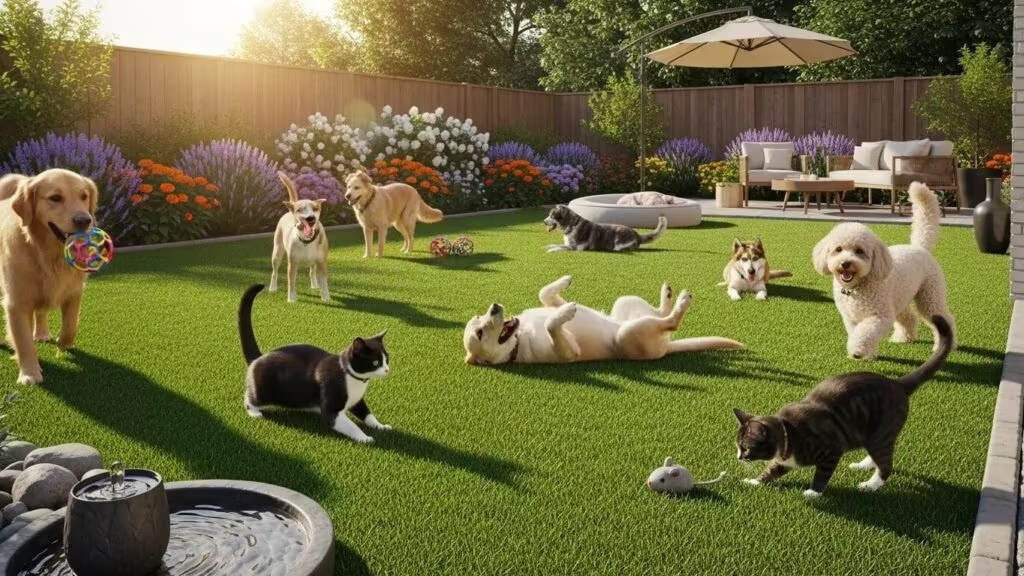
Choosing the right artificial turf for homes with pets ensures a safe, durable, and hygienic outdoor space. Pet-friendly turf improves curb appeal while giving dogs and cats a comfortable, resilient surface. This guide explains the key features to evaluate—durability, safety, and drainage—along with maintenance and installation practices that support odor control and long-term performance. After reading, you’ll be equipped to select turf that meets your household’s needs.
What Are the Essential Features of Artificial Turf for Pets?
Prioritize three technical attributes: non-toxic materials for pet safety, construction that resists wear and tear, and effective drainage to manage liquids and reduce bacterial growth.
- Safety and Non-Toxic Materials: It is essential to choose turf made from non-toxic materials that are safe for pets. Look for products that are free from harmful chemicals and heavy metals.
- Durability Against Wear and Tear: Pets can be tough on surfaces, so choosing durable artificial grass that withstands heavy foot traffic and rough play is crucial.
- Effective Drainage Systems: A good drainage system is vital for preventing water pooling and effectively managing pet urine, ensuring a clean, hygienic environment.
Artificial Turf Express offers a range of pet-friendly artificial turf options that meet these technical criteria, simplifying the selection process for homeowners.
How Does Durable Artificial Turf Withstand Dog and Cat Activity?
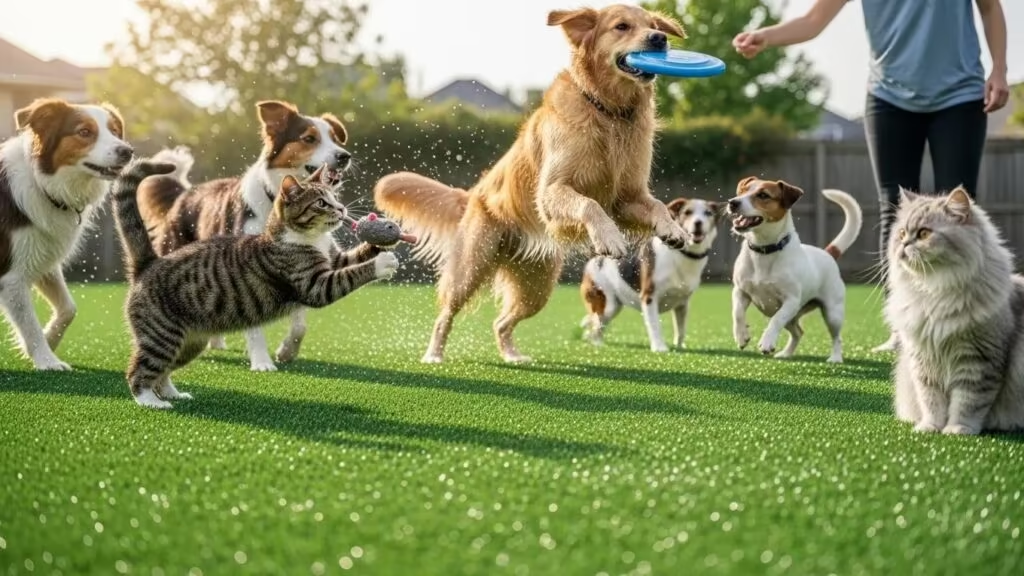
Durable pet turf is engineered with robust fibers and construction methods that resist abrasion from claws and high-traffic wear. The result is a surface that maintains appearance and function under frequent use.
Many products also use reinforced backing layers to stabilize the grass and prevent shifting. Combined, durable fibers and stable backing maintain a safe play surface and extend the service life of the installation.
What Makes Artificial Turf Safe and Comfortable for Dogs and Cats?
Safety and comfort come from the turf’s surface properties. A soft, resilient pile reduces impact on paws and joints while providing traction for running and playing.
Manufacturers commonly add odor-resistant treatments and antimicrobial measures to manage smells from pet waste. These treatments preserve comfort and make the area more pleasant for both pets and owners.
How Does Artificial Turf Drainage Work to Manage Pet Urine Effectively?
Effective drainage is essential for pet installations. Properly designed drainage channels carry liquids away from the surface, preventing pooling and reducing the risk of bacterial growth and odor formation.
What Are High-Drainage Backing Systems and Their Benefits?
High-drainage backing systems are engineered to move water quickly through the turf. They typically include perforations or permeable backing that let liquids pass through to the sub-base.
The benefits of high drainage systems include:
- Enhanced Drainage Performance: Rapid water removal prevents pooling and keeps the surface dry.
- Reduction of Moisture Retention: Minimizes the risk of mold and mildew growth, promoting a healthier environment.
- Odor Control Benefits: Effective drainage helps manage pet odors, ensuring a fresher outdoor space.
How Do Eco-Friendly Drainage Solutions Enhance Turf Performance?
Eco-friendly drainage options use recyclable materials and sustainable practices while maintaining drainage capacity. These solutions reduce installation waste without sacrificing performance.
Choosing sustainable drainage components allows homeowners to retain the practical benefits of artificial turf while reducing environmental impact throughout the installation’s lifecycle.
Which Odor Control Technologies Are Best for Pet-Friendly Synthetic Grass?
Odor control for pet turf relies on material treatments and maintenance. Common approaches include antimicrobial fibers, enzymatic cleaners, and routine cleaning to limit organic buildup.
- Antimicrobial Turf Fibers: These fibers are treated to inhibit bacterial and fungal growth, which can cause unpleasant odors.
- Effective Cleaning Methods: Regular maintenance practices, such as rinsing and debris removal, play a crucial role in odor management.
- Maintenance Practices: Implementing routine maintenance, including infill replenishment, can help preserve the turf’s odor resistance.
How Do Antimicrobial Turf Fibers Reduce Pet Odors?
Antimicrobial turf fibers inhibit bacterial and fungal growth on the surface and in the pile. This reduces biological odor sources and helps the turf stay fresher between cleanings.
Studies and product testing show antimicrobial treatments can meaningfully reduce odors associated with pet waste when combined with proper maintenance.
Additional research underscores the role of anti-odor treatments in textile materials for improving consumer satisfaction and product longevity.
Anti-Odor Textiles for Durable Synthetic Grass
Unpleasant odors in textile materials present a measurable challenge to user satisfaction and long-term product performance. This chapter analyses the sources and impact of odor in textiles and outlines anti-odor approaches. It highlights how anti-odor treatments improve usability and extend the functional life of textile products.
Anti-odor Textile Materials, R Shabanloo, 2025
What Maintenance Practices Support Odor Resistance in Artificial Turf?
Maintain odor resistance with a few consistent practices that limit residue and microbial growth.
- Regular Rinsing: Periodically rinsing the turf helps to remove any residual waste and odors.
- Debris Removal: Keeping the surface clear of leaves and other debris prevents the buildup of organic matter that can contribute to odors.
- Infill Replenishment: Regularly replenishing the infill material can enhance the turf’s performance and odor resistance.
What Are the Best Installation Practices for Pet-Friendly Artificial Turf?
Correct installation is a primary factor in long-term performance. Focus on drainage, material compatibility, and hygiene during the build.
- Optimal Drainage Installation: Ensuring the turf is installed with proper drainage systems is essential for managing pet waste and preventing pooling.
- Material Selection: Choosing high-quality materials specifically designed for pet use will enhance the turf’s durability and safety.
- Hygiene Considerations: Implementing hygiene practices during installation can help
tomaintain a clean and safe environment for pets.
How to Install Artificial Turf with Optimal Drainage for Pets?
Installing turf for pets requires clear site preparation, a permeable base, and careful turf placement so drainage paths remain unobstructed.
- Site Preparation: Clear the area of debris and ensure proper grading to facilitate drainage.
- Base Layer Installation: Lay a gravel base to promote drainage and stability.
- Turf Placement: Carefully position the turf, ensuring that seams are secure and drainage systems are properly aligned.
Which Installation Materials and Supplies Ensure Durability and Hygiene?
Use pet-rated turf, drainage-supporting infill, and reinforced backing to preserve hygiene and mechanical performance over time.
- High-Quality Turf: Choose turf that is specifically designed for pets, with durable fibers and effective drainage.
- Infill Materials: Use infill that supports drainage and odor control, such as silica sand or rubber.
- Backing Materials: Opt for reinforced backing to enhance stability and prevent shifting.
How to Maintain and Clean Artificial Turf in Homes with Dogs and Cats?
Routine maintenance preserves appearance and limits odors. Follow a schedule for cleaning, rinsing, and inspections to keep turf functional.
- Cleaning Frequency: Regular cleaning is necessary to prevent odors and maintain a hygienic environment.
- Effective Cleaning Methods: Using appropriate cleaning solutions and tools can enhance maintenance effectiveness.
- Inspection Tips: Regular inspections can help identify signs of wear or damage that may require attention.
What Are Effective Cleaning Methods to Prevent Odors and Damage?
Effective cleaning combines pet-safe enzymatic cleaners, routine rinsing, and debris removal to break down organic matter and prevent buildup.
- Use of Pet-Safe Cleaning Solutions: Opt for cleaning products that are safe for pets and effective at removing stains and odors.
- Regular Rinsing: Rinse the turf periodically to remove residual waste and prevent buildup.
- Debris Removal: Regularly clear leaves and other debris from the surface to maintain cleanliness.
How Often Should Pet-Friendly Turf Be Inspected and Treated?
Inspect the pet turf monthly and apply seasonal treatments as needed. Promptly address sources of damage or persistent odor sources to avoid larger repairs.
- Monthly Inspections: Check for signs of wear, damage, or odor buildup.
- Seasonal Treatments: Consider seasonal treatments to maintain the turf’s performance and hygiene.
- Immediate Attention for Issues: Address any issues promptly to prevent further damage or odor problems.
What Local Case Studies Demonstrate Successful Pet Turf Installations in the Greater Bay Area?
Local case studies illustrate real-world outcomes for pet turf—performance, maintenance load, and homeowner satisfaction provide useful benchmarks.
- Success Stories: Many homeowners have reported positive experiences with artificial turf, highlighting its durability and ease of maintenance.
- Benefits Observed: Common benefits include reduced water usage, lower maintenance costs, and enhanced pet safety.
- Local Contractor Insights: Feedback from contractors emphasizes the importance of proper installation and material selection for achieving optimal results.
How Have Contractors and Homeowners Benefited from Pet-Friendly Turf Solutions?
Contractors and homeowners report improved usability, lower landscape maintenance, and satisfied pet owners when installations follow recommended specifications.
- User Experiences: Many report greater satisfaction with their outdoor spaces because pets enjoy the safe, durable surface.
- Cost Savings: Reduced water and maintenance costs contribute to long-term savings for homeowners.
- Enhanced Pet Safety: The non-toxic materials and durable construction provide a safe environment for pets to play.
What Are the Environmental and Practical Advantages Observed Locally?
Pet-friendly turf installations reduce irrigation demand and chemical inputs while supporting recycling practices in some product lines.
- Environmental Impact: Reduced water consumption and chemical use contribute to a more sustainable landscape.
- Sustainability Practices: Many turf products are made from recyclable materials, promoting eco-friendly practices.
- Community Feedback: Local communities have embraced artificial turf as a viable solution for pet owners, thereby enhancing the overall quality of life.
For any questions or to get in touch with our team, please contact us today. We are here to help!
To explore the full range of options, visit Artificial Turf Express and review product specifications to find the best match for your needs.
Frequently Asked Questions
What types of pets benefit most from artificial turf?
Artificial turf suits dogs and cats by offering a clean, stable surface for play and rest. Larger dogs benefit from durable constructions that tolerate heavy traffic, while cats find the softer pile comfortable for lounging. Turf also reduces mud and tracking, simplifying home maintenance.
How does artificial turf compare to natural grass for pets?
Artificial turf trades the maintenance and watering needs of natural grass for a consistent, low-maintenance surface. It resists bare patches and mud, and pet-rated products are non-toxic and formulated to reduce odors, providing a more hygienic option than untreated natural turf.
Can artificial turf be installed in shaded areas?
Yes. Turf can be installed in shade, but drying time and debris accumulation may increase. Choose UV-stabilized, high-drainage products and maintain regular cleaning to reduce the risk of mold and mildew in low-light locations.
What is the lifespan of pet-friendly artificial turf?
Pet-friendly turf typically lasts 15 to 25 years, depending on material quality and maintenance. Durable fibers and reinforced backing extend service life when combined with routine cleaning and infill management.
Are there any specific cleaning products recommended for artificial turf?
Use pet-safe enzymatic cleaners designed for synthetic grass; they break down organic matter and neutralize odors. Avoid harsh chemicals and bleach, which can damage fibers and pose risks to pets. Regular rinsing with water and gentle cleaners maintains hygiene.
How can I ensure my artificial turf remains odor-free?
Keep turf odor-free through scheduled rinsing, prompt waste removal, and use of antimicrobial fibers or pet-safe deodorizers. Periodic infill top-ups and inspections help prevent persistent odor sources.
Conclusion
Pet-friendly artificial turf delivers a durable, safe, and low-maintenance outdoor surface when you choose appropriate materials and follow proven installation and maintenance practices. Effective drainage, odor-control treatments, and non-toxic components preserve hygiene and comfort. Review product specifications and maintenance requirements to select the best solution for your home.


