Frequently Asked Questions
What are the different types of artificial turf infill?
The different types of artificial turf infill include silica sand, acrylic sand, zeofill, and walnut shell. Each type offers unique benefits, enhancing the durability, stability, and appearance of artificial lawns.
How does infill affect the durability of artificial grass?
The durability of artificial grass is significantly influenced by infill. Infill materials, such as silica sand or rubber, provide stability, support the grass fibers, and help resist wear and tear, ultimately prolonging the lifespan of the lawn.
What are the benefits of using silica sand as infill?
The benefits of using silica sand as infill include improved stability, enhanced drainage, and a natural look for artificial lawns. It helps maintain the grass blades upright and reduces the risk of matting, ensuring a durable and aesthetically pleasing surface.
Can you explain the advantages of using zeofill for artificial lawns?
The advantages of using zeofill for artificial lawns include its natural odor control, superior moisture retention, and enhanced durability, which contribute to a healthier and more aesthetically pleasing lawn while reducing maintenance needs.
What factors influence artificial turf infill selection?
The factors influencing artificial turf infill selection include the intended use of the turf, desired durability, drainage capability, maintenance requirements, and environmental impact. Each infill type offers unique benefits that cater to specific lawn needs.
How does infill impact artificial grass performance?
The impact of infill on artificial grass performance is significant. Infill materials enhance durability, provide cushioning, improve drainage, and help maintain the grass's upright position, ultimately contributing to a more realistic and functional lawn experience.
What is the best infill for pet areas?
The best infill for pet areas is typically a combination of zeofill and rubber. Zeofill helps control odors, while rubber provides cushioning and durability, ensuring a safe and comfortable environment for your pets.
How does acrylic sand compare to silica sand?
Acrylic sand and silica sand differ primarily in composition and performance. Acrylic sand is more durable and provides better cushioning, while silica sand is heavier and offers good drainage but may not be as resilient in high-traffic areas.
What maintenance is required for artificial turf infill?
The maintenance required for artificial turf infill includes regular brushing to keep the infill evenly distributed, occasional topping up of infill material, and rinsing to remove debris and odors, ensuring a clean and safe surface for use.
How does infill affect heat retention in turf?
Infill plays a crucial role in heat retention in turf. Different infill materials can absorb and retain heat differently, with some options, like rubber, helping to keep the surface cooler compared to others, thereby enhancing comfort for users.
What are the environmental benefits of zeofill?
The environmental benefits of zeofill include its ability to reduce water usage by minimizing the need for irrigation, its natural composition that is safe for pets and children, and its effectiveness in controlling odors, promoting a healthier outdoor environment.
How does walnut shell infill enhance turf aesthetics?
Walnut shell infill enhances turf aesthetics by providing a natural look and texture that closely resembles real grass. Its rich color and organic composition contribute to a vibrant, realistic appearance, making artificial lawns more visually appealing.
What is the lifespan of different infill types?
The lifespan of different infill types varies: silica sand typically lasts 5-10 years, acrylic sand can endure 10-15 years, zeofill offers around 10 years, and walnut shell infill lasts approximately 5-7 years, depending on usage and maintenance.
How do infill materials affect drainage in turf?
Infill materials significantly impact drainage in turf. Properly chosen infill allows water to flow through the artificial grass, preventing pooling and ensuring a dry, usable surface while maintaining the turf's integrity and appearance.
What are the costs associated with various infills?
The costs associated with various infills vary significantly, typically ranging from $0.50 to $3.00 per pound, depending on the type. Silica sand is generally the most affordable, while specialty options like zeofill and walnut shell tend to be more expensive.
How does infill contribute to turf cushioning?
Infill contributes to turf cushioning by providing a supportive layer that absorbs impact, enhances comfort, and mimics the natural feel of grass. This cushioning effect improves safety and playability for users on artificial lawns.
What are common misconceptions about turf infill?
Common misconceptions about turf infill include the belief that all infills are the same and that they require frequent replacement. In reality, different infill types serve unique purposes and can enhance durability, while quality infills can last for years without needing replacement.
How can infill improve turf stability during play?
Infill improves turf stability during play by providing weight and support to the artificial grass fibers, helping them stay upright and resilient against foot traffic. This enhances the overall performance and safety of the playing surface.
What are the safety considerations for turf infill?
The safety considerations for turf infill include ensuring that materials are non-toxic, free from harmful chemicals, and designed to minimize heat retention. It's important to choose infills that meet safety standards to protect users, especially children and pets.
How does infill choice affect turf installation?
The choice of infill significantly impacts turf installation by influencing stability, drainage, and overall appearance. Different infill types provide varying benefits, such as cushioning, durability, and resistance to wear, ultimately enhancing the performance of the artificial lawn.
What are the differences between natural and synthetic infills?
The differences between natural and synthetic infills lie in their composition and benefits. Natural infills, like cork or coconut fibers, are eco-friendly and promote drainage, while synthetic infills, such as rubber or silica sand, provide durability and stability for artificial lawns.
How does infill density impact turf performance?
The impact of infill density on turf performance is significant. A higher infill density enhances stability, improves resilience, and provides better support for the grass blades, leading to a more natural appearance and increased durability of the artificial lawn.
What are the best practices for infill application?
The best practices for infill application include evenly distributing the infill material across the artificial turf, using a broom to ensure proper penetration into the fibers, and regularly checking and replenishing the infill to maintain optimal performance and appearance.
How does infill affect the overall look of turf?
The appearance of turf is significantly influenced by the type and amount of infill used. Infill enhances the grass blades' stability, maintains their upright position, and contributes to a more natural look by mimicking the feel of real soil and grass.
What innovations are emerging in turf infill technology?
Innovations in turf infill technology are focusing on environmentally friendly materials, enhanced durability, and improved performance. New options include bio-based infills and advanced cooling technologies that reduce heat retention, offering better aesthetics and functionality for artificial lawns.
How can infill help with odor control in turf?
Infill can significantly aid in odor control for turf by absorbing and neutralizing unpleasant smells. Certain infill materials, like zeofill, are particularly effective due to their natural properties, helping to keep your artificial lawn fresh and pleasant.
What are the challenges of using organic infills?
The challenges of using organic infills include potential decomposition, which can lead to odor and pest issues, as well as the need for more frequent maintenance compared to synthetic options. Additionally, organic materials may not provide the same level of durability over time.
How does infill selection vary by climate?
Infill selection varies by climate based on factors like temperature, humidity, and rainfall. For instance, cooler climates may benefit from infills that retain heat, while hotter areas might require materials that provide cooling effects and resist moisture retention.
What role does infill play in turf maintenance?
The role of infill in turf maintenance is crucial for enhancing stability, durability, and appearance. It helps support the grass blades, improves drainage, and prevents matting, ensuring your artificial lawn remains lush and functional over time.
How can infill enhance the longevity of artificial grass?
Infill enhances the longevity of artificial grass by providing support to the fibers, reducing wear and tear, and preventing matting. Additionally, it helps with drainage and temperature regulation, ensuring a durable and functional lawn over time.

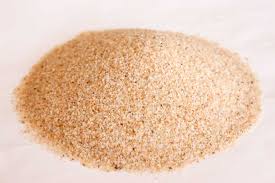 Silica sand is of the cheapest and the most commonly used infill product as a ballast to artificial turf. It is suggested one adds 1-2 lbs per square foot of silica sand as infill. it is very important to note that the layer of sand infill is supports the protection from UV rays from the sun, which ultimately means your artificial turf will remain gorgeous for an extended period of time!
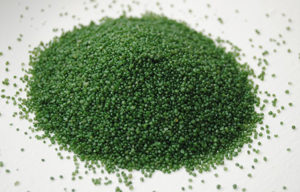 Acrylic coated sand is another popular choice when it comes to artificial turf infill. The “Microban”, antimicrobial protection, is built into Envirofill during the manfucaturing process as a preventative measure against the bacteria and microbes that can cause heinous smells, deplorable stains and negative effects on the integrity of your artificial turf.
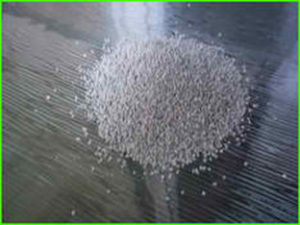 Zeofill is a popular infill choice by pet owners. Zeofill is 100% natural and is a resource that comes straight from the planet. Zeofill’s negatively charged honey-comb molecular design makes it different from all other infills. This molecular form allows it to absorb urine while trapping in the ammonia gases that cause the foul odor from pet pee! Zeofill will scientifically suppress and hold onto the gases until water releases it and removes the absorbed mess from the infill. It will continue to hold the gases until heavy rainfall washes over and carries all the odor and bacteria away through the turf leaving the zeofill renewed for more absorbing power!
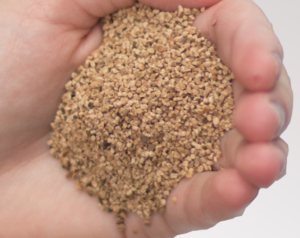 Walnut shell infill is an excellent cooling emphasized option for artificial turf. Its implementation can ensure a superior cooling application to your artificial turf through its ability to absorb water but not over expand. Even during the dry season walnut shell has proven to keep cooler than crumb rubber! Walnut shell is made up of organic foodgrade components so you can have the piece of mind you’re looking for. There is also a patent-pending process in the manufacturing of the walnut shell infill that eliminates the allergens that remain on the shell after the nut has been removed. Leaving the finished product safe and usable for your new artificial lawn!

