
Frequently Asked Questions
How can I prevent weeds in synthetic grass?
Preventing weeds in synthetic grass involves proper installation with a weed barrier and regular light maintenance to discourage growth.
What are effective methods to get rid of weeds in artificial grass?
Effective methods to get rid of weeds in artificial grass involve regular sweeping and occasional weed killer application. Proper installation with a weed barrier is key for prevention.
What causes weeds to grow in artificial turf?
Weeds can grow in artificial turf due to improper installation, inadequate weed barriers, or debris accumulation that allows seeds to germinate.
How can I maintain synthetic grass effectively?
Maintaining synthetic grass effectively involves minimal effort. Regular brushing and occasional rinsing are usually sufficient to keep it looking its best.
What products help prevent weeds in turf?
Products that help prevent weeds in turf include weed barrier fabrics installed during setup and specialized turf cleaners for ongoing maintenance.
Are there natural solutions for weed control?
Natural solutions for weed control in artificial turf are limited. While some may try vinegar or boiling water, these can damage the turf. Professional weed barriers during installation are the best preventative measure.
How often should I check for weeds?
Checking for weeds on your artificial turf should be a proactive, not reactive, process. While artificial grass is low-maintenance, it's not entirely weed-proof. Regular checks, especially after periods of rain or wind, can help you catch any emerging weeds early.
Here's an optimized answer for your FAQ:
You should check for weeds on your artificial turf periodically, especially after rain or wind. Early detection makes removal much easier and helps maintain your turf's appearance.
What are common weeds in artificial grass?
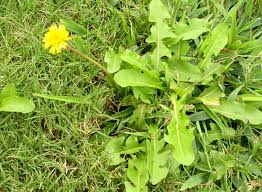
Common weeds in artificial grass can include crabgrass, dandelions, and clover, often stemming from seeds blown in or trapped in the infill.
Can I use chemicals on synthetic grass?
While some chemicals can be used on synthetic grass, it's best to avoid harsh ones. Opt for gentle, turf-safe cleaners to prevent damage and maintain its appearance.
How do I install a weed barrier?
Installing a weed barrier involves laying it over a prepared base before artificial turf installation. Ensure it's overlapped and secured properly.
What maintenance is required for artificial turf?
Artificial turf requires minimal maintenance. Regular brushing and occasional rinsing are usually sufficient to keep it looking its best.
How does weather affect weed growth in turf?
Weather significantly impacts weed growth in turf. Moisture and sunlight encourage germination and growth, while extreme temperatures can inhibit it, making maintenance crucial.
What tools are best for weed removal?
For artificial turf weed removal, a stiff brush or a specialized weed removal tool is best. These help dislodge weeds without damaging the turf.
How can I identify weed types in turf?
Identifying weed types in turf involves observing their leaf shape, growth pattern, and flower color to distinguish them from ornamental grasses.
What are the signs of weed infestation?
Signs of weed infestation in artificial turf include visible weeds sprouting through the surface, especially in seams or edges, and patchy growth.
How can I improve drainage in artificial grass?
Improving drainage in artificial grass involves ensuring a proper base layer during installation. A well-compacted aggregate base with adequate slope is crucial for water to flow away effectively.
What is the best time to treat weeds?
The best time to treat weeds on artificial turf is proactively. Address any emerging weeds promptly to prevent them from establishing and becoming a persistent problem.
How do I prevent weeds during installation?
Preventing weeds during installation is crucial. Using a high-quality weed barrier fabric beneath your artificial turf is the most effective method to stop weed growth from the start.
Can pets affect weed growth in turf?
Pets can indirectly affect weed growth. Urine can create bare spots where weeds can sprout, but proper turf maintenance minimizes this risk.
What are the benefits of professional weed control?
The benefits of professional weed control include expert application of treatments and long-term prevention strategies, ensuring your artificial turf remains pristine and weed-free with minimal effort.
How do I spot treat weeds in synthetic grass?
Spot treating weeds in synthetic grass involves carefully removing them by hand or using a mild weed killer, ensuring it doesn't damage the turf.
What is the role of mulch in weed prevention?
Mulch plays a role in weed prevention by creating a physical barrier that blocks sunlight, hindering weed seed germination and growth.
How can I enhance the longevity of artificial grass?
To enhance the longevity of artificial grass, ensure proper installation with a weed barrier and conduct regular, minimal maintenance like brushing and occasional rinsing.
What are the misconceptions about synthetic grass maintenance?
The misconception about synthetic grass maintenance is that it's entirely maintenance-free. While significantly less upkeep is required, some basic care is still necessary.
How do I choose the right turf for my area?
Choosing the right turf for your area depends on factors like climate, intended use, and desired aesthetics.
What are the environmental impacts of synthetic grass?
The environmental impacts of synthetic grass include potential heat island effects and microplastic concerns, though it reduces water usage and eliminates pesticide needs.
How can I educate others about turf maintenance?
Educating others about turf maintenance involves sharing Artificial Turf Express's insights on its minimal upkeep, dispelling the "maintenance-free" myth, and highlighting proper installation for weed prevention.
What are the costs associated with weed control?
The costs associated with artificial turf weed control are minimal, often involving occasional cleaning or weed barrier maintenance.
How do I prepare my turf for seasonal changes?
Preparing your turf for seasonal changes involves regular cleaning and ensuring proper drainage. Address any debris promptly to prevent weed growth and maintain its appearance.
What resources are available for turf maintenance tips?
Turf maintenance tips are available through expert consultations and our informative blog series, which covers everything from weed control to general upkeep.