

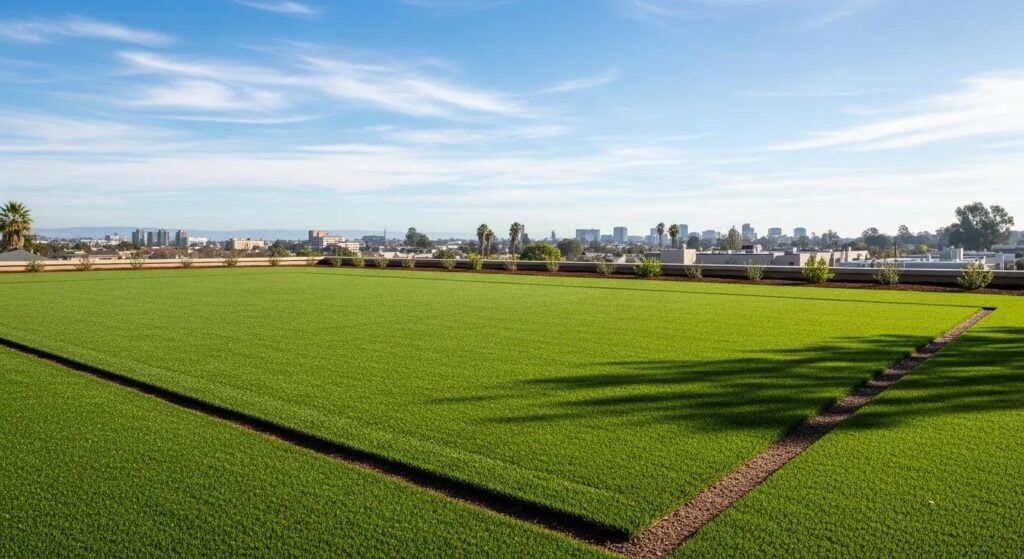
Building a durable, low-maintenance lawn in San Jose starts with the right planning and materials. This guide explains the key components of artificial turf installation with an emphasis on edging and weed barriers. You’ll find practical comparisons of edging options, guidance on selecting landscape fabrics, and step-by-step installation techniques that improve turf longevity. Understanding these elements reduces maintenance and preserves turf integrity for homeowners and landscapers.
What Are the Best Artificial Turf Edging Materials for San Jose Lawns?
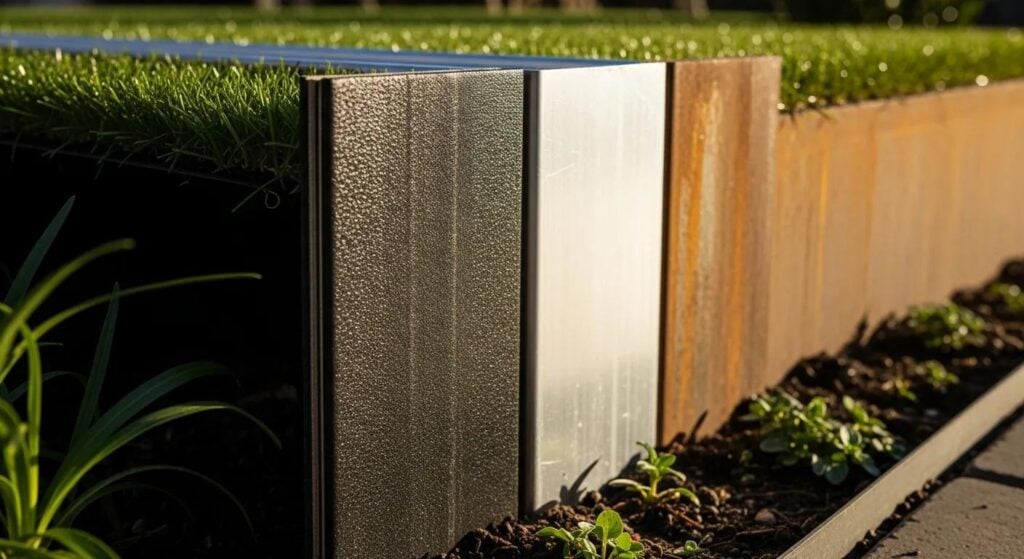
Choosing the correct edging is essential to a clean, professional finish. For San Jose lawns, top edging options include bender board, aluminum, and steel, each with distinct performance characteristics.
- Bender Board: This flexible material is ideal for creating smooth curves and is resistant to warping.
- Aluminum Edging: Known for its durability, aluminum edging provides a sleek finish and withstands the elements.
- Steel Edging: Offering superior strength, steel edging is perfect for high-traffic areas and provides a long-lasting solution.
Those choices improve visual definition and help secure turf edges, limiting shifting and damage. For purchasing options, “Artificial Turf Express” offers a range of materials suited for contractors, landscapers, and DIY homeowners in the Greater Bay Area.
How Do Plastic, Metal, and Composite Edging Compare in Durability and Performance?
Understanding material differences helps match performance to site conditions and traffic loads.
- Plastic Edging: Lightweight and easy to install, plastic edging is cost-effective but may not withstand heavy foot traffic or extreme weather conditions.
- Metal Edging: Both aluminum and steel options offer excellent durability and rust resistance, making them suitable for long-term use. They can handle high traffic and are less likely to warp or bend.
- Composite Edging: Made from recycled materials, composite edging offers a balance between aesthetics and durability. It is resistant to fading and can mimic the look of wood without the maintenance.
In general, metal edging offers greater longevity and resilience than plastic and composite options, which is why it’s often specified for high‑use installations.
Which Edging Options Are Most Suitable for Contractors, Landscapers, and DIY Homeowners?
Selecting the right edging depends on project scale, expected use, and installation resources. Consider the following recommendations:
- For Contractors: Steel edging is ideal for its strength and durability under heavy use, making it perfect for commercial projects.
- For Landscapers: Aluminum edging offers a professional finish and is easy to work with, allowing for creative designs and layouts.
- For DIY Homeowners: Bender board is a great choice for those installing edging themselves, as it is lightweight and flexible, making it easy to shape around curves.
Each option suits specific needs while keeping lawn edges defined and maintaining a professional appearance.
How Do Weed Barrier Fabrics Enhance Artificial Turf Longevity in San Jose?
Weed barrier fabrics extend turf life by blocking weed growth and protecting the underlying soil structure. They allow water and necessary moisture to pass while limiting light exposure that enables weeds to establish. Installing a quality barrier reduces ongoing maintenance and helps preserve turf performance.
They also reduce soil erosion after heavy rain, preserving the turf base and supporting overall lawn stability.
What Types of Landscape Fabric Are Effective for Weed Control Under Synthetic Grass?
Choose landscape fabric based on drainage, durability, and environmental objectives. Common types include:
- Woven Fabric: This type allows for excellent water drainage while preventing weed growth. It is durable and can last for several years.
- Non-Woven Fabric: Typically made from polypropylene, non-woven fabrics provide a barrier against weeds while allowing air and moisture to penetrate.
- Biodegradable Fabric: For those looking for an eco-friendly option, biodegradable fabrics break down over time, enriching the soil while still providing initial weed control.
Each fabric has trade-offs in longevity and environmental impact; select the type that aligns with project requirements and site conditions.
How Does Proper Weed Barrier Installation Prevent Turf Damage?
Correct installation ensures the barrier functions as intended. Key steps include site preparation, overlapping seams, and securely fastening the fabric to prevent gaps.
- Site Preparation: Clear the area of debris and existing vegetation to create a clean surface for the barrier.
- Layering: Lay the weed barrier fabric flat, overlapping edges to prevent gaps where weeds can grow.
- Securing: Use landscape staples or pins to secure the fabric in place, ensuring it remains taut and effective.
Following these steps maximizes barrier effectiveness and helps protect the turf from weed-related damage.
What Are the Step-by-Step Installation Procedures for Edging and Weed Barriers?
A correct installation follows a sequence that ensures stability and longevity. The basic workflow is:
- Gather Materials: Collect all necessary materials, including edging, weed barrier fabric, landscape staples, and tools.
- Prepare the Area: Clear the installation site of any debris, rocks, or existing grass.
- Install Edging: Place the edging material along the desired perimeter, ensuring it is level and secure.
- Lay Weed Barrier: Roll out the weed barrier fabric over the prepared area, overlapping edges as needed.
- Secure the Fabric: Use landscape staples to hold the fabric in place, ensuring it is taut and wrinkle-free.
- Finish with Turf: Finally, install the artificial turf over the weed barrier, cutting it to fit around the edges.
Follow this sequence to achieve a professional finish and improve your lawn’s long-term performance.
Which Tools and Materials Are Required for Professional Turf Edging Installation?
Essential tools and materials for professional edging are listed below.
- Tools: Shovel or spade for digging, level to ensure even installation, landscape staples for securing fabric, hammer or mallet for driving stakes
- Materials: Chosen edging material (e.g., aluminum, steel, or bender board), weed barrier fabric, artificial turf
Having these tools and materials on hand streamlines the installation process and reduces the risk of installation errors.
How to Install Weed Barrier Fabric Correctly to Maximize Lawn Durability?
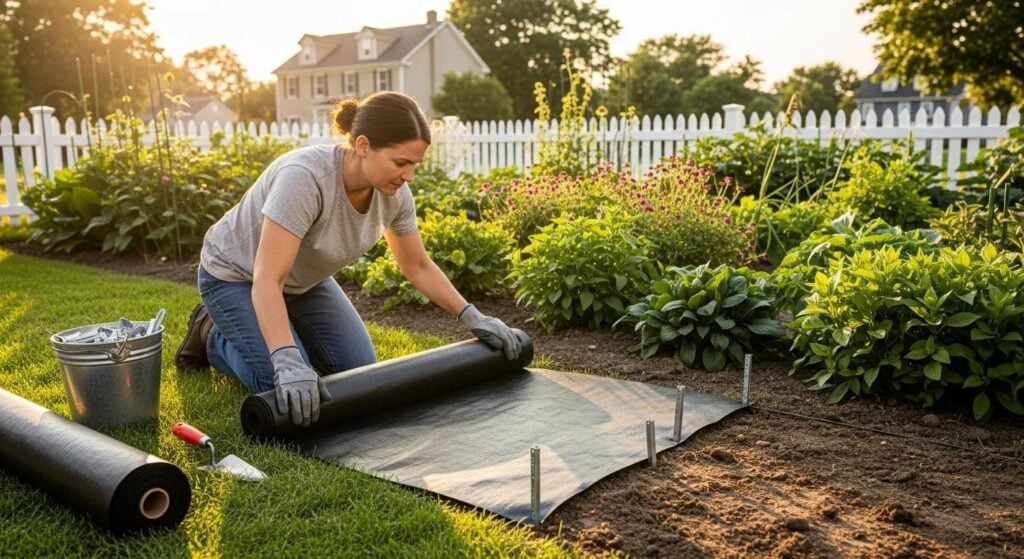
Correct weed barrier installation increases turf durability. Focus on fit, overlap, and secure fastening.
- Choose the Right Fabric: Select a high-quality weed barrier that suits your specific needs.
- Cut to Size: Measure and cut the fabric to fit the area, allowing for seam allowances.
- Secure Properly: Use landscape staples to secure and hold the fabric in place, ensuring it lies flat without wrinkles.
- Cover with Mulch: Adding a layer of mulch over the fabric can provide additional weed suppression and improve aesthetics.
Following these guidelines ensures the fabric performs as intended and supports the long-term stability of your artificial turf.
How Can You Maintain and Troubleshoot Artificial Turf Edging and Weed Barriers?
Regular maintenance preserves function and appearance. Schedule inspections and basic cleaning to catch issues early.
- Regular Inspections: Check for any signs of wear or damage to the edging and fabric, and address any issues promptly.
- Weed Management: Occasionally inspect for any weeds that may have penetrated the barrier and remove them as needed.
- Cleaning: Keep the area free of debris and organic matter that can promote weed growth.
Address problems such as shifted edging or fabric tears promptly to prevent further deterioration.
What Are Common Issues with Lawn Borders and How to Address Them?
Common border issues typically include shifting edging, weed intrusion, and uneven lines. Each has a practical fix:
- Shifting Edging: This can occur due to soil movement or heavy foot traffic. To address this, ensure the edging is securely anchored and consider using additional stakes.
- Weed Growth: If weeds appear, check for gaps in the barrier and repair them promptly to prevent further growth.
- Uneven Borders: If the edging appears uneven, adjust it as needed to maintain a clean, professional look.
Proactive repairs keep borders functional and maintain a professional lawn appearance.
How Often Should Edging and Weed Barriers Be Inspected and Replaced?
Inspect edging and weed barriers at least twice a year—ideally in spring and fall. Look for visible wear, such as cracks in the edging or tears in the fabric.
Repair or replace damaged components promptly. Weed barriers generally require replacement every 5–10 years, depending on material and site exposure.
What Are the Local Benefits and Case Studies of Using Edging and Weed Barriers in San Jose?
Using quality edging and weed barriers in San Jose delivers measurable benefits:
- Reduced Maintenance: Homeowners experience less time spent on lawn care due to effective weed control.
- Enhanced Aesthetics: Properly installed edging provides a clean, professional look to lawns.
- Environmental Benefits: By reducing the need for chemical weed control, these practices contribute to a healthier local ecosystem.
Local case studies report improved lawn quality and lower maintenance requirements after installing appropriate edging and barrier systems.
How Have San Jose Contractors and Homeowners Achieved Long-Lasting Lawns?
Contractors and homeowners in San Jose achieve long-lasting lawns by specifying durable materials and following proven installation methods. Proper edging and effective weed barriers reduce maintenance and improve aesthetics.
Many have reported that using products from “Artificial Turf Express” results in noticeable improvements in turf longevity and appearance.
What Are the Environmental and Economic Advantages of Using Durable Lawn Borders Locally?
Durable borders lower the need for herbicides and frequent repairs, offering both environmental and economic advantages. Upfront investment in quality materials typically reduces lifetime maintenance costs and can support property value.
To learn more or get tailored advice, visit the “Artificial Turf Express“. They can assist with product selection and project specifics.
Effective edging combined with appropriate weed barriers enhances lawn appearance in San Jose while supporting sustainable landscaping practices for homeowners and contractors.
Frequently Asked Questions
What is the lifespan of artificial turf, and how do edging and weed barriers affect it?
Artificial turf typically lasts 15–25 years, depending on material quality and maintenance. Proper edging and weed barriers reduce weed intrusion and limit base erosion, which helps extend service life. Quality edging also reduces wear from foot traffic. Investing in these components keeps artificial lawns functional and attractive for longer.
Can I install artificial turf without edging or weed barriers?
Technically, you can, but it’s not recommended. Without edging, the turf can shift or develop uneven edges over time. Without weed barriers, weeds can penetrate the base, increasing maintenance. For optimal durability and appearance, include both edging and a suitable weed barrier in your installation.
How do I choose the right type of weed barrier for my artificial turf?
Select a weed barrier based on durability, permeability, and environmental goals. Woven fabrics perform well for drainage and long-term use. Non-woven options allow airflow and moisture to pass through. Biodegradable fabrics offer an eco-friendly, temporary solution. Consider local climate and soil when choosing the best option for your project.
What maintenance is required for artificial turf edging and weed barriers?
Maintenance includes scheduled inspections—typically twice a year—to check for shifting edging, fabric tears, and weed growth. Keep the area clear of debris and organic matter. Prompt repairs or replacements will maintain turf integrity and appearance.
Are there any specific local regulations regarding artificial turf installation in San Jose?
San Jose may have regulations related to landscaping and water use. Check with the San Jose city planning department or your homeowners’ association for any restrictions or requirements. Ensuring compliance avoids penalties and supports environmentally responsible installations.
What are the cost implications of using high-quality edging and weed barriers?
High-quality edging and weed barriers usually increase upfront costs but reduce long-term maintenance and replacement expenses. Durable materials lower lifetime costs and can improve property value. Factor long-term savings into your project budget.
How can I troubleshoot common issues with my artificial turf edging and weed barriers?
Common problems include shifted edges, weed penetration, and uneven borders. Inspect anchor points and fastenings, repair gaps in the barrier, and realign edging where necessary. Addressing these issues quickly prevents larger repairs and preserves lawn’s appearance.
Conclusion
Quality edging combined with effective weed barriers increases both the lifespan and visual quality of artificial lawns in San Jose. These measures reduce maintenance needs and lower reliance on chemical controls, supporting a healthier landscape. For homeowners and contractors seeking professional results, selecting the right materials and following proper installation procedures are essential. Discover premium options at Artificial Turf Express to optimize your lawn care approach.


