
Monday - Friday: 7:30AM - 4:30PM Saturday: 9:00AM - 4:00PM
370 Umbarger Rd, San Jose, CA, 95111

DIY Turf Blog
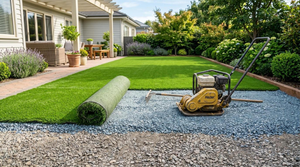
Crushed aggregate, typically Class II road base, provides the best foundation for artificial turf because it compacts tightly, suppresses weeds, and channels water away from the surface. We layer this base at a consistent depth, compact it in stages, and grade it for drainage before any turf or infill goes down. Key Takeaways What Do…

Freeze-thaw cycles crack and heave commercial pavers when water seeps into the joints, freezes, expands, and then thaws repeatedly throughout winter. Facility teams prevent this by clearing snow promptly, using paver-safe de-icers instead of rock salt, sealing joints before freeze season, and scheduling spring inspections for rocking units, white efflorescence film, or standing water that…

Fall paver installation delivers cooler working temperatures, stable soil moisture, and faster curing conditions than spring projects—reducing delays caused by summer heat or spring rain. We recommend pairing new patios and walkways with synthetic turf borders for pet-friendly, low-maintenance yards ready by spring. Off-season contractor availability often shortens lead times, letting homeowners lock in installation…

Fall installation of a bocce ball court with artificial turf delivers a smooth, consistent playing surface without the upkeep that crushed oyster shells demand. Cooler temperatures aid proper adhesive curing and ground compaction, both of which are critical for a level, properly sized court. We recommend completing ground prep and base work before winter rains…
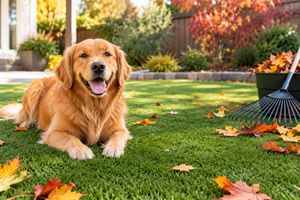
Fall leaves and mud buildup on pet-friendly artificial grass require weekly rinsing, regular debris removal, and occasional brushing to keep drainage holes clear. Our turf resists odors and drains efficiently, so mud never pools as it does on natural lawns. A leaf blower or hose handles most seasonal debris, keeping paws clean and the yard…
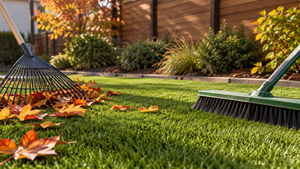
Fall artificial grass maintenance requires four core tasks: removing fallen leaves and debris before they trap moisture and rinsing away summer allergens. Dusting, addressing tree sap promptly before it hardens and bonds with debris, and reblooming fibers matted from heavy summer use. We recommend completing these steps before winter weather sets in to protect drainage…

Fall putting green upkeep centers on removing fallen leaves and debris before they trap moisture and encourage mold. We recommend brushing weekly against the grain to keep the infill level. Blades upright, plus a leaf blower or plastic rake for cleanup. Rinsing periodically prevents dust buildup, keeping greens tournament-ready through autumn without the mowing and…
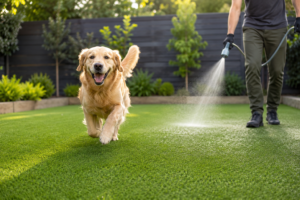
Regular maintenance with a mixture of white vinegar and water effectively removes odors. Visit Artificial Turf Express in San Jose, CA, where experts recommend rinsing turf weekly and applying enzyme-based cleaners to eliminate bacteria that cause pet waste odors on all 15 turf products. Artificial grass dog urine cleaner, such as Paws and Play Turf…
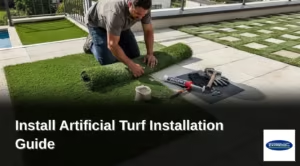
Installation on concrete or pavers requires a 1/4-inch foam underlayment and seaming tape. Turf nails or adhesive to secure edges. Artificial Turf Express in San Jose, CA, stocks 15 turf products, including Marina at 50 oz face weight, plus all necessary accessories for proper installation. Installation, Artificial Turf Express, located inside Heavenly Greens in San…
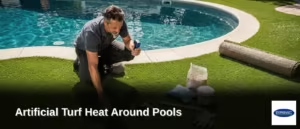
Temperatures near pools with artificial turf can be significantly hotter than surrounding concrete, depending on various factors. Artificial Turf Express in San Jose, CA, recommends selecting heat-resistant products and proper infill to reduce surface temperatures, especially important for pool areas exposed to direct, prolonged sunlight during peak afternoon hours. Water drainage plays a key role…

Get In Touch
Located Inside of
Heavenly Greens
Sign Up For Our Newsletter
Privacy Policy | Cookie Policy | Terms of Use | Disclaimer
© Artificial Turf Express 2025 | All Rights Reserved.

