
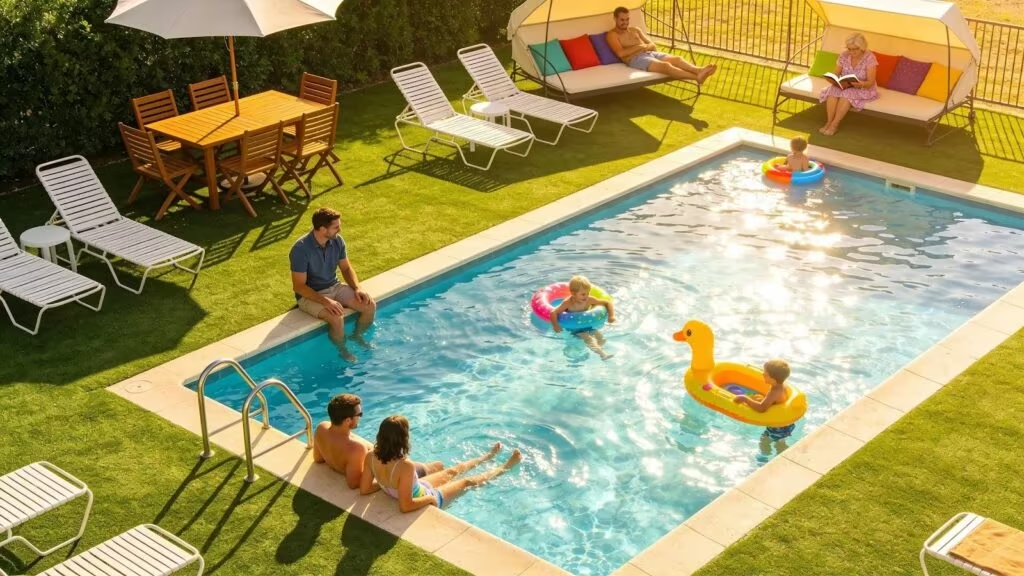
When installing artificial turf adjacent to a pool, prioritize safety and material longevity. Slip resistance and chlorine resistance determine how well a surface performs under wet conditions and in the presence of chemicals. This guide explains those properties, how pool chemicals affect turf lifespan, and the practical implications for homeowners who need reliable, low-risk pool surrounds.
This article examines slip-resistant surfaces, chlorine tolerance, water drainage, UV stability, and installation best practices. We also point to suitable solutions from Artificial Turf Express designed for poolside use.
Slip-Resistant Surface
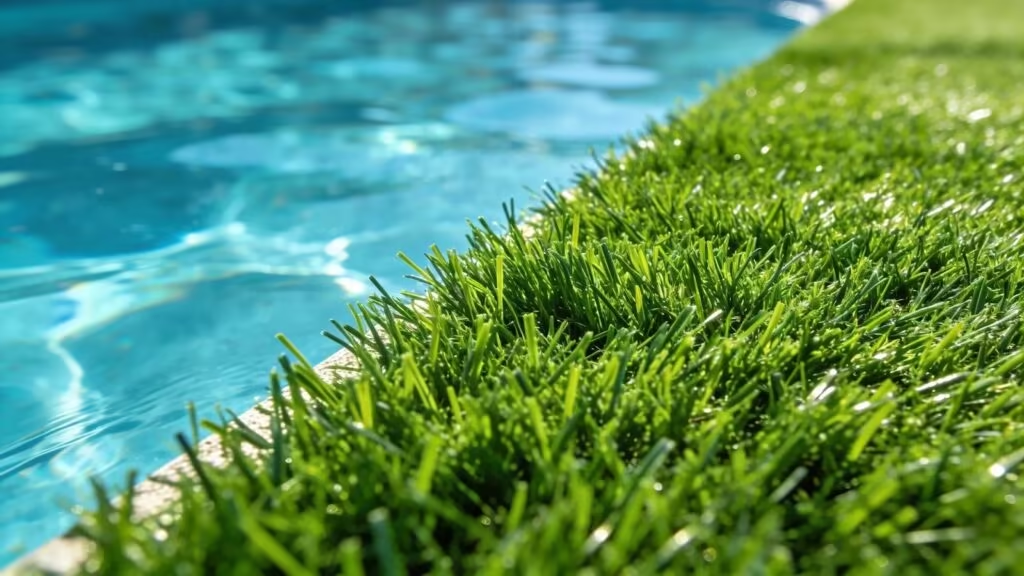
Slip resistance is a primary safety requirement for poolside turf. Materials engineered for traction reduce fall risk on wet surfaces. Effective designs combine textured fiber profiles and controlled pile height to maintain grip under wet, soapy, or chlorinated conditions.
Artificial Turf Express offers turf lines specified for enhanced traction and consistent wet‑condition performance.
Chlorine Resistance
Chlorine resistance preserves both appearance and structural integrity when turf is exposed to pool chemicals. Repeated contact with chlorinated water can cause fiber embrittlement and color loss; chlorine-resistant formulations resist these effects and extend service life.
Homeowners should specify products that are tested for chemical exposure to maintain colorfastness and mechanical properties. Artificial Turf Express supplies chlorine-resistant turf variants tailored for poolside conditions.
Excellent Water Drainage
Effective drainage prevents water pooling, which directly affects slip risk and material degradation. Turf systems must channel water through a permeable backing and an engineered base to avoid standing water and reduce the likelihood of mold and mildew.
Select turf systems with proven drainage technology and a graded subbase to maintain surface performance and prevent moisture‑related failures.
UV Resistance
UV resistance protects fibers and pigments from sun‑induced fading and polymer breakdown. Turf with UV stabilizers maintains appearance and tensile properties under prolonged solar exposure.
Specify products with documented UV stability and manufacturer test data to ensure long‑term color retention and material performance in sun‑exposed pool areas.
Durability
Poolside turf must resist frequent foot traffic, chemical exposure, and weathering. Durability depends on fiber formulation, backing strength, and overall system design to withstand these combined stresses.
Key durability indicators include robust fiber polymers, reinforced backing assemblies, and resistance to environmental degradation—features that reduce replacement frequency and lifecycle cost.
What Is Slip Resistance in Poolside Artificial Turf and Why Does It Matter?
Slip resistance describes a surface’s ability to prevent sliding when wet. In pool zones, it is a safety metric that lowers the probability of falls and injuries, especially for children and older users.
Slip resistance is governed by surface texture, pile height, and backing permeability; selecting turf rated for wet traction is crucial for safe poolside design.
How Is Slip Resistance Measured for Synthetic Grass?
Industry tests quantify the force required to initiate sliding on a wet surface. These standardized protocols produce measurable values that indicate whether turf meets performance thresholds for safe use.
Key elements of slip resistance measurements include:
- Standard Measurement Practices: Following established guidelines to gauge slip potential.
- Safe Threshold Levels: Ensuring turf stays within acceptable limits to minimize risks.
- Importance of Third-Party Testing: Independent evaluations confirm the integrity of safety claims.
Homeowners should review test results and certification data when comparing products for poolside safety.
Which Turf Materials Offer the Best Non-Skid Performance Near Pools?
Certain polymers provide superior wet‑condition traction. Polyethylene feels softer underfoot but can show lower wet traction unless engineered to compensate.
Use comparative performance data—traction tests, abrasion resistance, and UV stability—to select the optimal material for your pool environment.
| Material Type | Slip Resistance | Durability |
|---|---|---|
| Polyethylene Turf | Moderate | Good |
| Blended Turf | High | Strong |
Material selection directly affects safety and usability, so match the polymer profile to expected traffic and exposure conditions.
How Does Chlorine Exposure Affect the Durability of Artificial Turf by the Pool?
Chlorine can accelerate polymer degradation and cause discoloration if turf is not formulated to resist chemical attack. Recurrent exposure reduces tensile strength and aesthetic value over time.
Choose turf products that specify resistance to common pool chemicals to maintain structural and visual performance.
What Polymer Properties Enhance Chlorine Resistance in Synthetic Grass?
Chlorine resistance depends on polymer selection and additive chemistry. High‑density polyethylene (HDPE) and compatible additives improve chemical tolerance and preserve fiber integrity.
Key aspects include:
- UV Stabilizers: Protect the turf from UV damage while withstanding chlorine.
- Strong Fiber Construction: Provides durability when exposed to chlorine.
- Enhanced Coatings: Offer additional resistance against chemical effects.
Review polymer specifications and lab data to confirm a product’s chlorine resilience before purchase.
How to Identify Chlorine-Resistant Turf Products for Pool Areas?
Homeowners should evaluate manufacturer documentation, material composition, and empirical performance records to confirm chlorine resistance.
- Manufacturer Claims: Look for guarantees or data regarding chlorination resistance.
- Material Composition: Choose turf made from high-grade polymers known for their chemical resistance.
- Past Performance: Research user reviews and product performance data.
Assessing these factors reduces the risk of premature degradation in poolside installations.
What Are the Best Installation Practices for Safe Poolside Artificial Grass?
Correct installation is essential to preserve drainage and traction. Poorly executed installs create trip hazards and accelerate wear.
Key recommended practices include:
- Selecting Quality Base Materials: Use materials that promote proper drainage.
- Properly Securing Edges: Ensure that edges are well-fitted to prevent lifting and potential hazards.
- Regular Maintenance Checks: Conduct periodic assessments to maintain turf quality and appearance.
Following these procedures prevents common failures and sustains surface safety for poolside use.
Which Installation Supplies Improve Drainage and Slip Resistance?
Specific installation components enhance drainage and reduce the risk of slips by stabilizing the system and directing water flow.
- Drainage Systems: Permeable layers that facilitate water flow.
- Adhesives and Seam Tape: Strong bonding that prevents lifting and creates a uniform surface.
- Infill Options: Specially formulated infill can provide additional traction while managing moisture.
Using these supplies improves turf performance, reduces the risk of accidents, and extends service life.
How Does Proper Installation Extend Turf Longevity Near Pools?
Proper installation extends service life by ensuring effective water management and secure anchoring. This reduces stress on fibers and backing materials.
Key components that promote longevity include:
- Correctly Laying the Base: A solid foundation is vital for moisture management.
- Maintaining Infill Levels: Keeping the infill at the appropriate depth stabilizes fibers and enhances wear resistance.
- Addressing Seam Integrity: Secure seams prevent separation and reduce maintenance challenges.
Implementing these measures during installation lowers maintenance demands and preserves performance.
How Should Homeowners Maintain Slip-Resistant and Chlorine-Resistant Turf?
Routine maintenance preserves traction and chemical resistance. Cleaning and inspections remove debris and chemical residues that can degrade fibers.
To successfully maintain turf, homeowners should:
- Conduct Routine Inspections: Regularly check for wear, damage, or any potential slip hazards.
- Use Proper Cleaning Methods: Avoid harsh chemicals; instead, use vinegar-based solutions for light cleaning.
- Inspect Regularly for Damage: Promptly address any signs of fiber damage to ensure continued safety.
Consistent maintenance preserves safety features and appearance, reducing the likelihood of costly repairs.
What Cleaning Methods Protect Turf Fibers from Chlorine Damage?
Certain cleaning techniques limit chemical exposure and help maintain fiber properties. Use mild cleaners and thorough rinsing to remove residues.
- Gentle Washing: Utilizing mild cleaning solutions that don’t compromise turf integrity.
- Hosing Down: Regularly rinsing turf can help remove residual chemicals and debris.
- Periodic Deep Cleaning: Engaging professional services for a thorough clean of the turf.
Applying these methods reduces chlorine accumulation and preserves both safety and appearance.
How Often Should Poolside Turf Be Inspected and Serviced?
Establish a regular inspection and service routine to detect issues early and maintain performance.
- Monthly Checks: Assess for any visible damage or wear.
- Seasonal Deep Cleans: Conduct thorough cleaning at the start and end of peak use seasons.
- Annual Professional Assessment: Engage professionals for a comprehensive check to address hidden issues.
Adhering to this schedule supports proactive upkeep and safer poolside conditions.
What Safety Standards and Compliance Guidelines Apply to Poolside Artificial Turf?
Relevant safety standards ensure materials and installation meet regulatory performance and user‑safety requirements. Homeowners should reference applicable standards when selecting products.
Key standards to consider include:
- ASTM Standards: Establish guidelines for turf materials and construction.
- Consumer Product Safety Commission (CPSC): Provides safety information relevant to children and family usage.
- Local Regulations: Adhere to community standards that might dictate specific turf attributes.
Choosing products that comply with these standards reduces liability and ensures predictable performance.
Which Slip Resistance Certifications Are Relevant for Pool Areas?
Certification by recognized bodies verifies that a product meets defined slip‑resistance criteria and provides measurable safety assurance.
Important certifications include:
- ASTM F1677: Standards for testing slip resistance on various surfaces.
- ANSI A326.3: Surface performance classifications specific to outdoor applications.
Selecting certified turf helps protect users and supports compliance with safety expectations.
How Do Local Climate Factors Influence Turf Safety Near Pools?
Climate affects moisture retention, UV exposure, and thermal stress—factors that change how turf performs over time. Humidity and temperature swings can increase maintenance needs and impact slip resistance.
Match turf specifications and maintenance plans to regional climate conditions to maintain safety and durability.
How to Choose the Right Waterproof and Chemical-Resistant Artificial Lawn for Your Pool?
Select products based on material properties and verified performance for waterproofing and chemical resistance, rather than on aesthetics alone.
Here are important factors to consider:
- Material Composition: Look for high-density fibers that offer both waterproofing and chemical resistance.
- Manufacturer Specifications: Always review product details to verify resistance claims.
- User Reviews: Assessing real-world feedback can provide insights into turf performance across various conditions.
Evaluating these criteria will help homeowners choose turf that performs reliably in poolside settings.
Which Turf Products Combine Waterproofing with Chlorine Resistance?
Hybrid turf systems that integrate waterproof backings and chemically tolerant fibers offer the best protection for pool areas. Specify products engineered for both functions to balance longevity and appearance.
| Turf Product | Waterproofing | Chlorine Resistance | Ideal Use |
|---|---|---|---|
| AquaSafe Turf | Yes | High | Pool areas |
| ChlorineGuard Turf | Yes | Moderate | Family backyards |
| All-Weather Turf | Yes | High | Versatile use |
Choosing these types of products supports consistent performance and reduces chemical‑related degradation in poolside installations.
What Are the Cost Considerations for High-Quality Poolside Synthetic Grass?
Budgeting for poolside turf requires accounting for upfront material costs, professional installation, and ongoing maintenance to protect the investment over time.
- Initial Material Costs: The price of high-quality synthetic grass varies with its features and durability.
- Installation Expenses: Professional installation may incur additional charges; however, it often ensures better results.
- Maintenance Over Time: Budgeting for ongoing maintenance and potential repairs is essential for long-term cost management.
Factoring these elements into total lifecycle cost supports a value‑based purchasing decision.
Frequently Asked Questions
What factors should I consider when choosing artificial turf for the poolside?
Evaluate slip resistance, chlorine tolerance, UV stability, drainage capability, and overall durability. Confirm manufacturer specifications and certifications, and consider how the turf performs under expected traffic and chemical exposure.
How can I enhance the drainage capabilities of my artificial turf?
Improve drainage by installing turf with a perforated backing over a graded, permeable base. Regularly remove debris that can clog drainage paths and consider engineered subdrainage where runoff is a concern.
What maintenance practices are essential for keeping poolside artificial turf in good condition?
Perform monthly inspections, rinse surfaces to remove chlorine residue, use mild cleaning agents for spot cleaning, and schedule seasonal deep cleans. Maintaining correct infill levels also preserves performance.
Are there specific brands or products known for their chlorine resistance?
Yes. Products such as AquaSafe Turf and ChlorineGuard Turf are marketed for chlorine resistance and color retention. Verify claims by checking polymer composition and user performance records before selecting a brand.
How do environmental factors such as humidity and temperature affect artificial turf?
High humidity can increase moisture retention and mould risk if drainage is poor; high temperatures accelerate UV and thermal stress. Choose UV‑stabilized materials and adapt maintenance to local climate demands.
What types of infill materials are recommended for poolside artificial turf?
Coated silica sand and inert rubber infill are common choices. Coated sand supports drainage and stability, while rubber offers cushioning and traction. Avoid infill that absorbs chemicals or water.
Conclusion
Selecting the correct turf for poolside use requires balancing slip resistance, chemical tolerance, and drainage performance. Understanding these technical attributes and following proper installation and maintenance practices will protect both safety and appearance. Explore product options from Artificial Turf Express to find solutions specified for pool environments.


