Monday - Friday: 7:30AM - 4:30PM Saturday: 9:00AM - 4:00PM

370 Umbarger Rd, San Jose, CA, 95111

White dot pattern, San Jose

DIY Turf Blog

White dot pattern, San Jose, CA

How to Install Artificial Turf on Concrete: A Complete DIY Guide

By Eric Fullerton | October 14, 2026

Yes, you can put turf on concrete, and it’s one of the easiest DIY installs we see. Patios, pool decks, balconies, and side yards that are nothing but slab can all take artificial grass. But laying artificial grass on concrete is a different job from laying it on dirt. There’s no base to build. The…

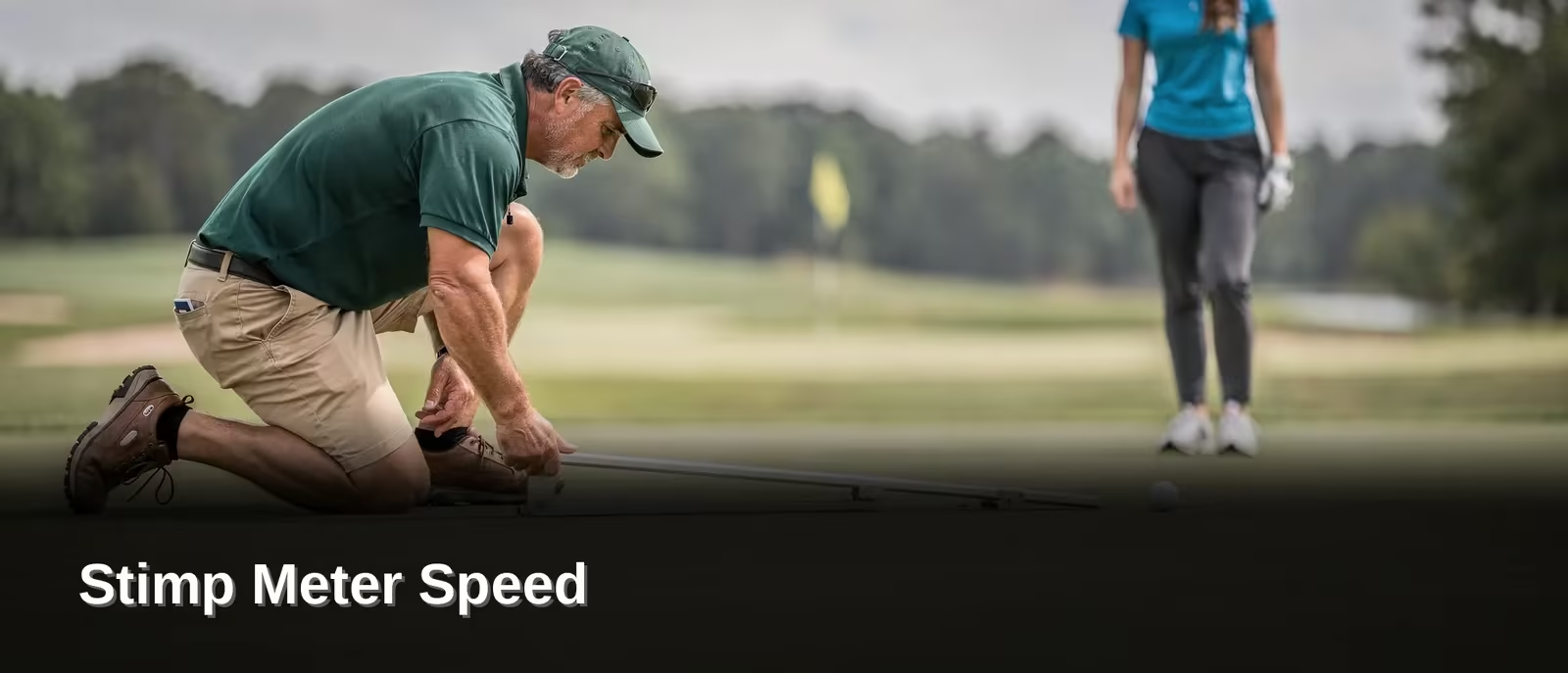
What Stimp Speed Is Right for a Backyard Putting Green?

By Eric Fullerton | October 7, 2026

Backyard putting greens play best at a Stimp speed between 8 and 10. Championship courses typically range from 10 to 13. We recommend starting near 8 for a more forgiving surface that builds confidence, then adjusting pile height and infill density to dial in faster speeds as putting skills improve. Key Takeaways What Is a…

How to Repair Artificial Turf: Patching Burns, Holes and Tears

By Eric Fullerton | October 6, 2026

Begin the patching process by assessing the damaged area and preparing a matching patch from spare material, then bond it in place using seaming tape plus polyurethane adhesive. Trim the patch to extend a few inches beyond the damage, align the grain direction, and press firmly for a seamless repair that avoids replacing the entire…

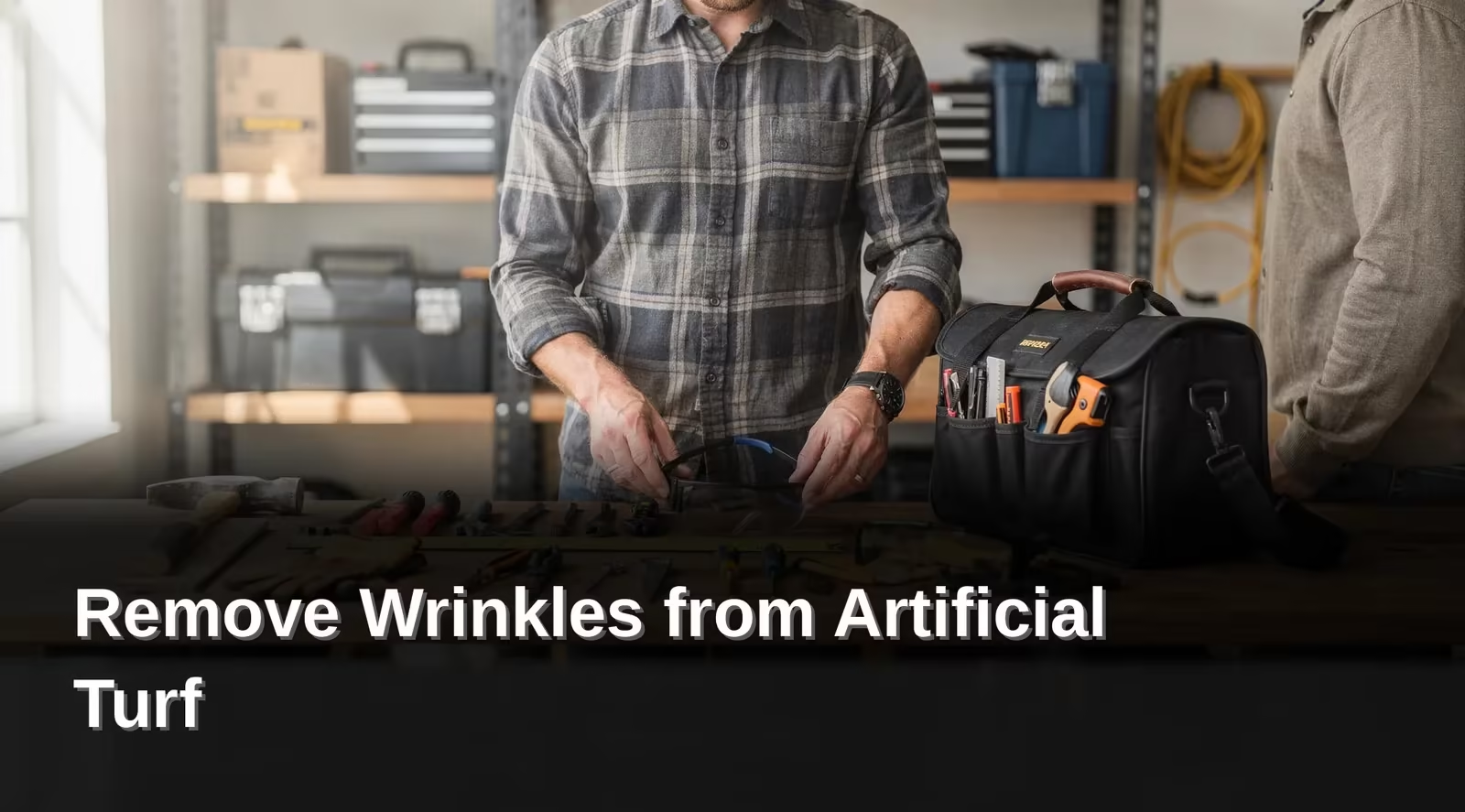
How to Remove Wrinkles From Artificial Turf During Installation

By Eric Fullerton | October 5, 2026

Wrinkle removal starts by unrolling turf and letting it sit in direct sun for several hours. Heat relaxes stiff fibers caused by roll storage. We then stretch the material from corners, securing edges with turf stakes or nails before seaming. Sunlight combined with mechanical tensioning eliminates creases prior to permanent bonding and infill application. Key…

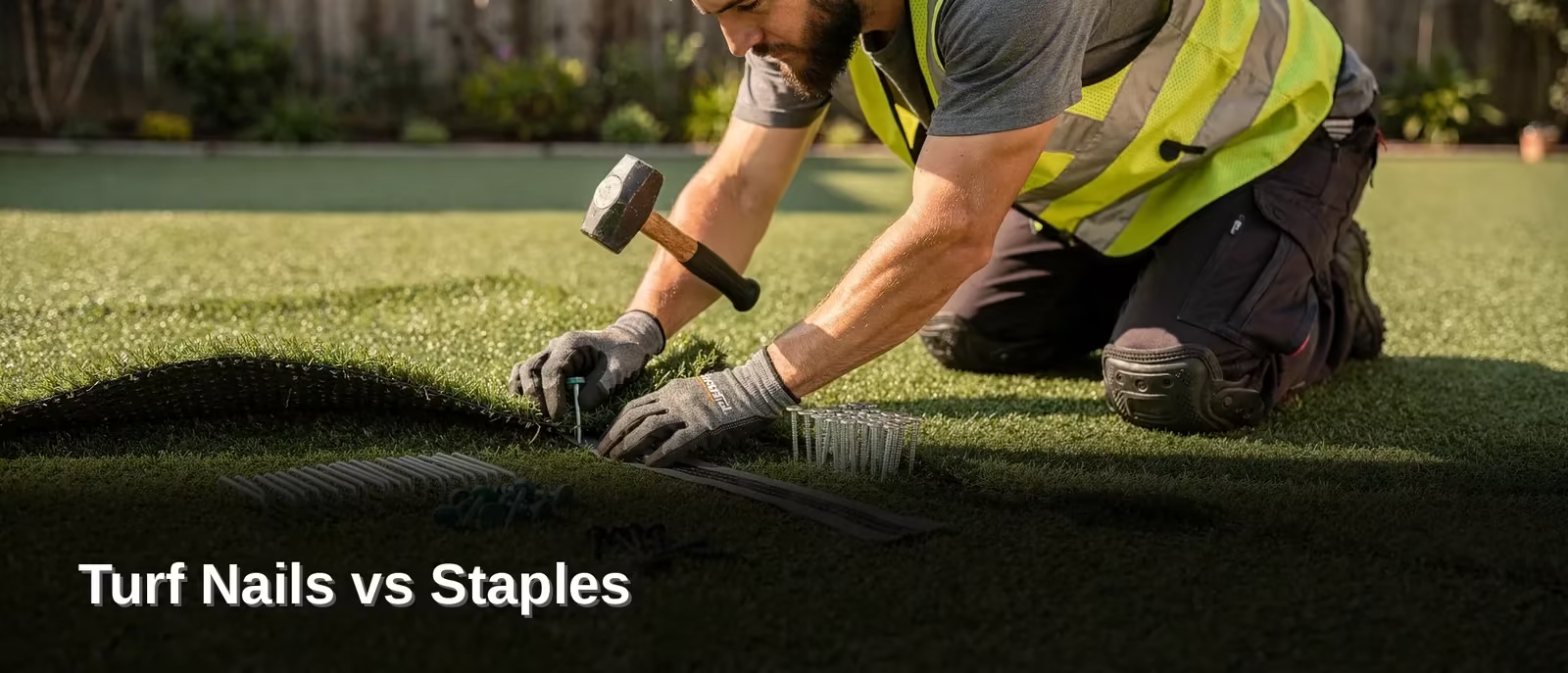
Turf Nails vs. Staples: What’s the Difference and When to Use Each

By Eric Fullerton | October 4, 2026

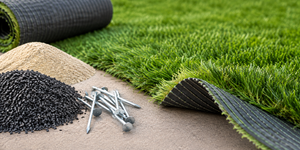
Spiral turf nails anchor perimeters and penetrate soil-based sub-bases securely, resisting pull-out in high-traffic or pet areas. Staples work best for seaming sections together and fastening into weed barrier or compacted base material, though they drive through turf backing less easily. We recommend nails for perimeter anchoring and staples for seam reinforcement on most Bay…

How to Calculate Artificial Turf, Infill, Nails, and Seam Tape

By Eric Fullerton | October 3, 2026

Calculating seam tape and nails starts with measuring the total linear footage of seams where turf rolls meet. Seam tape covers each joint at full width, while galvanized turf nails are spaced every 6 inches along seams and the perimeter, plus one nail per 1- 2 square feet across the field for a secure, wrinkle-free…
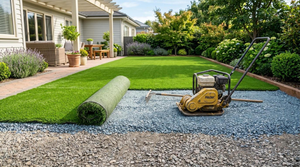
What Is the Best Base for Artificial Turf? A Guide to Proper Base Preparation

By Eric Fullerton | October 2, 2026

Crushed aggregate, typically Class II road base, provides the best foundation for artificial turf because it compacts tightly, suppresses weeds, and channels water away from the surface. We layer this base at a consistent depth, compact it in stages, and grade it for drainage before any turf or infill goes down. Key Takeaways What Do…

How to Fix Visible Seams on Artificial Grass

By Eric Fullerton | September 11, 2026

A visible seam can make an otherwise great artificial lawn look fake from across the yard. A seam that’s separating or a tear in the turf is worse: it’s a trip hazard, it lets weeds and debris in, and it gets bigger over time. The good news is that most seam and tear problems are…

Installing the Best Putting Greens in Your Yard | The Ultimate DIY Guide!

By Eric Fullerton | September 9, 2026

So you’ve decided to build a backyard putting green. Good call. Installing an artificial putting green is very doable as a DIY project, but it isn’t the same as laying a regular lawn. A putting green has to be smoother, firmer, and more precisely shaped than any landscape install, because every flaw in the base…

Decoding Pile Height & Face Weight for the Best Artificial Turf Options

By Eric Fullerton | September 6, 2026

High-quality artificial grass isn’t a green plastic carpet. Every blade is engineered for a specific look, feel, and level of durability, and the spec sheet tells you which one you’re getting, if you know how to read it. The two numbers that matter most are pile height (how tall the blades are) and face weight…

Commercial Paver Winter Maintenance: How to Reduce Freeze-Thaw Damage

By Eric Fullerton | September 6, 2026

Freeze-thaw cycles crack and heave commercial pavers when water seeps into the joints, freezes, expands, and then thaws repeatedly throughout winter. Facility teams prevent this by clearing snow promptly, using paver-safe de-icers instead of rock salt, sealing joints before freeze season, and scheduling spring inspections for rocking units, white efflorescence film, or standing water that…

Fall Paver Installation: Why Cooler Weather Can Be a Great Time for Patios and Walkways

By Eric Fullerton | September 5, 2026

Fall paver installation delivers cooler working temperatures, stable soil moisture, and faster curing conditions than spring projects—reducing delays caused by summer heat or spring rain. We recommend pairing new patios and walkways with synthetic turf borders for pet-friendly, low-maintenance yards ready by spring. Off-season contractor availability often shortens lead times, letting homeowners lock in installation…

Building a Bocce Ball Court Before Winter: Why Fall Is a Great Time to Install

By Eric Fullerton | September 4, 2026

Fall installation of a bocce ball court with artificial turf delivers a smooth, consistent playing surface without the upkeep that crushed oyster shells demand. Cooler temperatures aid proper adhesive curing and ground compaction, both of which are critical for a level, properly sized court. We recommend completing ground prep and base work before winter rains…

The DIYers Guide to Ground Prep for Turf Installation and Accessories

By Eric Fullerton | September 3, 2026

Most backyards start as dirt and tired grass, and that’s exactly where this guide begins. If you want to install artificial grass yourself, the ground prep matters more than the turf you pick. Get the base right and your fake grass stays flat for years. Skip it, and you’ll see ripples by next winter. Below…

In-Depth DIY Guide to Foam Shock Pads for the Best Artificial Turf

By Eric Fullerton | September 3, 2026

If kids will play on your new artificial lawn, or you just want it to feel softer underfoot, you’ll run into foam shock pads sooner or later. Also called turf underlay, underlayment, or padding, a shock pad is a cushioned layer installed under artificial grass to make it safer, softer, and more comfortable. Not every…
Download our installation guide and receive a 5% off coupon.

Professional Installation Guide, San Jose

Get In Touch

370 Umbarger Rd, San Jose, CA, 95111

Mon-Fri: 7:30AM - 4:30PM
Sat: 9:00AM - 4:00PM
Sun: Closed

Located Inside of
Heavenly Greens

Sign Up For Our Newsletter

Privacy Policy | Cookie Policy | Terms of Use | Disclaimer
© Artificial Turf Express 2025 | All Rights Reserved.

Artificial Turf Express "End of Roll Fridays" sale promotion featuring pet-friendly turf, pumpkins, and Halloween
Close the CTA