


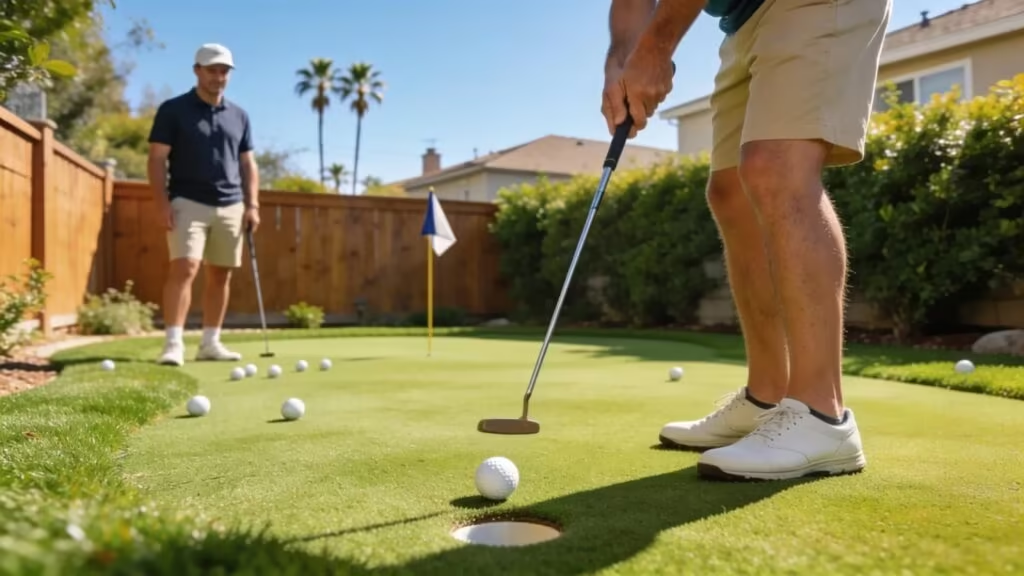
Installing a custom putting green in San Jose goes beyond looks; it is a technical project that balances playability, maintenance, and water efficiency. This guide explains how artificial turf contributes to reliable backyard golf setups that Bay Area homeowners trust. It covers design choices, turf specifications, installation best practices, and maintenance requirements so you can plan a functional, low‑maintenance putting surface at home.
Design Options:
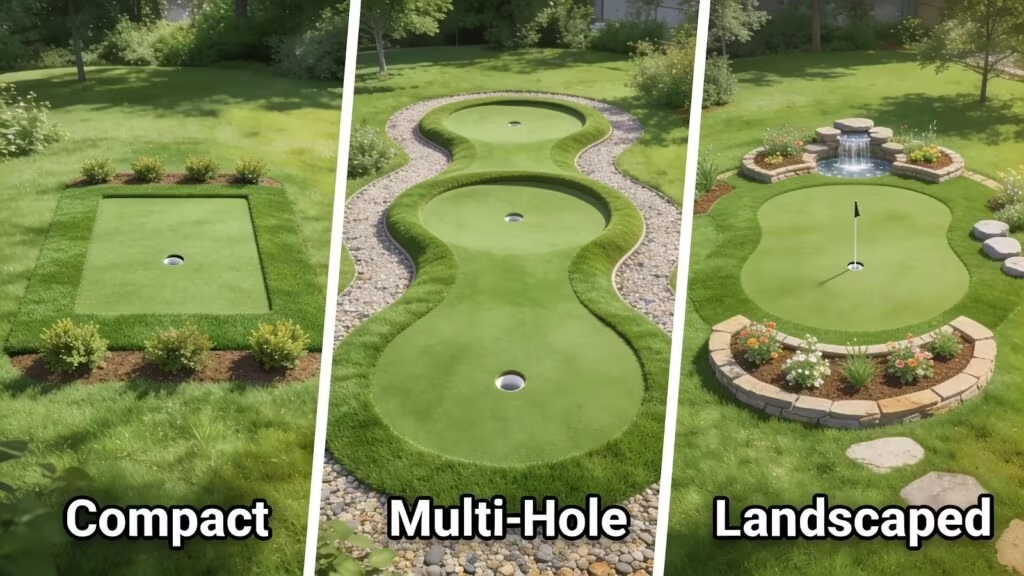
Design selection depends on available space, intended use, and desired difficulty. Common concepts include compact practice greens, multi‑hole layouts for varied play, and designs that integrate beds, pathways, or visual features to blend with landscape architecture.
- Compact Corner Green: Ideal for small backyards, this design maximizes space while allowing room for practice.
- Multi-Hole Layout: For more extensive properties, a multi-hole layout presents distinct challenges and makes the space inviting for family and friends.
- Turf with Landscaping Features: Integrating landscaping elements can enhance the putting green’s aesthetic appeal and functionality.
Choose a design that meets your practice goals while fitting the site constraints and overall landscape composition.
Choosing the Right Turf:
Turf selection determines ball roll, surface consistency, and longevity. Specify materials and performance metrics—pile height, yarn composition, UV stability, and drainage—before committing to a product.
- Professional-Grade Putting Green Turf: Specifically designed for golf applications, offering the best performance for ball roll and durability.
- Hybrid Turf: Combines natural grass with synthetic fibers, delivering a realistic feel while easing maintenance requirements.
- Durability Considerations: Look for turf that can withstand heavy foot traffic, UV exposure, and varying weather conditions to ensure longevity.
Artificial Turf Express supplies a range of professional putting green products engineered for predictable ball roll and durability. Review their product specifications to match material properties to your performance goals.
| Turf Type | Feature | Benefit |
|---|---|---|
| Professional-Grade | Optimal ball roll | Enhanced gameplay experience |
| Hybrid | Realistic feel | Reduced maintenance needs |
| Durable | Weather resistance | Longevity in various climates |
Selecting the correct product specification—rather than focusing only on price—has the greatest impact on long‑term satisfaction and performance.
Installation Tips:
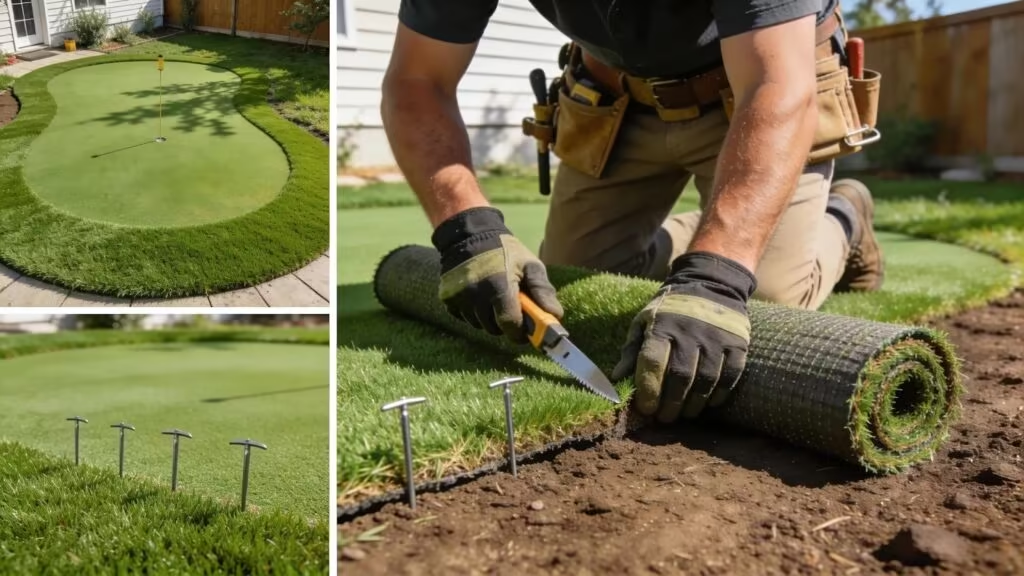
Proper installation defines performance. Plan site grading, sub‑base composition, and membrane usage to ensure a stable surface, consistent ball roll, and effective drainage.
- Site Preparation: Clear the area of debris and ensure a level surface for optimal performance.
- Base Layer Installation: A stable base layer made of crushed rock ensures proper drainage and supports the turf.
- Turf Installation: Once the base is ready, lay down the turf, ensuring there are no wrinkles or uneven sections.
Follow these steps and refer to product installation guides or professional installers to achieve a durable, true‑rolling green.
Which Installation Supplies and Materials Does Artificial Turf Express Provide?
Successful installs require matched materials. Artificial Turf Express offers putting‑grade turf, cutting and fastening tools, and compatible infill and adhesives specified for green performance.
- Turf Types: Professional-grade turf specifically designed for putting greens.
- Necessary Tools: Tools required for cutting, fastening, and securing the turf.
- Accessories: Infill materials and adhesives that optimize turf performance and longevity.
Using manufacturer‑recommended supplies reduces installation errors and helps ensure the finished surface meets design specifications.
How to Install a DIY Backyard Putting Green: Essential Steps and Tips
A DIY approach is feasible with careful planning and the right materials. Confirm dimensions, acquire specified turf and base materials, and follow a stepwise installation process to control quality.
- Planning and Design: Outline the dimensions and layout of your putting green.
- Gather Tools and Materials: Ensure you have everything you need before starting.
- Prepare the Ground: Clear and level the area, then install a good base layer.
- Lay the Turf: Carefully place and secure the turf, ensuring smooth and tight seams.
- Infill the Turf: Spread infill material to weigh the turf down and provide a realistic playing surface.
Diligent preparation and adherence to installation tolerances produce a personalized green that meets playability and durability targets.
Maintenance Advice:
Routine maintenance preserves playability and extends service life. Establish an inspection and cleaning protocol based on use intensity and local conditions.
- Regular Upkeep: Schedule frequent inspections and minor cleanings to keep the surface free from debris.
- Cleaning: Use a leaf blower or broom to remove leaves and trash that accumulate on the surface.
- Inspection: Regular checks for damage and wear can help avoid larger issues down the line.
Consistent upkeep reduces degradation, maintains consistent ball roll, and delays the need for repairs or replacement.
What Maintenance Practices Ensure Longevity and Performance of Artificial Putting Greens?
Key practices improve longevity: remove debris, maintain seam integrity, and repair localized damage before it spreads. Keep a log of inspections and interventions to track surface condition.
- Routine Cleaning: Keep debris off the surface using vacuums or blowers specifically designed for synthetic turf.
- Repair Methods: Address any damaged areas promptly to maintain appearance and functionality.
- Frequency of Upkeep: Establish a maintenance schedule that fits your lifestyle, though regular checks every few weeks are advised.
Documented, regular maintenance ensures the green retains aesthetic and functional performance over its expected service life.
Additional Considerations:
Before starting, define budget constraints and your installation approach; these factors determine material choices, contractor selection, and project scope.
- Budgeting: Determine your budget early in the process to guide your decisions on turf, design, and installation.
- DIY Skills: Assess whether you will handle the installation yourself or hire a contractor based on your experience.
Clear decisions on budget and skill level guide design trade‑offs and help avoid scope creep during installation.
Why Choose Artificial Turf for Your San Jose Backyard Putting Green?
Artificial turf offers measurable advantages for home greens: resilient surfaces that tolerate heavy use, significant reductions in irrigation and mowing, and a consistently green appearance year‑round.
- Durability: Artificial turf withstands heavy use without requiring significant repairs, providing long-lasting enjoyment.
- Low Maintenance: Unlike natural grass, synthetic options eliminate the need for watering, mowing, or fertilizing, significantly reducing upkeep time.
- Aesthetic Appeal: Artificial greens create a lush, green surface year-round, enhancing your home’s visual appeal.
- Cost-Effectiveness: While initial investments may be higher, reduced maintenance and water costs yield savings over time.
When specified and installed correctly, artificial turf maximizes playtime and minimizes routine maintenance without sacrificing performance.
What Technical Features Optimize Artificial Turf for Golf Putting Greens?
Focus on material composition (polyethylene vs. polypropylene), pile height and density, backing systems, and drainage design. Each parameter affects ball roll, surface friction, and durability.
- Material Types: Opt for high-quality materials that resist wear and tear while maintaining appearance.
- Pile Height: Shorter pile heights often offer better performance for golf greens, allowing for improved ball roll.
- Drainage Capabilities: Effective drainage is crucial to maintain turf quality and usability after rain.
Evaluating these technical specs against performance criteria ensures the turf you select meets your playability objectives.
How Does Synthetic Turf Enhance the Backyard Golf Experience in the Bay Area?
Synthetic turf delivers on convenience, consistent surface characteristics, and lower operating costs—factors that make at‑home practice practical and predictable throughout the year.
- Convenience for Practice: Homeowners enjoy easy access to a professional-grade green anytime they want to practice.
- Cost Savings: By reducing water use and maintenance costs, homeowners save money in the long term.
- Consistent Playing Surface: Artificial grass provides a uniform playing surface, leading to a better overall experience.
- Year-Round Use: Synthetic turf allows for constant play, regardless of seasonal changes.
These attributes make synthetic turf a practical choice for golfers seeking reliable practice surfaces at home.
What Are the Costs and Economic Benefits of Installing Backyard Putting Greens in San Jose?
A custom putting green is an upfront investment that reduces recurring costs for water and lawn care. Consider initial installation, expected lifespan, and lower operating expenses when evaluating return on investment.
- Installation Costs: Installation requirements for custom artificial putting greens in San Jose vary with factors such as project size, design complexity, site conditions, and selected materials.
- Water Conservation: Synthetic turf reduces the amount of water needed for upkeep, translating to savings on monthly bills.
- Long-Term Savings: Fewer maintenance needs lead to lower ongoing costs.
When modeled over the turf’s service life, reduced water and maintenance costs often offset the initial installation expense.
What Is the Average Installation Cost for Custom Artificial Putting Greens in San Jose?
Installation requirements vary with the project’s size, layout, and complexity, as well as the design features and material specifications selected for the custom artificial putting green.
How Do Water Conservation and Low Maintenance Lower Long-Term Costs?
Artificial turf eliminates regular irrigation and reduces routine services, which lowers utility and maintenance expenses. These reductions contribute to household savings and support local water‑conservation goals.
What Local Climate Factors Affect Artificial Turf Performance and Installation in the San Jose Bay Area?
Local climate affects material selection and installation details. Account for temperature ranges, humidity, and peak rainfall when specifying backing, drainage capacity, and UV stabilization.
- Temperature Variations: Fluctuating temperatures can affect the performance and durability of various turf types.
- Humidity Levels: Moderate humidity, typically present in San Jose, can affect turf drainage and maintenance needs.
- Drainage Needs: Proper drainage assessment is essential for installation, especially in regions with heavy rainfall.
Incorporating local climate data into design and material choices reduces the risk of premature wear and ensures consistent performance.
How Does Bay Area Weather Influence Synthetic Turf Durability and Use?
Bay Area weather—seasonal temperature swings and sunlight exposure—affects UV degradation and material expansion. Quality turf products include UV stabilizers and engineered backing to mitigate these effects and preserve appearance and function.
What Installation Adjustments Are Needed for San Jose’s Landscape Conditions?
Adjustments may include deeper compaction of the base, specific aggregate blends for drainage, and tailored grading to account for local soil and slope conditions.
- Site Preparation: Assessing soil quality and adequately preparing the site to support the turf.
- Base Layer Selection: Choosing the right materials to ensure durability based on local soil conditions.
- Material Durability: Selecting turf options that can withstand the demands of the local climate
These installation refinements improve surface stability, drainage, and long‑term durability in local conditions.
For detailed product data and service options, visit Artificial Turf Express to review specifications and installation services.
To discuss project specifics, request a consultation with the team at Artificial Turf Express for personalized guidance on materials and installation.
Frequently Asked Questions
1. What are the environmental benefits of using artificial turf for backyard putting greens?
Artificial turf reduces potable water use because it does not require irrigation, which can produce substantial savings in drought‑prone areas. It also eliminates the need for herbicides and pesticides, reducing the risk of chemical runoff. These changes support local conservation goals and reduce ongoing landscape inputs.
2. Can I customize the design of my putting green?
Yes. Putting greens are highly customizable: you can specify size, slope, hole placement, and landscape integrations such as bunkers or edging. Work with a designer or installer to translate playability goals into constructible specifications.
3. How do I ensure my putting green is safe for children and pets?
Specify non‑toxic turf materials and ensure seams and edges are finished flush to avoid trip hazards. Regular cleaning and prompt repairs keep the surface safe; consider defined play zones to separate pets and children from equipment or chemicals.
4. What is the average lifespan of artificial turf used in putting greens?
Typical service life ranges from about 15 to 25 years, depending on product quality, UV stabilization, use intensity, and maintenance. Professional‑grade greens designed for golf generally deliver the longest, most reliable performance.
5. Are there any local regulations regarding the installation of artificial turf?
Local codes and homeowners’ association rules may affect turf installations, including requirements related to water use and landscape appearance. Verify municipal regulations and any HOA covenants before starting the project to ensure compliance.
6. How does synthetic turf perform in different weather conditions?
Quality synthetic turf is engineered with UV inhibitors and drainage systems to perform in heat, rain, and cooler conditions. Select products specified for local climate stresses to ensure consistent playability and longevity across seasons.
7. Can I install a putting green on uneven terrain?
Yes, but uneven sites require extra preparation: grading, a designed base layer, and possibly retaining or drainage modifications to achieve a stable, level putting surface. Consult an installer to determine the necessary corrective measures for your site.
Conclusion
Converting a San Jose backyard into a functional putting green is achievable with the right turf specifications and installation approach. Artificial turf delivers durable, low‑maintenance surfaces and reduces water use when properly selected and installed. Choose quality materials, follow best practices during installation, and maintain the surface to ensure reliable performance. Start planning with clear specifications, and consult professionals to align product properties with your playability and longevity objectives.


