

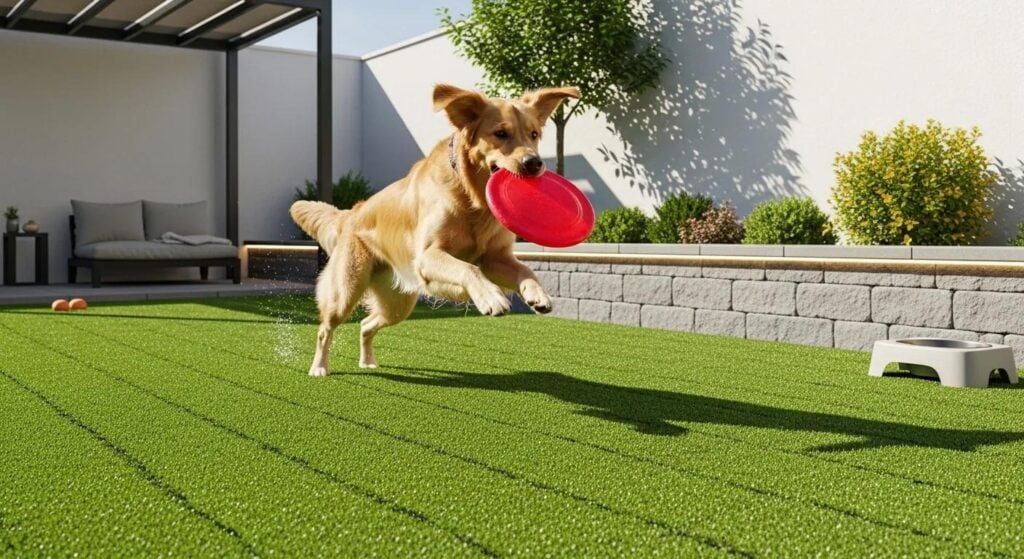
Dog owners in San Jose face specific maintenance and hygiene challenges. High-drainage artificial grass addresses these by combining durable fiber systems with engineered drainage layers to reduce standing water, control odors, and simplify cleaning. This guide explains product options, installation steps, and routine maintenance so you can choose and manage turf that keeps pets safe and outdoor areas low-maintenance.
Designing a pet-friendly outdoor space requires evaluating the full landscape—turf, plant selection, shade, and water access—not just the grass product.
Pet-Friendly Garden Design & Safe Grass Areas
This study examines the landscape design process for detached residential gardens to help pet owners create spaces that are both safe and attractive. It focuses on which plants are beneficial or harmful to animals and gives guidance on avoiding toxic species. The research details how to optimize plant selection for pet needs—defining grass areas, play and exercise zones, shade, and water sources—and highlights the health benefits of sustainable landscaping practices.
LANDSCAPE DESIGN PROCESSES FOR DETACHED RESIDENTIAL GARDEN FOR PET OWNERS, A SAĞLIK, 2024
The article covers: an overview of high-drainage turf, durable, pet-friendly turf types, key installation considerations, maintenance protocols, and the benefits for dog owners. It also explains how drainage prevents urine damage and odors, which materials and technologies define pet-grade turf, and recommended installation and upkeep practices.
Comprehensive Guide to High-Drainage Artificial Grass Solutions for Dog Owners in San Jose
High-drainage artificial grass is engineered to manage pet waste and surface water efficiently. Typical systems combine permeable backings, aggregate base layers, and rapid-flow drainage to minimize puddling and odor retention. For dog owners, this translates to a cleaner surface, faster drying times, and a reduced risk of bacterial growth.
Core benefits are lower maintenance, improved longevity, and consistent appearance. With the correct turf specification, you get a green, usable yard year-round without the routine care required by natural lawns.
Durable, Pet-Friendly Synthetic Turf Options
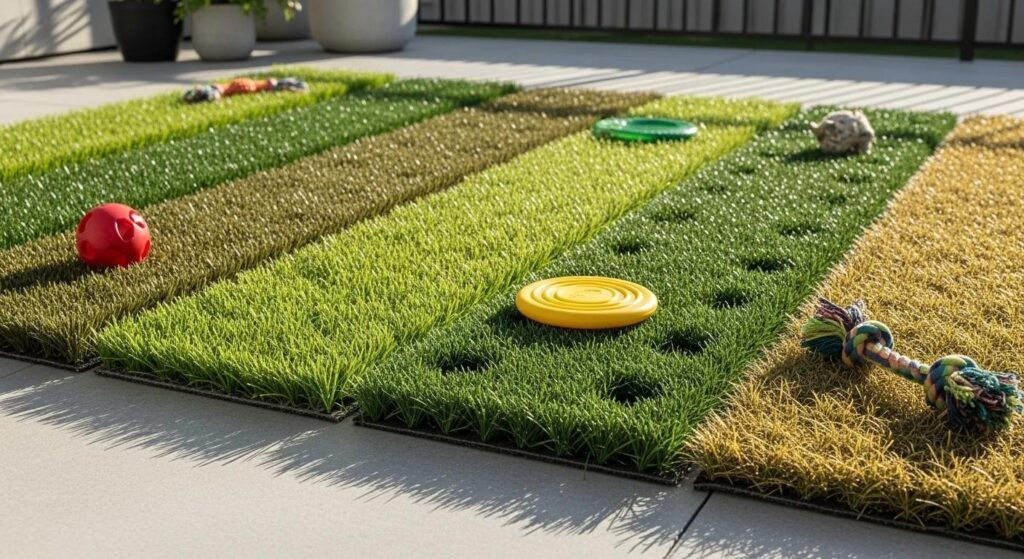
Choose turf options based on drainage performance, fiber durability, and material safety. Below are common types well-suited for pets.
- Pet-Specific Turf: Designed with enhanced drainage, this turf allows for quick water runoff and minimizes odor retention.
- High-Drainage Turf: Features a specialized backing and drainage layer that promotes efficient water flow, making it ideal for areas with heavy pet use.
- Non-Toxic Materials: Ensure the synthetic grass is made from safe, non-toxic materials to protect your pets from harmful chemicals.
These options form the technical baseline for a pet-safe, low-maintenance landscape that also meets aesthetic expectations.
Installation Considerations
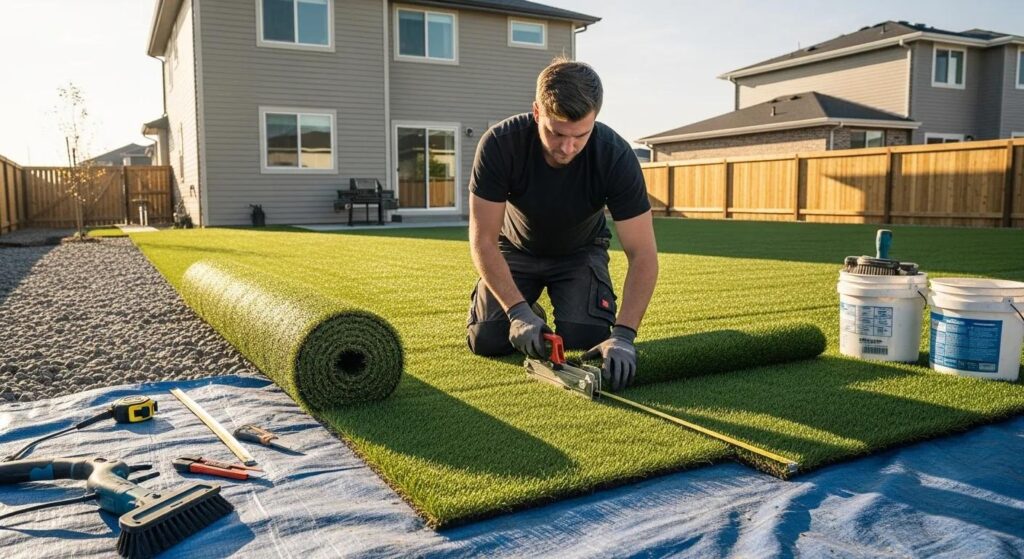
Correct installation determines long-term drainage and performance. Key actions include precise grading, selecting appropriate base materials, and using a permeable backing or drainage mat.
- Site Preparation: Properly prepare the area by removing existing grass and debris and ensuring a level surface for installation.
- Drainage Layer: Incorporate a drainage layer beneath the turf to facilitate runoff and prevent pooling.
- Installation Techniques: Follow best practices for securing the turf, including using appropriate adhesives and tools to ensure a durable installation.
Following these installation steps helps ensure the turf drains as specified and resists premature wear.
Maintenance Tips
Routine maintenance preserves drainage performance and hygiene. Focus on quick waste removal, regular rinsing, and periodic inspections of seams and backing.
- Regular Cleaning: Remove pet waste promptly and clean the turf regularly to prevent odor and bacterial buildup.
- Odor Control Techniques: Use pet-safe cleaning solutions to eliminate odors and keep the environment fresh.
- Inspection Frequency: Regularly inspect the turf for signs of wear or damage, and address issues promptly to prolong its lifespan.
Implementing these practices maintains appearance, reduces odor issues, and extends product life.
Benefits for Pet Owners
High-drainage turf offers practical advantages for dog owners: resilient surfaces for play, easier cleaning, and reliable year-round use regardless of the weather.
- Durability: Designed to withstand heavy foot traffic and pet activity, high-drainage turf maintains its appearance and functionality over time.
- Easy Clean-Up: The drainage capabilities of synthetic grass make it easy to clean up after pets, reducing the time and effort required for maintenance.
- All-Weather Performance: High-drainage turf remains functional in various weather conditions, ensuring a safe and enjoyable space for pets year-round.
These performance benefits justify the initial investment for owners seeking lower upkeep and consistent outdoor usability.
| Benefit | Description | Value |
|---|---|---|
| Durability | Withstands heavy use and maintains appearance | Long-lasting |
| Easy Clean-Up | Facilitates quick waste removal | Time-saving |
| All-Weather Performance | Functions well in various conditions | Year-round usability |
What Are the Key Benefits of High-Drainage Artificial Turf for Dog Owners in San Jose?
For San Jose dog owners, high-drainage turf addresses local needs by resisting moisture retention, reducing odors, and withstanding active pets. These features improve yard usability and lower maintenance time.
- Durability Against Wear: The robust construction of high-drainage turf ensures it can withstand wear and tear from active pets, maintaining its integrity over time.
- Odor Control: Advanced drainage systems help prevent the buildup of pet odors, creating a more pleasant environment for both pets and their owners.
- Pet Safety Features: Many high-drainage turfs are made from non-toxic materials, ensuring a safe play area for dogs.
These points underscore why specifying drainage performance and material safety should guide your turf selection.
To explore a wide range of options, consider visiting the “Artificial Turf Express products” products page.
How Does High-Drainage Turf Prevent Pet Urine Damage and Odors?
High-drainage turf routes urine through the fiber and backing into the sub-base, reducing surface pooling and odor-holding capacity. Many systems add antimicrobial agents to the fiber or infill to limit bacterial growth and associated odors.
Why Is Durability Essential for Pet-Friendly Synthetic Grass?
Durability matters because active pets generate repeated abrasion and impact. Durable fibers resist matting and fiber breakage, keeping the surface safe and reducing trip hazards. A longer service life also reduces replacement frequency and life-cycle cost.
Which Materials and Technologies Define Pet-Friendly Synthetic Grass?
Pet-grade turf combines safe polymers, engineered backings, and targeted infill. Key design elements include non-toxic polymers, high-permeability backings, and antimicrobial treatments to control bacterial growth and odor.
- Non-Toxic Materials: Ensure the turf is made from safe, non-toxic materials to protect pets.
- Effective Drainage Systems: Advanced drainage technologies enable rapid water runoff, preventing pooling and odors.
- Antimicrobial Properties: Many synthetic grasses incorporate antimicrobial agents to reduce bacterial growth and odors.
These components work together to deliver reliable drainage, hygiene, and pet safety.
What Are the Best Turf Materials for Drainage and Pet Safety?
Select materials based on expected traffic and drainage needs. Polyethylene offers a balance of softness and durability, and a perforated or porous backing improves water flow into the base.
- Polyethylene: Known for its durability and softness, it is a popular choice for pet-friendly turf.
- Rubber Backing: Provides enhanced drainage and stability, ensuring the turf remains securely in place.
Choosing the correct material mix optimizes both comfort and drainage performance.
How Do Antimicrobial Infill and Eco-Friendly Components Enhance Turf Performance?
Antimicrobial infill reduces bacterial growth and odors; eco-friendly components, such as recycled content, lower environmental impact while maintaining durability. Together, they support a cleaner, more sustainable turf system.
How to Install High-Drainage Artificial Grass in the Bay Area: Step-by-Step Guide
Successful installation requires site grading, a permeable base, accurate turf placement, and secure seaming. Each step affects drainage, longevity, and safety.
- Site Preparation: Clear the area of existing grass and debris to ensure a level surface.
- Base Layer Installation: Lay down a base layer of crushed rock or gravel to promote drainage.
- Turf Placement: Roll out the synthetic grass and secure it in place with appropriate adhesives.
- Finishing Touches: Trim excess turf and add infill as needed to enhance stability and performance.
Follow these steps to achieve the designed drainage capacity and a durable finish.
What Are the Best Practices for Installing Drainage Systems Under Synthetic Grass?
Effective drainage starts with assessing existing site drainage and selecting a graded, permeable base. Slope, base compaction, and channeling all influence runoff speed and reliability.
- Assess Existing Drainage: Evaluate the current drainage system to identify any necessary improvements.
- Base Material Selection: Choose appropriate base materials that promote drainage, such as crushed stone or gravel.
- Slope Requirements: Ensure the installation area has a slight slope to facilitate water runoff.
Applying these best practices reduces the risk of standing water and preserves turf function.
Effective drainage is a core design requirement for artificial turf and often involves engineered layers and hydraulic planning.
Artificial Turf Field Drainage System Design
The drainage system comprised lateral drainage channels across the pitch width at 10 m intervals, approximately 300 mm deep, with 80 mm diameter perforated pipes installed.
Artificial turf field–A new build case study, P Fleming, 2016
Which Tools and Adhesives Are Recommended for Durable Installation?
Use sharp cutting tools, manufacturer-approved turf adhesive, and durable seaming tape. Proper tools ensure clean cuts, strong joins, and stable edges that resist pet activity.
- Utility Knife: For cutting turf to size.
- Turf Adhesive: A strong adhesive specifically designed for synthetic grass.
- Seaming Tape: To securely join sections of turf together.
Using the correct tools and adhesives reduces seam failures and extends the life of the installation.
How to Maintain and Clean Synthetic Grass for Optimal Drainage and Pet Hygiene
Maintain drainage and hygiene by regularly rinsing, promptly removing waste, and periodically deep-cleaning with pet-safe products. Keep infill levels and seams inspected to preserve permeability.
- Regular Cleaning: Remove pet waste promptly and rinse the turf with a hose to prevent odors.
- Prompt Waste Removal: Address any waste immediately to minimize bacterial growth.
- Inspection Frequency: Regularly check for signs of wear or damage to the turf.
These maintenance steps sustain drainage performance and reduce odor and bacterial risks.
What Are Effective Maintenance Techniques for Pet Turf Drainage?
Preserve drainage by preventing debris buildup, maintaining infill distribution, and clearing blockages in perimeter drains. Scheduled inspections catch issues early.
- Regular Cleaning: Clean the turf regularly to prevent debris buildup that can obstruct drainage.
- Prompt Waste Removal: Remove pet waste immediately to minimize odors and bacteria.
- Inspection Frequency: Regularly inspect the turf for signs of damage or wear.
Consistent upkeep ensures the turf continues to drain as designed and remains hygienic.
How to Address Common Cleaning Challenges with Dog-Friendly Turf?
Common cleaning challenges—odors, stains, and clogged drains—are managed through immediate waste removal, targeted cleaning products, and periodic deep rinses or pressure-assisted cleaning, where appropriate.
- Immediate Cleanup Techniques: Address waste promptly to prevent odors and staining.
- Recommended Products: Use pet-safe cleaning products to maintain hygiene without harming your pets.
- Maintenance Tips: Regularly inspect and clean the turf to keep it in good condition.
Applying these strategies reduces recurring problems and keeps the turf sanitary and attractive.
How to Choose the Best Artificial Grass Products for Dogs in San Jose
Select products by comparing drainage rating, fiber denier (thickness), UV stability, and material safety. Prioritize systems engineered for pet use and backed by clear specifications and warranties.
- Durability Considerations: Look for products designed to withstand heavy use and maintain their appearance.
- Drainage Capabilities: Ensure the turf has effective drainage to prevent pooling and odors.
- Material Safety: Choose non-toxic materials to ensure your pets’ safety.
Using these guidelines helps you compare products objectively and choose a turf that meets your performance needs.
What Product Specifications Should Contractors and DIY Homeowners Consider?
Contractors and DIYers should review fiber type, pile height, stitch rate, backing permeability, warranty terms, and recommended base build. These specs predict durability, comfort, and drainage performance.
- Material Durability: Look for products with high durability ratings to ensure longevity.
- Drainage Capabilities: Ensure the turf has effective drainage to prevent pooling.
- Maintenance Requirements: Consider the turf’s maintenance needs to ensure it remains in good condition.
Evaluating these specifications will guide material selection and installation planning.
How Do Warranty, Durability Ratings, and Pet Safety Certifications Impact Selection?
Warranties indicate the manufacturer’s confidence; durability ratings and independent safety certifications validate the expected lifespan and non-toxicity. Use all three to compare product reliability and risk.
What Are Recent Case Studies and Customer Experiences with Pet Turf in San Jose?
Recent case studies and customer reports show that high-drainage turf reduces maintenance time and improves yard usability. Homeowners cite easier cleaning and better aesthetics as primary benefits in local installations.
How Have Local Installations Demonstrated Drainage and Durability Performance?
Local projects demonstrate that correctly installed high-drainage systems minimize pooling and odor issues. Customers report durable surfaces that withstand active pet use when base design and materials match the specification.
What Do San Jose Dog Owners Say About Their Synthetic Grass Solutions?
San Jose owners report higher satisfaction due to lower maintenance and improved cleanliness. Where proper drainage and material choices were made, common issues such as odor and standing water were substantially reduced.
For more information or to “contact Artificial Turf Express”, visit their website.
Frequently Asked Questions
What is the lifespan of high-drainage artificial grass?
The typical lifespan of high-drainage artificial grass is 15 to 25 years, depending on traffic, installation quality, and maintenance. Regular cleaning and inspections extend service life; choosing pet-grade products designed for heavy use improves longevity.
How does high-drainage artificial grass compare to natural grass for dogs?
High-drainage turf requires less routine care—no mowing or watering—and offers a consistent surface that resists mud and pests. Properly designed synthetic systems also control moisture and odors better than natural grass, which can retain water and bacteria.
Can high-drainage artificial grass be installed over existing grass?
Installing over existing grass is technically possible, but not recommended. Proper performance requires removing the underlying turf and preparing a stable, graded base to prevent unevenness, drainage failures, and regrowth beneath the synthetic surface.
What are the environmental impacts of using synthetic grass?
Synthetic grass reduces water use and the need for pesticides, but production and disposal raise environmental concerns. Selecting turf with recycled content and recyclable components helps mitigate impacts and supports sustainable landscaping choices.
How can I ensure my dog is safe on synthetic grass?
Ensure safety by choosing non-toxic materials, regularly inspecting seams and edges, and maintaining cleanliness through prompt waste removal and pet-safe cleaners. Address any wear promptly to avoid hazards.
What should I do if my synthetic grass develops odors?
Start with thorough cleaning: remove waste, rinse the area, and use a pet-safe odor neutralizer. For persistent odors, perform a deeper clean of the infill and verify that drainage and base layers are functioning correctly.
Are there any specific brands recommended for high-drainage artificial grass?
Choose brands known for pet-friendly products and clear specifications—examples include Pet Turf, EasyTurf, and Artificial Turf Express. Compare product data, warranties, and customer reviews to identify the best match for your needs.
Conclusion
High-drainage artificial grass gives San Jose dog owners a durable, low-maintenance option that improves hygiene and yard usability. When specified and installed correctly, these systems manage pet waste and odors while providing reliable, year-round performance. Review product specifications and maintenance requirements to select the right turf for your property.


