Frequently Asked Questions
How to install artificial turf?
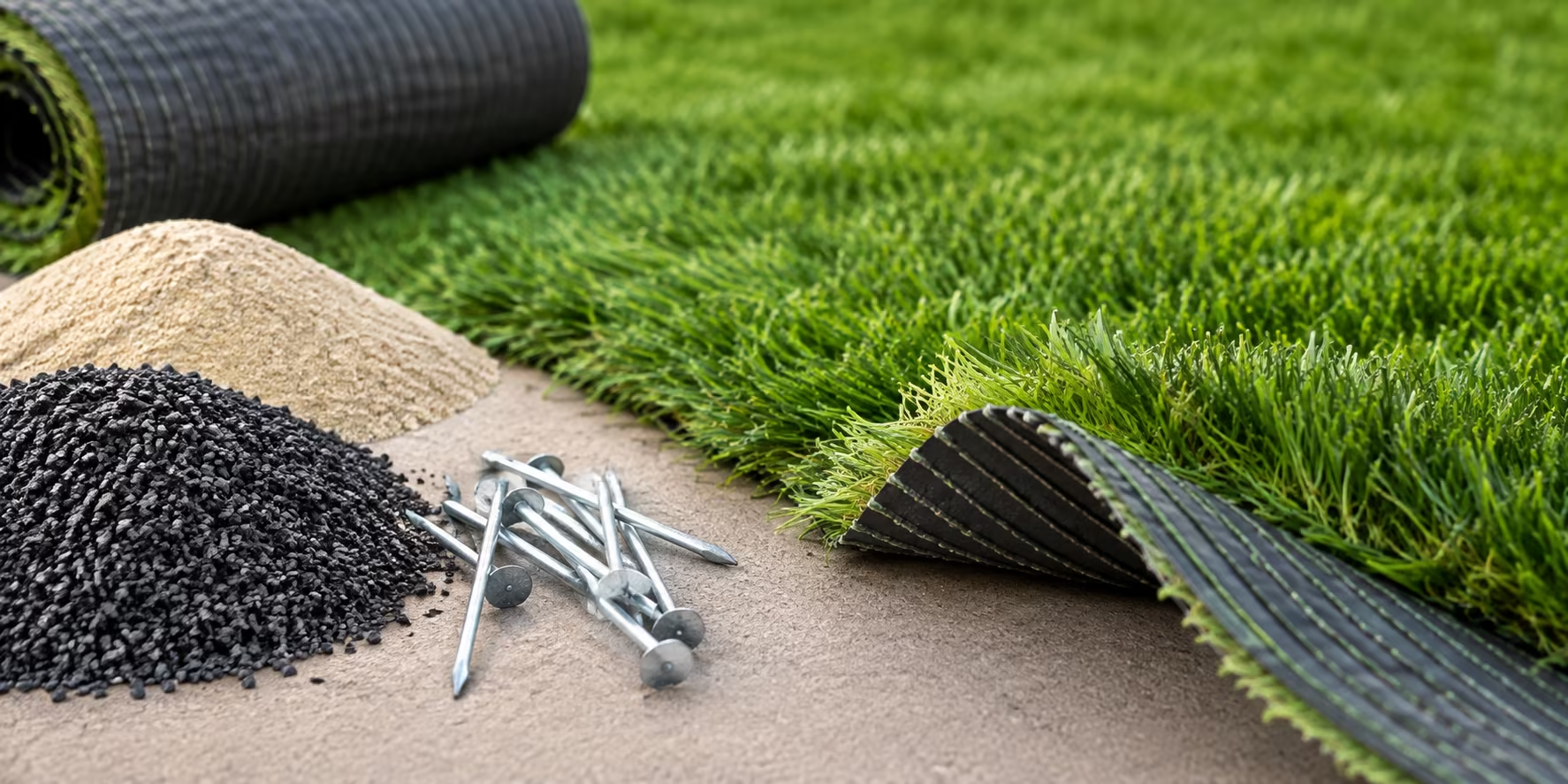
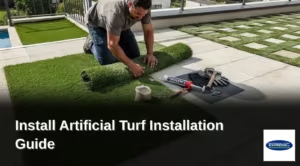
Installing artificial turf involves preparing the area by removing existing grass and debris, leveling the ground, laying a weed barrier, and securing the turf with adhesive or stakes. Finally, infill the turf for stability and a natural look.
How to lay artificial turf?
Laying artificial turf involves preparing the area by clearing debris, leveling the ground, and installing a weed barrier. Then, cut and lay the turf, ensuring seams are tight, and secure it with stakes or adhesive. Finally, infill with sand for stability.
How do you install artificial turf?
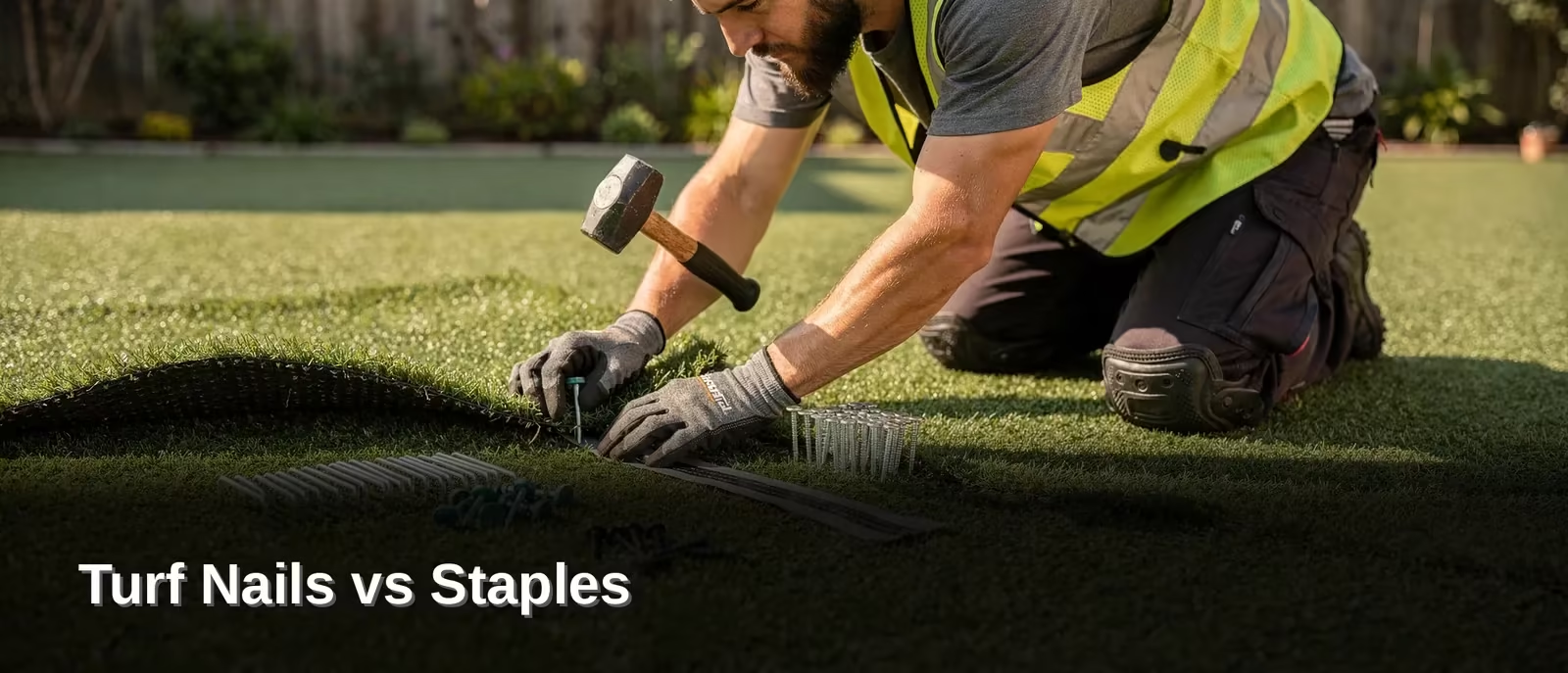
Installing artificial turf involves preparing the area by removing existing grass and debris, leveling the ground, laying a weed barrier, and securing the turf with nails or adhesive. Finally, infill the turf for stability and a natural look.
How to fit artificial grass?
Fitting artificial grass involves preparing the area by clearing debris and leveling the ground, laying a weed barrier, and then cutting and securing the turf in place with adhesive or nails, ensuring proper drainage and alignment for a seamless finish.
How to install synthetic turf?
Installing synthetic turf involves several key steps: first, clear the area of debris and vegetation, then level the ground, followed by laying a weed barrier. Next, spread a base material, compact it, and finally, roll out the turf, securing it with nails or adhesive.
How to put artificial turf?
Putting down artificial turf involves preparing the area by clearing debris, leveling the ground, and installing a weed barrier. Then, roll out the turf, cut it to fit, and secure it with stakes or adhesive for a seamless finish.
How do you install artificial grass?
Installing artificial grass involves preparing the area by clearing debris, leveling the ground, and laying a weed barrier. Then, secure the turf with adhesive or nails, ensuring proper seams and drainage before infilling for stability.
How to install artificial grass?
Installing artificial grass involves preparing the area by clearing debris, leveling the ground, and laying a weed barrier. Next, secure the turf with adhesive or nails, ensuring seams are tight, and finally, infill with sand for stability and a natural look.
What tools are needed for turf installation?
The tools needed for turf installation include a utility knife for cutting, a shovel for digging, a rake for leveling, a roller for compacting, and a measuring tape for accurate measurements.
How to prepare the ground for turf?
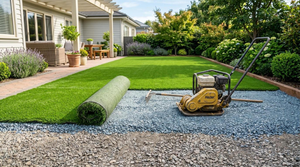
Preparing the ground for turf involves clearing the area of debris, leveling the soil, and ensuring proper drainage. Additionally, compacting the soil and adding a base layer of crushed stone can enhance stability and promote healthy turf growth.
What is the best type of turf?
The best type of turf depends on your specific needs, but for pet owners, high-quality, durable synthetic turf designed for heavy foot traffic is ideal. Look for options that are easy to clean and safe for pets.
How to ensure proper drainage for turf?
Ensuring proper drainage for turf involves installing a well-graded base, using perforated pipes or drainage mats, and maintaining a slight slope away from structures. This helps prevent water accumulation and keeps the turf dry and functional.
What are common mistakes in turf installation?
Common mistakes in turf installation include improper ground preparation, inadequate drainage, and failing to secure seams correctly. These errors can lead to uneven surfaces, water pooling, and premature wear of the turf.
How to maintain artificial turf after installation?
Maintaining artificial turf after installation involves regular brushing to keep the fibers upright, rinsing to remove debris, and checking for any damage. Additionally, ensure proper drainage and infill replenishment as needed to maintain its appearance and functionality.
What is the lifespan of artificial turf?
The lifespan of artificial turf typically ranges from 10 to 15 years, depending on factors like quality, maintenance, and usage. Proper care can extend its durability, making it a long-lasting solution for pet owners and homeowners.
How to clean artificial grass effectively?
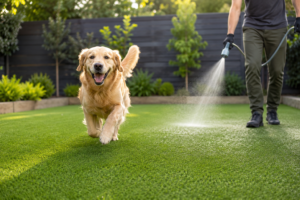
Cleaning artificial grass effectively involves regularly removing debris, hosing it down to eliminate dirt, and using a mild detergent for stubborn stains. For pet owners, ensure to rinse thoroughly to maintain hygiene and freshness.
Can artificial turf be installed over concrete?
Artificial turf can be installed over concrete. This method provides a durable and low-maintenance surface, making it an excellent option for creating a pet-friendly area or enhancing outdoor spaces. Proper preparation and drainage are essential for optimal results.
What is the cost of installing artificial turf?
The cost of installing artificial turf varies based on factors like the size of the area, the type of turf selected, and installation complexity. On average, homeowners can expect to pay between $5 to $20 per square foot.
How to edge artificial turf properly?
Properly edging artificial turf involves using landscape edging materials to create a clean border, ensuring the turf is securely held in place. Dig a trench, insert the edging, and fill gaps with soil or gravel for stability and a polished look.
What are the benefits of synthetic turf?
The benefits of synthetic turf include its low maintenance requirements, durability, and pet-friendly nature. It provides a clean, green space for pets and homeowners while eliminating the need for mowing, watering, and pesticides.
How to install turf around obstacles?
Installing turf around obstacles requires careful cutting and fitting. Measure the area around the obstacle, then cut the turf to fit snugly, ensuring edges are secured with adhesive or staples for a seamless look.
What is the best infill for artificial turf?
The best infill for artificial turf is typically a mix of silica sand and rubber granules. This combination provides excellent drainage, cushioning, and stability, ensuring a comfortable and durable surface for both pets and homeowners.
How to prevent weeds in artificial grass?
Preventing weeds in artificial grass involves proper installation and maintenance. Ensure a weed barrier is laid beneath the turf, and regularly clean the surface to remove debris that can promote weed growth.
How to install turf for a dog run?
Installing turf for a dog run involves preparing the area by clearing debris, leveling the ground, and laying a weed barrier. Then, roll out the artificial turf, securing it with stakes or adhesive, and ensure proper drainage for a safe and comfortable space for your pets.
What is the difference between turf types?
The difference between turf types lies in their materials, durability, and intended use. For example, nylon turf is highly durable and suitable for high-traffic areas, while polyethylene offers a softer feel, ideal for residential lawns and pet areas.
How to fix seams in artificial turf?
Fixing seams in artificial turf involves aligning the edges, applying adhesive, and securing them with seam tape. Ensure the area is clean and dry for a strong bond, allowing it to cure properly for a seamless finish.
How to install turf on a slope?
Installing turf on a slope requires careful preparation. Begin by leveling the area and creating a solid base with crushed rock or gravel. Then, secure the turf using stakes or adhesive to prevent slippage, ensuring proper drainage to maintain stability.
What maintenance is required for synthetic grass?
The maintenance required for synthetic grass includes regular brushing to keep the fibers upright, occasional rinsing to remove debris and pet waste, and periodic infill replenishment to maintain cushioning and stability.
How to choose the right turf color?
Choosing the right turf color is essential for enhancing your outdoor space. Consider factors like your home's exterior, landscaping, and personal style to select a shade that complements your environment and meets your aesthetic preferences.
How to install turf in a small yard?
Installing turf in a small yard involves measuring the area, preparing the ground by removing existing grass and debris, leveling the soil, and then laying the turf rolls tightly together, securing them with adhesive or nails for a seamless finish.