Frequently Asked Questions
How can I install artificial turf myself?
Installing artificial turf yourself is achievable with our comprehensive DIY guide, offering step-by-step instructions and expert tips for a professional finish.
What are the benefits of using artificial grass?
The benefits of using artificial grass include significant cost savings on maintenance, enhanced safety for children and pets, and environmental advantages like water conservation.
Where can I find a comprehensive guide for turf installation?
You can find a comprehensive guide for turf installation on our website, complete with all the tips and steps needed for a successful DIY project.
What tips do you have for achieving a professional finish with artificial turf?
Achieving a professional finish with artificial turf involves meticulous preparation, proper seaming techniques, and precise edging for a seamless, natural look.
How can I save costs when installing artificial turf?
You can save costs when installing artificial turf by doing it yourself! Our comprehensive DIY guide provides all the tips and instructions needed for a professional finish.
What tools are needed for turf installation?
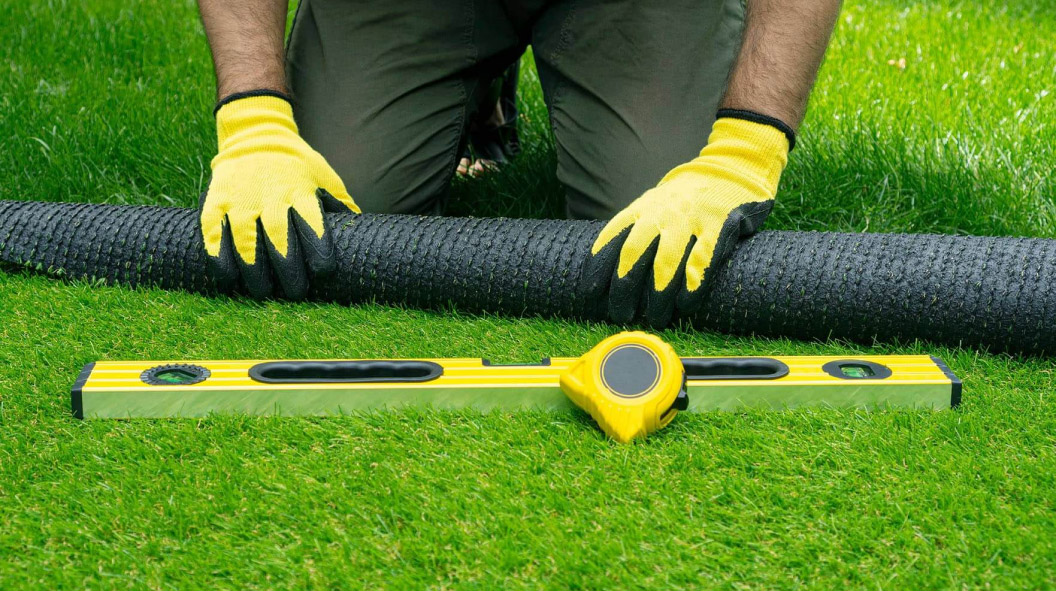
Tools needed for turf installation include a shovel, rake, tamper, utility knife, measuring tape, and a power broom for a professional finish.
How do I prepare the ground for turf?
Preparing your ground for turf involves clearing debris, leveling the surface, and compacting it firmly for a stable and smooth installation.
What is the best type of artificial grass?
The best type of artificial grass depends on your needs, considering factors like foot traffic, desired look, and intended use for optimal results.
How do I measure my yard for turf?
Measuring your yard for turf involves calculating the square footage of the area you wish to cover.
Can I install artificial turf over concrete?
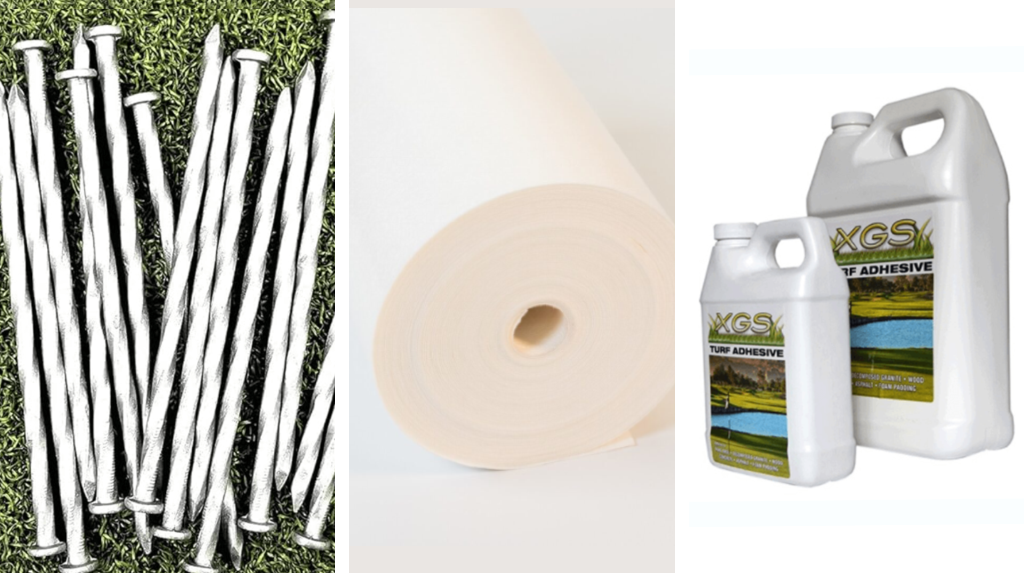
Yes, you can install artificial turf over concrete. Ensure proper drainage by creating a slight slope, and use appropriate adhesive for a secure and lasting installation.
What maintenance is required for artificial grass?
Artificial grass requires minimal maintenance. Regular brushing to lift fibers and occasional rinsing to remove debris are usually sufficient for a pristine look.
How long does artificial turf last?
Artificial turf typically lasts 15-20 years or more with proper maintenance, offering a durable and long-lasting landscaping solution.
What are the environmental benefits of artificial turf?
Artificial turf offers environmental benefits by eliminating the need for watering, mowing, and pesticides, thus conserving water and reducing emissions.
How do I secure the edges of turf?
Securing turf edges involves using galvanized nails or turf staples every 6-12 inches, ensuring they are flush with the surface for a clean, finished look.
What infill materials are recommended for turf?
Recommended infill materials for turf include silica sand for drainage and stability, and crumb rubber for cushioning and bounce.
How do I prevent weeds under artificial grass?
Preventing weeds under artificial grass involves proper site preparation and the use of a high-quality weed barrier fabric.
Can pets use artificial turf safely?
Yes, pets can use artificial turf safely. Our turf is designed to be durable, non-toxic, and easy to clean, making it a pet-friendly option for your yard.
What are common mistakes in turf installation?
Common mistakes in turf installation include improper base preparation, inadequate drainage, and incorrect seam alignment, all of which can impact longevity and appearance.
How do I choose the right turf color?
Choosing the right turf color involves considering your landscape's natural hues and desired aesthetic for a seamless blend.
What is the cost of DIY turf installation?
The cost of DIY turf installation varies, but it's significantly less than professional installation. Factors include turf type, area size, and necessary tools.
How do I handle drainage with artificial turf?
Drainage with artificial turf is handled through proper base preparation. Ensure a well-draining aggregate base beneath the turf to allow water to pass through effectively.
What are the safety features of artificial grass?
The safety features of artificial grass include a shock-absorbent layer, non-toxic materials, and a consistent, even surface, reducing fall risks and promoting safe play.
How can I enhance the look of my turf?
Enhancing your turf's look is achievable with proper edging, infill distribution, and regular brushing to maintain its lush appearance.
What is the installation timeline for artificial turf?
The installation timeline for artificial turf varies, but most DIY projects take 1-3 days depending on the area size and complexity.
How do I clean artificial grass effectively?
Cleaning artificial grass effectively involves regular sweeping and rinsing with a hose to remove debris and dust. For tougher stains, use mild soap and water.
What are the advantages of DIY turf projects?
DIY turf projects offer significant cost savings and a rewarding sense of accomplishment, allowing you to achieve a professional finish on your own terms.
How can I find local turf suppliers?
Finding local turf suppliers is straightforward. Search online directories, ask for recommendations, or contact artificial turf companies directly for their preferred local distributors.
What is the warranty on artificial turf products?
The warranty on our artificial turf products varies by product line, with most offering extensive coverage for manufacturing defects and UV resistance.
How do I troubleshoot issues with my turf?
Troubleshooting turf issues involves checking for proper drainage, ensuring seams are secure, and addressing any unevenness or debris.
What are the aesthetic benefits of artificial grass?
The aesthetic benefits of artificial grass are numerous. It provides a consistently lush, green appearance year-round, enhancing curb appeal and creating a beautiful, low-maintenance landscape.